VS

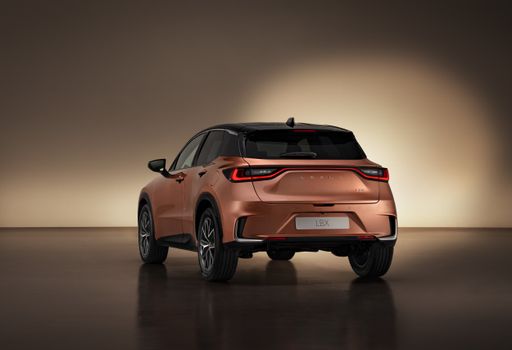
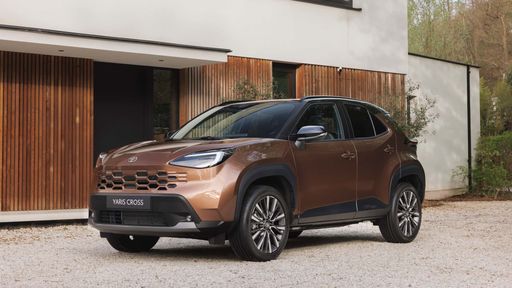
Toyota Yaris Cross vs Lexus LBX comparison

Compare performance (130 HP vs 136 HP), boot space and price (23,700 £ vs 28,300 £ ) at a glance. Find out which car is the better choice for you – Toyota Yaris Cross or Lexus LBX?

Toyota Yaris Cross vs Lexus LBX: Key differences

Toyota Yaris Cross

4 (8 Reviews)
rate
  • a bit cheaper
  • marginally lighter

Lexus LBX

5 (2 Reviews)
rate
  • only slightly more power
  • slightly quicker 0–100 km/h

All details on performance, efficiency, range and trunk space can be found in the technical comparison below – including user reviews for both models.

Yaris Cross

City-slicker vs. Quiet Sophisticate

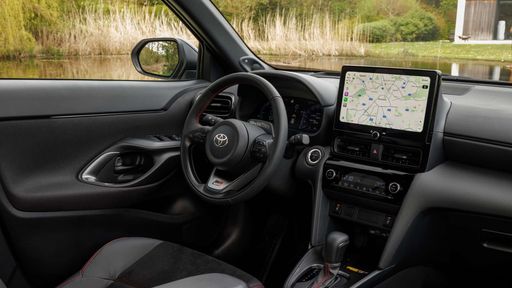
If you’re picking a companion for the daily urban hustle, these two approach the city with very different attitudes: one is all about polished confidence and premium details, the other trades gloss for friendly practicality and approachable design. The Lexus carries an air of quiet luxury that turns routine errands into small indulgences, while the Toyota feels like a sensible Swiss Army knife — competent, unpretentious and easy to live with. Both will blend into traffic, but they’ll elicit different reactions in the parking lot: admiring double-takes for one, appreciative nods for the other. Your choice here says as much about how you want to be seen as about what you need.
LBX

How They Behave When You Drive

On the move the Lexus feels composed and confident, smoothing out rough surfaces and rewarding focused drivers with a sense of control and refinement that’s distinctly premium; it leans into comfort without becoming lethargic. The Toyota is livelier and more playful, light on its feet in town and easy to sling through traffic, which makes it a pleasure for short commutes and quick errands. Neither is aiming to be a sports car — instead they each deliver a reassuring, predictable character that suits everyday motoring. If you prefer a hushed, grown-up ride pick the Lexus, but if you like something more sprightly and tactile the Toyota will keep you smiling.

Yaris Cross

The Living Room on Wheels

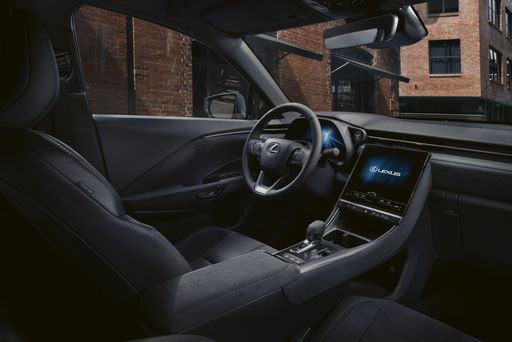
Step inside the Lexus and the emphasis is immediately on material quality and ambience: soft surfaces, thoughtful trim and an overall sense that someone cared about the small details that matter on a long drive. The Toyota’s cabin is clever and well thought-out, with a layout that prioritises straightforward usability and resilient finishes that shrug off day-to-day life with kids or pets.

Both cabins are comfortable enough for long spans behind the wheel, but they suit different temperaments — the Lexus leans into calm and refinement for drivers who value serenity, while the Toyota rewards those who favour practicality and a fuss-free environment. Controls and interfaces follow the same philosophy: one is subtly indulgent, the other refreshingly pragmatic.

LBX

Weekend Practicalities and Family Sense

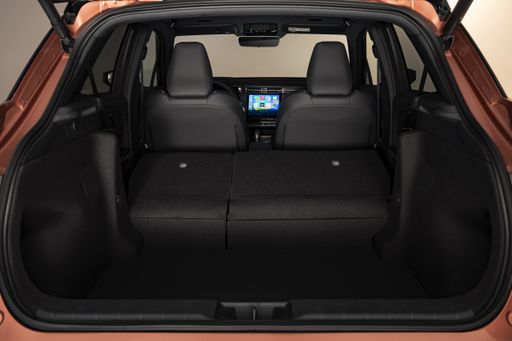
When it comes to everyday chores and family duties the Toyota makes a strong case with its straightforward approach to space and flexibility, catering well to shoppers, school runs and impromptu weekend plans. The Lexus prioritises a refined passenger experience, offering thoughtful touches that make daily hauling feel less like work and more like a small luxury. Both manage the real-world demands of family life without drama, but the Toyota’s mindset is utilitarian while the Lexus is about elevating the routine. Pick the Toyota if sensible versatility is your priority, the Lexus if you want those little creature comforts to accompany your errands.

Yaris Cross

Looks that Tell a Story

Design-wise the Lexus plays the prestige card with sharper creases and a quietly assertive stance that suggests a more upscale intent, while the Toyota keeps things amiable and contemporary with proportions that are easy on the eye and safe against fashion’s shifting tides. Each car has character in its own right: one reads as refined and a touch aspirational, the other as friendly and modern, which makes the decision as much about personality as practicality. Both will age well in different ways, either by staying discreetly elegant or by maintaining cheerful relevance. Your aesthetic leanings will steer you quickly toward one or the other.

LBX

Ownership and Everyday Value

Beyond the showroom the Toyota projects dependability and low-fuss ownership, backed by a reputation for straightforward running and wide dealer support that makes life easier for busy households. The Lexus trades a bit more polish for a premium ownership experience — a quieter cabin, a touch more refinement and an ownership vibe that feels curated. Either choice will be sensible in the long run; it’s really a question of whether you want the reassurance of practicality or the added pleasures of a premium badge and creature comforts. Think about how much of your driving will be routine versus how often you’ll savour the finer touchpoints.

Yaris Cross

Who Should Park One in Their Driveway?

If your days are a collage of short trips, school runs and tight city streets, and you prize sensible usability and a lighter touch, the Toyota is built around that lifestyle and keeps complications to a minimum. If you appreciate a more refined cabin, subtle luxuries and a slightly more composed onboard character for longer stints behind the wheel, the Lexus frames those qualities in a compact package. Either way, both are excellent choices in their niches and each will satisfy a different kind of buyer — the choice comes down to whether you want functional charm or composed refinement. Keep reading to find out which one earns the DriveDuel Champion badge — the reveal is coming next.

Here’s where it gets real: The technical differences in detail

Yaris Cross

Costs and Efficiency:

When it comes to price and running costs, the biggest differences usually appear. This is often where you see which car fits your budget better in the long run.

Toyota Yaris Cross is a bit cheaper – starting at 23,700 £ , while the Lexus LBX costs 28,300 £ . That’s a price difference of around 4,586 £.

Both cars consume an average of 4.5 L/100km – no difference here.

LBX

Engine and Performance:

Power, torque and acceleration are the classic benchmarks for car enthusiasts – and here, some clear differences start to show.

When it comes to engine power, the Lexus LBX offers only slightly more power – delivering 136 HP compared to 130 HP. That’s roughly 6 HP more horsepower.

When accelerating from 0 to 100 km/h, the Lexus LBX is slightly quicker – completing the sprint in 9.2 s, while the Toyota Yaris Cross takes 10.7 s. That’s about 1.5 s quicker.

Yaris Cross

Space and Everyday Use:

Whether family car or daily driver – which one offers more room, flexibility and comfort?

Both vehicles offer seating for 5 people.

In terms of curb weight, Toyota Yaris Cross is marginally lighter – 1,180 kg compared to 1,280 kg. The difference is around 100 kg.

When it comes to payload, the Toyota Yaris Cross carries only slightly more – 510 kg compared to 475 kg. That’s a difference of about 35 kg.

Who wins the race in the data check?

The Toyota Yaris Cross sits just ahead overall in the objective data comparison.
This result only shows which model scores more points on paper – not which of the two cars feels right for you.

from £23,700
Yaris Cross

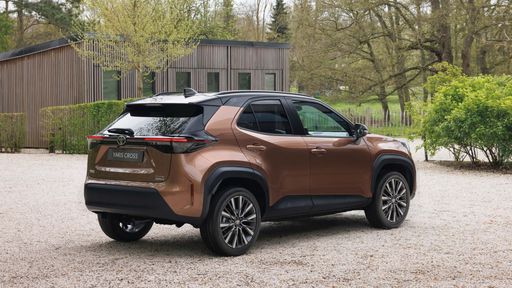
Toyota Yaris Cross

  • Engine Type : Full Hybrid
  • Transmission : Automatic
  • Drive Type : Front-Wheel Drive, All-Wheel Drive
  • Power HP : 116 - 130 HP
  • Consumption L/100km : 4.5 - 4.8 L/100km
Toyota Yaris Cross
Lexus LBX

Costs and Consumption

View detailed analysis

Engine and Performance

View detailed analysis

Dimensions and Body

View detailed analysis

Toyota Yaris Cross

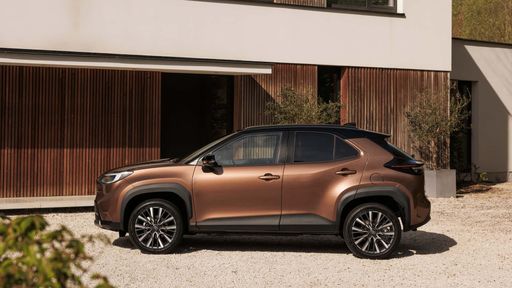
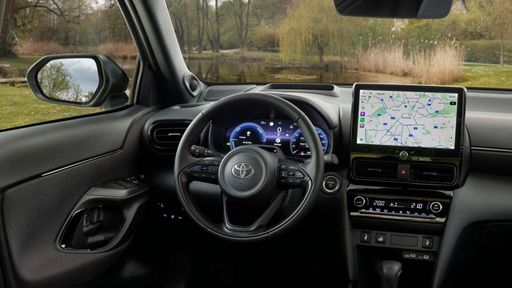
The Toyota Yaris Cross takes the jaunty personality of the Yaris and gives it a taller stance and a bit more practicality, so you get city-friendly agility with added SUV presence. It’s easy to live with, economical on the daily grind, and smartly packaged — a sensible pick for buyers who want fuss-free transport with a touch of character.

details

Lexus LBX

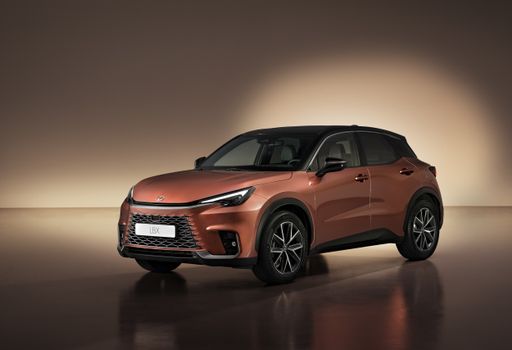
The Lexus LBX wraps premium touches and a surprisingly spacious cabin into a compact crossover that’s perfectly at home in town or heading out on longer drives. It wears the badge with quiet confidence, serving up a refined ride and clever packaging for buyers who want Lexus polish without shouting for attention.

details
Toyota Yaris Cross
Lexus LBX

Costs and Consumption

Price
23,700 - 34,300 £
Price
28,300 - 40,000 £
Consumption L/100km
4.5 - 4.8 L/100km
Consumption L/100km
4.5 - 4.8 L/100km
Consumption kWh/100km
-
Consumption kWh/100km
-
Electric Range
-
Electric Range
-
Battery Capacity
-
Battery Capacity
-
co2
101 - 108 g/km
co2
102 - 110 g/km
Fuel tank capacity
-
Fuel tank capacity
-

Dimensions and Body

Body Type
SUV
Body Type
SUV
Seats
5
Seats
5
Doors
-
Doors
-
Curb weight
1,180 - 1,290 kg
Curb weight
1,280 - 1,365 kg
Trunk capacity
320 - 397 L
Trunk capacity
-
Length
-
Length
-
Width
1,765 mm
Width
1,825 mm
Height
-
Height
-
Max trunk capacity
-
Max trunk capacity
-
Payload
485 - 510 kg
Payload
455 - 475 kg

Engine and Performance

Engine Type
Full Hybrid
Engine Type
Full Hybrid
Transmission
Automatic
Transmission
Automatic
Transmission Detail
CVT
Transmission Detail
CVT
Drive Type
Front-Wheel Drive, All-Wheel Drive
Drive Type
Front-Wheel Drive, All-Wheel Drive
Power HP
116 - 130 HP
Power HP
136 HP
Acceleration 0-100km/h
10.7 - 11.3 s
Acceleration 0-100km/h
9.2 - 9.6 s
Max Speed
-
Max Speed
-
Torque
-
Torque
185 Nm
Number of Cylinders
3
Number of Cylinders
3
Power kW
85 - 96 kW
Power kW
100 kW
Engine capacity
1,490 cm3
Engine capacity
1,490 cm3

General

Model Year
2,026
Model Year
2,025
CO2 Efficiency Class
C
CO2 Efficiency Class
C
Brand
Toyota
Brand
Lexus
DriveDuel uses data analysis and artificial intelligence to evaluate vehicle data and create content. Content is regularly reviewed and improved. The displayed prices are estimates based on German list prices, adjusted to the respective country’s VAT. Country-specific registration taxes are not included. This information is not legally binding.