VS

Volvo EC40 vs BMW iX2 comparison

Compare performance (442 HP vs 313 HP), boot space and price (46,500 £ vs 43,700 £ ) at a glance. Find out which car is the better choice for you – Volvo EC40 or BMW iX2?

Volvo EC40 vs BMW iX2: Key differences

Volvo EC40

4.7 (1 Reviews)
rate
  • visibly more power
  • moderately more electric range
  • clearly quicker 0–100 km/h
details

BMW iX2

5 (2 Reviews)
rate
  • only slightly cheaper
  • somewhat more efficient
  • only slightly lighter
  • clearly more trunk space
details

All details on performance, efficiency, range and trunk space can be found in the technical comparison below – including user reviews for both models.

By Achim Sedelmaier

EC40

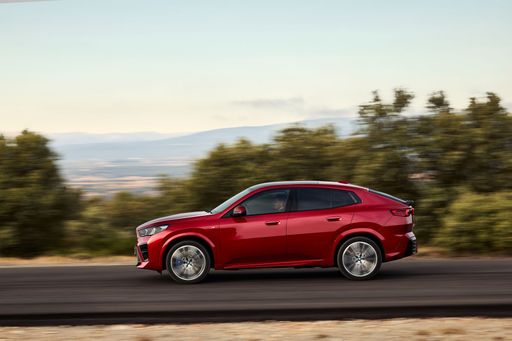
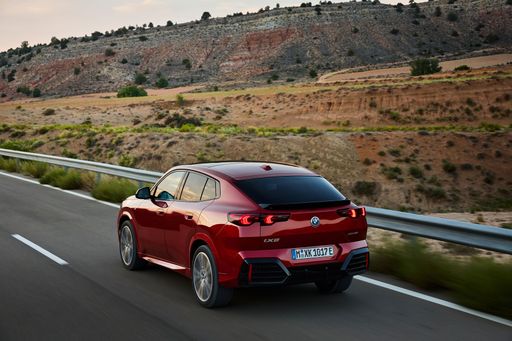
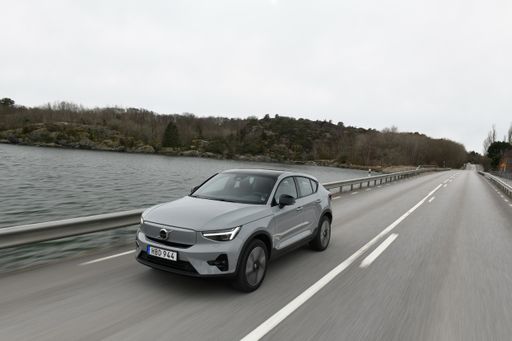
The race for electric supremacy among compact SUVs heats up with two of the most anticipated models of 2024: the BMW iX2 and the Volvo EC40. Both vehicles showcase the latest innovations in electric mobility, but which one stands out in terms of performance, technology, and overall experience? Let’s dive into the details of each model.
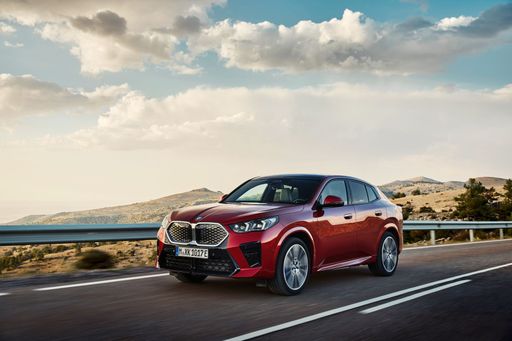
iX2

Power and Performance

When it comes to power, the BMW iX2 offers two variants, delivering between 204 to 313 HP, and showcasing impressive torque of up to 494 Nm. With acceleration from 0 to 100 km/h taking just 5.6 seconds in the higher variant, BMW clearly emphasizes a sporty experience. In contrast, the Volvo EC40's rear-wheel-drive configuration delivers 238 to 252 HP with a respectable torque of 420 Nm. The EC40 is slightly behind in terms of acceleration, achieving 0-100 km/h in 7.3 seconds, but its performance is still commendable for a compact SUV.

Electric Efficiency and Range

Efficiency is key in the electric vehicle segment, and both models make significant strides with their energy consumption. The iX2 consumes between 15.9 to 16.9 kWh/100km, while the EC40 offers slightly higher consumption rates of 16.2 to 16.7 kWh/100km. However, the EC40 excels in range, providing an impressive maximum of 584 km, while the iX2 achieves a range of up to 459 km. This factor may sway potential buyers who prioritize longer trips without frequent charging interruptions.

Battery and Charging

The BMW iX2 comes equipped with a battery capacity ranging from 64.8 kWh, enabling a balanced performance and weight management with a curb weight of 1960 kg. Meanwhile, the Volvo EC40 features a larger battery capacity, up to 79 kWh, making it heavier at about 2065 kg. Despite the weight, the EC40's significant range could justify the extra burden for those who prioritize distance over nimble handling.

Interior Space and Comfort

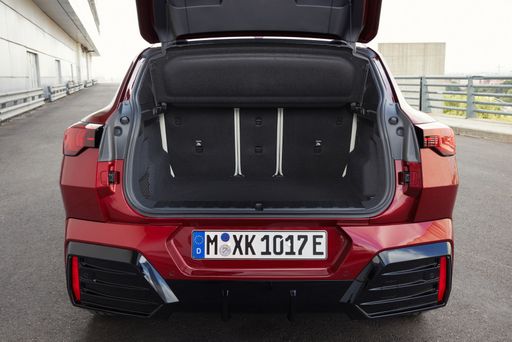
Comfort is another critical consideration in the SUV segment. The BMW iX2 provides ample passenger space with a trunk capacity of 525 liters, making it suitable for families or users needing additional storage. The Volvo EC40, while slightly smaller in trunk capacity at 404 liters, still offers enough room for everyday use. In terms of dimensions, the iX2 measures 4554 mm in length, with a height of 1560 mm, whereas the EC40 is slightly shorter at 4440 mm and taller at 1591 mm. This translates into a roomier atmosphere in the Volvo, particularly with its height advantage.

Innovative Features and Technology

On the technological front, both vehicles are equipped with the latest electric vehicle technologies. The BMW iX2 features an intuitive infotainment system with advanced driver-assist features, ensuring an engaging driving experience paired with robust safety features. The iX2 also stands out with its sleek digital cockpit that enhances the driving vibe. On the other hand, the Volvo EC40 boasts its renowned safety innovations with advanced driver-assistance systems, providing peace of mind for drivers and passengers. Volvo's commitment to sustainability extends to its materials, as the EC40 incorporates recycled materials in its interior design.

Conclusion: Which SUV Comes Out On Top?

In conclusion, the choice between the BMW iX2 and Volvo EC40 ultimately revolves around personal priorities. The iX2 excels in sporty performance, trunk space, and a high-tech experience, while the EC40 stands out with longer range and a taller, possibly more comfortable interior. Both SUVs embody the transition towards electric mobility, offering unique advantages in their pursuit of eco-conscious driving. Deciding which one takes the crown will ultimately depend on what the driver values most: performance or efficiency, space or style.

Here’s where it gets real: The technical differences in detail

EC40

Costs and Efficiency:

Looking at overall running costs, both models reveal some interesting differences in everyday economy.

BMW iX2 is only slightly cheaper – starting at 43,700 £ , while the Volvo EC40 costs 46,500 £ . That’s a price difference of around 2,820 £.

In terms of energy consumption, the BMW iX2 is somewhat more efficient: consuming 14.4 kWh/100km compared to 16.2 kWh/100km for the Volvo EC40. That’s a difference of about 1.8 kWh/100km.

As for electric range, the Volvo EC40 offers moderately more range – reaching up to 585 km, about 73 km more than the BMW iX2.

iX2

Engine and Performance:

Power, torque and acceleration are the classic benchmarks for car enthusiasts – and here, some clear differences start to show.

When it comes to engine power, the Volvo EC40 offers visibly more power – delivering 442 HP compared to 313 HP. That’s roughly 129 HP more horsepower.

When accelerating from 0 to 100 km/h, the Volvo EC40 is clearly quicker – completing the sprint in 4.6 s, while the BMW iX2 takes 5.6 s. That’s about 1 s quicker.

There’s also a difference in torque: the Volvo EC40 delivers clearly more torque with 670 Nm compared to 494 Nm. That’s about 176 Nm more.

Space and Everyday Use:

Whether family car or daily driver – which one offers more room, flexibility and comfort?

Both vehicles offer seating for 5 people.

In terms of curb weight, BMW iX2 is only slightly lighter – 1,960 kg compared to 2,065 kg. The difference is around 105 kg.

Looking at boot space, the BMW iX2 offers clearly more boot space – 525 L compared to 404 L. That’s a difference of about 121 L.

When it comes to payload, the BMW iX2 carries slightly more – 510 kg compared to 435 kg. That’s a difference of about 75 kg.

Who wins the race in the data check?

The Volvo EC40 is clearly ahead overall in the objective data comparison.
This result only shows which model scores more points on paper – not which of the two cars feels right for you.

from £46,500
EC40

Volvo EC40

  • Engine Type : Electric
  • Transmission : Automatic
  • Drive Type : Rear-Wheel Drive, All-Wheel Drive
  • Power HP : 238 - 442 HP
  • Consumption kWh/100km : 16.2 - 17.3 kWh/100km
  • Electric Range : 486 - 585 km
Volvo EC40
BMW iX2

Costs and Consumption

View detailed analysis

Engine and Performance

View detailed analysis

Dimensions and Body

View detailed analysis

Volvo EC40

The Volvo EC40 feels like a polished slice of Scandinavian calm on wheels, blending minimalist design with a cocoon-like interior that makes everyday driving surprisingly serene. It’s an electric compact that puts safety and comfort front and center, while still injecting enough personality and tech-savvy charm to keep city buyers smiling.

details

BMW iX2

The BMW iX2 cuts a sporty silhouette and delivers the buttoned-up premium feel you expect from the brand, wrapped in a compact electric package that’s easy to live with. It’s a smart pick for buyers who want engaging city driving, clever cabin tech and a touch of eco-conscious flair without giving up the fun behind the wheel.

details
Volvo EC40
BMW iX2

Costs and Consumption

Price
46,500 - 59,000 £
Price
43,700 - 55,600 £
Consumption L/100km
-
Consumption L/100km
-
Consumption kWh/100km
16.2 - 17.3 kWh/100km
Consumption kWh/100km
14.4 - 15.4 kWh/100km
Electric Range
486 - 585 km
Electric Range
476 - 512 km
Battery Capacity
-
Battery Capacity
-
co2
0 g/km
co2
0 g/km
Fuel tank capacity
-
Fuel tank capacity
-

Dimensions and Body

Body Type
SUV
Body Type
SUV
Seats
5
Seats
5
Doors
-
Doors
-
Curb weight
2,065 - 2,185 kg
Curb weight
1,960 - 2,095 kg
Trunk capacity
404 L
Trunk capacity
525 L
Length
-
Length
-
Width
1,873 mm
Width
1,845 mm
Height
-
Height
-
Max trunk capacity
-
Max trunk capacity
-
Payload
395 - 435 kg
Payload
500 - 510 kg

Engine and Performance

Engine Type
Electric
Engine Type
Electric
Transmission
Automatic
Transmission
Automatic
Transmission Detail
Reduction Gearbox
Transmission Detail
Reduction Gearbox
Drive Type
Rear-Wheel Drive, All-Wheel Drive
Drive Type
Front-Wheel Drive, All-Wheel Drive
Power HP
238 - 442 HP
Power HP
204 - 313 HP
Acceleration 0-100km/h
4.6 - 7.3 s
Acceleration 0-100km/h
5.6 - 8.6 s
Max Speed
-
Max Speed
-
Torque
420 - 670 Nm
Torque
250 - 494 Nm
Number of Cylinders
-
Number of Cylinders
-
Power kW
175 - 325 kW
Power kW
150 - 230 kW
Engine capacity
-
Engine capacity
-

General

Model Year
2,024 - 2,026
Model Year
2026
CO2 Efficiency Class
A
CO2 Efficiency Class
A
Brand
Volvo
Brand
BMW
DriveDuel uses data analysis and artificial intelligence to evaluate vehicle data and create content. Content is regularly reviewed and improved. The displayed prices are estimates based on German list prices, adjusted to the respective country’s VAT. Country-specific registration taxes are not included. This information is not legally binding.