VS

Volvo EX90 vs BMW iX comparison

Compare performance (680 HP vs 659 HP), boot space and price (73,700 £ vs 71,600 £ ) at a glance. Find out which car is the better choice for you – Volvo EX90 or BMW iX?

Volvo EX90 vs BMW iX: Key differences

Volvo EX90

  • very slightly more power

BMW iX

3.9 (1 Reviews)
rate
  • barely cheaper
  • a bit more electric range
  • somewhat quicker 0–100 km/h
  • barely lighter

All details on performance, efficiency, range and trunk space can be found in the technical comparison below – including user reviews for both models.

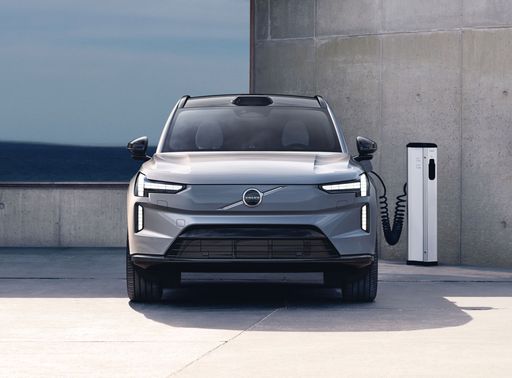
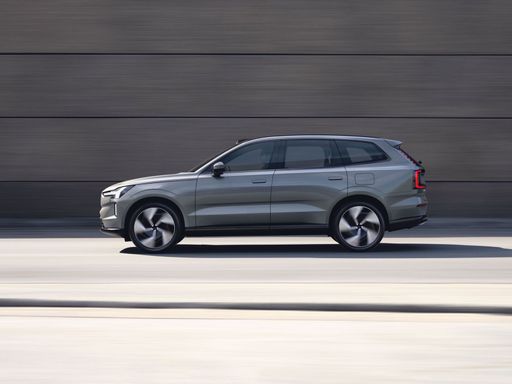
EX90

As the automotive industry shifts towards electric mobility, two flagship models have emerged, each showcasing unique innovations and technical facets. The BMW iX and the Volvo EX90 are vying for supremacy in the electric SUV segment, captivating drivers with their cutting-edge technology and performance. This article delves into a detailed comparison of these two remarkable electric vehicles.
iX

Design and Dimensions

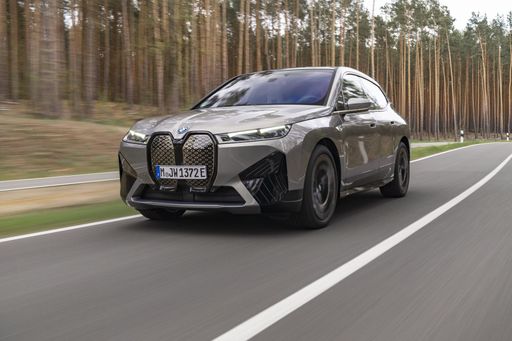
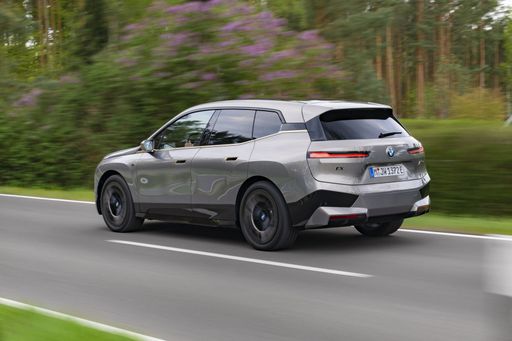
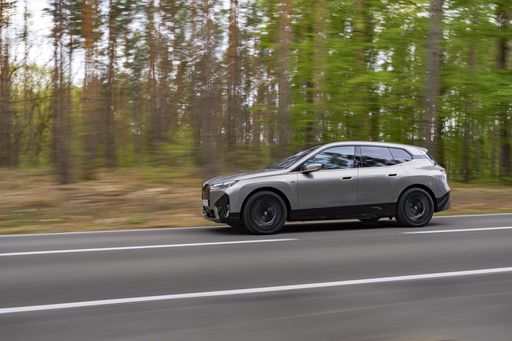
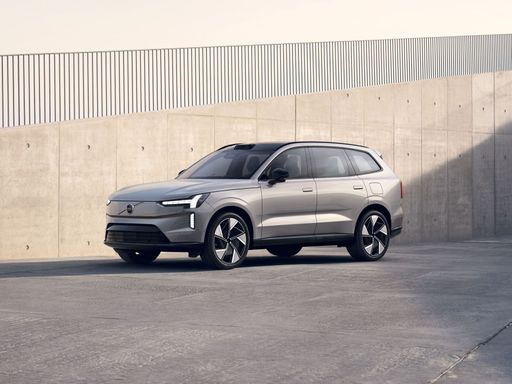
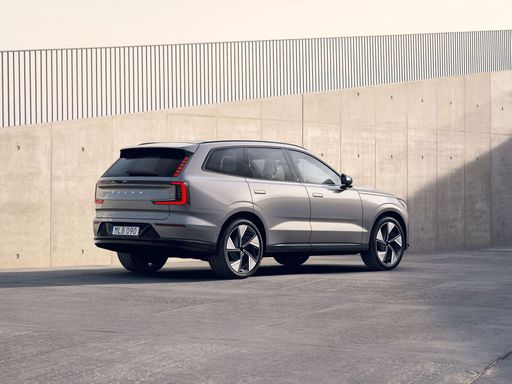
The BMW iX, with a length of 4,953 mm and a width of 1,967 mm, boasts a modern and robust design that is unmistakably BMW. Its height of 1,695 mm provides a commanding presence on the road. In contrast, the Volvo EX90 measures slightly longer at 5,037 mm and has a width of 1,964 mm. The EX90 stands taller at 1,744 mm, giving it a more substantial look and feel. Both SUVs exhibit contemporary design cues, but the BMW leans towards a sportier aesthetic while the Volvo exudes a more utilitarian appeal.

EX90

Powertrain and Performance

When it comes to power, the BMW iX offers multiple configurations, with power outputs ranging from 326 HP to a staggering 659 HP in the high-performance variant. Its all-wheel drive configuration ensures that the iX delivers exhilarating acceleration, reaching 0-100 km/h in as little as 3.8 seconds. In contrast, the Volvo EX90 is offered with three power options, peaking at 517 HP. It accelerates from 0-100 km/h in a commendable 4.9 seconds, showcasing solid performance, particularly for a luxury SUV.

iX

Battery and Range

Battery capacity plays a crucial role in electric vehicle performance, and here, the iX offers options between 74.1 kWh and 108.8 kWh, providing an impressive electric range of up to 701 km. This exceeds the Volvo EX90, which features a battery capacity of 101 kWh, delivering a maximum range of 614 km. However, both models are competitive in terms of energy consumption, with the iX consuming between 17.8 and 22 kWh/100 km, while the EX90 consumes between 19.9 and 20.8 kWh/100 km.

EX90

Interior and Technology

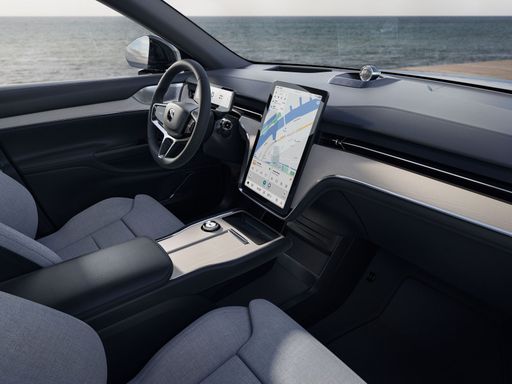
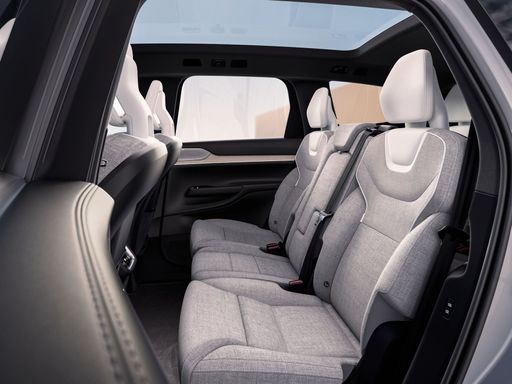
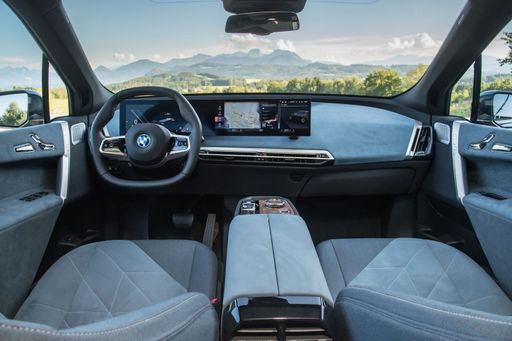
Inside, both the BMW iX and Volvo EX90 offer spacious and luxurious environments packed with technological advancements. The iX is designed for five passengers and focuses on driver engagement with a large curved display that integrates the iDrive system. The cabin offers a premium feel with sustainable materials. Meanwhile, the EX90 can accommodate five to six passengers and emphasizes safety technology with a suite of advanced driver-assistance features. Its interior is crafted to ensure comfort and convenience for all occupants.

iX

Innovation and Safety Features

Both vehicles are equipped with state-of-the-art safety and driver assistance systems. The BMW iX comes with features like Adaptive Cruise Control and lane-keeping assist, enhancing driving comfort and safety. The EX90 is renowned for its safety capabilities, offering a new level of protection with advanced sensors and system redundancies aimed at preventing accidents. Volvo's reputation for safety is evident, and the EX90 is equipped to uphold that legacy.

EX90

Sustainability and Environmental Impact

Both BMW and Volvo have made ambitious commitments to sustainability. The iX is constructed with a focus on reducing its carbon footprint, while Volvo aims to be a fully electric car brand by 2030, with the EX90 leading that charge. Both models have achieved a CO2 efficiency class of A, ensuring they emit no harmful gases during operation.

iX

Conclusion

In the burgeoning electric SUV market, the BMW iX and Volvo EX90 are strong contenders, each with their strengths. The iX excels in performance and electric range, while the EX90 stands out in safety and spaciousness. Choosing between these remarkable vehicles ultimately depends on personal preferences, driving style, and brand allegiance. As electric mobility continues to evolve, both automakers are set to play a pivotal role in shaping the future of sustainable transportation.

Here’s where it gets real: The technical differences in detail

EX90

Costs and Efficiency:

Looking at overall running costs, both models reveal some interesting differences in everyday economy.

BMW iX is barely cheaper – starting at 71,600 £ , while the Volvo EX90 costs 73,700 £ . That’s a price difference of around 2,134 £.

When it comes to electricity consumption, both models perform equally – each averaging 17.8 kWh/100km.

As for electric range, the BMW iX offers a bit more range – reaching up to 701 km, about 81 km more than the Volvo EX90.

iX

Engine and Performance:

Power, torque and acceleration say a lot about how a car feels on the road. This is where you see which model delivers more driving dynamics.

When it comes to engine power, the Volvo EX90 offers very slightly more power – delivering 680 HP compared to 659 HP. That’s roughly 21 HP more horsepower.

When accelerating from 0 to 100 km/h, the BMW iX is somewhat quicker – completing the sprint in 3.8 s, while the Volvo EX90 takes 4.2 s. That’s about 0.4 s quicker.

There’s also a difference in torque: the BMW iX delivers moderately more torque with 1,015 Nm compared to 870 Nm. That’s about 145 Nm more.

EX90

Space and Everyday Use:

Beyond pure performance, interior space and usability matter most in daily life. This is where you see which car is more practical and versatile.

Seats: Volvo EX90 offers more seats – 7 vs 5.

In terms of curb weight, BMW iX is barely lighter – 2,525 kg compared to 2,555 kg. The difference is around 30 kg.

When it comes to payload, the Volvo EX90 carries marginally more – 585 kg compared to 575 kg. That’s a difference of about 10 kg.

Who wins the race in the data check?

The BMW iX holds a slight edge in the objective data comparison.
This result only shows which model scores more points on paper – not which of the two cars feels right for you.

from £71,600
iX

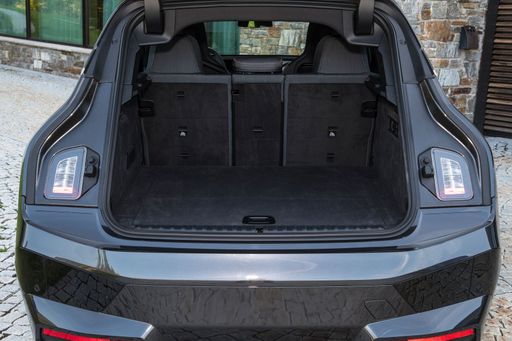
BMW iX

  • Engine Type : Electric
  • Transmission : Automatic
  • Drive Type : All-Wheel Drive
  • Power HP : 408 - 659 HP
  • Consumption kWh/100km : 17.8 - 20.6 kWh/100km
  • Electric Range : 600 - 701 km
Volvo EX90
BMW iX

Costs and Consumption

View detailed analysis

Engine and Performance

View detailed analysis

Dimensions and Body

View detailed analysis

Volvo EX90

The Volvo EX90 feels like a Scandinavian fortress on wheels, combining serene luxury with smart safety features that make everyday driving remarkably calm and confident. It dresses cutting-edge electric technology in understated elegance, so buyers who want peace of mind without shouting about it will find it hard to resist.

details

BMW iX

The BMW iX arrives like a tech-rich luxury SUV that refuses to shout, offering a serene yet authoritative road presence that suits both city commutes and long-distance cruising. Inside, its minimalist cabin wraps high-quality materials and clever interfaces around a driver-focused layout, making it feel more like a forward-thinking lounge than just another electric appliance — and yes, it still delivers the dynamic driving character you'd expect from a BMW.

details
Volvo EX90
BMW iX

Costs and Consumption

Price
73,700 - 91,700 £
Price
71,600 - 108,400 £
Consumption L/100km
-
Consumption L/100km
-
Consumption kWh/100km
17.8 - 19.3 kWh/100km
Consumption kWh/100km
17.8 - 20.6 kWh/100km
Electric Range
570 - 620 km
Electric Range
600 - 701 km
Battery Capacity
-
Battery Capacity
-
co2
0 g/km
co2
0 g/km
Fuel tank capacity
-
Fuel tank capacity
-

Dimensions and Body

Body Type
SUV
Body Type
SUV
Seats
6 - 7
Seats
5
Doors
-
Doors
-
Curb weight
2,555 - 2,764 kg
Curb weight
2,525 - 2,655 kg
Trunk capacity
-
Trunk capacity
500 L
Length
-
Length
-
Width
1,964 mm
Width
1,970 mm
Height
-
Height
-
Max trunk capacity
-
Max trunk capacity
-
Payload
544 - 585 kg
Payload
505 - 575 kg

Engine and Performance

Engine Type
Electric
Engine Type
Electric
Transmission
Automatic
Transmission
Automatic
Transmission Detail
Reduction Gearbox
Transmission Detail
Reduction Gearbox
Drive Type
Rear-Wheel Drive, All-Wheel Drive
Drive Type
All-Wheel Drive
Power HP
333 - 680 HP
Power HP
408 - 659 HP
Acceleration 0-100km/h
4.2 - 6.8 s
Acceleration 0-100km/h
3.8 - 5.1 s
Max Speed
-
Max Speed
-
Torque
480 - 870 Nm
Torque
700 - 1,015 Nm
Number of Cylinders
-
Number of Cylinders
-
Power kW
245 - 500 kW
Power kW
300 - 485 kW
Engine capacity
-
Engine capacity
-

General

Model Year
2,025
Model Year
2,025
CO2 Efficiency Class
A
CO2 Efficiency Class
A
Brand
Volvo
Brand
BMW
DriveDuel uses data analysis and artificial intelligence to evaluate vehicle data and create content. Content is regularly reviewed and improved. The displayed prices are estimates based on German list prices, adjusted to the respective country’s VAT. Country-specific registration taxes are not included. This information is not legally binding.