VS

Volvo XC40 vs Audi Q2 comparison

Compare performance (197 HP vs 300 HP), boot space and price (36,800 £ vs 24,900 £ ) at a glance. Find out which car is the better choice for you – Volvo XC40 or Audi Q2?

Volvo XC40 vs Audi Q2: Key differences

Volvo XC40

5 (4 Reviews)
rate
  • a bit more trunk space

Audi Q2

4.7 (4 Reviews)
rate
  • substantially cheaper
  • markedly more power
  • visibly more efficient
  • clearly quicker 0–100 km/h
  • noticeably lighter

All details on performance, efficiency, range and trunk space can be found in the technical comparison below – including user reviews for both models.

XC40

The subcompact SUV market continues to grow as consumers seek versatile vehicles that blend comfort, performance, and technology. Two notable contenders in this segment are the Audi Q2 and the Volvo XC40. Both models offer unique features and innovations, making them attractive options for modern drivers. In this comparison, we’ll delve into the key aspects of these two vehicles, focusing on technical specifications, design, and innovations.
Q2

Performance and Engine Options

The Audi Q2 stands out with its diverse range of engine options, offering both petrol and diesel variants. The Q2’s engine lineup includes power outputs ranging from 116 HP to an impressive 300 HP, catering to different driving preferences. It features manual and dual-clutch automatic transmissions, with drive configurations available in both front-wheel and all-wheel drive. This versatility allows the Q2 to appeal to a broad audience, from urban commuters to more adventurous drivers.

In contrast, the Volvo XC40 offers petrol hybrid engines (MHEV) with two primary power outputs: 163 HP and 197 HP. The XC40 comes exclusively with a dual-clutch automatic transmission and front-wheel drive. While it may not present as many options as the Q2, the XC40’s engine is designed for efficiency and responsive performance, with a commendable acceleration of 0-100 km/h in as little as 7.6 seconds.

XC40

Fuel Efficiency

When it comes to fuel economy, the Audi Q2 demonstrates a range of consumption figures from 4.8 to 8.4 L/100km, depending on the chosen engine and driving mode. The Q2’s efficient diesel options and petrol engines make it a suitable choice for those looking to balance performance with fuel savings.

On the other hand, the Volvo XC40 maintains a competitive edge in fuel efficiency, boasting a combined consumption of approximately 6.5 L/100km. While the XC40’s petrol hybrid system contributes to reduced emissions, it does provide a slightly higher fuel consumption compared to some of the Q2’s diesel offerings.

Q2

Design and Interior

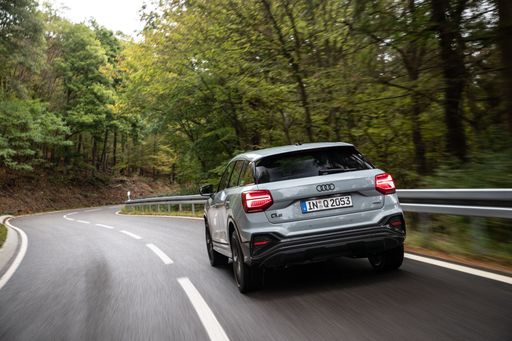
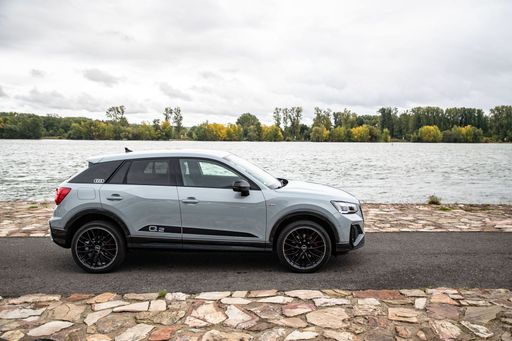
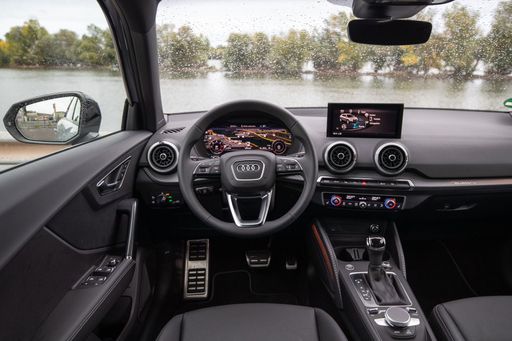
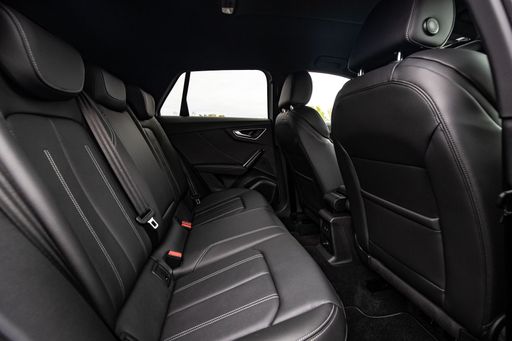
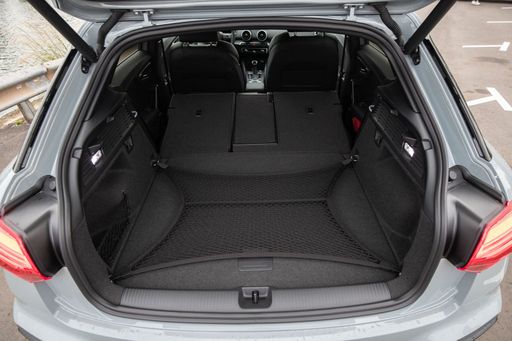
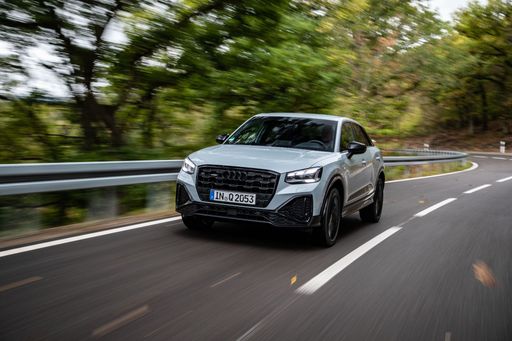
Both the Audi Q2 and Volvo XC40 deliver distinct designs that reflect their respective brands' philosophies. The Audi Q2 flaunts a sporty exterior with sharp lines and a bold grille. Inside, the Q2 is known for its premium materials and advanced infotainment system, creating a modern and luxurious feel. With a trunk capacity of 405 liters, it also offers practical cargo space for everyday use.

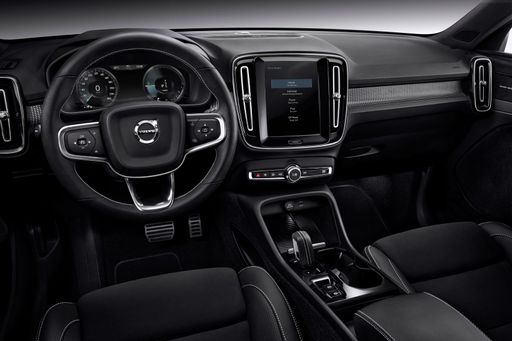
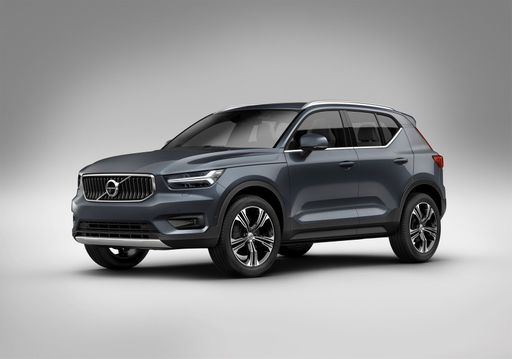
The Volvo XC40, conversely, embraces a more Scandinavian design ethos with its clean lines and distinctive rear taillights. Inside, the XC40 boasts a minimalist and functional layout, highlighted by high-quality materials and a user-friendly Sensus infotainment system. With a trunk capacity of 452 liters, the XC40 slightly edges out the Q2 in terms of storage space, making it a practical option for those who often carry larger loads.

XC40

Safety and Technology Innovations

Volvo has long been synonymous with safety, and the XC40 is no exception. It comes equipped with a suite of advanced safety features, including automated emergency braking, lane-keeping assist, and the optional Pilot Assist, which offers semi-autonomous driving capabilities. The XC40's commitment to safety has resulted in top ratings in various crash tests.

The Audi Q2 doesn't fall short in this category either, featuring an array of safety technologies like Audi Pre Sense, adaptive cruise control, and a solid build that enhances passenger protection. Additionally, Audi's Virtual Cockpit, a customizable digital display, enhances the driver’s experience while navigating and managing vehicle settings.

Q2

Conclusion

Choosing between the Audi Q2 and the Volvo XC40 ultimately boils down to personal preferences and priorities. The Q2 offers a broader array of engine options, refined performance, and sporty design, making it an appealing choice for drivers who value versatility and performance.

In contrast, the XC40 excels in safety, innovative technology, and a more spacious interior, appealing to those who prioritize these aspects in their vehicle. Both SUVs are strong contenders in the subcompact market, ensuring that prospective buyers will have plenty to consider when making their choice.

Here’s where it gets real: The technical differences in detail

XC40

Costs and Efficiency:

When it comes to price and running costs, the biggest differences usually appear. This is often where you see which car fits your budget better in the long run.

Audi Q2 is substantially cheaper – starting at 24,900 £ , while the Volvo XC40 costs 36,800 £ . That’s a price difference of around 11,905 £.

Fuel consumption also shows a difference: the Audi Q2 uses 4.8 L/100km and is visibly more efficient than the Volvo XC40 with 6.5 L/100km. The difference is about 1.7 L/100km.

Q2

Engine and Performance:

Under the bonnet, it becomes clear which model is tuned for sportiness and which one takes the lead when you hit the accelerator.

When it comes to engine power, the Audi Q2 offers markedly more power – delivering 300 HP compared to 197 HP. That’s roughly 103 HP more horsepower.

When accelerating from 0 to 100 km/h, the Audi Q2 is clearly quicker – completing the sprint in 4.9 s, while the Volvo XC40 takes 7.6 s. That’s about 2.7 s quicker.

There’s also a difference in torque: the Audi Q2 delivers clearly more torque with 400 Nm compared to 300 Nm. That’s about 100 Nm more.

XC40

Space and Everyday Use:

Cabin size, boot volume and payload all play a role in everyday practicality. Here, comfort and flexibility make the difference.

Both vehicles offer seating for 5 people.

In terms of curb weight, Audi Q2 is noticeably lighter – 1,330 kg compared to 1,688 kg. The difference is around 358 kg.

Looking at boot space, the Volvo XC40 offers a bit more boot space – 452 L compared to 405 L. That’s a difference of about 47 L.

When it comes to payload, the Volvo XC40 carries barely more – 532 kg compared to 510 kg. That’s a difference of about 22 kg.

Who wins the race in the data check?

The Audi Q2 stands well ahead of its rival in the objective data comparison.
This result only shows which model scores more points on paper – not which of the two cars feels right for you.

from £24,900
Q2

Audi Q2

  • Engine Type : Petrol, Diesel
  • Transmission : Manuel, Automatic
  • Drive Type : Front-Wheel Drive, All-Wheel Drive
  • Power HP : 116 - 300 HP
  • Consumption L/100km : 4.8 - 8.1 L/100km
Volvo XC40
Audi Q2

Costs and Consumption

View detailed analysis

Engine and Performance

View detailed analysis

Dimensions and Body

View detailed analysis

Volvo XC40

The Volvo XC40 wraps Scandinavian minimalism into a compact, city-ready SUV with a premium cabin that feels both practical and grown-up. It will suit buyers who prize safety, clever storage and a composed ride, proving that small dimensions don't mean small personality.

details

Audi Q2

The Audi Q2 packs Audi’s premium attitude into a compact, cheeky package that turns city streets into a runway for tasteful design and clever practicality. It’s an easy car to live with thanks to an upscale cabin, composed manners and sprightly handling, and while it won’t satisfy someone chasing sports-car thrills, it’s a smart, stylish pick for buyers who want substance with a wink.

details
Volvo XC40
Audi Q2

Costs and Consumption

Price
36,800 - 47,200 £
Price
24,900 - 43,600 £
Consumption L/100km
6.5 L/100km
Consumption L/100km
4.8 - 8.1 L/100km
Consumption kWh/100km
-
Consumption kWh/100km
-
Electric Range
-
Electric Range
-
Battery Capacity
-
Battery Capacity
-
co2
147 - 148 g/km
co2
127 - 183 g/km
Fuel tank capacity
54 L
Fuel tank capacity
-

Dimensions and Body

Body Type
SUV
Body Type
SUV
Seats
5
Seats
5
Doors
5
Doors
-
Curb weight
1,688 kg
Curb weight
1,330 - 1,610 kg
Trunk capacity
452 L
Trunk capacity
355 - 405 L
Length
4,425 mm
Length
-
Width
1,863 mm
Width
1,794 - 1,802 mm
Height
1,652 mm
Height
-
Max trunk capacity
1,328 L
Max trunk capacity
-
Payload
532 kg
Payload
450 - 510 kg

Engine and Performance

Engine Type
Petrol MHEV
Engine Type
Petrol, Diesel
Transmission
Automatic
Transmission
Manuel, Automatic
Transmission Detail
Dual-Clutch Automatic
Transmission Detail
Manual Gearbox, Dual-Clutch Automatic
Drive Type
Front-Wheel Drive
Drive Type
Front-Wheel Drive, All-Wheel Drive
Power HP
163 - 197 HP
Power HP
116 - 300 HP
Acceleration 0-100km/h
7.6 - 8.6 s
Acceleration 0-100km/h
4.9 - 10.5 s
Max Speed
180 km/h
Max Speed
-
Torque
265 - 300 Nm
Torque
200 - 400 Nm
Number of Cylinders
4
Number of Cylinders
3 - 4
Power kW
120 - 145 kW
Power kW
85 - 221 kW
Engine capacity
1,969 cm3
Engine capacity
999 - 1,984 cm3

General

Model Year
2,024
Model Year
2,025
CO2 Efficiency Class
E
CO2 Efficiency Class
D, F, E, G
Brand
Volvo
Brand
Audi
DriveDuel uses data analysis and artificial intelligence to evaluate vehicle data and create content. Content is regularly reviewed and improved. The displayed prices are estimates based on German list prices, adjusted to the respective country’s VAT. Country-specific registration taxes are not included. This information is not legally binding.