VS

Volvo XC40 vs Toyota RAV4 comparison

Compare performance (197 HP vs 306 HP), boot space and price (36,800 £ vs 35,100 £ ) at a glance. Find out which car is the better choice for you – Volvo XC40 or Toyota RAV4?

Volvo XC40 vs Toyota RAV4: Key differences

Volvo XC40

5 (4 Reviews)
rate
  • very slightly lighter

Toyota RAV4

4.8 (6 Reviews)
rate
  • barely cheaper
  • visibly more power
  • significantly more efficient
  • noticeably quicker 0–100 km/h
  • visibly more trunk space

All details on performance, efficiency, range and trunk space can be found in the technical comparison below – including user reviews for both models.

XC40

Head-to-head: Toyota RAV4 VS Volvo XC40 in the compact crossover ring

Toyota RAV4 VS Volvo XC40 — two compact crossovers that get shortlisted for the same buyers, but deliver very different experiences. This comparison focuses on the real-world differences that matter to shoppers: packaging, perceived quality, driving feel and day-to-day usefulness. The Toyota RAV4 leans into practicality and dependable, slightly rugged character, while the Volvo XC40 pitches a more premium, Scandinavian-flavored package. Read on if you want to know which of these crossovers matches your life, not just the showroom brochure.
RAV4

Personality clash: rugged pragmatism vs Scandinavian poise

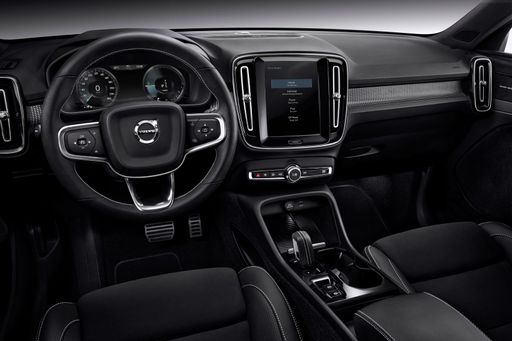
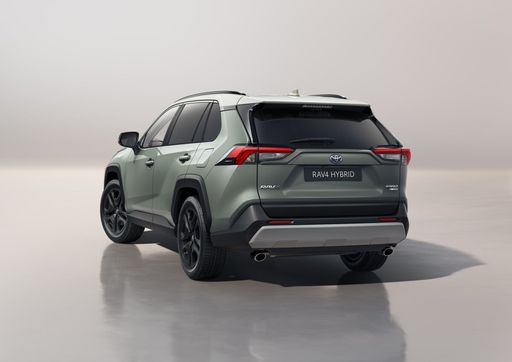
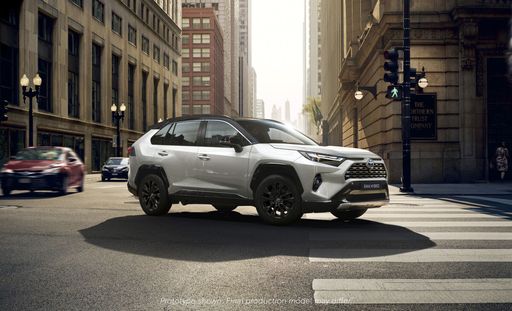
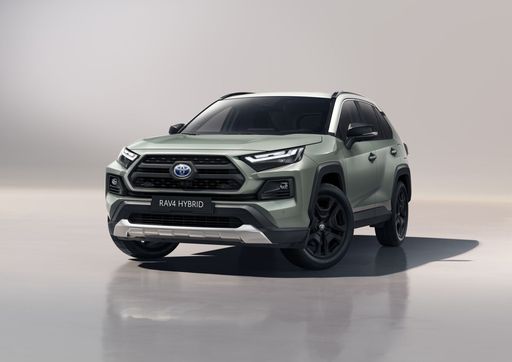
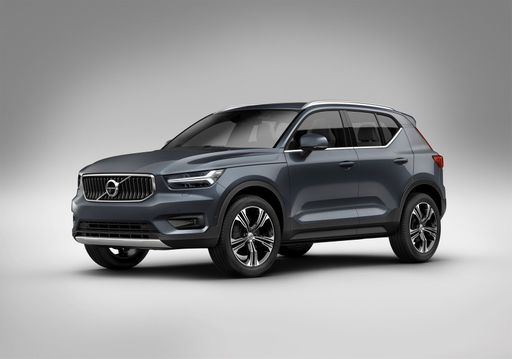
The Toyota RAV4 projects a no-nonsense, go-anywhere vibe — functional styling, chunky presence and an attitude that whispers "reliable partner" rather than "look-at-me." By contrast the Volvo XC40 feels deliberate and composed, with cleaner lines and interiors that prioritize material finesse and a modern cabin layout. The RAV4 is the scruffier sibling that promises utility, while the XC40 is the tidy, design-conscious alternative that dials up premium cues. Both have charm, but they sell very different images to passers-by and to you every morning.

XC40

Daily driving: trunk space and suburban chores vs city savvy and comfort

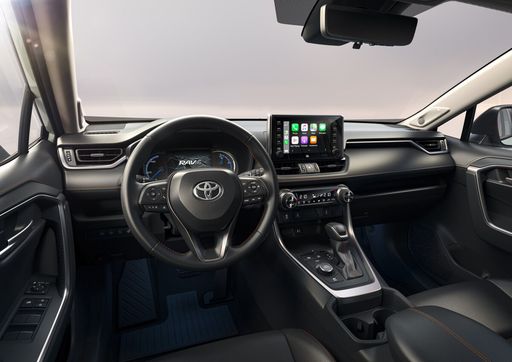
Put the Toyota RAV4 on a family grocery run and it simply behaves — roomy boot, sensible layout and the kind of ergonomics that make loading and weekend trips easy. The Volvo XC40 is at home in tighter urban spaces, with a cabin that feels quieter and more cocooned on city streets and commute runs. On longer journeys the RAV4’s utility and relaxed demeanor suit families and luggage-laden trips, while the XC40 rewards drivers who value a composed ride and a cabin that feels more luxurious. In short: RAV4 tilts toward practicality; XC40 leans toward comfort and urban sophistication.

RAV4

Buying for image: sensible credibility or design-led signaling?

Choosing the Toyota RAV4 is easy to justify to a partner or accountant — it reads as a sensible, resilient choice that puts function first. Opting for the Volvo XC40 is often more about presence and perceived refinement; it’s the pick for buyers who want a compact SUV that feels premium without shouting. The RAV4 makes sense if durability and low fuss are your currency, whereas the XC40 is a statement piece for people who value design, brand prestige and a cabin that feels special. Neither choice is frivolous — they just answer different questions about what your car should say about you.

XC40

Who should look at the Toyota RAV4?

If you tilt toward the Rational or Pragmatist side of the shopping spectrum, the Toyota RAV4 will likely sit high on your shortlist: it’s sensible, broadly useful and engineered for predictable ownership. Commuters who need a straightforward daily runner and small families who prioritise load space will appreciate the RAV4’s no-fuss utility. It’s also a solid pick for buyers who dislike constant gadget fiddling and prefer a car that stays out of the way while getting the job done. The RAV4 is the kind of choice you can explain aloud and feel good about the next morning.

RAV4

Who should consider the Volvo XC40 (and a nod back to the RAV4)

The Volvo XC40 is aimed at buyers in the Tech and Design/Brand camps — people who want a compact SUV that feels modern, premium and slightly aspirational. It’s ideal for city dwellers and style-conscious professionals who value interior quality, tech features and a quieter cabin experience more than brute practicality. If you care about the way a car makes you feel when you walk up to it, the XC40 will reward you; if you still need maximum cargo practicality, the Toyota RAV4 remains the sensible counterpoint. Dive into the detailed numbers and figures below to see exactly where those real-world differences land.

Here’s where it gets real: The technical differences in detail

XC40

Costs and Efficiency:

Price and efficiency are key factors when choosing a car – and this is often where the real differences emerge.

Toyota RAV4 is barely cheaper – starting at 35,100 £ , while the Volvo XC40 costs 36,800 £ . That’s a price difference of around 1,628 £.

Fuel consumption also shows a difference: the Toyota RAV4 uses 1 L/100km and is significantly more efficient than the Volvo XC40 with 6.5 L/100km. The difference is about 5.5 L/100km.

RAV4

Engine and Performance:

Under the bonnet, it becomes clear which model is tuned for sportiness and which one takes the lead when you hit the accelerator.

When it comes to engine power, the Toyota RAV4 offers visibly more power – delivering 306 HP compared to 197 HP. That’s roughly 109 HP more horsepower.

When accelerating from 0 to 100 km/h, the Toyota RAV4 is noticeably quicker – completing the sprint in 6 s, while the Volvo XC40 takes 7.6 s. That’s about 1.6 s quicker.

There’s no difference in top speed – both reach 180 km/h.

XC40

Space and Everyday Use:

Whether family car or daily driver – which one offers more room, flexibility and comfort?

Both vehicles offer seating for 5 people.

In terms of curb weight, Volvo XC40 is very slightly lighter – 1,688 kg compared to 1,745 kg. The difference is around 57 kg.

Looking at boot space, the Toyota RAV4 offers visibly more boot space – 580 L compared to 452 L. That’s a difference of about 128 L.

For maximum load capacity, the Toyota RAV4 offers visibly more capacity – up to 1,690 L, about 362 L more than the Volvo XC40.

When it comes to payload, the Toyota RAV4 carries moderately more – 600 kg compared to 532 kg. That’s a difference of about 68 kg.

Who wins the race in the data check?

The Toyota RAV4 is clearly superior overall in the objective data comparison.
This result only shows which model scores more points on paper – not which of the two cars feels right for you.

from £35,100
RAV4

Toyota RAV4

  • Engine Type : Full Hybrid, Plugin Hybrid
  • Transmission : Automatic
  • Drive Type : Front-Wheel Drive, All-Wheel Drive
  • Power HP : 218 - 306 HP
  • Consumption L/100km : 1 - 5.6 L/100km
  • Electric Range : 75 km
Volvo XC40
Toyota RAV4

Costs and Consumption

View detailed analysis

Engine and Performance

View detailed analysis

Dimensions and Body

View detailed analysis

Volvo XC40

The Volvo XC40 wraps Scandinavian minimalism into a compact, city-ready SUV with a premium cabin that feels both practical and grown-up. It will suit buyers who prize safety, clever storage and a composed ride, proving that small dimensions don't mean small personality.

details

Toyota RAV4

The Toyota RAV4 feels like a sensible friend on the road, marrying dependable practicality with a dash of SUV personality that keeps daily driving from turning dull. Comfortable and easy to live with, it looks tough without shouting and quietly gets the job done — a sensible pick for buyers who want versatility without drama.

details
Volvo XC40
Toyota RAV4

Costs and Consumption

Price
36,800 - 47,200 £
Price
35,100 - 55,700 £
Consumption L/100km
6.5 L/100km
Consumption L/100km
1 - 5.6 L/100km
Consumption kWh/100km
-
Consumption kWh/100km
-
Electric Range
-
Electric Range
75 km
Battery Capacity
-
Battery Capacity
-
co2
147 - 148 g/km
co2
22 - 128 g/km
Fuel tank capacity
54 L
Fuel tank capacity
55 L

Dimensions and Body

Body Type
SUV
Body Type
SUV
Seats
5
Seats
5
Doors
5
Doors
5
Curb weight
1,688 kg
Curb weight
1,745 - 1,910 kg
Trunk capacity
452 L
Trunk capacity
520 - 580 L
Length
4,425 mm
Length
4,600 mm
Width
1,863 mm
Width
1,855 mm
Height
1,652 mm
Height
1,685 mm
Max trunk capacity
1,328 L
Max trunk capacity
1,604 - 1,690 L
Payload
532 kg
Payload
390 - 600 kg

Engine and Performance

Engine Type
Petrol MHEV
Engine Type
Full Hybrid, Plugin Hybrid
Transmission
Automatic
Transmission
Automatic
Transmission Detail
Dual-Clutch Automatic
Transmission Detail
CVT
Drive Type
Front-Wheel Drive
Drive Type
Front-Wheel Drive, All-Wheel Drive
Power HP
163 - 197 HP
Power HP
218 - 306 HP
Acceleration 0-100km/h
7.6 - 8.6 s
Acceleration 0-100km/h
6 - 8.4 s
Max Speed
180 km/h
Max Speed
180 km/h
Torque
265 - 300 Nm
Torque
-
Number of Cylinders
4
Number of Cylinders
4
Power kW
120 - 145 kW
Power kW
160 - 225 kW
Engine capacity
1,969 cm3
Engine capacity
2,487 cm3

General

Model Year
2,024
Model Year
2,024 - 2,025
CO2 Efficiency Class
E
CO2 Efficiency Class
D, B
Brand
Volvo
Brand
Toyota
DriveDuel uses data analysis and artificial intelligence to evaluate vehicle data and create content. Content is regularly reviewed and improved. The displayed prices are estimates based on German list prices, adjusted to the respective country’s VAT. Country-specific registration taxes are not included. This information is not legally binding.