VS

Volvo XC60 vs BMW X3 comparison

Compare performance (455 HP vs 398 HP), boot space and price (49,200 £ vs 51,300 £ ) at a glance. Find out which car is the better choice for you – Volvo XC60 or BMW X3?

Volvo XC60 vs BMW X3: Key differences

Volvo XC60

4.8 (6 Reviews)
rate
  • only slightly cheaper
  • moderately more power
  • marginally lighter

BMW X3

4.6 (1 Reviews)
rate
  • very slightly more electric range
  • only slightly quicker 0–100 km/h
  • moderately more trunk space
XC60

The premium SUV segment is a fiercely competitive arena, with numerous brands vying for the attention of discerning buyers. Among the top contenders, the BMW X3 and Volvo XC60 stand out not only for their aesthetics but also for their technical prowess and innovative features. This comparison will explore how these two models stack up against each other in various aspects, catering to those seeking a blend of performance, luxury, and safety.
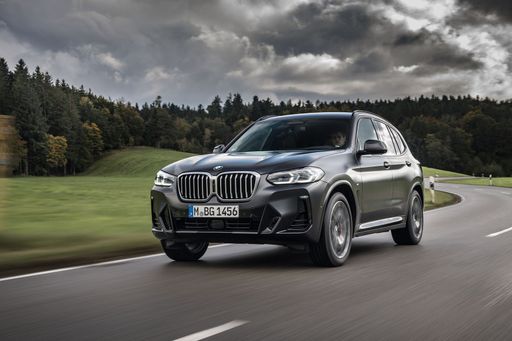
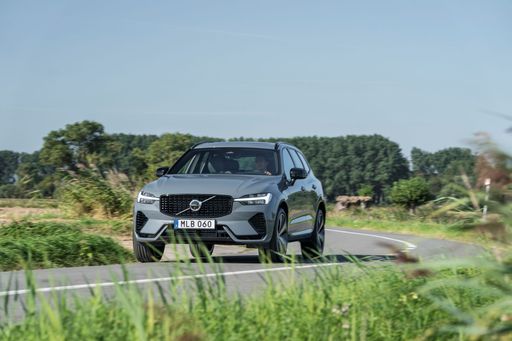
X3

Powertrains and Performance

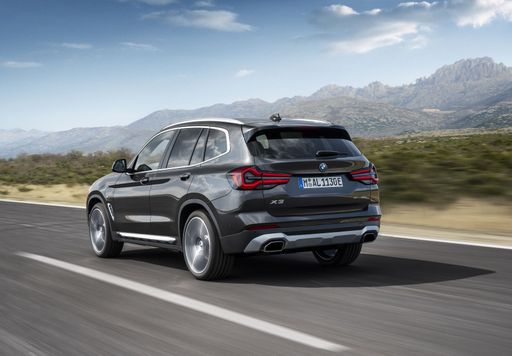
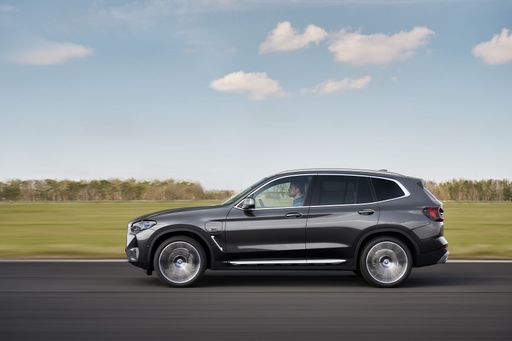
The BMW X3 offers a diverse range of powertrains, including diesel MHEVs, petrol MHEVs, plug-in hybrids, and petrol engines. With power outputs ranging from 184 to a hefty 510 HP, the X3 accommodates a broad spectrum of driving preferences. The acceleration performance is impressive, particularly with its top variant achieving 0-100 km/h in a mere 3.8 seconds.

On the other hand, the Volvo XC60 focuses primarily on petrol MHEVs and plug-in hybrids, reaching a maximum output of 455 HP. While its acceleration figures are notable, particularly the 4.9 seconds from 0-100 km/h for the most powerful variant, its top speed of 180 km/h lags behind the X3. Nevertheless, the XC60's electric range stands out, with a capability of up to 80 km on electric power alone.

XC60

Fuel Efficiency and Economy

Fuel efficiency has become a significant criterion for buyers. The BMW X3 showcases commendable figures, with models achieving consumption as low as 2.1 L/100 km for its plug-in hybrid variants. Even the traditional petrol engines are designed for efficiency, making it a strong contender in this category.

Conversely, the Volvo XC60 shares a similar commitment to efficiency, with its best models matching the low consumption metrics of the X3. Its plug-in hybrids are also lauded for low CO2 emissions, achieving as little as 22 g/km, underlining Volvo's commitment to sustainability without sacrificing power.

X3

Interior and Comfort

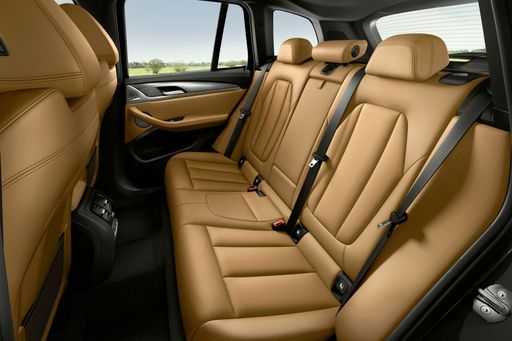
Both SUVs offer spacious interiors designed for passenger comfort and cargo versatility. The BMW X3 boasts a trunk capacity ranging from 450 to 570 liters, accommodating both luggage and everyday items with ease. The high-quality materials and attention to detail in the interior make it inviting for passengers.

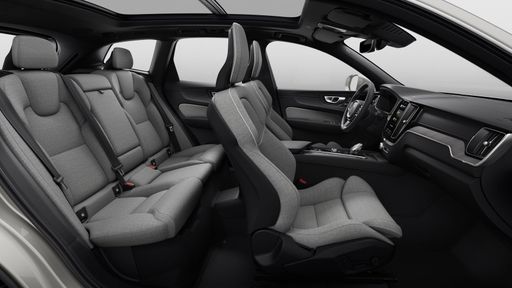
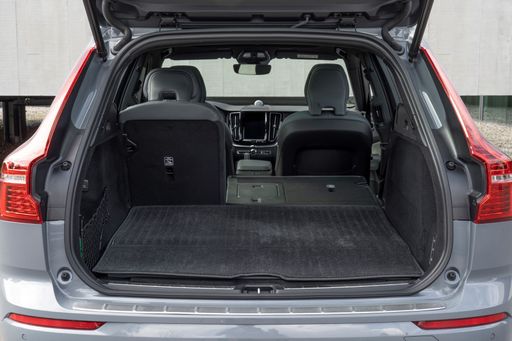
In contrast, the Volvo XC60, though slightly less spacious with trunk capacities of 468 to 483 liters, provides an equally luxurious cabin rich in Scandinavian design aesthetics. Volvo’s focus on safety and comfort is evident, ensuring that all occupants enjoy a premium experience throughout their journey.

XC60

Innovations and Technology

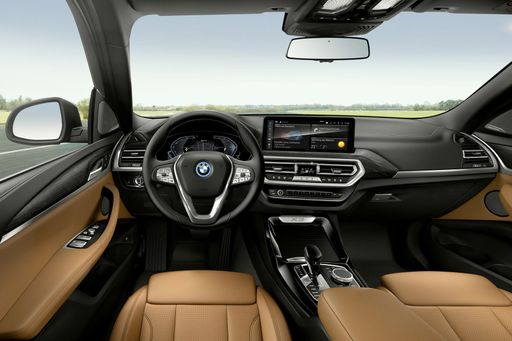
When it comes to technology, both brands have made remarkable strides. The BMW X3 incorporates the latest iDrive system with a user-friendly interface, offering features such as navigation, connectivity options, and advanced driver assistance systems. The highly customizable digital display allows drivers to seamlessly adapt the vehicle's settings to their preferences.

The Volvo XC60 takes a slightly different approach, focusing on safety innovations with its renowned Pilot Assist feature, which aids drivers during highway driving by automatically adjusting speed and positioning within the lane. The Sensus infotainment system enhances user experience through a clean, intuitive interface, ensuring that infotainment options are well-integrated without overwhelming the driver.

X3

Final Verdict

Choosing between the BMW X3 and the Volvo XC60 ultimately depends on individual priorities. For those prioritizing performance and a broader range of engine options, the X3 might be more appealing. Meanwhile, buyers seeking unparalleled safety innovations combined with a luxurious, minimalist design might lean towards the XC60.

Both vehicles represent the pinnacle of what the premium SUV segment has to offer, blending style, technology, and performance into attractive packages. The decision now rests in the hands of the consumer—what will you prioritize in your next SUV?

Here’s where it gets real: The technical differences in detail

XC60

Costs and Efficiency:

Price and efficiency are often the first things buyers look at. Here it becomes clear which model has the long-term edge – whether at the pump, the plug, or in purchase price.

Volvo XC60 is only slightly cheaper – starting at 49,200 £ , while the BMW X3 costs 51,300 £ . That’s a price difference of around 2,066 £.

Both cars consume an average of 2.8 L/100km – no difference here.

As for electric range, the BMW X3 offers very slightly more range – reaching up to 88 km, about 6 km more than the Volvo XC60.

X3

Engine and Performance:

Power, torque and acceleration are the classic benchmarks for car enthusiasts – and here, some clear differences start to show.

When it comes to engine power, the Volvo XC60 offers moderately more power – delivering 455 HP compared to 398 HP. That’s roughly 57 HP more horsepower.

When accelerating from 0 to 100 km/h, the BMW X3 is only slightly quicker – completing the sprint in 4.6 s, while the Volvo XC60 takes 4.9 s. That’s about 0.3 s quicker.

Looking at top speed, the BMW X3 is visibly faster – reaching 250 km/h, while the Volvo XC60 tops out at 180 km/h. The difference is around 70 km/h.

There’s also a difference in torque: the Volvo XC60 delivers only slightly more torque with 709 Nm compared to 670 Nm. That’s about 39 Nm more.

XC60

Space and Everyday Use:

Beyond pure performance, interior space and usability matter most in daily life. This is where you see which car is more practical and versatile.

Both vehicles offer seating for 5 people.

In terms of curb weight, Volvo XC60 is marginally lighter – 1,900 kg compared to 1,930 kg. The difference is around 30 kg.

Looking at boot space, the BMW X3 offers moderately more boot space – 570 L compared to 483 L. That’s a difference of about 87 L.

For maximum load capacity, the BMW X3 offers marginally more capacity – up to 1,700 L, about 157 L more than the Volvo XC60.

When it comes to payload, the BMW X3 carries only slightly more – 570 kg compared to 550 kg. That’s a difference of about 20 kg.

Who wins the race in the data check?

The BMW X3 is decisively ahead in the objective data comparison.
This result only shows which model scores more points on paper – not which of the two cars feels right for you.

from £51,300
X3

BMW X3

  • Engine Type : Petrol MHEV, Diesel MHEV, Plugin Hybrid
  • Transmission : Automatic
  • Drive Type : All-Wheel Drive
  • Power HP : 197 - 398 HP
  • Consumption L/100km : 2.8 - 7.7 L/100km
  • Electric Range : 88 km
Volvo XC60
BMW X3

Costs and Consumption

View detailed analysis

Engine and Performance

View detailed analysis

Dimensions and Body

View detailed analysis

Volvo XC60

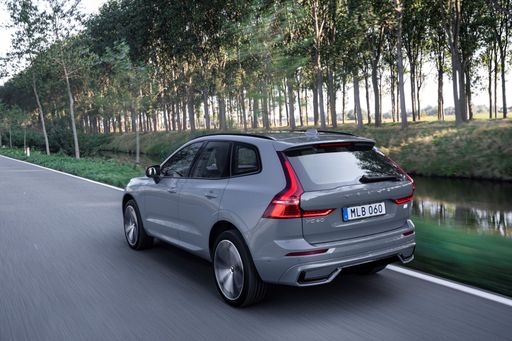
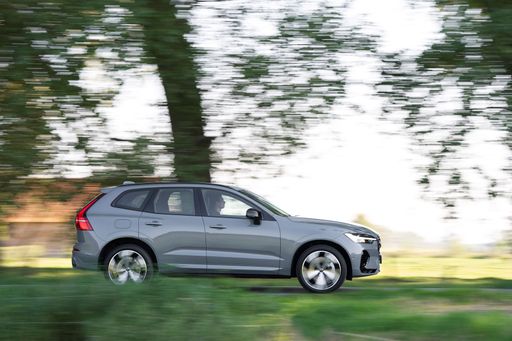
The Volvo XC60 blends Scandinavian calm with confident presence, offering a cabin that feels plush without shouting for attention. It’s a smart pick for buyers after a composed ride, clever practicality and thoughtful safety touches — it even makes running the family shuttle feel almost serene, which is a small miracle.

details

BMW X3

The BMW X3 mixes Bavarian poise with everyday practicality, delivering a composed ride and a cabin that feels both premium and lived-in. It’s the sort of SUV that lets you enjoy sporty handling without sacrificing family-friendly space, so you get fun and sense in one neat package.

details
Volvo XC60
BMW X3

Costs and Consumption

Price
49,200 - 75,100 £
Price
51,300 - 72,400 £
Consumption L/100km
2.8 - 7.5 L/100km
Consumption L/100km
2.8 - 7.7 L/100km
Consumption kWh/100km
-
Consumption kWh/100km
-
Electric Range
74 - 82 km
Electric Range
88 km
Battery Capacity
-
Battery Capacity
-
co2
64 - 169 g/km
co2
64 - 175 g/km
Fuel tank capacity
71 L
Fuel tank capacity
60 - 65 L

Dimensions and Body

Body Type
SUV
Body Type
SUV
Seats
5
Seats
5
Doors
5
Doors
5
Curb weight
1,900 - 2,150 kg
Curb weight
1,930 - 2,140 kg
Trunk capacity
468 - 483 L
Trunk capacity
460 - 570 L
Length
4,708 mm
Length
4,755 mm
Width
1,902 mm
Width
1,920 mm
Height
1,655 mm
Height
1,660 mm
Max trunk capacity
1,543 L
Max trunk capacity
1,700 L
Payload
510 - 550 kg
Payload
570 kg

Engine and Performance

Engine Type
Petrol MHEV, Plugin Hybrid
Engine Type
Petrol MHEV, Diesel MHEV, Plugin Hybrid
Transmission
Automatic
Transmission
Automatic
Transmission Detail
Automatic Gearbox
Transmission Detail
Automatic Gearbox
Drive Type
All-Wheel Drive
Drive Type
All-Wheel Drive
Power HP
250 - 455 HP
Power HP
197 - 398 HP
Acceleration 0-100km/h
4.9 - 6.9 s
Acceleration 0-100km/h
4.6 - 7.8 s
Max Speed
180 km/h
Max Speed
215 - 250 km/h
Torque
350 - 709 Nm
Torque
330 - 670 Nm
Number of Cylinders
4
Number of Cylinders
4 - 6
Power kW
184 - 335 kW
Power kW
145 - 293 kW
Engine capacity
1,969 cm3
Engine capacity
1,995 - 2,998 cm3

General

Model Year
2,025
Model Year
2,024 - 2,025
CO2 Efficiency Class
F, B
CO2 Efficiency Class
F, E, B
Brand
Volvo
Brand
BMW
DriveDuel uses data analysis and artificial intelligence to evaluate vehicle data and create content. Content is regularly reviewed and improved. The displayed prices are estimates based on German list prices, adjusted to the respective country’s VAT. Country-specific registration taxes are not included. This information is not legally binding.