VS

Volvo XC60 vs BMW X4 comparison

Compare performance (406 HP vs 510 HP), boot space and price (58,300 £ vs 51,900 £ ) at a glance. Find out which car is the better choice for you – Volvo XC60 or BMW X4?

Volvo XC60 vs BMW X4: Key differences

Volvo XC60

4.7 (7 Reviews)
rate
  • substantially more efficient
details

BMW X4

  • moderately cheaper
  • markedly more power
  • markedly quicker 0–100 km/h
  • slightly lighter
details

By Achim Sedelmaier

XC60

BMW X4 vs. Volvo XC60: The Battle of the SUVs

In the ever-evolving world of luxury SUVs, two titans stand out in the 2024 lineup: the BMW X4 and the Volvo XC60. Both models blend cutting-edge technology, innovative engineering, and aesthetic appeal. This article dives into their capabilities, dissecting the pros and cons of each to help you make an informed decision.
X4

Performance and Engine Specifications

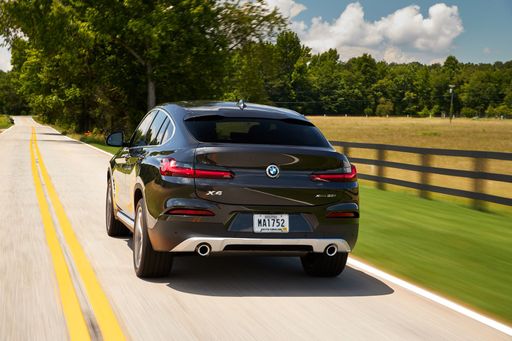
The BMW X4 delivers a range of engine options, including petrol MHEV, diesel MHEV, and pure petrol engines, ensuring versatility for different driving preferences. The X4's engines provide power outputs ranging from 184 HP to a whopping 510 HP, thanks to the option of its high-performance variant. Acceleration also varies, with the 0-100 km/h sprint being accomplished in as little as 3.8 seconds for the top-end model.

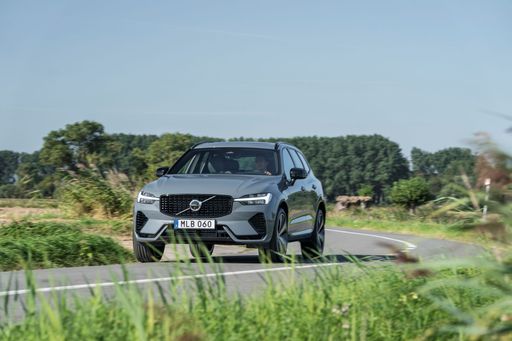
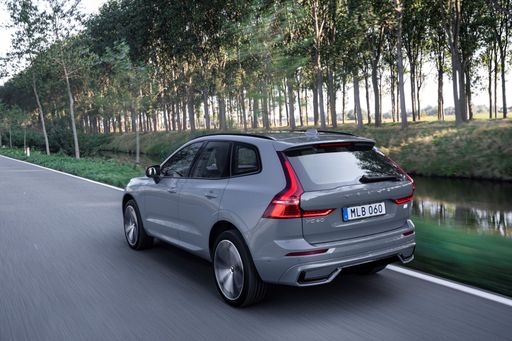
Volvo's XC60, on the other hand, impresses with its petrol MHEV and plug-in hybrid engines. It provides between 250 HP in the base model and up to 455 HP in its plug-in hybrid variant. The hybrid version achieves a remarkable 0-100 km/h in just 4.9 seconds, emphasizing its prowess in combining eco-friendliness with performance.

XC60

Efficiency and Innovations

Efficiency is a cornerstone for both brands. The X4's fuel consumption ranges between 6 L/100km for the diesel MHEV to 10.7 L/100km for the high-performance petrol engines. Volvo's XC60, particularly in its plug-in hybrid form, excels in efficiency, boasting a combined fuel consumption of just 0.9 L/100km and an electric range of 79 to 80 km.

Another groundbreaking feature of the XC60 is its impressive 14.7 kWh battery capacity, setting a benchmark in its class for eco-friendly driving.

X4

Design and Dimensions

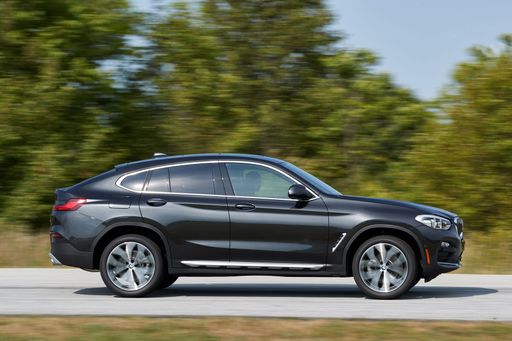
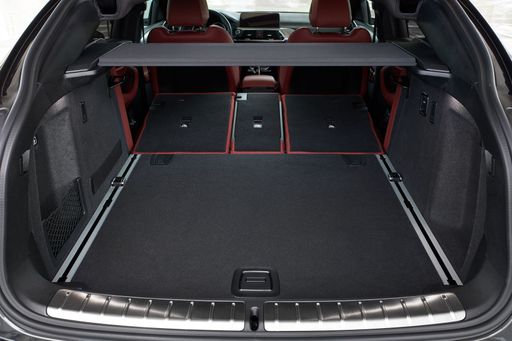
Design-wise, both SUVs maintain their brands' signatures. The BMW X4 boasts dimensions with a length of up to 4754 mm, a width of 1938 mm, and a height of 1620 mm, giving it a dynamic and sporty appearance. Its trunk capacity of 525 L ensures ample space for luggage.

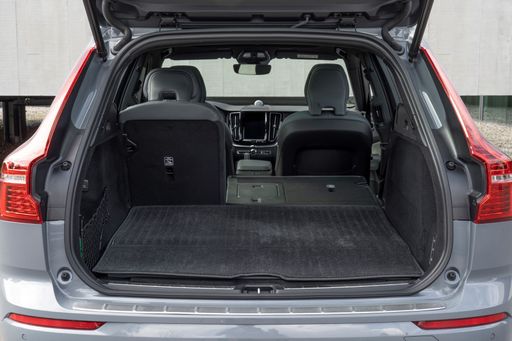
In contrast, the Volvo XC60 maintains a more practical appearance with a length of 4688 mm, width of 1902 mm, and height of 1658 mm. While slightly smaller, the luxury and design don't compromise usability, with a trunk capacity that caps at 483 L.

XC60

Sustainability and Environmental Impact

Both the BMW X4 and Volvo XC60 adopt strategies to enhance sustainability. With CO2 emissions as low as 22 g/km, the XC60’s plug-in hybrid stands as a leader in reducing environmental impact. Meanwhile, the X4 emission ranges start at 156 g/km, soaring up to 244 g/km for the sportier variants.

X4

Conclusion

Choosing between the BMW X4 and Volvo XC60 boils down to personal preferences. The BMW X4 shines with its robust engine performance and dynamic driving experience, ideal for those who crave power and agility. In contrast, the Volvo XC60 offers a harmonious blend of luxury, efficiency, and sustainability, making it a compelling choice for eco-conscious drivers yearning for an advanced hybrid lifestyle.

Whichever SUV you choose, both the BMW X4 and Volvo XC60 offer impressive packages, standing as testaments to modern engineering prowess and design excellence.

Here’s where it gets real: The technical differences in detail

XC60

Costs and Efficiency:

Looking at overall running costs, both models reveal some interesting differences in everyday economy.

BMW X4 is moderately cheaper – starting at 51,900 £ , while the Volvo XC60 costs 58,300 £ . That’s a price difference of around 6,420 £.

Fuel consumption also shows a difference: the Volvo XC60 uses 1.6 L/100km and is substantially more efficient than the BMW X4 with 6 L/100km. The difference is about 4.4 L/100km.

X4

Engine and Performance:

Power, torque and acceleration are the classic benchmarks for car enthusiasts – and here, some clear differences start to show.

When it comes to engine power, the BMW X4 offers markedly more power – delivering 510 HP compared to 406 HP. That’s roughly 104 HP more horsepower.

When accelerating from 0 to 100 km/h, the BMW X4 is markedly quicker – completing the sprint in 3.8 s, while the Volvo XC60 takes 4.9 s. That’s about 1.1 s quicker.

There’s also a difference in torque: the BMW X4 delivers very slightly more torque with 700 Nm compared to 669 Nm. That’s about 31 Nm more.

XC60

Space and Everyday Use:

Cabin size, boot volume and payload all play a role in everyday practicality. Here, comfort and flexibility make the difference.

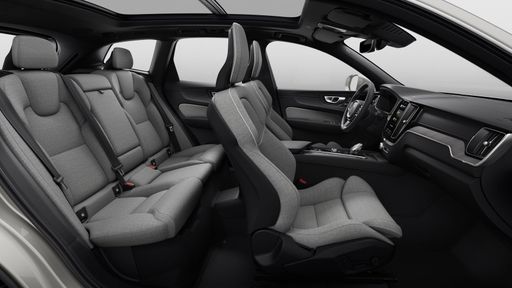
Both vehicles offer seating for 5 people.

In terms of curb weight, BMW X4 is slightly lighter – 1,875 kg compared to 2,150 kg. The difference is around 275 kg.

When it comes to payload, the BMW X4 carries barely more – 545 kg compared to 510 kg. That’s a difference of about 35 kg.

Who wins the race in the data check?

The Volvo XC60 is clearly superior overall in the objective data comparison.
This result only shows which model scores more points on paper – not which of the two cars feels right for you.

from £58,300
XC60

Volvo XC60

  • Engine Type : Plugin Hybrid
  • Transmission : Automatic
  • Drive Type : All-Wheel Drive
  • Power HP : 335 - 406 HP
  • Consumption L/100km : 1.6 L/100km
  • Electric Range : 79 km
Volvo XC60
BMW X4

Costs and Consumption

View detailed analysis

Engine and Performance

View detailed analysis

Dimensions and Body

View detailed analysis

Volvo XC60

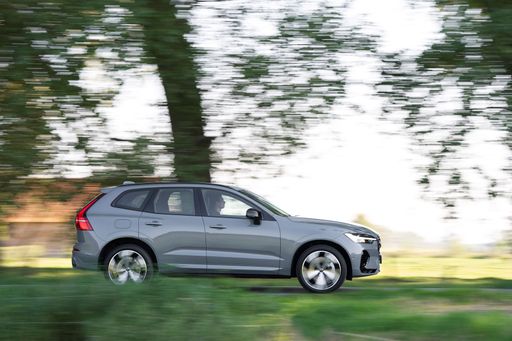
The Volvo XC60 blends Scandinavian calm with confident presence, offering a cabin that feels plush without shouting for attention. It’s a smart pick for buyers after a composed ride, clever practicality and thoughtful safety touches — it even makes running the family shuttle feel almost serene, which is a small miracle.

details

BMW X4

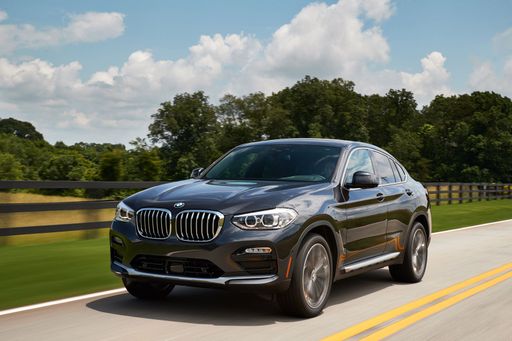
The BMW X4 blends coupe-like styling with SUV practicality, giving you a striking profile that never lets you disappear into traffic. It feels planted and keen behind the wheel, and for buyers who crave personality without sacrificing everyday usability, it’s a compelling and slightly mischievous choice.

details
Volvo XC60
BMW X4

Costs and Consumption

Price
58,300 - 71,400 £
Price
51,900 - 93,000 £
Consumption L/100km
1.6 L/100km
Consumption L/100km
6 - 10.7 L/100km
Consumption kWh/100km
-
Consumption kWh/100km
-
Electric Range
79 km
Electric Range
-
Battery Capacity
-
Battery Capacity
-
co2
59 g/km
co2
156 - 244 g/km
Fuel tank capacity
-
Fuel tank capacity
65 - 68 L

Dimensions and Body

Body Type
SUV
Body Type
SUV
Seats
5
Seats
5
Doors
-
Doors
5
Curb weight
2,150 kg
Curb weight
1,875 - 2,095 kg
Trunk capacity
-
Trunk capacity
525 L
Length
-
Length
4,751 - 4,754 mm
Width
1,902 mm
Width
1,918 - 1,938 mm
Height
-
Height
1,620 - 1,621 mm
Max trunk capacity
-
Max trunk capacity
1,430 L
Payload
510 kg
Payload
415 - 545 kg

Engine and Performance

Engine Type
Plugin Hybrid
Engine Type
Petrol MHEV, Diesel MHEV, Petrol
Transmission
Automatic
Transmission
Automatic
Transmission Detail
Automatic Gearbox
Transmission Detail
Automatic Gearbox
Drive Type
All-Wheel Drive
Drive Type
All-Wheel Drive
Power HP
335 - 406 HP
Power HP
184 - 510 HP
Acceleration 0-100km/h
4.9 - 5.7 s
Acceleration 0-100km/h
3.8 - 8.4 s
Max Speed
-
Max Speed
213 - 250 km/h
Torque
589 - 669 Nm
Torque
300 - 700 Nm
Number of Cylinders
4
Number of Cylinders
4 - 6
Power kW
247 - 299 kW
Power kW
135 - 375 kW
Engine capacity
1,969 cm3
Engine capacity
1,995 - 2,998 cm3

General

Model Year
2026
Model Year
2,023 - 2,024
CO2 Efficiency Class
B
CO2 Efficiency Class
F, G
Brand
Volvo
Brand
BMW
DriveDuel uses data analysis and artificial intelligence to evaluate vehicle data and create content. Content is regularly reviewed and improved. The displayed prices are estimates based on German list prices, adjusted to the respective country’s VAT. Country-specific registration taxes are not included. This information is not legally binding.