VS

Volvo XC60 vs Toyota RAV4 comparison

Compare performance (455 HP vs 306 HP), boot space and price (49,200 £ vs 35,100 £ ) at a glance. Find out which car is the better choice for you – Volvo XC60 or Toyota RAV4?

Volvo XC60 vs Toyota RAV4: Key differences

Volvo XC60

4.8 (6 Reviews)
rate
  • clearly more power
  • very slightly more electric range
  • noticeably quicker 0–100 km/h

Toyota RAV4

4.8 (6 Reviews)
rate
  • substantially cheaper
  • significantly more efficient
  • only slightly lighter
  • a bit more trunk space

All details on performance, efficiency, range and trunk space can be found in the technical comparison below – including user reviews for both models.

XC60

Two SUVs, Two Moods

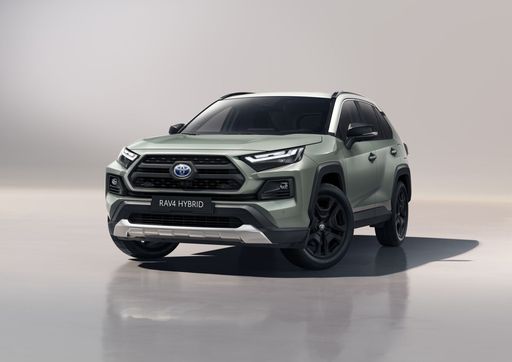
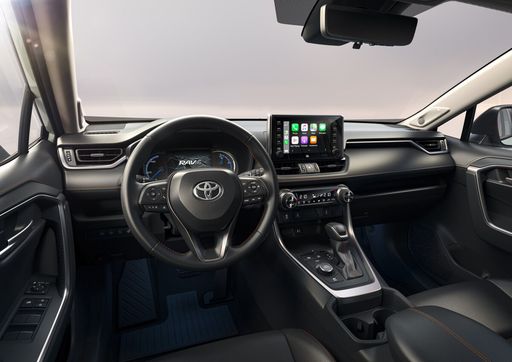
On one side there’s the Toyota RAV4 — the friendly, no-nonsense compact SUV that wants to be useful every day without drama. Opposite it stands the Volvo XC60, a calmer, more composed machine that trades a bit of bluntness for a sense of refinement and restraint. This isn’t a matchup of equals on paper; it’s a personality duel about what you want the car to do for you.

RAV4

Character Clash: Rugged Practicality vs. Quiet Refinement

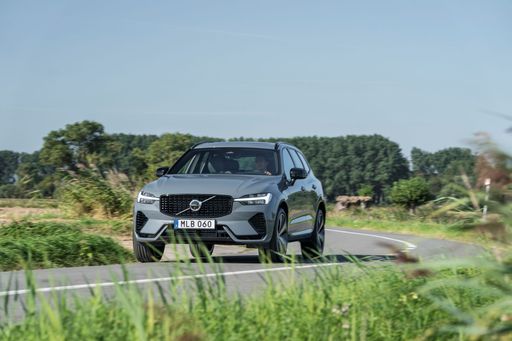
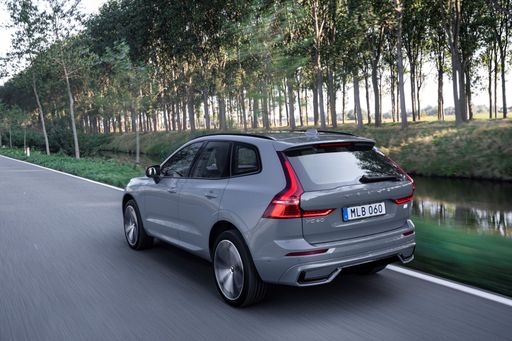
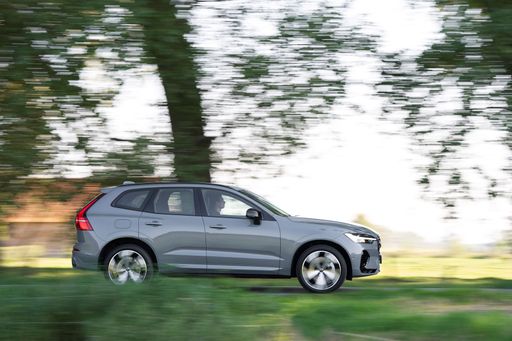
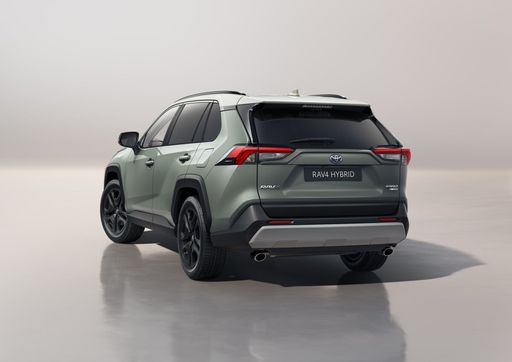
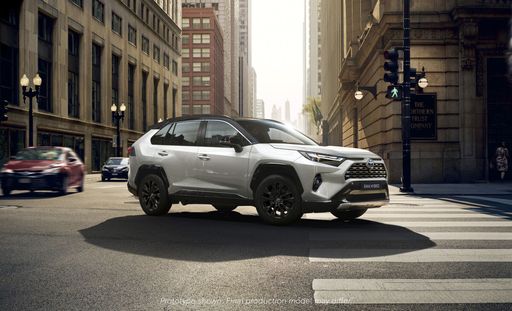
The RAV4 projects practicality: muscular angles, a get-up-and-go attitude and an emphasis on versatility that feels ready for muddy trails or a furniture run. The XC60 leans into Scandinavian poise, with softer lines and an interior that suggests a more deliberate, comfort-first approach. One shouts “ready for anything,” the other whispers “arrive composed.”

XC60

How They Live Day-to-Day

If your life is a ballet of school runs, DIY trips and spontaneous weekend escapes the RAV4’s adaptable nature and straightforward ergonomics make daily chores less fussy. The XC60, meanwhile, excels at turning commuter time into downtime with a quieter cabin and more composed ride that soothes longer stints behind the wheel. Choose the RAV4 for hustle and hauling, the XC60 for relaxed miles and polished routine.

RAV4

Buying a Car to Tell a Story

Picking the RAV4 feels like a practical statement: no wasted flash, an emphasis on usefulness and a sensible long-term play. Opting for the XC60 is as much about the tactile feeling and perceived status as it is about transport — you’re buying a calm environment and a touch of luxury. Both make a defensible case; they just tell different stories about the owner.

XC60

Who’ll Love the RAV4?

The RAV4 will click with buyers who keep a spreadsheet in one hand and a tow rope in the boot: value-minded commuters, active families, and anyone who prizes ease-of-use over fuss. It’s the choice for pragmatic people who want a dependable tool that doesn’t demand special treatment. If you like things straightforward and sensible, the RAV4 wears that badge well.

RAV4

Who’ll Lean Toward the XC60?

The XC60 is aimed at drivers who want their car to feel like a small private lounge — professionals who spend time on motorways, design-conscious families and those who prize cabin calm and brand image over brute practicality. If you admired the RAV4 for its common-sense approach but crave a softer, more cultivated daily experience, the XC60 answers that quiet invitation. Scroll on for the hard numbers if you want the full picture — the personality notes are just the opening act.

Here’s where it gets real: The technical differences in detail

XC60

Costs and Efficiency:

When it comes to price and running costs, the biggest differences usually appear. This is often where you see which car fits your budget better in the long run.

Toyota RAV4 is substantially cheaper – starting at 35,100 £ , while the Volvo XC60 costs 49,200 £ . That’s a price difference of around 14,057 £.

Fuel consumption also shows a difference: the Toyota RAV4 uses 1 L/100km and is significantly more efficient than the Volvo XC60 with 2.8 L/100km. The difference is about 1.8 L/100km.

As for electric range, the Volvo XC60 offers very slightly more range – reaching up to 82 km, about 7 km more than the Toyota RAV4.

RAV4

Engine and Performance:

Power, torque and acceleration are the classic benchmarks for car enthusiasts – and here, some clear differences start to show.

When it comes to engine power, the Volvo XC60 offers clearly more power – delivering 455 HP compared to 306 HP. That’s roughly 149 HP more horsepower.

When accelerating from 0 to 100 km/h, the Volvo XC60 is noticeably quicker – completing the sprint in 4.9 s, while the Toyota RAV4 takes 6 s. That’s about 1.1 s quicker.

There’s no difference in top speed – both reach 180 km/h.

XC60

Space and Everyday Use:

Beyond pure performance, interior space and usability matter most in daily life. This is where you see which car is more practical and versatile.

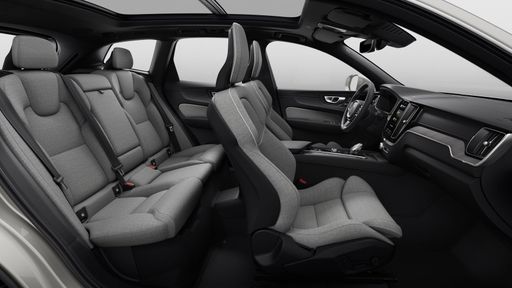
Both vehicles offer seating for 5 people.

In terms of curb weight, Toyota RAV4 is only slightly lighter – 1,745 kg compared to 1,900 kg. The difference is around 155 kg.

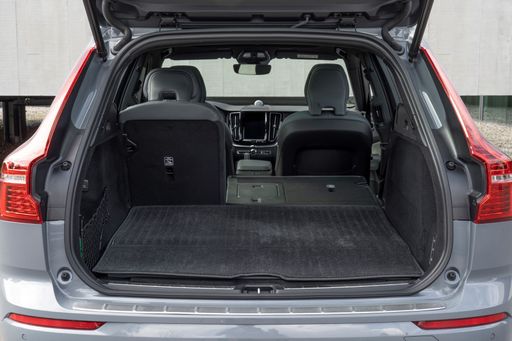
Looking at boot space, the Toyota RAV4 offers a bit more boot space – 580 L compared to 483 L. That’s a difference of about 97 L.

For maximum load capacity, the Toyota RAV4 offers barely more capacity – up to 1,690 L, about 147 L more than the Volvo XC60.

When it comes to payload, the Toyota RAV4 carries marginally more – 600 kg compared to 550 kg. That’s a difference of about 50 kg.

Who wins the race in the data check?

The Toyota RAV4 stands well ahead of its rival in the objective data comparison.
This result only shows which model scores more points on paper – not which of the two cars feels right for you.

from £35,100
RAV4

Toyota RAV4

  • Engine Type : Full Hybrid, Plugin Hybrid
  • Transmission : Automatic
  • Drive Type : Front-Wheel Drive, All-Wheel Drive
  • Power HP : 218 - 306 HP
  • Consumption L/100km : 1 - 5.6 L/100km
  • Electric Range : 75 km
Volvo XC60
Toyota RAV4

Costs and Consumption

View detailed analysis

Engine and Performance

View detailed analysis

Dimensions and Body

View detailed analysis

Volvo XC60

The Volvo XC60 blends Scandinavian calm with confident presence, offering a cabin that feels plush without shouting for attention. It’s a smart pick for buyers after a composed ride, clever practicality and thoughtful safety touches — it even makes running the family shuttle feel almost serene, which is a small miracle.

details

Toyota RAV4

The Toyota RAV4 feels like a sensible friend on the road, marrying dependable practicality with a dash of SUV personality that keeps daily driving from turning dull. Comfortable and easy to live with, it looks tough without shouting and quietly gets the job done — a sensible pick for buyers who want versatility without drama.

details
Volvo XC60
Toyota RAV4

Costs and Consumption

Price
49,200 - 75,100 £
Price
35,100 - 55,700 £
Consumption L/100km
2.8 - 7.5 L/100km
Consumption L/100km
1 - 5.6 L/100km
Consumption kWh/100km
-
Consumption kWh/100km
-
Electric Range
74 - 82 km
Electric Range
75 km
Battery Capacity
-
Battery Capacity
-
co2
64 - 169 g/km
co2
22 - 128 g/km
Fuel tank capacity
71 L
Fuel tank capacity
55 L

Dimensions and Body

Body Type
SUV
Body Type
SUV
Seats
5
Seats
5
Doors
5
Doors
5
Curb weight
1,900 - 2,150 kg
Curb weight
1,745 - 1,910 kg
Trunk capacity
468 - 483 L
Trunk capacity
520 - 580 L
Length
4,708 mm
Length
4,600 mm
Width
1,902 mm
Width
1,855 mm
Height
1,655 mm
Height
1,685 mm
Max trunk capacity
1,543 L
Max trunk capacity
1,604 - 1,690 L
Payload
510 - 550 kg
Payload
390 - 600 kg

Engine and Performance

Engine Type
Petrol MHEV, Plugin Hybrid
Engine Type
Full Hybrid, Plugin Hybrid
Transmission
Automatic
Transmission
Automatic
Transmission Detail
Automatic Gearbox
Transmission Detail
CVT
Drive Type
All-Wheel Drive
Drive Type
Front-Wheel Drive, All-Wheel Drive
Power HP
250 - 455 HP
Power HP
218 - 306 HP
Acceleration 0-100km/h
4.9 - 6.9 s
Acceleration 0-100km/h
6 - 8.4 s
Max Speed
180 km/h
Max Speed
180 km/h
Torque
350 - 709 Nm
Torque
-
Number of Cylinders
4
Number of Cylinders
4
Power kW
184 - 335 kW
Power kW
160 - 225 kW
Engine capacity
1,969 cm3
Engine capacity
2,487 cm3

General

Model Year
2,025
Model Year
2,024 - 2,025
CO2 Efficiency Class
F, B
CO2 Efficiency Class
D, B
Brand
Volvo
Brand
Toyota
DriveDuel uses data analysis and artificial intelligence to evaluate vehicle data and create content. Content is regularly reviewed and improved. The displayed prices are estimates based on German list prices, adjusted to the respective country’s VAT. Country-specific registration taxes are not included. This information is not legally binding.