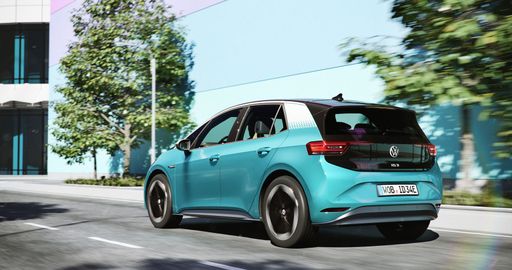
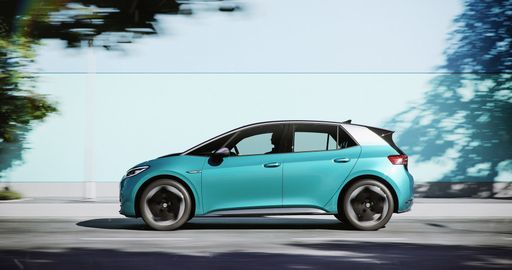
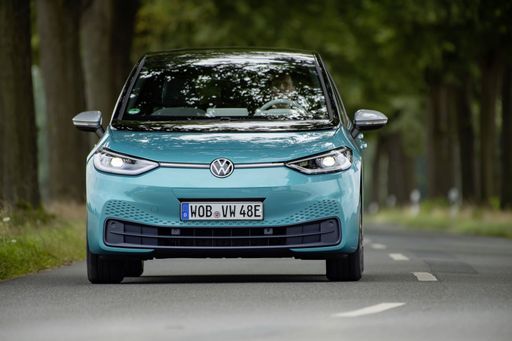
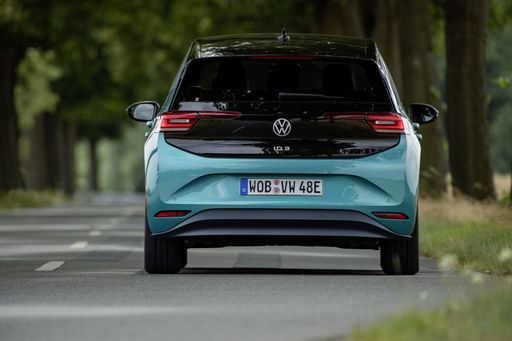
@ Volkswagen AG / VW Media
@ Polestar Automotive Holding
VS

VW ID.3 vs Polestar 2 – Performance, range & efficiency compared

Compare performance, boot capacity, efficiency and price at a glance.
Find out which car is the better choice for you – VW ID.3 or Polestar 2?

ID.3 @ Volkswagen AG / VW Media

Head-to-Head: VW ID.3 vs. Polestar 2

In the evolving landscape of electric vehicles (EVs), two contenders stand out: the VW ID.3 and the Polestar 2. Each vehicle comes with its unique set of strengths, catering to different preferences and driving styles. This comparison explores the technical aspects and innovations that define these two hatchbacks, ultimately helping you decide which one fits your needs best.
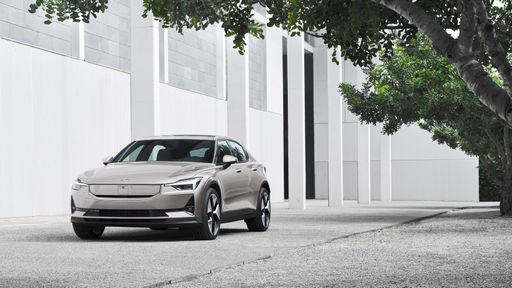
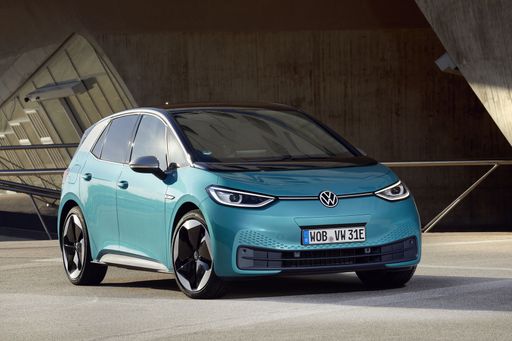
2 @ Polestar Automotive Holding

Engine Specifications and Performance

The VW ID.3 is built on a rear-wheel-drive platform and offers several power outputs ranging from 170 HP to a maximum of 326 HP, depending on the configuration. Its acceleration capabilities are impressive, with the fastest variant achieving 0-100 km/h in just 5.9 seconds. For the battery capacities, buyers can choose between options of 52 kWh to 79 kWh, guaranteeing flexibility in range and performance.

In contrast, the Polestar 2 raises the bar with its all-wheel-drive capability, featuring power outputs that top 476 HP. The acceleration is scarcely believable, with a 0-100 km/h time of just 4.2 seconds in the performance model. Featuring a robust 78 kWh battery, it also offers an impressive electric range of up to 659 km, making it a viable choice for longer trips.

ID.3 @ Volkswagen AG / VW Media

Efficient Energy Consumption

When it comes to energy consumption, the VW ID.3 is notably efficient, with figures as low as 14.5 kWh/100 km for its various configurations. This allows it a competitive electric range of up to 604 km, depending on the battery size. This efficiency is a hallmark of VW's innovative approach to electric mobility.

On the other hand, the Polestar 2 consumes slightly more at around 15.9 kWh/100 km but compensates with its superior acceleration and range. The eco-conscious driver will appreciate that both cars emit zero CO2, placing them in an excellent efficiency class.

2 @ Polestar Automotive Holding

Interior and Technology

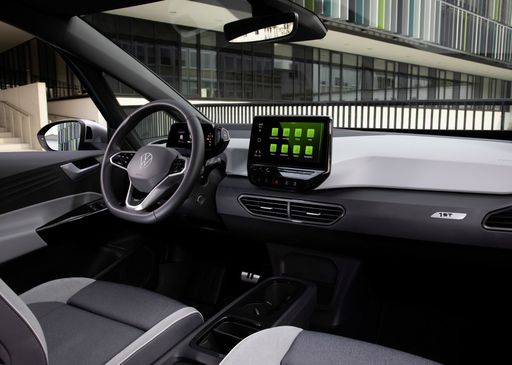
Inside the ID.3, VW has created an environment that emphasizes connectivity and comfort. It accommodates up to five passengers, with a trunk capacity of 385 liters, making it practical for everyday use and family trips. Features include an intuitive infotainment system that integrates seamlessly with smartphones and an array of advanced driver-assistance systems.

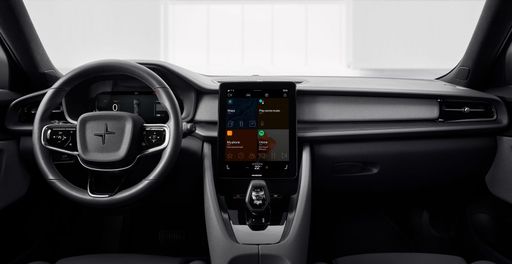
Polestar's interior, albeit similarly spacious, leans more towards a premium feel with high-quality materials and minimalist design. The Polestar 2’s trunk capacity is slightly more generous at 405 liters. Technology is at the forefront, with a large central touchscreen featuring a Google-based infotainment system, offering superior app integration and voice command capabilities.

ID.3 @ Volkswagen AG / VW Media

Dimensions and Handling

When comparing dimensions, the VW ID.3 measures 4264 mm in length, 1809 mm in width, and 1564 mm in height. This compact hatchback is easy to maneuver in urban environments. The handling is solid, balancing comfort and agility.

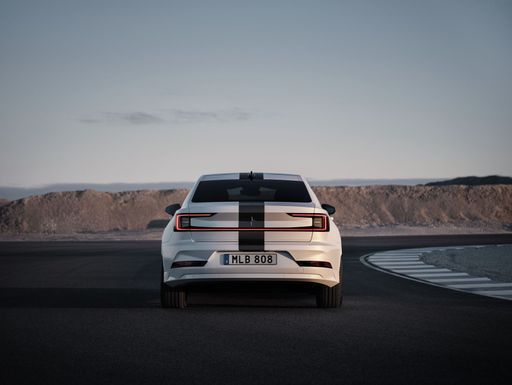
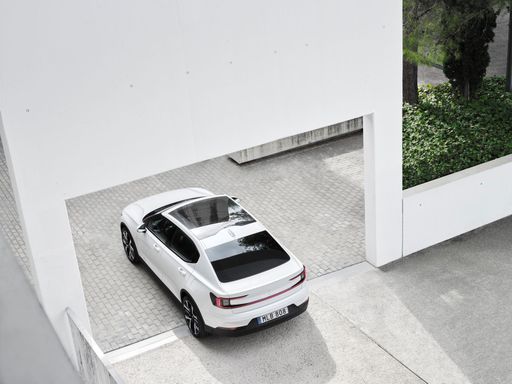
The Polestar 2 is slightly larger, coming in at 4606 mm in length and 1859 mm in width. While this might impact its parking capabilities in tight spots, it also adds to its road presence and stability at higher speeds. The ride quality is exceptional, thanks to a well-tuned suspension that strikes an excellent balance between sportiness and everyday comfort.

2 @ Polestar Automotive Holding

Conclusion: Choosing the Right EV

Both the VW ID.3 and Polestar 2 offer compelling features and innovations that cater to different segments of electric vehicle enthusiasts. If you're seeking a highly efficient and versatile hatchback, the ID.3 is a strong contender with its range and practicality. However, for those who prioritize performance and luxurious tech features, the Polestar 2 takes the crown with its superior power and premium interior.

Your choice will ultimately depend on your driving preferences and lifestyle. Regardless of your decision, both models exemplify the exciting future of electric mobility.

Here’s where it gets real: The technical differences in detail

ID.3 @ Volkswagen AG / VW Media

Costs and Efficiency:

Price and efficiency are often the first things buyers look at. Here it becomes clear which model has the long-term edge – whether at the pump, the plug, or in purchase price.

VW ID.3 has a clearly advantage in terms of price – it starts at 28600 £, while the Polestar 2 costs 42000 £. That’s a price difference of around 13423 £.

In terms of energy consumption, the advantage goes to the VW ID.3: with 14.50 kWh per 100 km, it’s hardly perceptible more efficient than the Polestar 2 with 14.80 kWh. That’s a difference of about 0.30 kWh.

As for range, the Polestar 2 performs minimal better – achieving up to 659 km, about 54 km more than the VW ID.3.

2 @ Polestar Automotive Holding

Engine and Performance:

Under the bonnet, it becomes clear which model is tuned for sportiness and which one takes the lead when you hit the accelerator.

When it comes to engine power, the Polestar 2 has a evident edge – offering 476 HP compared to 326 HP. That’s roughly 150 HP more horsepower.

In acceleration from 0 to 100 km/h, the Polestar 2 is evident quicker – completing the sprint in 4.20 s, while the VW ID.3 takes 5.70 s. That’s about 1.50 s faster.

In terms of top speed, the Polestar 2 performs slight better – reaching 205 km/h, while the VW ID.3 tops out at 200 km/h. The difference is around 5 km/h.

There’s also a difference in torque: Polestar 2 pulls clearly perceptible stronger with 740 Nm compared to 545 Nm. That’s about 195 Nm difference.

ID.3 @ Volkswagen AG / VW Media

Space and Everyday Use:

Cabin size, boot volume and payload all play a role in everyday practicality. Here, comfort and flexibility make the difference.

Both vehicles offer seating for 5 people.

In curb weight, VW ID.3 is to a small extent lighter – 1787 kg compared to 2015 kg. The difference is around 228 kg.

In terms of boot space, the Polestar 2 offers minimal more room – 405 L compared to 385 L. That’s a difference of about 20 L.

In maximum load capacity, the VW ID.3 performs a bit better – up to 1267 L, which is about 172 L more than the Polestar 2.

When it comes to payload, VW ID.3 somewhat takes the win – 473 kg compared to 421 kg. That’s a difference of about 52 kg.

Who wins the race?

The Polestar 2 proves to be leads convincingly overall and therefore becomes our DriveDuel Champion!
Polestar 2 is the better all-rounder in this comparison.

from about £42,000
2 @ Polestar Automotive Holding

Polestar 2

  • Engine Type : Electric
  • Transmission : Automatic
  • Drive Type : All-Wheel Drive, Rear-Wheel Drive
  • Power HP : 272 - 476 HP
  • Consumption kWh/100km : 14.8 - 16.8 kWh
  • Electric Range : 554 - 659 km

VW ID.3

5 (2)
rate

The VW ID.3 is a crisply styled electric hatch that masks serious practicality behind a friendly, modern face, making city runs and longer trips pleasantly fuss free. For buyers seeking a sensible, well-equipped EV that doesn't take itself too seriously, the ID.3 strikes a neat balance of comfort, tech and everyday usability with a cheeky smile.

details

Polestar 2

5 (1)
rate

Der Polestar 2 beeindruckt mit seinem klaren, skandinavischen Design und einer hochwertigen Verarbeitung, die sowohl innen als auch außen zu sehen ist. Besonders auffallend ist das futuristische Cockpit mit einem innovativen Infotainment-System, das auf Android basiert und nahtlose Konnektivität bietet. Zusätzlich bietet das Modell ein exzellentes Fahrgefühl mit dynamischen Fahreigenschaften, das selbst anspruchsvolle Fahrer begeistert.

details
VW ID.3
Polestar 2
ID.3 @ Volkswagen AG / VW Media
2 @ Polestar Automotive Holding

Costs and Consumption

Price
28600 - 49300 £
Price
42000 - 57400 £
Consumption L/100km
-
Consumption L/100km
-
Consumption kWh/100km
14.5 - 15.8 kWh
Consumption kWh/100km
14.8 - 16.8 kWh
Electric Range
383 - 605 km
Electric Range
554 - 659 km
Battery Capacity
52 - 79 kWh
Battery Capacity
78 kWh
co2
0 g/km
co2
0 g/km
Fuel tank capacity
-
Fuel tank capacity
-

Dimensions and Body

Body Type
Hatchback
Body Type
Sedan
Seats
5
Seats
5
Doors
5
Doors
5
Curb weight
1787 - 1993 kg
Curb weight
2015 - 2188 kg
Trunk capacity
385 L
Trunk capacity
405 L
Length
4264 mm
Length
4606 mm
Width
1809 mm
Width
1859 mm
Height
1564 mm
Height
1473 - 1479 mm
Max trunk capacity
1267 L
Max trunk capacity
1095 L
Payload
437 - 473 kg
Payload
375 - 421 kg

Engine and Performance

Engine Type
Electric
Engine Type
Electric
Transmission
Automatic
Transmission
Automatic
Transmission Detail
Reduction Gearbox
Transmission Detail
Reduction Gearbox
Drive Type
Rear-Wheel Drive
Drive Type
All-Wheel Drive, Rear-Wheel Drive
Power HP
170 - 326 HP
Power HP
272 - 476 HP
Acceleration 0-100km/h
5.7 - 8.2 s
Acceleration 0-100km/h
4.2 - 6.4 s
Max Speed
160 - 200 km/h
Max Speed
205 km/h
Torque
310 - 545 Nm
Torque
490 - 740 Nm
Number of Cylinders
-
Number of Cylinders
-
Power kW
125 - 240 kW
Power kW
200 - 350 kW
Engine capacity
-
Engine capacity
-

General

Model Year
2024 - 2025
Model Year
2024
CO2 Efficiency Class
A
CO2 Efficiency Class
A
Brand
VW
Brand
Polestar
Is the VW ID.3 offered with different drivetrains?

Available configurations include Rear-Wheel Drive.

The prices and data displayed are estimates based on German list prices and may vary by country. This information is not legally binding.