VS

VW ID.4 vs CUPRA Born comparison

Compare performance (340 HP vs 326 HP), boot space and price (34,600 £ vs 34,700 £ ) at a glance. Find out which car is the better choice for you – VW ID.4 or CUPRA Born?

VW ID.4 vs CUPRA Born: Key differences

VW ID.4

4.5 (7 Reviews)
rate
  • only slightly cheaper
  • very slightly more power
  • very slightly quicker 0–100 km/h
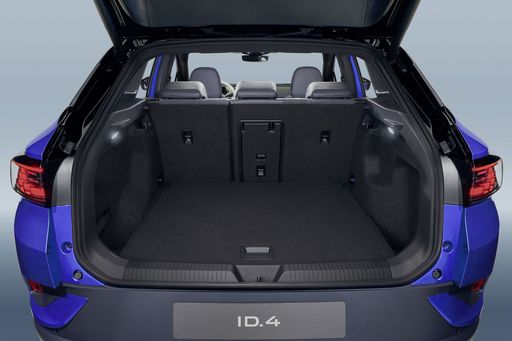
  • noticeably more trunk space

CUPRA Born

  • only slightly more efficient
  • only slightly more electric range
  • barely lighter

All details on performance, efficiency, range and trunk space can be found in the technical comparison below – including user reviews for both models.

ID.4

Electrifying Comparison: CUPRA Born vs. VW ID.4

As the automotive industry shifts towards electrification, two standout models from the Volkswagen Group have emerged: the CUPRA Born and the VW ID.4. Both vehicles represent the latest advancements in electric mobility, yet they cater to different segments of the market. In this comparative analysis, we delve into the technical specifications, innovations, and driving experiences of these electric beauties.
Born

Design and Body Type

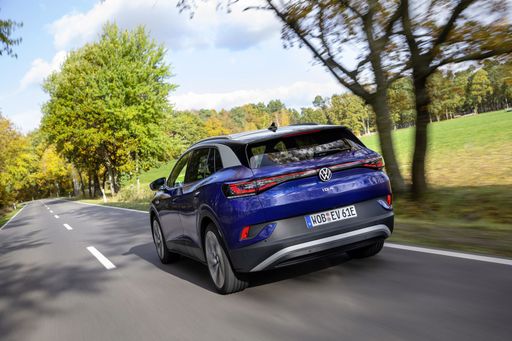
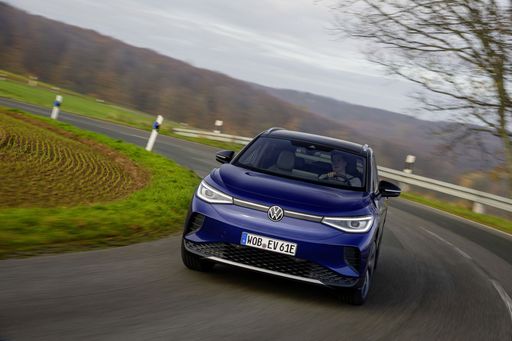
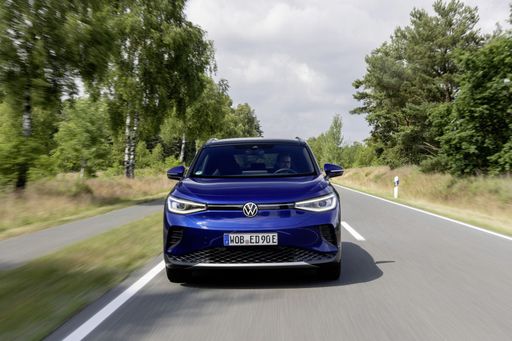
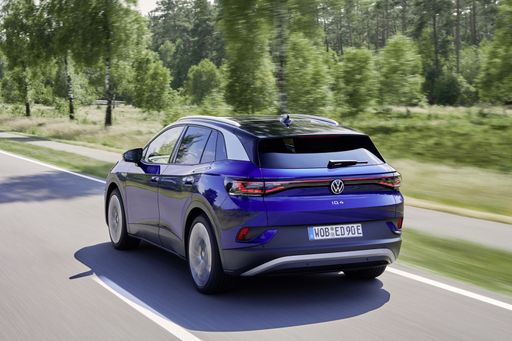
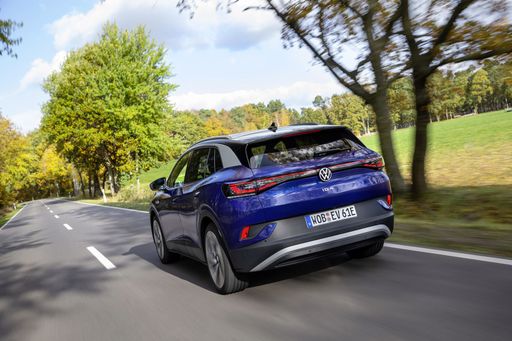
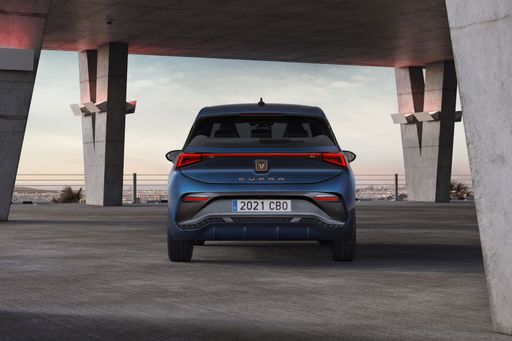
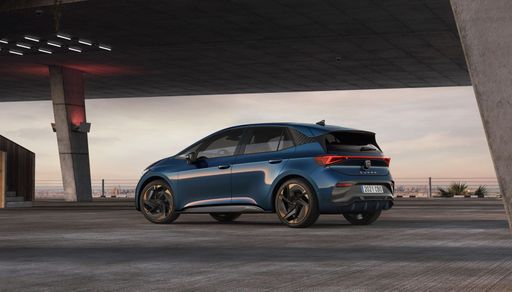
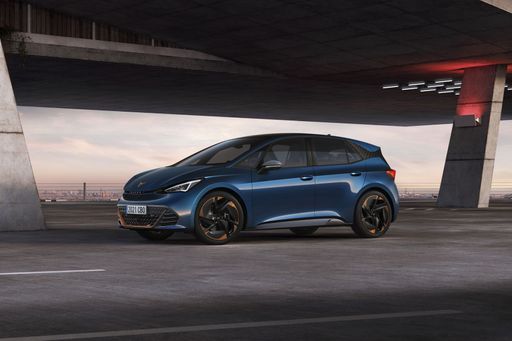
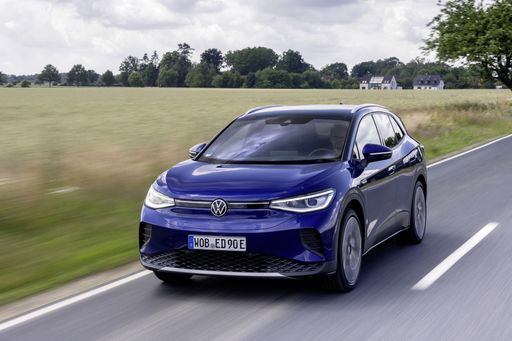
The CUPRA Born is designed as a compact hatchback, combining sporty aesthetics with electric performance. Featuring aggressive styling cues and a sleek profile, it is aimed at a younger, performance-oriented audience. In contrast, the VW ID.4 takes on the form of an SUV, offering more space and a practical approach to family transport. With its broader dimensions and higher ride height, the ID.4 is designed for those who prioritize utility alongside eco-friendliness.

ID.4

Power and Performance

Powertrain options for both models reflect the technological prowess of the Volkswagen Group. The CUPRA Born is equipped with a rear-wheel drive system and offers two power outputs: 231 hp from its entry model and a robust 326 hp variant. Acceleration is impressive, with a 0-100 km/h time of just 5.6 seconds for the performance variant.

On the other hand, the VW ID.4 provides a more varied lineup with power outputs ranging from 170 hp to 340 hp. This flexibility allows consumers to choose their preferred balance between performance and efficiency. The ID.4’s most powerful variant matches the Born’s acceleration, reaching 100 km/h in just 5.4 seconds, while its all-wheel-drive models promise additional traction and stability.

Born

Battery and Range

Range anxiety is a common concern among electric vehicle users. The CUPRA Born offers two battery capacities: 60 kWh and 77 kWh, enabling an electric range of up to 555 km. This figure is slightly lower than that of the VW ID.4, which offers a maximum range of 572 km with its 77 kWh battery. The ID.4 also includes a 52 kWh option, which while providing a lower range, caters to those who may not need extensive travel capabilities.

ID.4

Charging and Efficiency

Both models boast competitive energy consumption figures, with the CUPRA Born showing a consumption rate as low as 14.9 kWh/100 km. In comparison, the ID.4's efficiency ranges from 15.8 to 16.8 kWh/100 km, depending on the configuration. Both vehicles benefit from fast-charging technology, allowing for rapid recharge times at compatible stations, which is critical for long-distance travel.

Born

Interior Comfort and Technology

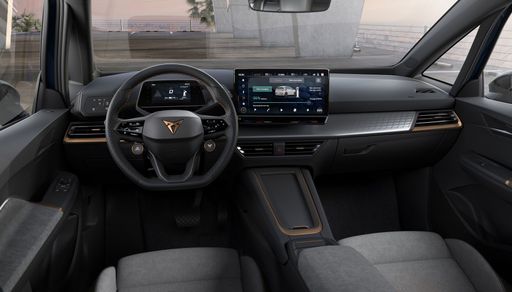
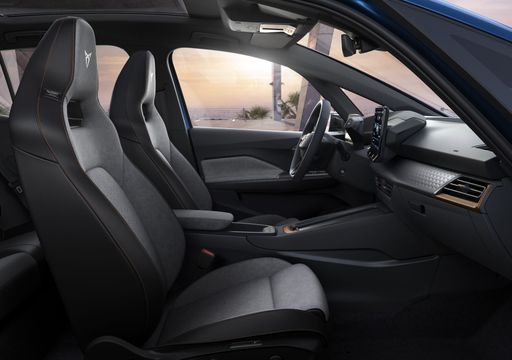
Inside, the CUPRA Born is adorned with sporty touches and high-quality materials, emphasizing its performance-oriented nature. The cabin focuses on driver engagement with a digital cockpit that showcases essential information at a glance.

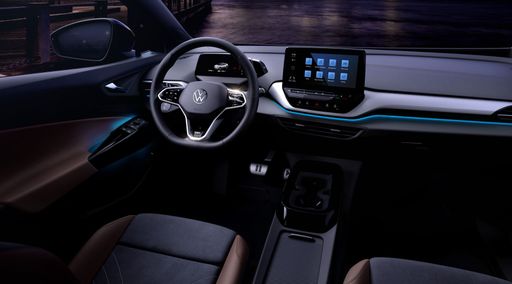
Conversely, the VW ID.4 prioritizes comfort and practicality. Its spacious interior is designed to accommodate families, with ample cargo space of up to 543 liters. Both vehicles are equipped with advanced infotainment systems and driver-assistance technologies, but the ID.4’s layout may appeal more to tech-savvy families looking for intuitive usability and connectivity features.

ID.4

Conclusion: Which One to Choose?

Ultimately, the choice between the CUPRA Born and VW ID.4 boils down to individual priorities. If you crave performance within a compact and stylish frame, the CUPRA Born is an exhilarating choice. However, if practicality, space, and a longer electric range are your main concerns, then the VW ID.4 stands out as a compelling option.

Whichever model you choose, both the CUPRA Born and the VW ID.4 represent the future of electric mobility, blending innovation with sustainable driving in a way that is sure to attract attention on the roads.

Video - VW ID.4

Video Thumbnail

Here’s where it gets real: The technical differences in detail

ID.4

Costs and Efficiency:

Price and efficiency are often the first things buyers look at. Here it becomes clear which model has the long-term edge – whether at the pump, the plug, or in purchase price.

VW ID.4 is only slightly cheaper – starting at 34,600 £ , while the CUPRA Born costs 34,700 £ . That’s a price difference of around 99 £.

In terms of energy consumption, the CUPRA Born is only slightly more efficient: consuming 14.9 kWh/100km compared to 15.6 kWh/100km for the VW ID.4. That’s a difference of about 0.7 kWh/100km.

As for electric range, the CUPRA Born offers only slightly more range – reaching up to 594 km, about 25 km more than the VW ID.4.

Born

Engine and Performance:

Under the bonnet, it becomes clear which model is tuned for sportiness and which one takes the lead when you hit the accelerator.

When it comes to engine power, the VW ID.4 offers very slightly more power – delivering 340 HP compared to 326 HP. That’s roughly 14 HP more horsepower.

When accelerating from 0 to 100 km/h, the VW ID.4 is very slightly quicker – completing the sprint in 5.4 s, while the CUPRA Born takes 5.6 s. That’s about 0.2 s quicker.

Looking at top speed, the CUPRA Born is very slightly faster – reaching 200 km/h, while the VW ID.4 tops out at 180 km/h. The difference is around 20 km/h.

There’s also a difference in torque: the VW ID.4 delivers a bit more torque with 679 Nm compared to 545 Nm. That’s about 134 Nm more.

ID.4

Space and Everyday Use:

Beyond pure performance, interior space and usability matter most in daily life. This is where you see which car is more practical and versatile.

Both vehicles offer seating for 5 people.

In terms of curb weight, CUPRA Born is barely lighter – 1,828 kg compared to 1,975 kg. The difference is around 147 kg.

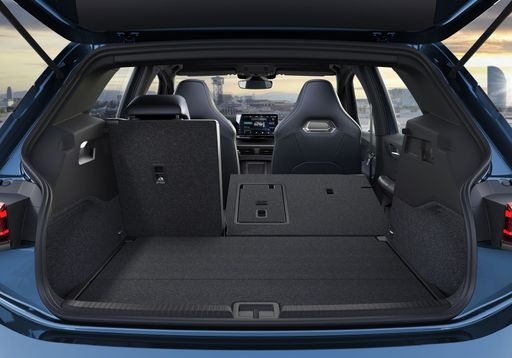
Looking at boot space, the VW ID.4 offers noticeably more boot space – 543 L compared to 385 L. That’s a difference of about 158 L.

For maximum load capacity, the VW ID.4 offers a bit more capacity – up to 1,575 L, about 308 L more than the CUPRA Born.

When it comes to payload, the VW ID.4 carries slightly more – 551 kg compared to 452 kg. That’s a difference of about 99 kg.

Who wins the race in the data check?

The VW ID.4 holds a decisive overall lead in the objective data comparison.
This result only shows which model scores more points on paper – not which of the two cars feels right for you.

from £34,600
ID.4

VW ID.4

  • Engine Type : Electric
  • Transmission : Automatic
  • Drive Type : Rear-Wheel Drive, All-Wheel Drive
  • Power HP : 170 - 340 HP
  • Consumption kWh/100km : 15.6 - 17 kWh/100km
  • Electric Range : 356 - 569 km
VW ID.4
CUPRA Born

Costs and Consumption

View detailed analysis

Engine and Performance

View detailed analysis

Dimensions and Body

View detailed analysis

VW ID.4

The VW ID.4 is a calm, roomy electric SUV that turns everyday driving into a quietly confident experience, its practical packaging and smooth manners tailored perfectly for family life. Volkswagen's solid build and intuitive interior tech mean you get electric practicality without the sci‑fi theatrics, making the ID.4 a sensible, surprisingly likable choice for most buyers.

details

CUPRA Born

The CUPRA Born blends sharp, athletic styling with a playful electric character, delivering hatchback agility and hot-hatch attitude whether you're darting through the city or cruising the open road. Inside, the cabin punches above its weight with smart materials and practical space, making it a compelling pick for buyers who want electric motoring without surrendering the grin.

details
VW ID.4
CUPRA Born

Costs and Consumption

Price
34,600 - 47,200 £
Price
34,700 - 45,300 £
Consumption L/100km
-
Consumption L/100km
-
Consumption kWh/100km
15.6 - 17 kWh/100km
Consumption kWh/100km
14.9 - 16 kWh/100km
Electric Range
356 - 569 km
Electric Range
428 - 594 km
Battery Capacity
52 - 77 kWh
Battery Capacity
79 kWh
co2
0 g/km
co2
0 g/km
Fuel tank capacity
-
Fuel tank capacity
-

Dimensions and Body

Body Type
SUV
Body Type
Hatchback
Seats
5
Seats
5
Doors
5
Doors
5
Curb weight
1,975 - 2,248 kg
Curb weight
1,828 - 1,999 kg
Trunk capacity
543 L
Trunk capacity
385 L
Length
4,582 - 4,584 mm
Length
4,324 mm
Width
1,852 mm
Width
1,809 mm
Height
1,619 - 1,634 mm
Height
1,540 mm
Max trunk capacity
1,575 L
Max trunk capacity
1,267 L
Payload
515 - 551 kg
Payload
431 - 452 kg

Engine and Performance

Engine Type
Electric
Engine Type
Electric
Transmission
Automatic
Transmission
Automatic
Transmission Detail
Reduction Gearbox
Transmission Detail
Reduction Gearbox
Drive Type
Rear-Wheel Drive, All-Wheel Drive
Drive Type
Rear-Wheel Drive
Power HP
170 - 340 HP
Power HP
204 - 326 HP
Acceleration 0-100km/h
5.4 - 9 s
Acceleration 0-100km/h
5.6 - 7.7 s
Max Speed
160 - 180 km/h
Max Speed
200 km/h
Torque
310 - 679 Nm
Torque
265 - 545 Nm
Number of Cylinders
-
Number of Cylinders
-
Power kW
125 - 250 kW
Power kW
150 - 240 kW
Engine capacity
-
Engine capacity
-

General

Model Year
2,023 - 2,025
Model Year
2,024 - 2,025
CO2 Efficiency Class
A
CO2 Efficiency Class
A
Brand
VW
Brand
CUPRA
DriveDuel uses data analysis and artificial intelligence to evaluate vehicle data and create content. Content is regularly reviewed and improved. The displayed prices are estimates based on German list prices, adjusted to the respective country’s VAT. Country-specific registration taxes are not included. This information is not legally binding.