VS

VW ID.5 vs VW Tayron comparison

Compare performance (299 HP vs 272 HP), boot space and price (37,200 £ vs 40,200 £ ) at a glance. Find out which car is the better choice for you – VW ID.5 or VW Tayron?

VW ID.5 vs VW Tayron: Key differences

VW ID.5

2.9 (2 Reviews)
rate
  • very slightly cheaper
  • marginally more power
  • significantly more electric range
details

VW Tayron

4.5 (6 Reviews)
rate
  • visibly lighter
details

All details on performance, efficiency, range and trunk space can be found in the technical comparison below – including user reviews for both models.

By Achim Sedelmaier

ID.5

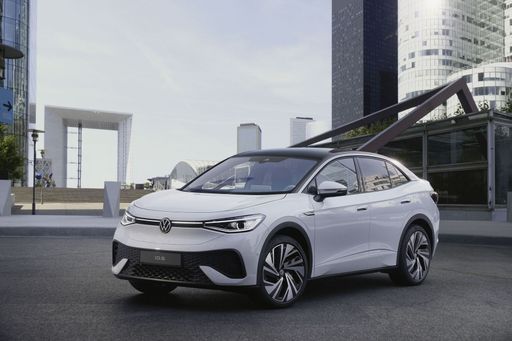
The automotive landscape is evolving rapidly, particularly in the realm of electric and hybrid vehicles. For Volkswagen, two standout models are the stylish Volkswagen ID.5 and the versatile Volkswagen Tayron. Each vehicle caters to different driving experiences and preferences, making them worthy candidates for comparison. Let's dive into their technical specifications and innovations.

Tayron

Powertrains and Performance: A Tale of Two Engines

The Volkswagen ID.5 is equipped with a fully electric powertrain, providing options of rear-wheel and all-wheel drive configurations. With a power range from 170 HP to a whopping 340 HP, the ID.5 offers a blend of efficiency and exciting performance. The fastest ID.5 can reach 100 km/h in just 5.4 seconds, showcasing its impressive acceleration. The vehicle boasts an electric range of up to 563 km, depending on the battery configuration, with a significant battery capacity of 79 kWh for optimal range.

In contrast, the Volkswagen Tayron is available with multiple powertrains, including petrol, diesel, and hybrid configurations. With options ranging from 150 HP to a robust 272 HP, the Tayron demonstrates flexibility in performance. The fastest variant can achieve 0-100 km/h in just 6.1 seconds, highlighting its dynamic capabilities. However, when it comes to fuel efficiency, the Tayron, being a combustion-engine vehicle, has a range of consumptions from 5.4 to 7.8 L/100 km, depending on the specific engine used.


ID.5

Driving Experience and Technology

The ID.5's electric setup not only delivers instant torque but also ensures a silent and smooth ride, enhancing driver comfort and reducing road noise. With technologies like adaptive cruise control and advanced connectivity features, the ID.5 embodies VW's commitment to innovation in electric mobility.

On the other hand, the Tayron integrates dual-clutch transmission for rapid gear changes, ensuring a responsive and sporty driving experience. This SUV also features advanced driver assistance systems that enhance safety and convenience. While it lacks the electric capabilities of the ID.5, the Tayron compensates with a robust engine lineup and traditional driving comforts.

Tayron

Interior Space and Comfort

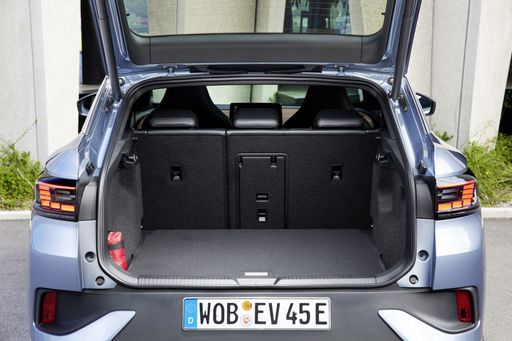
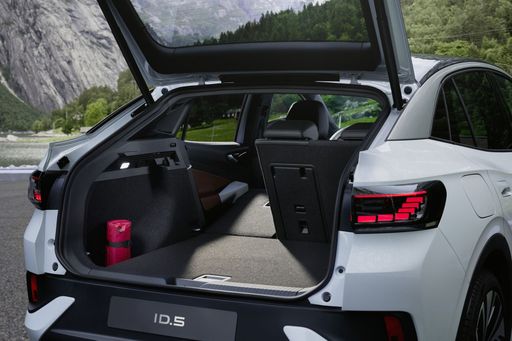
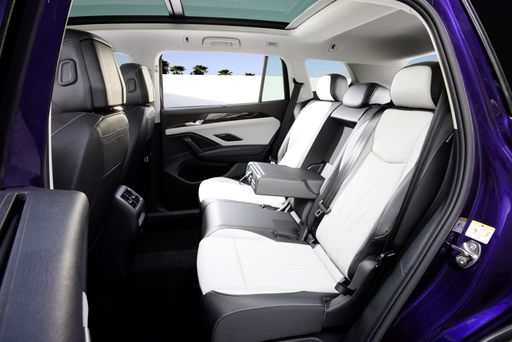
Both vehicles offer spacious interiors suitable for five passengers. The ID.5 boasts a trunk capacity of 549 liters, making it an excellent choice for families or road trips. Meanwhile, the Tayron delivers even more cargo space with a generous 885 liters, ideal for those who prioritize luggage capacity.

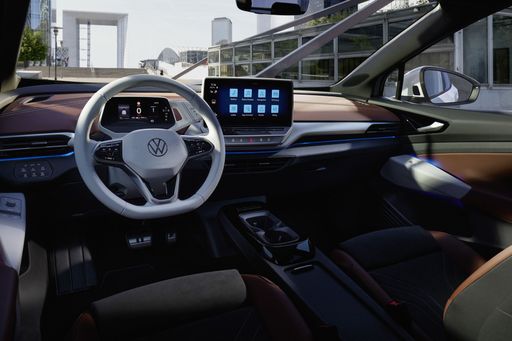
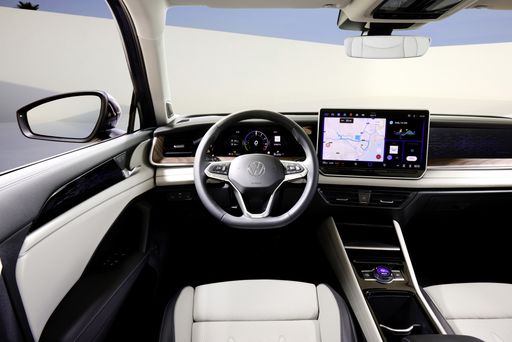
In terms of technology integration, both models come with cutting-edge infotainment systems, featuring touchscreen controls and smartphone connectivity. However, the ID.5 edges out with its minimalist and modern interior layout, emphasizing a futuristic design approach, while the Tayron retains a more traditional SUV aesthetic.

ID.5

Efficiency and Environmental Impact

One of the most significant differences lies in the environmental impact of these vehicles. The ID.5 stands out with its zero-emissions electric drive, achieving a CO2 efficiency class of A. This makes it an environmentally friendly choice for eco-conscious drivers.

The Tayron, although equipped with advanced hybrid technologies, still emits CO2 ranging from 141 to 177 g/km based on the engine variant. Therefore, while it provides options for better fuel efficiency, it does not match the ecological credentials of the fully electric ID.5.

Tayron

Conclusion: Choosing the Right VW for You

Deciding between the VW ID.5 and VW Tayron ultimately depends on individual preferences and driving needs. The ID.5 represents the future of electric vehicles with its sustainable approach, impressive range, and advanced technologies. Conversely, the Tayron caters to those who appreciate traditional fueling systems coupled with modern conveniences. Both vehicles exemplify Volkswagen's dedication to quality and innovation, setting a high bar in the automotive industry.

Here’s where it gets real: The technical differences in detail

ID.5

Costs and Efficiency:

Price and efficiency are often the first things buyers look at. Here it becomes clear which model has the long-term edge – whether at the pump, the plug, or in purchase price.

VW ID.5 is very slightly cheaper – starting at 37,200 £ , while the VW Tayron costs 40,200 £ . That’s a price difference of around 3,056 £.

As for electric range, the VW ID.5 offers significantly more range – reaching up to 571 km, about 448 km more than the VW Tayron.

Tayron

Engine and Performance:

Under the bonnet, it becomes clear which model is tuned for sportiness and which one takes the lead when you hit the accelerator.

When it comes to engine power, the VW ID.5 offers marginally more power – delivering 299 HP compared to 272 HP. That’s roughly 27 HP more horsepower.

Both models accelerate almost equally fast – 6.1 s from 0 to 100 km/h.

There’s also a difference in torque: the VW ID.5 delivers markedly more torque with 545 Nm compared to 400 Nm. That’s about 145 Nm more.

ID.5

Space and Everyday Use:

Cabin size, boot volume and payload all play a role in everyday practicality. Here, comfort and flexibility make the difference.

Both vehicles offer seating for 5 people.

In terms of curb weight, VW Tayron is visibly lighter – 1,682 kg compared to 2,051 kg. The difference is around 369 kg.

When it comes to payload, the VW Tayron carries only slightly more – 573 kg compared to 552 kg. That’s a difference of about 21 kg.

Who wins the race in the data check?

The VW ID.5 is decisively ahead in the objective data comparison.
This result only shows which model scores more points on paper – not which of the two cars feels right for you.

from £37,200
ID.5

VW ID.5

  • Engine Type Electric
  • Transmission Automatic
  • Drive Type Rear-Wheel Drive, All-Wheel Drive
  • Power HP 190 - 299 HP
  • Consumption kWh/100km 15.4 - 16.1 kWh/100km
  • Electric Range 436 - 571 km
VW ID.5
VW Tayron

Costs and Consumption

View detailed analysis

Engine and Performance

View detailed analysis

Dimensions and Body

View detailed analysis

VW ID.5

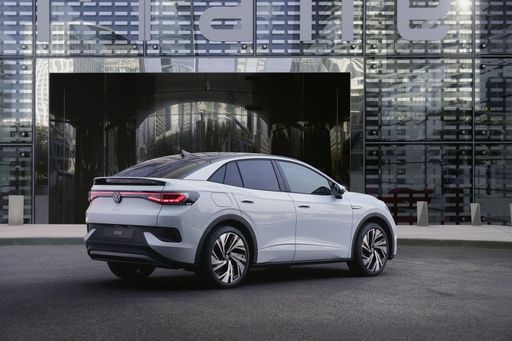
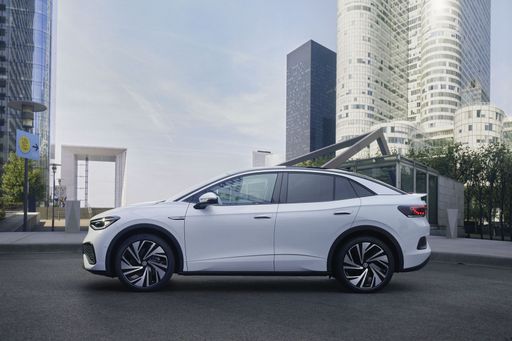
VW ID.5 dresses electric power in a sleek, coupe-like profile that turns sensible motoring into something a touch more stylish and smug. Inside it’s spacious and user-friendly, with calm, confidence-inspiring driving that suits buyers who want EV simplicity without the sci‑fi theatrics.

details

VW Tayron

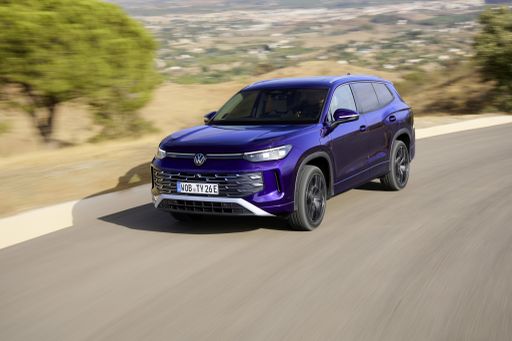
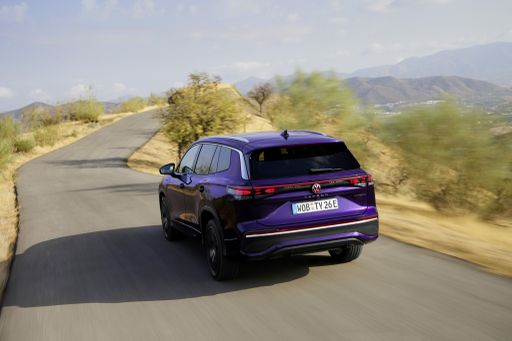
The VW Tayron combines a roomy, practical interior with a composed, comfortable ride that suits both daily commuting and longer journeys. With a restrained, modern design and a focus on straightforward tech and safety, it’s a sensible choice for buyers who want Volkswagen refinement without unnecessary flash.

details
VW ID.5
VW Tayron

Costs and Consumption

Price
37,200 - 49,300 £
Price
40,200 - 56,000 £
Consumption L/100km
-
Consumption L/100km
1.5 - 8.5 L/100km
Consumption kWh/100km
15.4 - 16.1 kWh/100km
Consumption kWh/100km
-
Electric Range
436 - 571 km
Electric Range
116 - 123 km
Battery Capacity
-
Battery Capacity
-
co2
0 g/km
co2
33 - 192 g/km
Fuel tank capacity
-
Fuel tank capacity
-

Dimensions and Body

Body Type
SUV
Body Type
SUV
Seats
5
Seats
5
Doors
-
Doors
-
Curb weight
2,051 - 2,204 kg
Curb weight
1,682 - 1,948 kg
Trunk capacity
-
Trunk capacity
705 - 885 L
Length
-
Length
-
Width
1,852 mm
Width
1,853 - 1,866 mm
Height
-
Height
-
Max trunk capacity
-
Max trunk capacity
-
Payload
529 - 552 kg
Payload
497 - 573 kg

Engine and Performance

Engine Type
Electric
Engine Type
Petrol MHEV, Diesel, Petrol, Plugin Hybrid
Transmission
Automatic
Transmission
Automatic
Transmission Detail
Reduction Gearbox
Transmission Detail
Dual-Clutch Automatic
Drive Type
Rear-Wheel Drive, All-Wheel Drive
Drive Type
Front-Wheel Drive, All-Wheel Drive
Power HP
190 - 299 HP
Power HP
150 - 272 HP
Acceleration 0-100km/h
6.1 - 8.4 s
Acceleration 0-100km/h
6.1 - 9.7 s
Max Speed
-
Max Speed
-
Torque
310 - 545 Nm
Torque
250 - 400 Nm
Number of Cylinders
-
Number of Cylinders
4
Power kW
140 - 220 kW
Power kW
110 - 200 kW
Engine capacity
-
Engine capacity
1,498 - 1,984 cm3

General

Model Year
2026
Model Year
2,025 - 2,026
CO2 Efficiency Class
A
CO2 Efficiency Class
E, F, B, G
Brand
VW
Brand
VW
DriveDuel uses data analysis and artificial intelligence to evaluate vehicle data and create content. Content is regularly reviewed and improved. The displayed prices are estimates based on German list prices, adjusted to the respective country’s VAT. Country-specific registration taxes are not included. This information is not legally binding.