VS

VW ID.7 vs CUPRA Tavascan comparison

Compare performance (340 HP vs 340 HP), boot space and price (46,400 £ vs 45,700 £ ) at a glance. Find out which car is the better choice for you – VW ID.7 or CUPRA Tavascan?

VW ID.7 vs CUPRA Tavascan: Key differences

VW ID.7

4 (4 Reviews)
rate
  • a bit more efficient
  • noticeably more electric range
  • very slightly quicker 0–100 km/h
details

CUPRA Tavascan

4.4 (2 Reviews)
rate
  • marginally cheaper
  • barely lighter
  • very slightly more trunk space
details

All details on performance, efficiency, range and trunk space can be found in the technical comparison below – including user reviews for both models.

By Achim Sedelmaier

ID.7

The automotive landscape is rapidly evolving, with electric vehicles (EVs) gaining prominence among consumers. In this comparison, we dive into two notable contenders: the CUPRA Tavascan and the VW ID.7. Both vehicles showcase impressive specifications and innovative technology, appealing to a wide range of automotive enthusiasts and eco-conscious drivers alike.
Tavascan

Design and Body Type

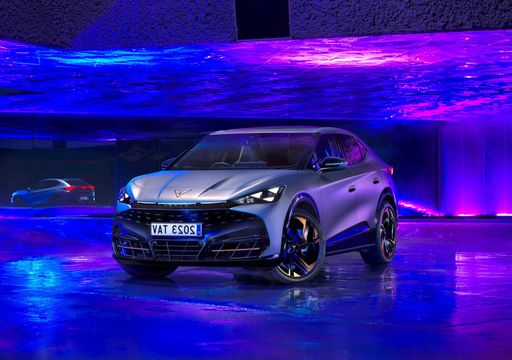
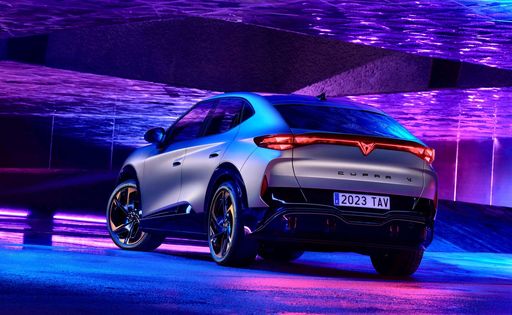
The CUPRA Tavascan boasts an SUV body type that combines rugged looks with a sporty aesthetic. With dimensions of 4644 mm in length, 1861 mm in width, and 1597 mm in height, the Tavascan is designed for both comfort and commanding presence on the road.

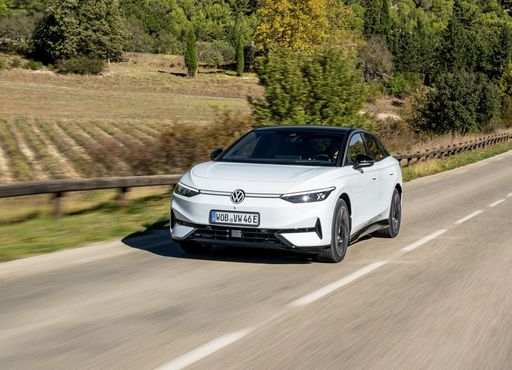
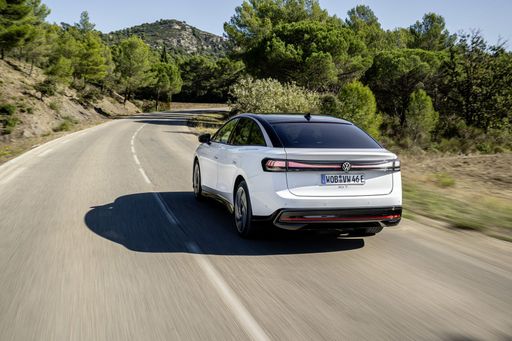
In contrast, the VW ID.7 takes the form of a hatchback, which provides a dynamic yet practical option for urban driving. Measuring 4961 mm in length, 1862 mm in width, and 1536 mm in height, the ID.7 delivers a sleek profile that fits seamlessly into city environments while offering ample space for passengers and cargo.

ID.7

Power and Performance

Performance-wise, both the Tavascan and the ID.7 offer rear-wheel and all-wheel drive options. The base models of both vehicles produce up to 286 HP (210 kW) and feature an impressive torque rating of 545 Nm. For those seeking even more power, higher trims can reach 340 HP (250 kW) with a torque of 679 Nm.

When it comes to acceleration, the VW ID.7 slightly edges out its competitor, with a 0-100 km/h time of 6.5 seconds compared to the Tavascan's 6.8 seconds. However, both models are capable of reaching a top speed of 180 km/h, ensuring they provide a thrilling driving experience.

Tavascan

Range and Efficiency

Range and energy consumption are crucial factors in the EV sector. The CUPRA Tavascan features a battery capacity of 77 kWh, with a range of up to 569 km. Its efficiency is notable, with energy consumption rated at 15.2-16.5 kWh/100 km.

The VW ID.7 takes the lead with an optional 86 kWh battery that extends the range up to 709 km on a single charge. With energy consumption between 13.6-16.2 kWh/100 km, the ID.7 impresses with its ability to deliver longer journeys without the constant need for recharging.

ID.7

Interior and Comfort

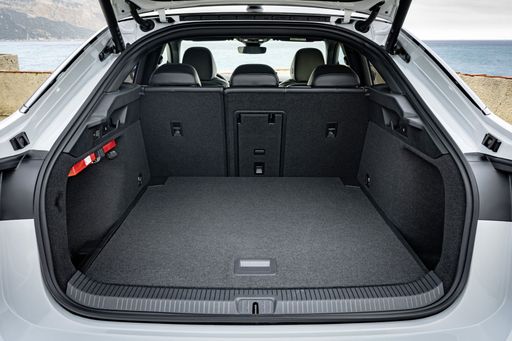
Both vehicles provide seating for up to five passengers, with the CUPRA Tavascan offering a trunk capacity of 540 liters, ensuring ample space for cargo. The ID.7, while slightly smaller at 532 liters, still provides practical storage options for everyday use.

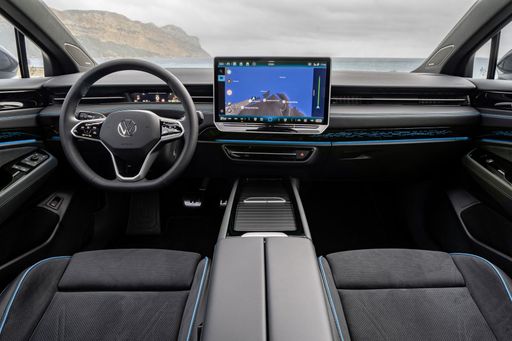
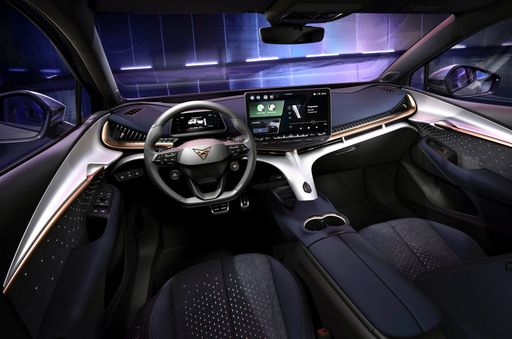
Interior design in both models reflects a modern approach, focusing on driver engagement and passenger comfort. The CUPRA Tavascan combines sporty styling with high-quality materials, while the VW ID.7 emphasizes a minimalist aesthetic that prioritizes functionality.

Tavascan

Innovation and Technology

Innovation is at the core of both the CUPRA Tavascan and VW ID.7. CUPRA channels its sporty essence into advanced driver-assistance systems, customizable ambient lighting, and entertainment features designed for connectivity and ease of use.

The VW ID.7, on the other hand, is equipped with an intuitive digital cockpit that integrates seamlessly with the driver’s needs, showcasing cutting-edge technology in infotainment and vehicle management. Both vehicles emphasize safety, with features like lane-keeping assist and adaptive cruise control enhancing the driving experience.

ID.7

Conclusion: CUPRA Tavascan vs. VW ID.7

Choosing between the CUPRA Tavascan and the VW ID.7 ultimately comes down to personal preference. The Tavascan appeals to those seeking a sportier SUV silhouette, while the ID.7 provides a sleek, practical hatchback for urban settings. With impressive power, range, and innovative technology, both vehicles are exemplary representations of the future of electric mobility.

Here’s where it gets real: The technical differences in detail

ID.7

Costs and Efficiency:

Price and efficiency are key factors when choosing a car – and this is often where the real differences emerge.

CUPRA Tavascan is marginally cheaper – starting at 45,700 £ , while the VW ID.7 costs 46,400 £ . That’s a price difference of around 655 £.

In terms of energy consumption, the VW ID.7 is a bit more efficient: consuming 13.6 kWh/100km compared to 15.9 kWh/100km for the CUPRA Tavascan. That’s a difference of about 2.3 kWh/100km.

As for electric range, the VW ID.7 offers noticeably more range – reaching up to 708 km, about 155 km more than the CUPRA Tavascan.

Tavascan

Engine and Performance:

Power, torque and acceleration say a lot about how a car feels on the road. This is where you see which model delivers more driving dynamics.

Both models deliver identical power – 340 HP each.

When accelerating from 0 to 100 km/h, the VW ID.7 is very slightly quicker – completing the sprint in 5.4 s, while the CUPRA Tavascan takes 5.5 s. That’s about 0.1 s quicker.

There’s no difference in top speed – both reach 180 km/h.

Both models offer the same torque – 679 Nm.

ID.7

Space and Everyday Use:

Beyond pure performance, interior space and usability matter most in daily life. This is where you see which car is more practical and versatile.

Both vehicles offer seating for 5 people.

In terms of curb weight, CUPRA Tavascan is barely lighter – 2,178 kg compared to 2,180 kg. The difference is around 2 kg.

Looking at boot space, the CUPRA Tavascan offers very slightly more boot space – 540 L compared to 532 L. That’s a difference of about 8 L.

When it comes to payload, the CUPRA Tavascan carries somewhat more – 522 kg compared to 465 kg. That’s a difference of about 57 kg.

Who wins the race in the data check?

The VW ID.7 shows a few small advantages in the objective data comparison.
This result only shows which model scores more points on paper – not which of the two cars feels right for you.

from £46,400
ID.7

VW ID.7

  • Engine Type : Electric
  • Transmission : Automatic
  • Drive Type : Rear-Wheel Drive, All-Wheel Drive
  • Power HP : 286 - 340 HP
  • Consumption kWh/100km : 13.6 - 16.2 kWh/100km
  • Electric Range : 594 - 708 km
VW ID.7
CUPRA Tavascan

Costs and Consumption

View detailed analysis

Engine and Performance

View detailed analysis

Dimensions and Body

View detailed analysis

VW ID.7

VW ID.7 arrives as Volkswagen's electric grand tourer, pairing a low-slung, aerodynamic silhouette with a calm, understated interior that prioritizes comfort and space. It’s a sensible choice for buyers who want a relaxed, high-tech cruiser that covers motorway miles with poise rather than bravado.

details

CUPRA Tavascan

The CUPRA Tavascan is a striking electric crossover that blends aggressive, sporty design with surprising everyday practicality, pairing a coupe-like silhouette with SUV versatility. It feels lively and engaging on the road while offering premium touches inside, making it a compelling choice for buyers who want attitude without sacrificing comfort.

details
VW ID.7
CUPRA Tavascan

Costs and Consumption

Price
46,400 - 54,200 £
Price
45,700 - 49,600 £
Consumption L/100km
-
Consumption L/100km
-
Consumption kWh/100km
13.6 - 16.2 kWh/100km
Consumption kWh/100km
15.9 - 17.1 kWh/100km
Electric Range
594 - 708 km
Electric Range
513 - 553 km
Battery Capacity
77 - 86 kWh
Battery Capacity
77 kWh
co2
0 g/km
co2
0 g/km
Fuel tank capacity
-
Fuel tank capacity
-

Dimensions and Body

Body Type
Hatchback
Body Type
SUV
Seats
5
Seats
5
Doors
5
Doors
5
Curb weight
2,180 - 2,325 kg
Curb weight
2,178 - 2,273 kg
Trunk capacity
532 L
Trunk capacity
540 L
Length
4,961 mm
Length
4,644 mm
Width
1,862 mm
Width
1,861 mm
Height
1,535 - 1,536 mm
Height
1,597 mm
Max trunk capacity
1,586 L
Max trunk capacity
-
Payload
460 - 465 kg
Payload
507 - 522 kg

Engine and Performance

Engine Type
Electric
Engine Type
Electric
Transmission
Automatic
Transmission
Automatic
Transmission Detail
Reduction Gearbox
Transmission Detail
Reduction Gearbox
Drive Type
Rear-Wheel Drive, All-Wheel Drive
Drive Type
Rear-Wheel Drive, All-Wheel Drive
Power HP
286 - 340 HP
Power HP
286 - 340 HP
Acceleration 0-100km/h
5.4 - 6.6 s
Acceleration 0-100km/h
5.5 - 6.8 s
Max Speed
180 km/h
Max Speed
180 km/h
Torque
545 - 679 Nm
Torque
545 - 679 Nm
Number of Cylinders
-
Number of Cylinders
-
Power kW
210 - 250 kW
Power kW
210 - 250 kW
Engine capacity
-
Engine capacity
-

General

Model Year
2,023 - 2,024
Model Year
2024
CO2 Efficiency Class
A
CO2 Efficiency Class
A
Brand
VW
Brand
CUPRA
DriveDuel uses data analysis and artificial intelligence to evaluate vehicle data and create content. Content is regularly reviewed and improved. The displayed prices are estimates based on German list prices, adjusted to the respective country’s VAT. Country-specific registration taxes are not included. This information is not legally binding.