VS

VW ID.Polo vs Kia EV2 comparison

Compare performance (226 HP vs 147 HP), boot space and price (21,400 £ vs 22,800 £ ) at a glance. Find out which car is the better choice for you – VW ID.Polo or Kia EV2?

VW ID.Polo vs Kia EV2: Key differences

VW ID.Polo

4.6 (1 Reviews)
rate
  • marginally cheaper
  • noticeably more power
  • a bit more efficient
  • only slightly more electric range
  • visibly quicker 0–100 km/h
  • very slightly lighter
details

Kia EV2

3.8 (1 Reviews)
rate
details

All details on performance, efficiency, range and trunk space can be found in the technical comparison below – including user reviews for both models.

By Achim Sedelmaier

ID.Polo

Overview — Kia EV2 VS VW ID.Polo: what these two compact electrics promise

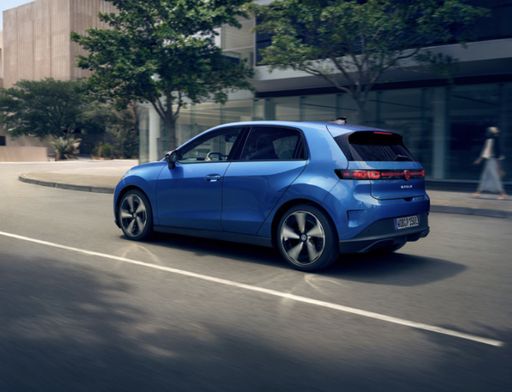
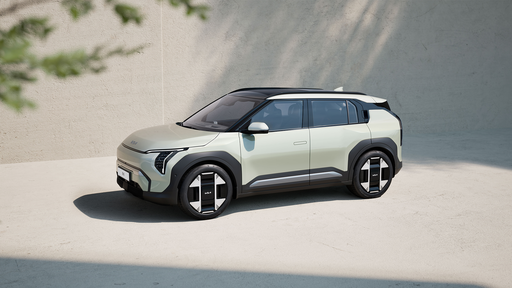
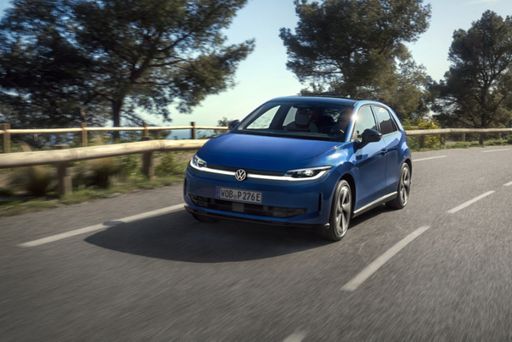
The Kia EV2 and the VW ID.Polo present two distinct takes on everyday electric motoring in the compact segment, and the choice between them is about character as much as specification. The Kia EV2 reads as a compact B‑SUV that prioritises calmness, interior flexibility and a comfortable driving posture, while the VW ID.Polo is a traditional hatchback that punches above its class for boot space, efficiency and a tidy, familiar cockpit. In everyday terms the EV2 feels like a small, grown‑up SUV that soothes the miles, whereas the ID.Polo feels more like a sharply packaged commuter that gets more done with less fuss. Those different starting points shape everything from seat height and boot usability to how often you’ll stop to charge on a long run, so the right pick depends on the type of daily driving you do. Below we break down character, comfort, practicality and city friendliness to make those trade‑offs concrete before you dive into the numbers.
EV2

Character and driving feel

The Kia EV2 is tuned for a soft, relaxed drive: suspension irons out imperfections, steering is light and acceleration is steady rather than eager, which suits relaxed commuting and motorway cruising. The VW ID.Polo leans a little more toward precision and responsiveness; its steering and drivetrain deliver a snappier, more confident impression when you need to overtake or hustle through traffic. That difference means the EV2 feels less demanding and more forgiving for everyday drivers, while the ID.Polo rewards anyone who wants a bit more engagement without sacrificing refinement. If you favour serenity and a composed on‑road personality choose the EV2; if you prefer a compact car with brisker responses, the ID.Polo will feel more rewarding. Either way, neither is aimed at the sporty fringe—these are practical, composed electric cars with different flavours of composure.

ID.Polo

Comfort and long‑distance behaviour

On longer runs the Kia EV2’s noise insulation and cushioned ride give it a somewhat larger‑car feel, so it’s easier to cover miles without fatigue and the cabin feels pleasantly hushed. The VW ID.Polo is also surprisingly composed for its size and returns a confident, mature ride; it masks speed and road noise very effectively for a hatchback. Where they diverge is in how much reserve you’ll want for sustained motorway stints: the EV2 makes sense for relaxed long trips especially with the larger battery option, while the ID.Polo’s more efficient drivetrain and available bigger battery in certain trims tend to reduce charging stops for many users. Practical items like seat comfort, wind noise and steady cruise behavior tilt slightly toward the EV2 for cushioned serenity, but the Polo’s efficiency and composed chassis keep it competitive on longer distances. In short: pick the EV2 if absolute cruising comfort matters most, and the ID.Polo if you prefer a compact package that travels efficiently and confidently.

Practicality and cabin usability

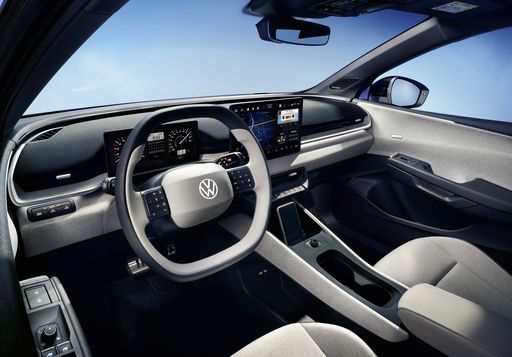
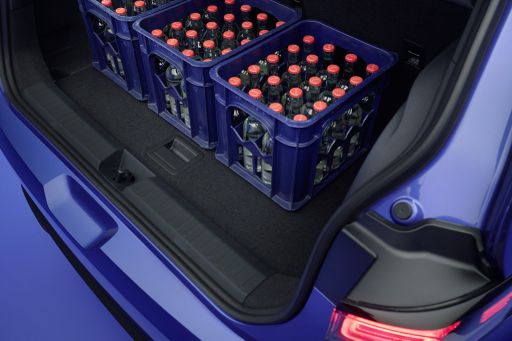
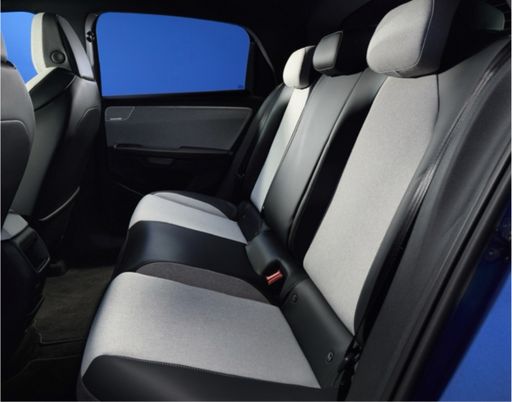
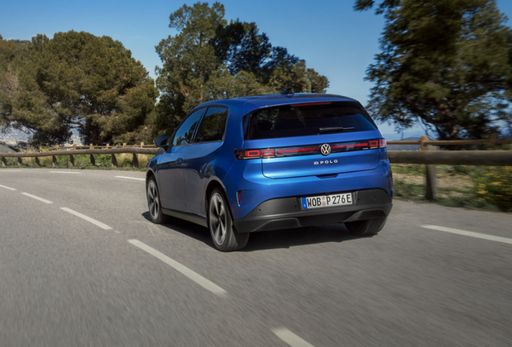
Practical differences are where the VW ID.Polo often surprises: it delivers a larger, deeper boot and smart underfloor storage that makes loading day‑to‑day life noticeably easier than you’d expect from a small hatch. The Kia EV2 answers with clever interior flexibility—options like sliding rear seats and a variable load floor give it a utility edge that pays off for families or irregularly shaped cargo. Cabin quality feels a touch more premium in the ID.Polo with softer surfaces and a familiar VW ergonomics layout, while the EV2 focuses on simple, sensible controls and useful physical climate buttons that are easy to operate on the move. The EV2’s boot has a higher lip and the frunk isn’t consistently available across trims, whereas the Polo’s luggage area is purposefully designed for easy use, which will matter to buyers who load and unload frequently. Both cabins are well thought through, but they solve packaging in different ways: EV2 for flexibility, ID.Polo for clear, volumetric practicality.

City friendliness and everyday charging

In town the Kia EV2’s higher seating, excellent outward visibility and short turning circle make it particularly easy to manoeuvre and park, and its gentle regenerative braking helps single‑pedal driving feel natural. The VW ID.Polo’s compact footprint and precise pedal feel also make it an excellent city companion, with tidy visibility and a one‑pedal setup that stops smoothly when you want it to. Charging behaviour plays a practical role in daily life: the EV2’s optional faster AC charging lowers dwell time at public or workplace chargers, while the ID.Polo tends to rely on a more modest AC rate but compensates with real‑world efficiency and strong usable boot space for weekend kit. V2L capability and towing options also vary by trim, meaning your choice should reflect whether you expect to power tools, camp or tow occasionally. For tight urban routines both are excellent, but the EV2 nudges practical convenience and the Polo rewards compactness and trunk usability.

Buyer fit — who should choose which car?

If your ideal car is a calm, roomy compact with a relaxed ride, flexible interior layouts and the option to charge faster at home or work, the Kia EV2 maps closely to that brief; it’s aimed at comfort‑oriented commuters, small families and buyers who value a confident, low‑stress cabin. If you prioritise maximum everyday practicality in a traditional hatch, a very large boot for the class, sharper on‑road responses and a more familiar, haptic control layout, the VW ID.Polo will feel more logical and efficient in daily use. The trade‑offs are clear: EV2 wins on ride comfort and interior flexibility, ID.Polo wins on boot utility, perceived cabin quality and a brisker drive. Your next step is to weigh those real‑world differences against concrete technical items—battery sizes, charging speeds and power outputs—which follow in the technical comparison and will translate these editorial differences into exact daily consequences.

Here’s where it gets real: The technical differences in detail

ID.Polo

Costs and Efficiency:

Price and efficiency are often the first things buyers look at. Here it becomes clear which model has the long-term edge – whether at the pump, the plug, or in purchase price.

VW ID.Polo is marginally cheaper – starting at 21,400 £ , while the Kia EV2 costs 22,800 £ . That’s a price difference of around 1,376 £.

In terms of energy consumption, the VW ID.Polo is a bit more efficient: consuming 13.3 kWh/100km compared to 15.1 kWh/100km for the Kia EV2. That’s a difference of about 1.8 kWh/100km.

As for electric range, the VW ID.Polo offers only slightly more range – reaching up to 454 km, about 1 km more than the Kia EV2.

EV2

Engine and Performance:

Under the bonnet, it becomes clear which model is tuned for sportiness and which one takes the lead when you hit the accelerator.

When it comes to engine power, the VW ID.Polo offers noticeably more power – delivering 226 HP compared to 147 HP. That’s roughly 79 HP more horsepower.

When accelerating from 0 to 100 km/h, the VW ID.Polo is visibly quicker – completing the sprint in 6.8 s, while the Kia EV2 takes 8.7 s. That’s about 1.9 s quicker.

There’s also a difference in torque: the VW ID.Polo delivers somewhat more torque with 290 Nm compared to 250 Nm. That’s about 40 Nm more.

ID.Polo

Space and Everyday Use:

Beyond pure performance, interior space and usability matter most in daily life. This is where you see which car is more practical and versatile.

Both vehicles offer seating for 5 people.

In terms of curb weight, VW ID.Polo is very slightly lighter – 1,568 kg compared to 1,620 kg. The difference is around 52 kg.

When it comes to payload, the Kia EV2 carries only slightly more – 475 kg compared to 444 kg. That’s a difference of about 31 kg.

Who wins the race in the data check?

The VW ID.Polo is far ahead overall in the objective data comparison.
This result only shows which model scores more points on paper – not which of the two cars feels right for you.

from £21,400
ID.Polo

VW ID.Polo

  • Engine Type Electric
  • Transmission Automatic
  • Drive Type Front-Wheel Drive
  • Power HP 116 - 226 HP
  • Consumption kWh/100km 13.3 - 14.4 kWh/100km
  • Electric Range 424 - 454 km
VW ID.Polo
Kia EV2

Costs and Consumption

View detailed analysis

Engine and Performance

View detailed analysis

Dimensions and Body

View detailed analysis

VW ID.Polo

The VW ID.Polo brings classic Polo sensibility to the EV age with a calm, refined ride, an unusually large boot, and refreshingly simple controls with real buttons. It favors easygoing efficiency and family-friendly practicality over playful handling or high-speed autobahn pace, and the smaller-battery versions ask for a bit more planning on long trips.

details

Kia EV2

The Kia EV2 is a compact electric crossover aimed at buyers who want a practical, affordable EV with a modern, well-appointed cabin. It combines comfortable, predictable handling with straightforward tech and efficient everyday usability, making it a sensible choice for daily driving.

details
VW ID.Polo
Kia EV2

Costs and Consumption

Price
21,400 - 36,000 £
Price
22,800 - 31,600 £
Consumption L/100km
-
Consumption L/100km
-
Consumption kWh/100km
13.3 - 14.4 kWh/100km
Consumption kWh/100km
15.1 - 16.3 kWh/100km
Electric Range
424 - 454 km
Electric Range
317 - 453 km
Battery Capacity
-
Battery Capacity
-
co2
0 g/km
co2
0 g/km
Fuel tank capacity
-
Fuel tank capacity
-

Dimensions and Body

Body Type
Hatchback
Body Type
SUV
Seats
5
Seats
4 - 5
Doors
-
Doors
-
Curb weight
1,568 - 1,635 kg
Curb weight
1,620 - 1,625 kg
Trunk capacity
441 L
Trunk capacity
-
Length
-
Length
-
Width
1,816 mm
Width
1,800 mm
Height
-
Height
-
Max trunk capacity
-
Max trunk capacity
-
Payload
444 kg
Payload
400 - 475 kg

Engine and Performance

Engine Type
Electric
Engine Type
Electric
Transmission
Automatic
Transmission
Automatic
Transmission Detail
Reduction Gearbox
Transmission Detail
Reduction Gearbox
Drive Type
Front-Wheel Drive
Drive Type
Front-Wheel Drive
Power HP
116 - 226 HP
Power HP
135 - 147 HP
Acceleration 0-100km/h
6.8 - 7.1 s
Acceleration 0-100km/h
8.7 - 9.7 s
Max Speed
-
Max Speed
-
Torque
290 Nm
Torque
250 Nm
Number of Cylinders
-
Number of Cylinders
-
Power kW
85 - 166 kW
Power kW
100 - 108 kW
Engine capacity
-
Engine capacity
-

General

Model Year
2026
Model Year
2026
CO2 Efficiency Class
A
CO2 Efficiency Class
A
Brand
VW
Brand
Kia
DriveDuel uses data analysis and artificial intelligence to evaluate vehicle data and create content. Content is regularly reviewed and improved. The displayed prices are estimates based on German list prices, adjusted to the respective country’s VAT. Country-specific registration taxes are not included. This information is not legally binding.