VS

VW ID.Polo vs Renault R5 comparison

Compare performance (226 HP vs 150 HP), boot space and price (21,400 £ vs 24,000 £ ) at a glance. Find out which car is the better choice for you – VW ID.Polo or Renault R5?

VW ID.Polo vs Renault R5: Key differences

VW ID.Polo

4.6 (1 Reviews)
rate
  • somewhat cheaper
  • markedly more power
  • slightly more efficient
  • somewhat more electric range
  • slightly quicker 0–100 km/h
  • markedly more trunk space
details

Renault R5

4.4 (2 Reviews)
rate
  • barely lighter
details

All details on performance, efficiency, range and trunk space can be found in the technical comparison below – including user reviews for both models.

By Achim Sedelmaier

ID.Polo

Renault R5 VS VW ID.Polo — quick take

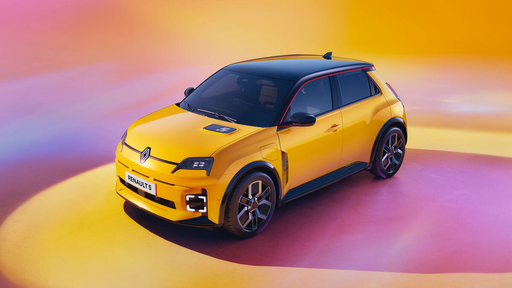
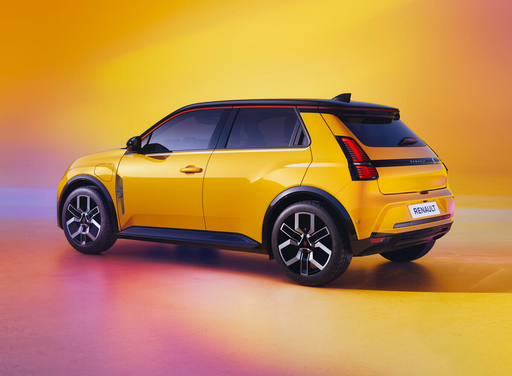
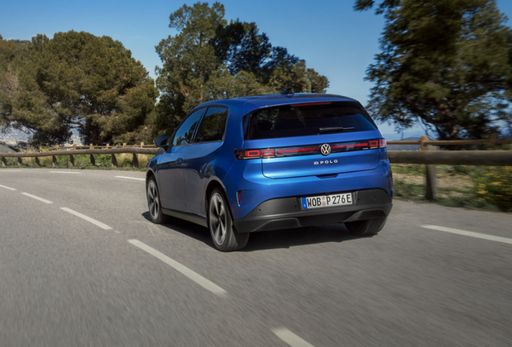
Renault R5 VS VW ID.Polo frames two very different approaches to the modern small electric car: the Renault R5 plays the charmer, the VW ID.Polo plays the pragmatist. The R5 leans into retro styling, playful handling and a vivid Google‑centric infotainment experience that makes city life feel fun. The ID.Polo prioritizes space, calm on the move and a more traditional, tactile cabin that rewards practical buyers. That contrast — personality versus everyday utility — is what defines the rest of this comparison.
R5

Driving character: nimble vs composed

The Renault R5 feels light-footed and eager, with quick turn‑in and a playful steering balance that makes urban corners and tight parking enjoyable. The VW ID.Polo is calmer and more composed, trading some of that spark for steadiness and a sense of plantedness at speed. Regenerative braking and one‑pedal manners feel more pronounced and tunable in the ID.Polo, while the R5’s reku logic is simpler and more predictable for city stop‑and‑go. If you prize grin‑inducing responses and city agility, the R5 leans toward fun; if you prefer a mellow, confidence‑inspiring daily-driving blend, the ID.Polo is the steadier companion.

ID.Polo

Comfort and long-distance behavior

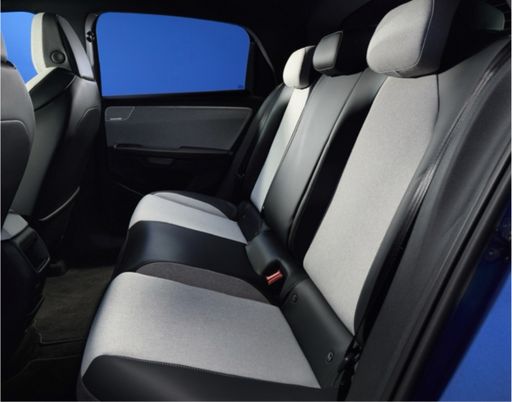
On short hops and city streets the Renault R5’s damping and nimble chassis deliver a lively but comfortable ride, though narrower front cushions and a tighter rear can start to pinch on long runs. The VW ID.Polo is the better choice for longer journeys: seats, rear legroom and noise insulation are tuned toward endurance rather than excitement. The R5’s efficiency drops more noticeably once speeds climb and that makes the ID.Polo the easier planner for motorway travel. In short, pick the R5 for frequent urban use with occasional country runs, and the ID.Polo if you want more composed comfort on longer commutes.

R5

Practicality and daily usability

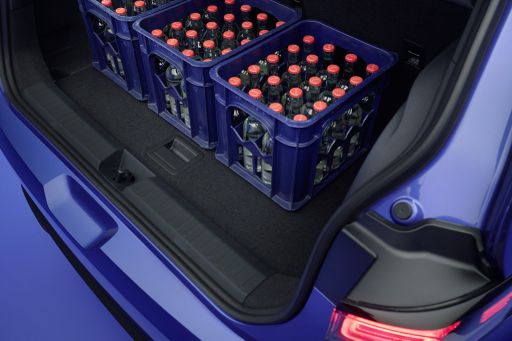
Practical differences are stark: the ID.Polo’s cargo bay and variable floor make loading awkward items and longer trips noticeably simpler, while the Renault R5 offers a clever underfloor space and surprising depth but a higher sill and a less flexible load floor. Rear-seat real estate favors the ID.Polo too — adults sit more comfortably and feet tuck under the front seats, whereas the R5’s back bench is better for shorter stints or children. Both cars include useful energy features for home use, but the ID.Polo extends versatility further with optional towing hardware that broadens weekend utility. If your life needs regular luggage, pushchairs or longer trips, the Polo is the more usable tool; if tight city parking and clever everyday tricks matter more, the R5 holds its own.

ID.Polo

Cabin feel, controls and perceived quality

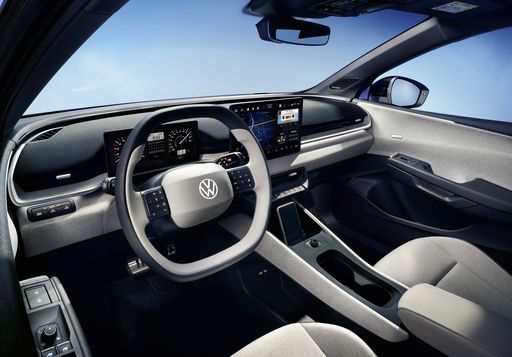
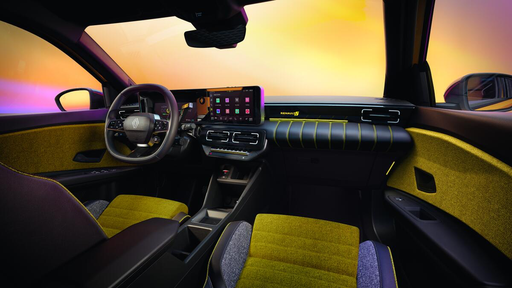
The Renault R5 sells personality through a friendly layout, fast Google integration and tactile knobs for core functions, but some plastics and unusual stalk/lever placements reveal its small‑car roots. The VW ID.Polo prioritizes a cleaner, slightly more premium feel with soft‑touch surfaces where it counts and honest physical controls that are easy to use without hunting through menus. Infotainment in the R5 is often described as more intuitive for connected users, while the ID.Polo’s system trades some flash for clarity and optional haptic or physical switches. Overall, the R5 feels characterful and digitally fluent; the ID.Polo feels mature, classically ergonomic and marginally more refined.

R5

Who should pick which car — buyer fit and trade-offs

If you mainly drive in town, love a car with character and want the most engaging infotainment and a lower initial outlay, the Renault R5 is the more magnetic choice despite its tighter rear and shorter long‑distance range. If your priorities are more luggage room, rear‑seat comfort, calmer long‑distance performance and a conservative, high‑utility cabin, the VW ID.Polo maps more directly to those needs. Both cars bring useful energy features, but the Polo’s range and load practicality reduce planning stress on trips; the R5 rewards owners who accept trade‑offs for charm and city agility. Those buyer trade‑offs set up the technical comparison that follows, where range, charging behavior and exact packaging choices translate these differences into numbers and real‑world consequences.

Here’s where it gets real: The technical differences in detail

ID.Polo

Costs and Efficiency:

Price and efficiency are key factors when choosing a car – and this is often where the real differences emerge.

VW ID.Polo is somewhat cheaper – starting at 21,400 £ , while the Renault R5 costs 24,000 £ . That’s a price difference of around 2,576 £.

In terms of energy consumption, the VW ID.Polo is slightly more efficient: consuming 13.3 kWh/100km compared to 14.8 kWh/100km for the Renault R5. That’s a difference of about 1.5 kWh/100km.

As for electric range, the VW ID.Polo offers somewhat more range – reaching up to 454 km, about 49 km more than the Renault R5.

R5

Engine and Performance:

Power, torque and acceleration are the classic benchmarks for car enthusiasts – and here, some clear differences start to show.

When it comes to engine power, the VW ID.Polo offers markedly more power – delivering 226 HP compared to 150 HP. That’s roughly 76 HP more horsepower.

When accelerating from 0 to 100 km/h, the VW ID.Polo is slightly quicker – completing the sprint in 6.8 s, while the Renault R5 takes 8 s. That’s about 1.2 s quicker.

There’s also a difference in torque: the VW ID.Polo delivers slightly more torque with 290 Nm compared to 245 Nm. That’s about 45 Nm more.

ID.Polo

Space and Everyday Use:

Whether family car or daily driver – which one offers more room, flexibility and comfort?

Both vehicles offer seating for 5 people.

In terms of curb weight, Renault R5 is barely lighter – 1,447 kg compared to 1,568 kg. The difference is around 121 kg.

Looking at boot space, the VW ID.Polo offers markedly more boot space – 441 L compared to 326 L. That’s a difference of about 115 L.

When it comes to payload, the VW ID.Polo carries only slightly more – 444 kg compared to 418 kg. That’s a difference of about 26 kg.

Who wins the race in the data check?

The VW ID.Polo is clearly superior overall in the objective data comparison.
This result only shows which model scores more points on paper – not which of the two cars feels right for you.

from £21,400
ID.Polo

VW ID.Polo

  • Engine Type Electric
  • Transmission Automatic
  • Drive Type Front-Wheel Drive
  • Power HP 116 - 226 HP
  • Consumption kWh/100km 13.3 - 14.4 kWh/100km
  • Electric Range 424 - 454 km
VW ID.Polo
Renault R5

Costs and Consumption

View detailed analysis

Engine and Performance

View detailed analysis

Dimensions and Body

View detailed analysis

VW ID.Polo

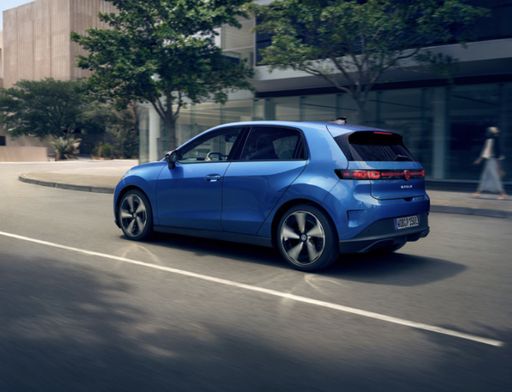
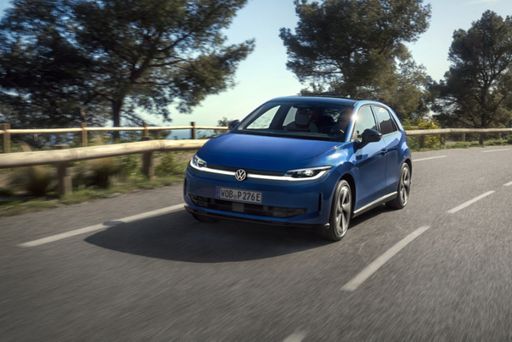
The VW ID.Polo brings classic Polo sensibility to the EV age with a calm, refined ride, an unusually large boot, and refreshingly simple controls with real buttons. It favors easygoing efficiency and family-friendly practicality over playful handling or high-speed autobahn pace, and the smaller-battery versions ask for a bit more planning on long trips.

details

Renault R5

The Renault 5 blends classic styling cues with contemporary design, giving it a playful and characterful presence on the road. It’s a city-focused hatchback that feels nimble and cleverly packaged, ideal for drivers who want personality and practicality.

details
VW ID.Polo
Renault R5

Costs and Consumption

Price
21,400 - 36,000 £
Price
24,000 - 27,000 £
Consumption L/100km
-
Consumption L/100km
-
Consumption kWh/100km
13.3 - 14.4 kWh/100km
Consumption kWh/100km
14.8 - 15.2 kWh/100km
Electric Range
424 - 454 km
Electric Range
307 - 405 km
Battery Capacity
-
Battery Capacity
-
co2
0 g/km
co2
0 g/km
Fuel tank capacity
-
Fuel tank capacity
-

Dimensions and Body

Body Type
Hatchback
Body Type
Hatchback
Seats
5
Seats
5
Doors
-
Doors
-
Curb weight
1,568 - 1,635 kg
Curb weight
1,447 - 1,524 kg
Trunk capacity
441 L
Trunk capacity
326 L
Length
-
Length
-
Width
1,816 mm
Width
1,744 mm
Height
-
Height
-
Max trunk capacity
-
Max trunk capacity
-
Payload
444 kg
Payload
396 - 418 kg

Engine and Performance

Engine Type
Electric
Engine Type
Electric
Transmission
Automatic
Transmission
Automatic
Transmission Detail
Reduction Gearbox
Transmission Detail
Reduction Gearbox
Drive Type
Front-Wheel Drive
Drive Type
Front-Wheel Drive
Power HP
116 - 226 HP
Power HP
122 - 150 HP
Acceleration 0-100km/h
6.8 - 7.1 s
Acceleration 0-100km/h
8 - 9 s
Max Speed
-
Max Speed
-
Torque
290 Nm
Torque
225 - 245 Nm
Number of Cylinders
-
Number of Cylinders
-
Power kW
85 - 166 kW
Power kW
90 - 110 kW
Engine capacity
-
Engine capacity
-

General

Model Year
2026
Model Year
2025
CO2 Efficiency Class
A
CO2 Efficiency Class
A
Brand
VW
Brand
Renault
DriveDuel uses data analysis and artificial intelligence to evaluate vehicle data and create content. Content is regularly reviewed and improved. The displayed prices are estimates based on German list prices, adjusted to the respective country’s VAT. Country-specific registration taxes are not included. This information is not legally binding.