VS

VW ID.Polo vs Volvo EX30 comparison

Compare performance (226 HP vs 428 HP), boot space and price (21,400 £ vs 30,000 £ ) at a glance. Find out which car is the better choice for you – VW ID.Polo or Volvo EX30?

VW ID.Polo vs Volvo EX30: Key differences

VW ID.Polo

4.6 (1 Reviews)
rate
  • clearly cheaper
  • noticeably more efficient
  • a bit lighter
  • clearly more trunk space
details

Volvo EX30

3.5 (8 Reviews)
rate
  • significantly more power
  • barely more electric range
  • significantly quicker 0–100 km/h
details

All details on performance, efficiency, range and trunk space can be found in the technical comparison below – including user reviews for both models.

By Achim Sedelmaier

ID.Polo

Volvo EX30 and VW ID.Polo: a quick frame for the comparison

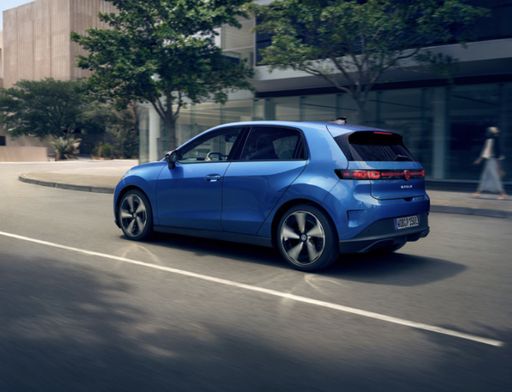
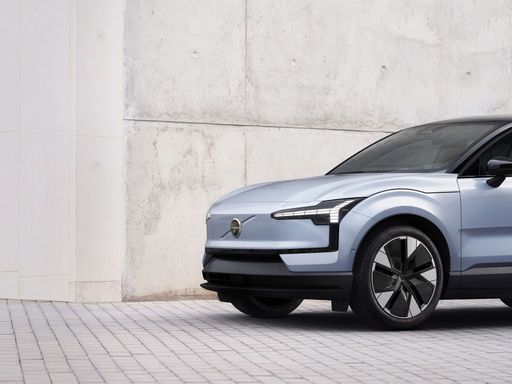
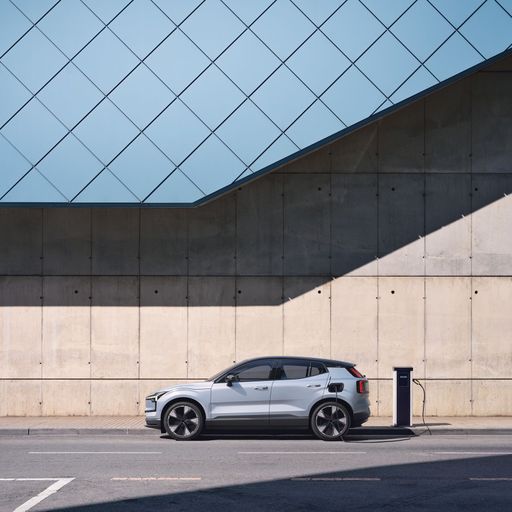
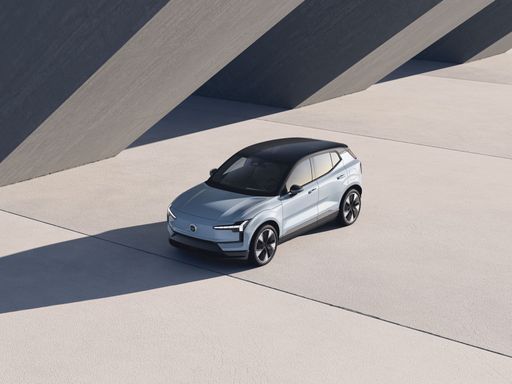
Volvo EX30 and VW ID.Polo represent two distinct takes on small electric cars: one leans into Scandinavian premium and punchy performance, the other into pragmatic space and everyday calm. The EX30 reads like a stylish mini‑SUV with tech and acceleration as headline attractions, while the ID.Polo feels like a thoroughly modern Polo reborn as a practical, roomy hatch. Price and packaging separate them clearly—Volvo trades money for materials, assistance and sharper acceleration, VW trades headline flash for luggage space and sensible ergonomics. That divergent DNA shapes everything from daily usability to how each car behaves on motorways and in tight city streets. Below we map those differences in buyer terms, so you know which compromises you’d live with day to day.
EX30

Character and driving feel

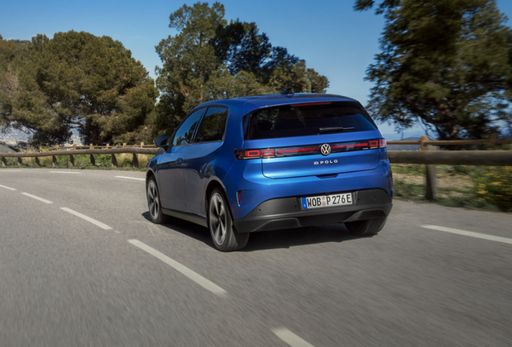
The Volvo EX30 drives with a sense of intent: brisk acceleration and a compact SUV poise that gives you confidence off the line, but the steering stays light and the chassis prefers comfort over razor‑sharp feedback. The VW ID.Polo is the calmer partner—its responses are composed, the steering more direct and confidence comes from tidy manners rather than launch‑pad thrills. If you want immediate shove and the sensation of a small performance SUV, the EX30 delivers; if you prefer predictable, settled behaviour that’s easy to modulate in town, the ID.Polo is the one. Both facilitate one‑pedal driving well, but the Polo’s regeneration feels a touch more integrated with everyday braking. In short: EX30 excites; ID.Polo reassures.

ID.Polo

Comfort, cabin feel and perceived quality

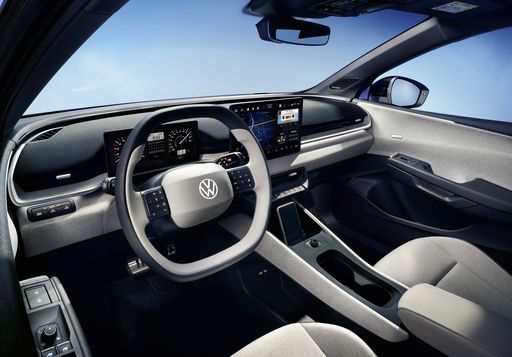
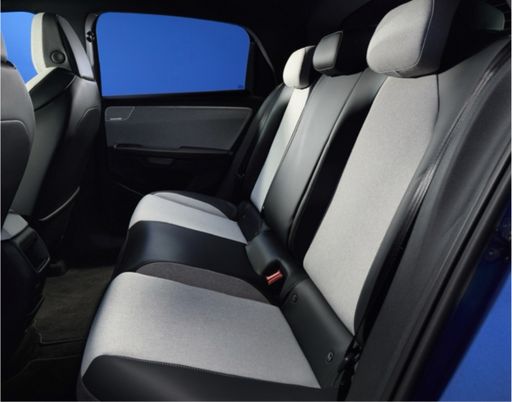
The Volvo EX30 aims for Scandinavian minimalism and front‑seat comfort that makes longer stints feel grown‑up for such a small package, though its touch‑centric control layout forces you to look away more often. The VW ID.Polo, by contrast, scores with familiar haptic controls, a roomy rear seat and an interior that feels solid and thoughtfully finished for the class. EX30’s materials and design deliver a premium aura up front, but small rear proportions and some hard plastics in lower trims temper that impression; ID.Polo doesn’t try to be overtly premium, yet its textures and ergonomics age well and feel more practically upscale. Noise insulation is good in both, with Volvo tending toward a hushed luxury and Polo toward a quiet, composed ride. If cabin calm plus easy-to-reach buttons matter more than badge and fashion, ID.Polo has the edge; if front‑seat comfort and a premium vibe are priorities, the EX30 nudges ahead.

EX30

Usability and everyday practicality

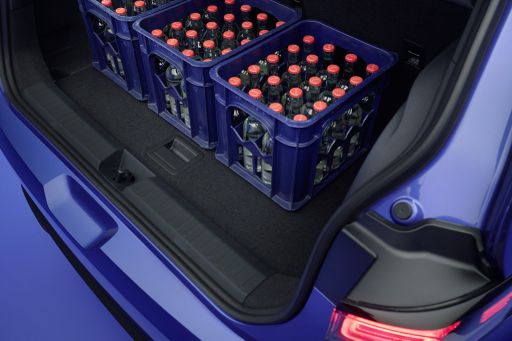
Practicality is where the VW ID.Polo really stretches expectations: a notably large, usable boot, clever underfloor space and conventional switches make loading, driving and fiddling with settings straightforward. The Volvo EX30 trades some of that cargo convenience for compact exterior dimensions and high‑quality finishes, resulting in a smaller, higher‑lip boot and tighter rear quarters that limit family‑cargo scenarios. Infotainment and connectivity sway the other way—EX30’s Google‑centric system is powerful and frequently updated, but its screen‑first approach frustrates those who prefer tactile shortcuts; ID.Polo keeps important controls physical and predictable. Towability, V2L support and cargo versatility favour the Polo’s pragmatic packaging for active families. For daily errands and luggage‑heavy life, VW’s layout will save you time; for app ecosystem and feature depth, Volvo pays off.

ID.Polo

City friendliness versus long‑distance behaviour

In city driving both cars work well, but they arrive there with different strengths: the Volvo EX30’s compact stance, 360° camera options and light steering make tight parking easy and confidence‑boosting, whereas the VW ID.Polo’s superior visibility, gentle throttle and harmonious regen make urban stop‑start traffic comfortable and economical. On long runs the trade‑off becomes clearer—EX30 can feel more capable at sustained speeds if you pick the larger‑range variants and you get more outright performance when you want it, but that speed comes with higher energy consumption. The ID.Polo tends to be more efficient and more economical over distance with its composed cruising manners, though its top speed limitations may bother drivers who regularly push fast autobahn profiles. In practice, choose EX30 if you want occasional brisk long‑distance bursts and a tech edge; pick ID.Polo if steady range, quieter cruising and fewer refuelling stops matter most.

EX30

Buyer fit and the trade-offs that decide it

The choice between Volvo EX30 and VW ID.Polo ultimately comes down to priorities: the EX30 suits buyers who prize a premium cabin feel, strong on‑off performance and a modern app‑centric infotainment world; it’s geared toward singles or couples who want style, tech and a compact SUV stance. The ID.Polo is the practical pick for commuters and small families who value interior space, an unusually large boot for the class, intuitive controls and lower purchase cost. Both are city‑friendly and competent on the motorway, but the EX30 asks you to accept tighter rear accommodation and touch‑led operations while the ID.Polo asks you to accept a more restrained driving personality in exchange for day‑to‑day utility. Read on to the technical comparison for the specification trade‑offs that explain these differences in real numbers and charging behaviour.

Here’s where it gets real: The technical differences in detail

ID.Polo

Costs and Efficiency:

Price and efficiency are key factors when choosing a car – and this is often where the real differences emerge.

VW ID.Polo is clearly cheaper – starting at 21,400 £ , while the Volvo EX30 costs 30,000 £ . That’s a price difference of around 8,567 £.

In terms of energy consumption, the VW ID.Polo is noticeably more efficient: consuming 13.3 kWh/100km compared to 17 kWh/100km for the Volvo EX30. That’s a difference of about 3.7 kWh/100km.

As for electric range, the Volvo EX30 offers barely more range – reaching up to 475 km, about 21 km more than the VW ID.Polo.

EX30

Engine and Performance:

Under the bonnet, it becomes clear which model is tuned for sportiness and which one takes the lead when you hit the accelerator.

When it comes to engine power, the Volvo EX30 offers significantly more power – delivering 428 HP compared to 226 HP. That’s roughly 202 HP more horsepower.

When accelerating from 0 to 100 km/h, the Volvo EX30 is significantly quicker – completing the sprint in 3.6 s, while the VW ID.Polo takes 6.8 s. That’s about 3.2 s quicker.

There’s also a difference in torque: the Volvo EX30 delivers substantially more torque with 543 Nm compared to 290 Nm. That’s about 253 Nm more.

ID.Polo

Space and Everyday Use:

Whether family car or daily driver – which one offers more room, flexibility and comfort?

Both vehicles offer seating for 5 people.

In terms of curb weight, VW ID.Polo is a bit lighter – 1,568 kg compared to 1,840 kg. The difference is around 272 kg.

Looking at boot space, the VW ID.Polo offers clearly more boot space – 441 L compared to 318 L. That’s a difference of about 123 L.

When it comes to payload, the VW ID.Polo carries slightly more – 444 kg compared to 390 kg. That’s a difference of about 54 kg.

Who wins the race in the data check?

The Volvo EX30 holds a decisive overall lead in the objective data comparison.
This result only shows which model scores more points on paper – not which of the two cars feels right for you.

from £30,000
EX30

Volvo EX30

  • Engine Type Electric
  • Transmission Automatic
  • Drive Type Rear-Wheel Drive, All-Wheel Drive
  • Power HP 150 - 428 HP
  • Consumption kWh/100km 17 - 18.3 kWh/100km
  • Electric Range 339 - 475 km
VW ID.Polo
Volvo EX30

Costs and Consumption

View detailed analysis

Engine and Performance

View detailed analysis

Dimensions and Body

View detailed analysis

VW ID.Polo

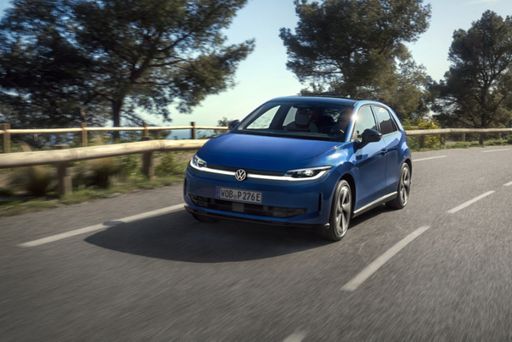
The VW ID.Polo brings classic Polo sensibility to the EV age with a calm, refined ride, an unusually large boot, and refreshingly simple controls with real buttons. It favors easygoing efficiency and family-friendly practicality over playful handling or high-speed autobahn pace, and the smaller-battery versions ask for a bit more planning on long trips.

details

Volvo EX30

The Volvo EX30 is a compact all-electric crossover that mixes Volvo's strong safety focus with clean Scandinavian design for a really city-friendly package. It feels lively and easy to live with, pairing a premium-feeling interior and modern connectivity with a practical footprint for urban driving.

details
VW ID.Polo
Volvo EX30

Costs and Consumption

Price
21,400 - 36,000 £
Price
30,000 - 47,800 £
Consumption L/100km
-
Consumption L/100km
-
Consumption kWh/100km
13.3 - 14.4 kWh/100km
Consumption kWh/100km
17 - 18.3 kWh/100km
Electric Range
424 - 454 km
Electric Range
339 - 475 km
Battery Capacity
-
Battery Capacity
-
co2
0 g/km
co2
0 g/km
Fuel tank capacity
-
Fuel tank capacity
-

Dimensions and Body

Body Type
Hatchback
Body Type
SUV
Seats
5
Seats
5
Doors
-
Doors
-
Curb weight
1,568 - 1,635 kg
Curb weight
1,840 - 1,960 kg
Trunk capacity
441 L
Trunk capacity
318 L
Length
-
Length
-
Width
1,816 mm
Width
1,838 mm
Height
-
Height
-
Max trunk capacity
-
Max trunk capacity
-
Payload
444 kg
Payload
370 - 390 kg

Engine and Performance

Engine Type
Electric
Engine Type
Electric
Transmission
Automatic
Transmission
Automatic
Transmission Detail
Reduction Gearbox
Transmission Detail
Reduction Gearbox
Drive Type
Front-Wheel Drive
Drive Type
Rear-Wheel Drive, All-Wheel Drive
Power HP
116 - 226 HP
Power HP
150 - 428 HP
Acceleration 0-100km/h
6.8 - 7.1 s
Acceleration 0-100km/h
3.6 - 8.6 s
Max Speed
-
Max Speed
-
Torque
290 Nm
Torque
343 - 543 Nm
Number of Cylinders
-
Number of Cylinders
-
Power kW
85 - 166 kW
Power kW
110 - 315 kW
Engine capacity
-
Engine capacity
-

General

Model Year
2026
Model Year
2026
CO2 Efficiency Class
A
CO2 Efficiency Class
A
Brand
VW
Brand
Volvo
DriveDuel uses data analysis and artificial intelligence to evaluate vehicle data and create content. Content is regularly reviewed and improved. The displayed prices are estimates based on German list prices, adjusted to the respective country’s VAT. Country-specific registration taxes are not included. This information is not legally binding.