VS

VW Passat vs VW Arteon comparison

Compare performance (272 HP vs 320 HP), boot space and price (36,500 £ vs 43,300 £ ) at a glance. Find out which car is the better choice for you – VW Passat or VW Arteon?

VW Passat vs VW Arteon: Key differences

VW Passat

5 (3 Reviews)
rate
  • a bit cheaper
  • substantially more efficient
  • only slightly lighter
  • a bit more trunk space
details

VW Arteon

5 (1 Reviews)
rate
  • moderately more power
  • considerably quicker 0–100 km/h
details

All details on performance, efficiency, range and trunk space can be found in the technical comparison below – including user reviews for both models.

By Achim Sedelmaier

Passat

Catwalk or Conference Room?

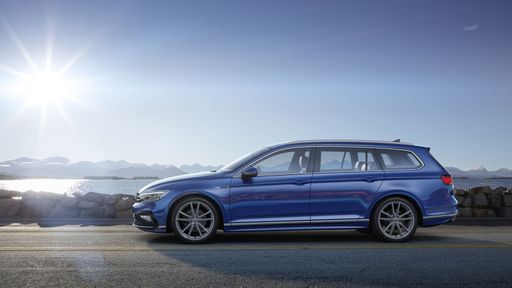
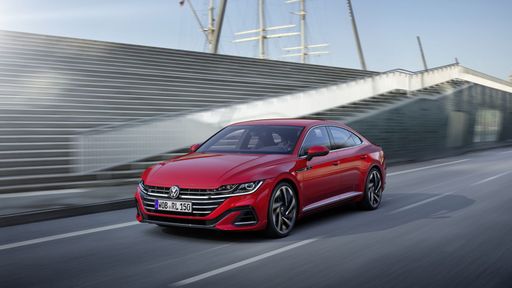
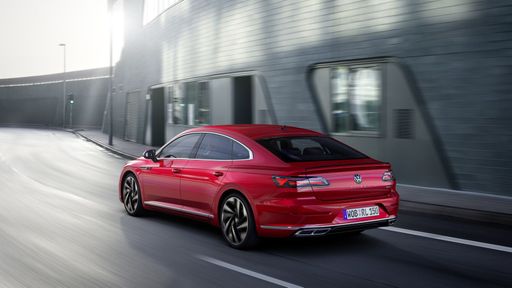
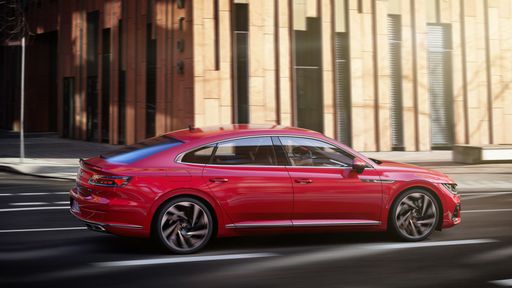
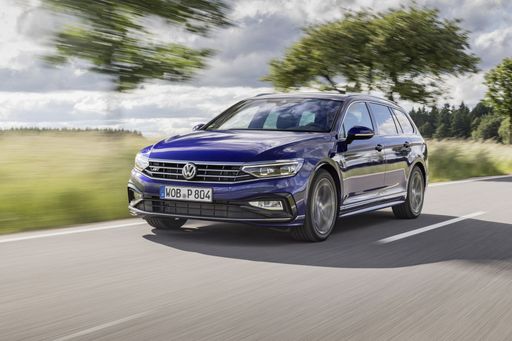
The VW Arteon strides in like a concept car that made it to production, all sleek shoulders and coupe-like swagger. The VW Passat counters with quiet confidence, the kind of clean, professional tailoring that never dates and never shouts. One flatters your driveway, the other flatters your to-do list, and both feel distinctly Volkswagen in their reassuringly solid build and restrained detailing.
Arteon

Space, Sense, and Weekend Chaos

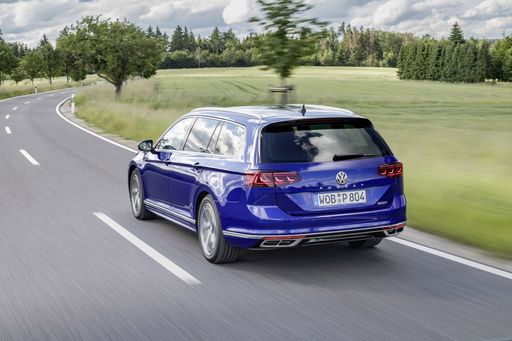
Families will feel the Passat’s talent for making life simple: wide openings, clever storage, and a cabin that swallows school bags, sports gear, and a week’s worth of groceries without fuss. The Arteon remains surprisingly practical given its flowing roofline, but its real party trick is the sense of occasion it adds to everyday errands. Either way, cabin materials feel durable yet grown-up, with thoughtful touches that make long days on the road a little easier.

Passat

Screens, Switches, and Sanity

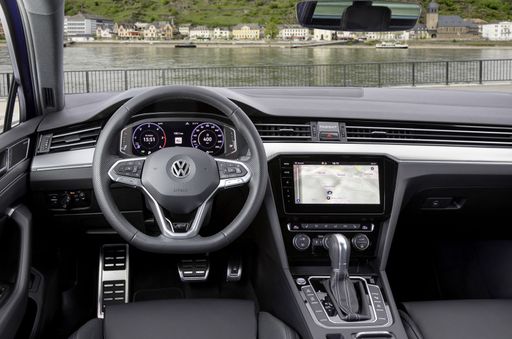
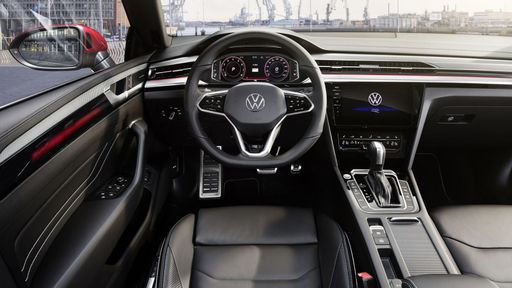
Both dashboards serve up familiar VW logic, with crisp displays and driver aids that ease the grind when traffic piles up. The Passat keeps the user experience calm and intuitive, minimizing distraction once you’ve set everything up to taste. The Arteon leans into a more premium vibe, and while there’s a learning curve to some functions, it rewards with slick execution and a tidy, modern aesthetic.

Arteon

Ride, Rhythm, and the Long Road

On the move, the Passat majors on composure, smoothing out rough tarmac and shrugging off long distances with a relaxed gait that commuters will adore. The Arteon tightens the focus, feeling lower, a touch firmer, and more eager to change direction, which lends it a grand-tourer flavor without punishing your spine. Both track straight and true at speed, with hushed cabins that encourage conversation rather than road roar.

Passat

Character vs. Cost: The Ownership Equation

If your heart wants a bit of drama but your head still insists on daily usability, the Arteon hits that sweet spot where style meets sensibility. The Passat plays the rational card with aplomb, radiating value through its ease of use, long-haul comfort, and fuss-free day-to-day manners. Neither feels like a compromise, but they speak to different priorities when it comes to spending smart.

Arteon

Which Driver Are You?

For school runs, business mileage, and life’s logistics, the Passat is an effortless partner; for design lovers who still need real-world practicality, the Arteon brings welcome flair. City commuters will appreciate the Passat’s stress-free demeanor, while style-conscious drivers will enjoy the Arteon’s poised stance and engaging feel. Keep reading to discover which one claims the DriveDuel crown in the final verdict.

Here’s where it gets real: The technical differences in detail

Passat

Costs and Efficiency:

When it comes to price and running costs, the biggest differences usually appear. This is often where you see which car fits your budget better in the long run.

VW Passat is a bit cheaper – starting at 36,500 £ , while the VW Arteon costs 43,300 £ . That’s a price difference of around 6,819 £.

Fuel consumption also shows a difference: the VW Passat uses 1.2 L/100km and is substantially more efficient than the VW Arteon with 5.1 L/100km. The difference is about 3.9 L/100km.

Arteon

Engine and Performance:

Power, torque and acceleration say a lot about how a car feels on the road. This is where you see which model delivers more driving dynamics.

When it comes to engine power, the VW Arteon offers moderately more power – delivering 320 HP compared to 272 HP. That’s roughly 48 HP more horsepower.

When accelerating from 0 to 100 km/h, the VW Arteon is considerably quicker – completing the sprint in 4.9 s, while the VW Passat takes 7.1 s. That’s about 2.2 s quicker.

There’s also a difference in torque: the VW Arteon delivers very slightly more torque with 420 Nm compared to 400 Nm. That’s about 20 Nm more.

Passat

Space and Everyday Use:

Whether family car or daily driver – which one offers more room, flexibility and comfort?

Both vehicles offer seating for 5 people.

In terms of curb weight, VW Passat is only slightly lighter – 1,573 kg compared to 1,607 kg. The difference is around 34 kg.

Looking at boot space, the VW Passat offers a bit more boot space – 690 L compared to 590 L. That’s a difference of about 100 L.

When it comes to payload, the VW Passat carries barely more – 577 kg compared to 569 kg. That’s a difference of about 8 kg.

Who wins the race in the data check?

The VW Passat holds a decisive overall lead in the objective data comparison.
This result only shows which model scores more points on paper – not which of the two cars feels right for you.

from £36,500
Passat

VW Passat

  • Engine Type : Petrol MHEV, Diesel, Plugin Hybrid
  • Transmission : Automatic
  • Drive Type : Front-Wheel Drive, All-Wheel Drive
  • Power HP : 122 - 272 HP
  • Consumption L/100km : 1.2 - 5.8 L/100km
  • Electric Range : 124 - 135 km
VW Passat
VW Arteon

Costs and Consumption

View detailed analysis

Engine and Performance

View detailed analysis

Dimensions and Body

View detailed analysis

VW Passat

The VW Passat is the grown-up family car that gets the basics absolutely right — roomy, comfortable and built to handle weekday commutes and weekend getaways without fuss. It won't set your pulse racing, but its calm composure and sensible packaging make it boring in the best possible way: a dependable, no‑drama choice for buyers who value practicality over flash.

details

VW Arteon

The VW Arteon cuts a fastback silhouette that manages to look more expensive than it is, with a cabin that feels calm, roomy and smartly finished. It blends relaxed long distance comfort with a touch of sporting poise, making it a clever choice for buyers who want grand touring polish without shouting for attention.

details
VW Passat
VW Arteon

Costs and Consumption

Price
36,500 - 58,500 £
Price
43,300 - 60,800 £
Consumption L/100km
1.2 - 5.8 L/100km
Consumption L/100km
5.1 - 8.6 L/100km
Consumption kWh/100km
-
Consumption kWh/100km
-
Electric Range
124 - 135 km
Electric Range
-
Battery Capacity
-
Battery Capacity
-
co2
28 - 153 g/km
co2
133 - 195 g/km
Fuel tank capacity
-
Fuel tank capacity
66 L

Dimensions and Body

Body Type
Estate
Body Type
Estate
Seats
5
Seats
5
Doors
-
Doors
5
Curb weight
1,573 - 1,858 kg
Curb weight
1,607 - 1,773 kg
Trunk capacity
510 - 690 L
Trunk capacity
590 L
Length
-
Length
4,866 mm
Width
1,849 mm
Width
1,871 mm
Height
-
Height
1,434 - 1,451 mm
Max trunk capacity
-
Max trunk capacity
1,632 L
Payload
501 - 577 kg
Payload
467 - 569 kg

Engine and Performance

Engine Type
Petrol MHEV, Diesel, Plugin Hybrid
Engine Type
Diesel, Petrol
Transmission
Automatic
Transmission
Automatic
Transmission Detail
Dual-Clutch Automatic
Transmission Detail
Dual-Clutch Automatic
Drive Type
Front-Wheel Drive, All-Wheel Drive
Drive Type
Front-Wheel Drive, All-Wheel Drive
Power HP
122 - 272 HP
Power HP
150 - 320 HP
Acceleration 0-100km/h
7.1 - 10.7 s
Acceleration 0-100km/h
4.9 - 9.4 s
Max Speed
-
Max Speed
216 - 250 km/h
Torque
250 - 400 Nm
Torque
320 - 420 Nm
Number of Cylinders
4
Number of Cylinders
4
Power kW
90 - 200 kW
Power kW
110 - 235 kW
Engine capacity
1,498 - 1,968 cm3
Engine capacity
1,968 - 1,984 cm3

General

Model Year
2,024 - 2,025
Model Year
2024
CO2 Efficiency Class
D, E, B
CO2 Efficiency Class
D, E, F, G
Brand
VW
Brand
VW
DriveDuel uses data analysis and artificial intelligence to evaluate vehicle data and create content. Content is regularly reviewed and improved. The displayed prices are estimates based on German list prices, adjusted to the respective country’s VAT. Country-specific registration taxes are not included. This information is not legally binding.