VS

VW T-Roc vs DS Automobiles DS 4 comparison

Compare performance (150 HP vs 130 HP), boot space and price (26,400 £ vs 34,000 £ ) at a glance. Find out which car is the better choice for you – VW T-Roc or DS Automobiles DS 4?

VW T-Roc vs DS Automobiles DS 4: Key differences

VW T-Roc

4.8 (6 Reviews)
rate
  • visibly cheaper
  • somewhat more power
  • markedly quicker 0–100 km/h
  • only slightly lighter
details

DS Automobiles DS 4

  • barely more efficient
  • markedly more trunk space
details

All details on performance, efficiency, range and trunk space can be found in the technical comparison below – including user reviews for both models.

By Achim Sedelmaier

T-Roc

Comparing Elegance and Versatility: DS 4 vs VW T-Roc

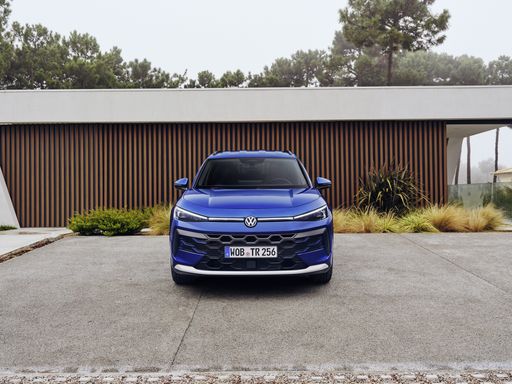
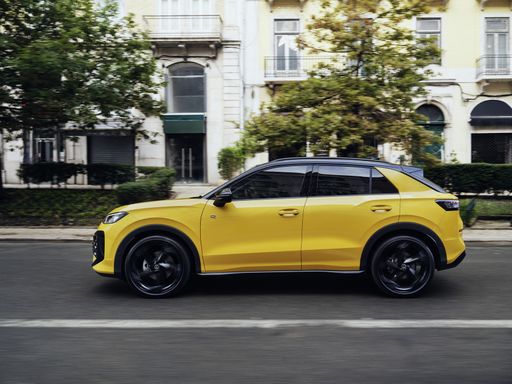
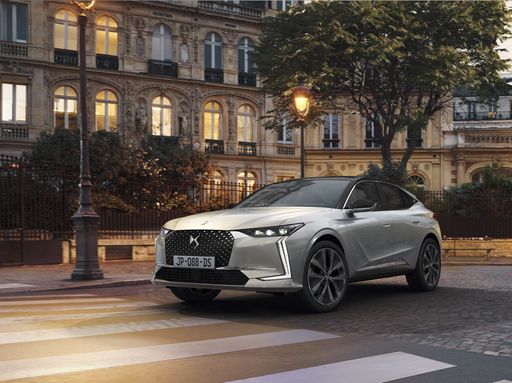
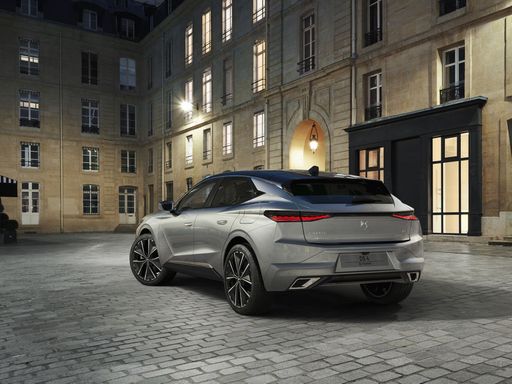
In the automotive industry, certain vehicles embody elegance, while others provide versatility. Here, we present an in-depth comparison of the DS Automobiles DS 4 and VW T-Roc, two models that represent these elements distinctively. The DS 4 exudes style and luxurious craftsmanship, while the VW T-Roc offers practicality and performance. Both vehicles have their unique strengths that cater to different driver preferences. Let's delve into their features and find out which one could be the ideal choice for your next drive.
DS 4

Design and Dimensions

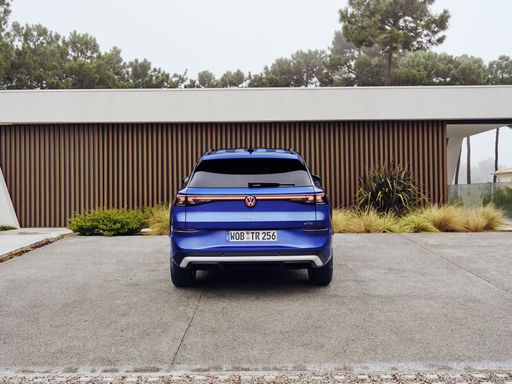
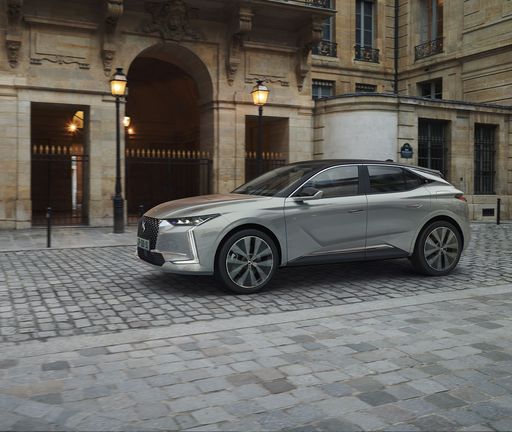
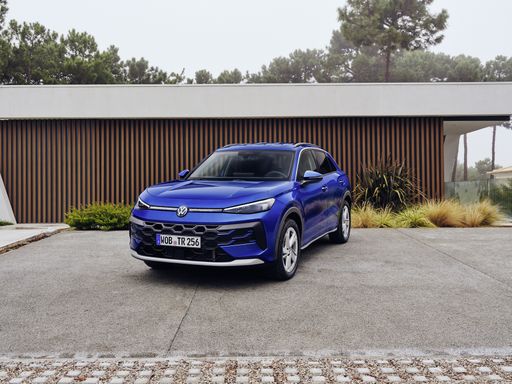
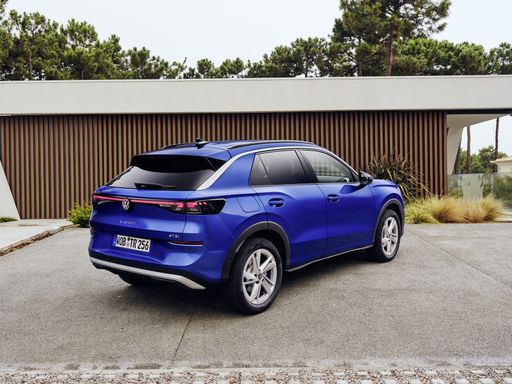
The DS 4, a sophisticated hatchback, stands at a length of 4400 mm, a width of 1830 mm, and a height of 1470 mm. Its design is sleek and modern, appealing to enthusiasts who value aesthetics. On the other hand, the VW T-Roc, a sporty SUV, offers a more rugged appearance with a length ranging from 4236 mm to 4271 mm, width from 1811 mm to 1819 mm, and height between 1527 mm and 1584 mm. Its higher ground clearance gives it a commanding presence on the road.

T-Roc

Engine Options and Performance

The DS 4 offers an array of engine types including diesel, petrol, petrol MHEV, and a plugin hybrid. With horsepower ranging from 130 HP to 224 HP, it ensures both efficiency and power. The plugin hybrid variant stands out with a remarkable electric range of 62 km, ideal for eco-conscious drivers.

Conversely, the T-Roc comes with versatile engine choices like petrol and diesel, delivering power from 115 HP up to a robust 300 HP for performance enthusiasts. The availability of both front-wheel and all-wheel drives gives the T-Roc an edge in various driving conditions.

DS 4

Transmission and Driving Experience

Transmission for both models features automatic options; the DS 4 showcases automatic and dual-clutch automatic systems, providing smooth transitions. The VW T-Roc matches this with its manual and dual-clutch automatic gearboxes, offering an engaging ride suited for different driving preferences.

T-Roc

Interior and Comfort

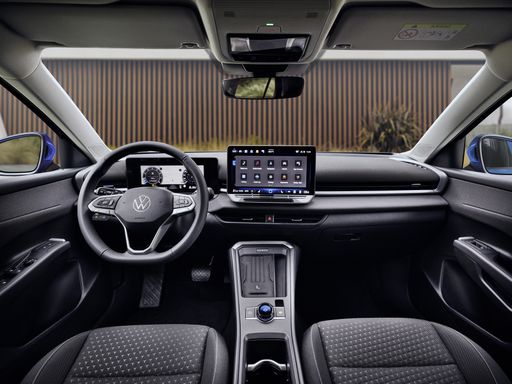
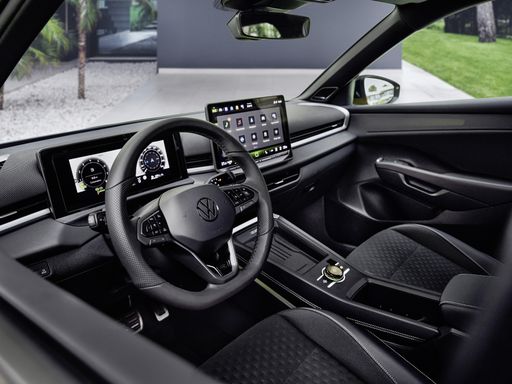
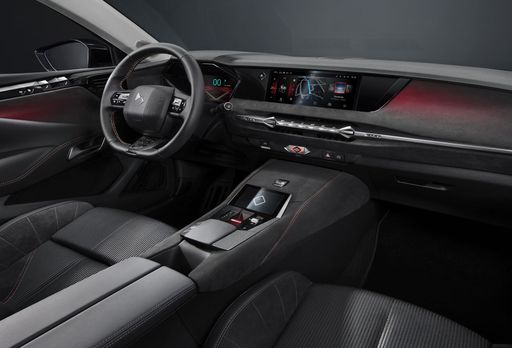
Inside, the DS 4 provides an elegant and cozy environment with seating for five and trunk capacity ranging from 390 L to 430 L. Its craftsmanship and attention to detail are evident in the quality finishes and ergonomic design.

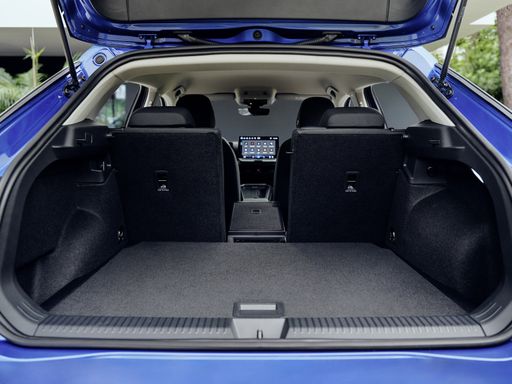
The T-Roc also seats up to five passengers (or four depending on configuration), with a trunk capacity from 284 L to 445 L, prioritizing functionality and comfort. It ensures ample space and flexibility, making it a practical choice for families or outdoor adventures.

DS 4

Efficiency and Environmental Impact

Fuel efficiency is a strong suit for both models. The DS 4 diesel variant boasts a consumption of 5.2 L/100 km, while its plugin hybrid impresses with a mere 1.4 L/100 km. CO2 emissions for the DS 4 are as low as 32 g/km for the hybrid variant.

Similarly, the T-Roc presents a range of consumption figures starting at 4.7 L/100 km for its most fuel-efficient options. CO2 emissions span from 125 g/km to 194 g/km, depending on the engine choice, reflecting its environmentally conscious design.

T-Roc

Conclusion: Which One Should You Choose?

The DS 4 excels with its luxury appeal and innovation, particularly for those who value style and eco-friendliness with its hybrid offering. The VW T-Roc stands out with its versatility, performance options, and the added advantage of an all-wheel-drive system.

Ultimately, the decision between the DS 4 and VW T-Roc depends on your individual needs and preferences—whether you seek the elegance of a premium hatchback or the adaptability of a compact SUV ready for adventure.

Here’s where it gets real: The technical differences in detail

T-Roc

Costs and Efficiency:

When it comes to price and running costs, the biggest differences usually appear. This is often where you see which car fits your budget better in the long run.

VW T-Roc is visibly cheaper – starting at 26,400 £ , while the DS Automobiles DS 4 costs 34,000 £ . That’s a price difference of around 7,539 £.

Fuel consumption also shows a difference: the DS Automobiles DS 4 uses 5.2 L/100km and is barely more efficient than the VW T-Roc with 5.5 L/100km. The difference is about 0.3 L/100km.

DS 4

Engine and Performance:

Under the bonnet, it becomes clear which model is tuned for sportiness and which one takes the lead when you hit the accelerator.

When it comes to engine power, the VW T-Roc offers somewhat more power – delivering 150 HP compared to 130 HP. That’s roughly 20 HP more horsepower.

When accelerating from 0 to 100 km/h, the VW T-Roc is markedly quicker – completing the sprint in 8.9 s, while the DS Automobiles DS 4 takes 10.9 s. That’s about 2 s quicker.

There’s also a difference in torque: the DS Automobiles DS 4 delivers slightly more torque with 300 Nm compared to 250 Nm. That’s about 50 Nm more.

T-Roc

Space and Everyday Use:

Whether family car or daily driver – which one offers more room, flexibility and comfort?

Both vehicles offer seating for 5 people.

In terms of curb weight, VW T-Roc is only slightly lighter – 1,465 kg compared to 1,558 kg. The difference is around 93 kg.

Looking at boot space, the DS Automobiles DS 4 offers markedly more boot space – 430 L compared to 284 L. That’s a difference of about 146 L.

When it comes to payload, the VW T-Roc carries a bit more – 515 kg compared to 442 kg. That’s a difference of about 73 kg.

Who wins the race in the data check?

The VW T-Roc holds a solid overall lead in the objective data comparison.
This result only shows which model scores more points on paper – not which of the two cars feels right for you.

from £26,400
T-Roc

VW T-Roc

  • Engine Type : Petrol, Petrol MHEV
  • Transmission : Manuel, Automatic
  • Drive Type : Front-Wheel Drive
  • Power HP : 115 - 150 HP
  • Consumption L/100km : 5.5 - 6.3 L/100km
VW T-Roc
DS Automobiles DS 4

Costs and Consumption

View detailed analysis

Engine and Performance

View detailed analysis

Dimensions and Body

View detailed analysis

VW T-Roc

The VW T‑Roc feels noticeably more grown‑up than before, with a much nicer cabin, sensible physical controls and a calm, well‑insulated ride that makes long trips comfortable. It’s compact and city‑friendly with practical rear seating, but the sloping roofline reduces rear headroom and tempting options can quickly push the price up, so buyers after maximum space or a sporty feel may want to consider alternatives.

details

DS Automobiles DS 4

The DS 4 is a striking compact that wears couture-inspired styling like a tailored suit, and its cabin feels more boutique hotel than ordinary hatchback with premium materials and clever detailing. On the road it mixes poise with comfort, rewarding drivers who want a refined, characterful alternative to the usual suspects — and enjoy the odd admiring glance at the lights.

details
VW T-Roc
DS Automobiles DS 4

Costs and Consumption

Price
26,400 - 38,600 £
Price
34,000 - 41,700 £
Consumption L/100km
5.5 - 6.3 L/100km
Consumption L/100km
5.2 L/100km
Consumption kWh/100km
-
Consumption kWh/100km
-
Electric Range
-
Electric Range
-
Battery Capacity
-
Battery Capacity
-
co2
126 - 143 g/km
co2
137 g/km
Fuel tank capacity
-
Fuel tank capacity
53 L

Dimensions and Body

Body Type
SUV
Body Type
Hatchback
Seats
4 - 5
Seats
5
Doors
-
Doors
5
Curb weight
1,465 - 1,539 kg
Curb weight
1,558 kg
Trunk capacity
284 L
Trunk capacity
430 L
Length
-
Length
4,400 mm
Width
1,811 - 1,828 mm
Width
1,830 mm
Height
-
Height
1,470 mm
Max trunk capacity
-
Max trunk capacity
1,240 L
Payload
368 - 515 kg
Payload
442 kg

Engine and Performance

Engine Type
Petrol, Petrol MHEV
Engine Type
Diesel
Transmission
Manuel, Automatic
Transmission
Automatic
Transmission Detail
Manual Gearbox, Dual-Clutch Automatic
Transmission Detail
Automatic Gearbox
Drive Type
Front-Wheel Drive
Drive Type
Front-Wheel Drive
Power HP
115 - 150 HP
Power HP
130 HP
Acceleration 0-100km/h
8.9 - 12.3 s
Acceleration 0-100km/h
10.9 s
Max Speed
-
Max Speed
203 km/h
Torque
200 - 250 Nm
Torque
300 Nm
Number of Cylinders
3 - 4
Number of Cylinders
4
Power kW
85 - 110 kW
Power kW
96 kW
Engine capacity
999 - 1,498 cm3
Engine capacity
1,499 cm3

General

Model Year
2,024 - 2,025
Model Year
2,024 - 2,025
CO2 Efficiency Class
E, D
CO2 Efficiency Class
E
Brand
VW
Brand
DS Automobiles
DriveDuel uses data analysis and artificial intelligence to evaluate vehicle data and create content. Content is regularly reviewed and improved. The displayed prices are estimates based on German list prices, adjusted to the respective country’s VAT. Country-specific registration taxes are not included. This information is not legally binding.