VS

VW T-Roc vs VW Golf Variant comparison

Compare performance (150 HP vs 333 HP), boot space and price (26,400 £ vs 26,100 £ ) at a glance. Find out which car is the better choice for you – VW T-Roc or VW Golf Variant?

VW T-Roc vs VW Golf Variant: Key differences

VW T-Roc

4.7 (4 Reviews)
rate

VW Golf Variant

  • marginally cheaper
  • clearly more power
  • markedly more efficient
  • considerably quicker 0–100 km/h
  • very slightly lighter
  • considerably more trunk space

All details on performance, efficiency, range and trunk space can be found in the technical comparison below – including user reviews for both models.

T-Roc

The automotive market has seen a significant rise in the popularity of compact SUVs and versatile wagons. Among the most notable contenders are the VW Golf Variant and the VW T-Roc, both offerings from the renowned German automaker Volkswagen. Each model is designed to cater to distinct customer needs, yet they share many of the same innovative features and technical specifications. This article will provide a detailed comparison of the two models, highlighting their strengths and weaknesses across various aspects.
Golf Variant

Body Types and Dimensions

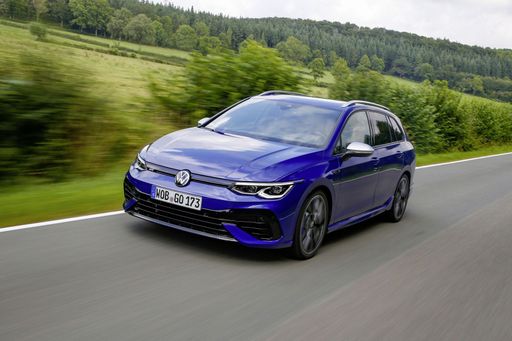
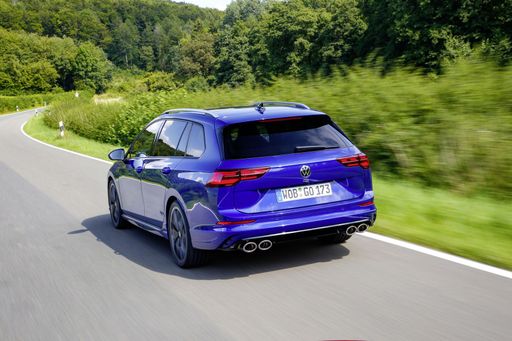
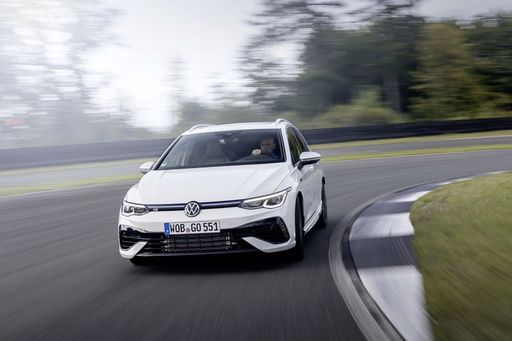
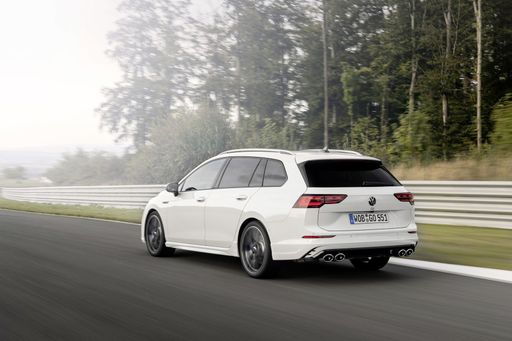
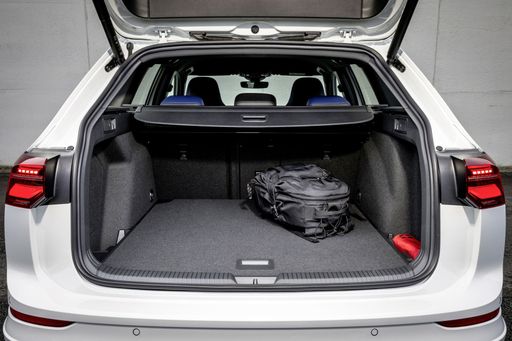
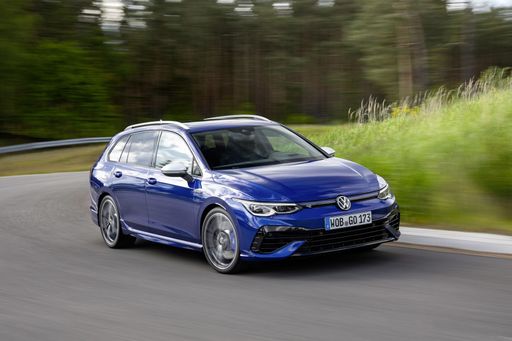
Starting with their body types, the VW Golf Variant is a classic wagon, known for its practicality and spaciousness. Measuring 4,631 mm in length, 1,789 mm in width, and 1,487 mm in height, it offers a substantial trunk capacity of 611 liters, making it an ideal choice for families and those who need extra storage.

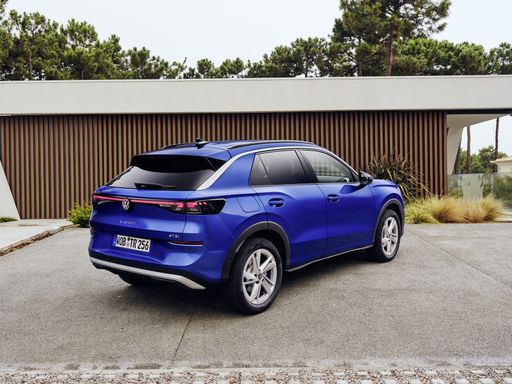
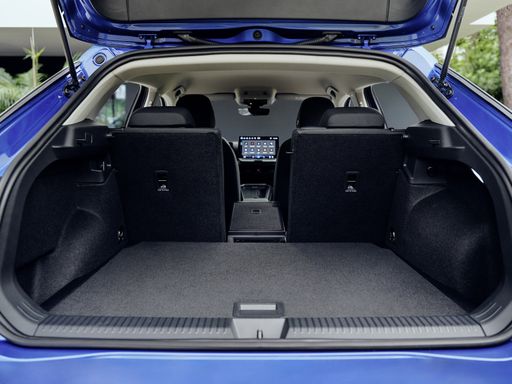
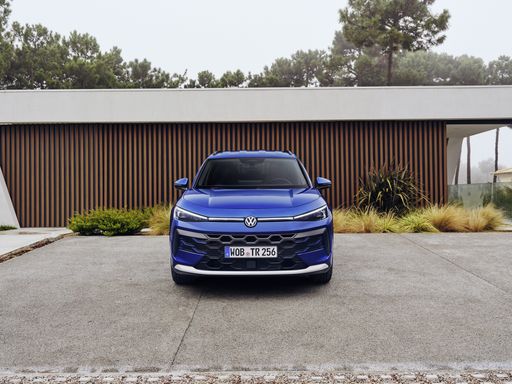
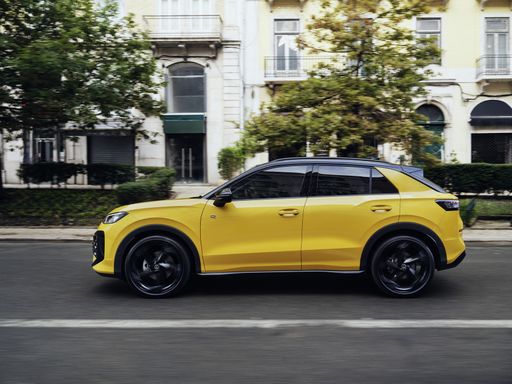
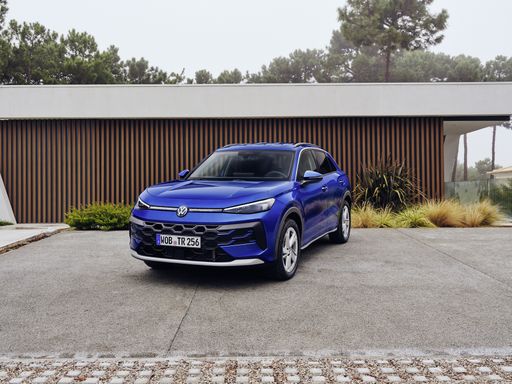
In contrast, the VW T-Roc is classified as a compact SUV, which generally implies a more rugged design with higher ground clearance. The T-Roc measures between 4,236 mm and 4,271 mm in length, 1,811 mm to 1,819 mm in width, and has a height ranging from 1,527 mm to 1,584 mm. It provides a trunk capacity ranging from 284 liters to 445 liters, which, while less than the Golf Variant, still offers substantial space for everyday needs.

T-Roc

Engine Options and Performance

When examining the technical aspects of both models, engine options present a variety of choices. The Golf Variant comes with a selection of petrol MHEV, petrol, and diesel engines, with power outputs ranging from 116 HP to an impressive 333 HP. The performance is complemented by different transmission options, including an automatic DCT and a manual gearbox, paired with a front-wheel or all-wheel drive system. The acceleration from 0-100 km/h varies between 4.8 to 10.5 seconds, depending on the engine choice.

On the other hand, the T-Roc offers petrol and diesel engines with power outputs from 115 HP up to 300 HP. Transmission options include manual and automatic gearboxes, also with front-wheel and all-wheel drive configurations. Its acceleration timings range from a swift 4.9 seconds to a more leisurely 12.3 seconds. The T-Roc's performance, particularly with its higher-powered versions, is designed to appeal to those seeking thrill alongside functionality.

Golf Variant

Fuel Efficiency

Fuel efficiency plays a crucial role in the decision-making process for many buyers. The Golf Variant shows commendable fuel consumption figures, ranging from 4.4 to 8.5 L/100 km, demonstrating its ability to cater to more economical driving without sacrificing performance.

The T-Roc offers slightly higher consumption figures ranging from 4.7 to 8.5 L/100 km. This is especially relevant for the higher-powered engines, which, while fun to drive, come with a cost in fuel efficiency. However, both models perform competitively within their segments.

T-Roc

Interior and Technology

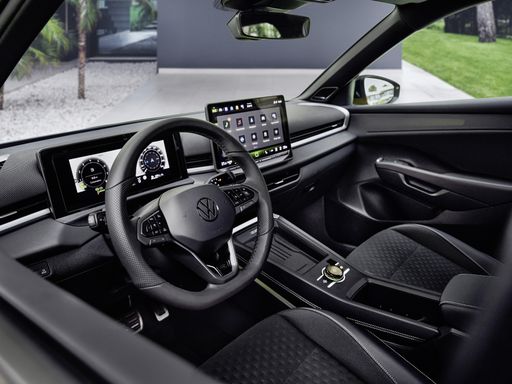
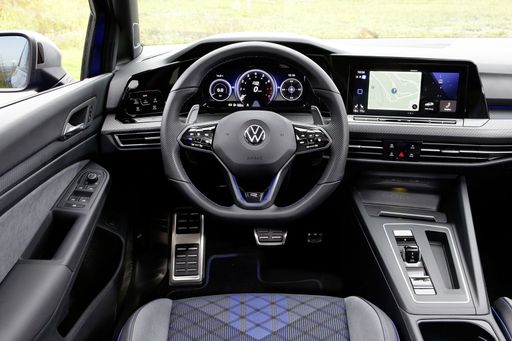
Inside, the Golf Variant maintains Volkswagen’s high standards for comfort and technology. With seating for five, the cabin is designed for usability and includes an array of modern technological features such as advanced infotainment systems, driver-assistance features, and a refined finish throughout.

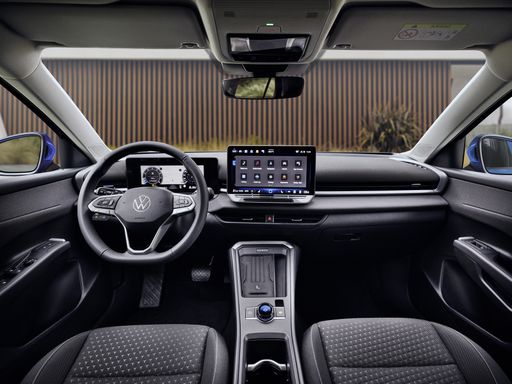
The T-Roc, while also accommodating five passengers, leans towards an adventurous theme with a sporty interior layout. It features similar technological innovations, but the design elements make it feel more youthful and dynamic, attracting a different demographic compared to the more traditional Golf Variant.

Golf Variant

Safety Features and Ratings

Both models provide a suite of safety features. The Golf Variant includes systems like adaptive cruise control, lane assist, and emergency braking, typical of VW’s commitment to occupant safety. The T-Roc also includes these features, but additionally offers options for more off-road-oriented driving aids given its SUV nature.

T-Roc

Conclusion: Which One Is Right for You?

Choosing between the VW Golf Variant and the VW T-Roc ultimately depends on individual needs and preferences. The Golf Variant is perfect for those seeking a practical wagon with ample storage, superior fuel efficiency, and a classic feel. The T-Roc, however, is ideal for buyers looking for a compact SUV that combines sporty performance with robust design elements.

In summary, both models represent Volkswagen's commitment to innovation, safety, and quality. Whichever you choose, they both deliver an engaging driving experience that aligns with modern automotive expectations.

Here’s where it gets real: The technical differences in detail

T-Roc

Costs and Efficiency:

Looking at overall running costs, both models reveal some interesting differences in everyday economy.

VW Golf Variant is marginally cheaper – starting at 26,100 £ , while the VW T-Roc costs 26,400 £ . That’s a price difference of around 300 £.

Fuel consumption also shows a difference: the VW Golf Variant uses 4.3 L/100km and is markedly more efficient than the VW T-Roc with 5.5 L/100km. The difference is about 1.2 L/100km.

Golf Variant

Engine and Performance:

Power, torque and acceleration say a lot about how a car feels on the road. This is where you see which model delivers more driving dynamics.

When it comes to engine power, the VW Golf Variant offers clearly more power – delivering 333 HP compared to 150 HP. That’s roughly 183 HP more horsepower.

When accelerating from 0 to 100 km/h, the VW Golf Variant is considerably quicker – completing the sprint in 4.8 s, while the VW T-Roc takes 8.9 s. That’s about 4.1 s quicker.

There’s also a difference in torque: the VW Golf Variant delivers significantly more torque with 420 Nm compared to 250 Nm. That’s about 170 Nm more.

T-Roc

Space and Everyday Use:

Beyond pure performance, interior space and usability matter most in daily life. This is where you see which car is more practical and versatile.

Both vehicles offer seating for 5 people.

In terms of curb weight, VW Golf Variant is very slightly lighter – 1,366 kg compared to 1,465 kg. The difference is around 99 kg.

Looking at boot space, the VW Golf Variant offers considerably more boot space – 611 L compared to 284 L. That’s a difference of about 327 L.

When it comes to payload, the VW Golf Variant carries marginally more – 547 kg compared to 515 kg. That’s a difference of about 32 kg.

Who wins the race in the data check?

The VW Golf Variant holds a decisive overall lead in the objective data comparison.
This result only shows which model scores more points on paper – not which of the two cars feels right for you.

from £26,100
Golf Variant

VW Golf Variant

  • Engine Type : Petrol MHEV, Petrol, Diesel
  • Transmission : Automatic, Manuel
  • Drive Type : Front-Wheel Drive, All-Wheel Drive
  • Power HP : 116 - 333 HP
  • Consumption L/100km : 4.3 - 8.2 L/100km
VW T-Roc
VW Golf Variant

Costs and Consumption

View detailed analysis

Engine and Performance

View detailed analysis

Dimensions and Body

View detailed analysis

VW T-Roc

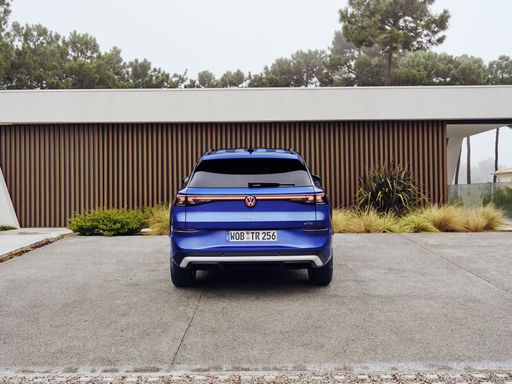
The VW T-Roc mixes cheeky, coupe-like styling with the everyday sense and space of an SUV, so it looks fun without sacrificing family sense. It’s a likeable all-rounder with tidy road manners and plenty of personality, ideal if you want a car that’s practical enough for chores but entertaining enough to enjoy.

details

VW Golf Variant

The Golf Estate packs Volkswagen's familiar poise into a practical, grown-up estate that quietly makes everyday life easier without shouting for attention. It's clever, comfortable and roomy enough for weekend kit or family chaos, offering smart packaging and refined manners that make it a sensible and surprisingly stylish choice for buyers who need space but don't want a van.

details
VW T-Roc
VW Golf Variant

Costs and Consumption

Price
26,400 - 38,600 £
Price
26,100 - 48,700 £
Consumption L/100km
5.5 - 6.3 L/100km
Consumption L/100km
4.3 - 8.2 L/100km
Consumption kWh/100km
-
Consumption kWh/100km
-
Electric Range
-
Electric Range
-
Battery Capacity
-
Battery Capacity
-
co2
126 - 143 g/km
co2
114 - 185 g/km
Fuel tank capacity
-
Fuel tank capacity
45 - 55 L

Dimensions and Body

Body Type
SUV
Body Type
Estate
Seats
4 - 5
Seats
5
Doors
-
Doors
5
Curb weight
1,465 - 1,539 kg
Curb weight
1,366 - 1,621 kg
Trunk capacity
284 L
Trunk capacity
611 L
Length
-
Length
4,631 - 4,651 mm
Width
1,811 - 1,828 mm
Width
1,789 mm
Height
-
Height
1,462 - 1,487 mm
Max trunk capacity
-
Max trunk capacity
1,624 - 1,642 L
Payload
368 - 515 kg
Payload
489 - 547 kg

Engine and Performance

Engine Type
Petrol, Petrol MHEV
Engine Type
Petrol MHEV, Petrol, Diesel
Transmission
Manuel, Automatic
Transmission
Automatic, Manuel
Transmission Detail
Manual Gearbox, Dual-Clutch Automatic
Transmission Detail
Dual-Clutch Automatic, Manual Gearbox
Drive Type
Front-Wheel Drive
Drive Type
Front-Wheel Drive, All-Wheel Drive
Power HP
115 - 150 HP
Power HP
116 - 333 HP
Acceleration 0-100km/h
8.9 - 12.3 s
Acceleration 0-100km/h
4.8 - 10.5 s
Max Speed
-
Max Speed
203 - 250 km/h
Torque
200 - 250 Nm
Torque
220 - 420 Nm
Number of Cylinders
3 - 4
Number of Cylinders
4
Power kW
85 - 110 kW
Power kW
85 - 245 kW
Engine capacity
999 - 1,498 cm3
Engine capacity
1,498 - 1,984 cm3

General

Model Year
2,024 - 2,025
Model Year
2,024 - 2,025
CO2 Efficiency Class
E, D
CO2 Efficiency Class
D, G, F, C
Brand
VW
Brand
VW
DriveDuel uses data analysis and artificial intelligence to evaluate vehicle data and create content. Content is regularly reviewed and improved. The displayed prices are estimates based on German list prices, adjusted to the respective country’s VAT. Country-specific registration taxes are not included. This information is not legally binding.