VS

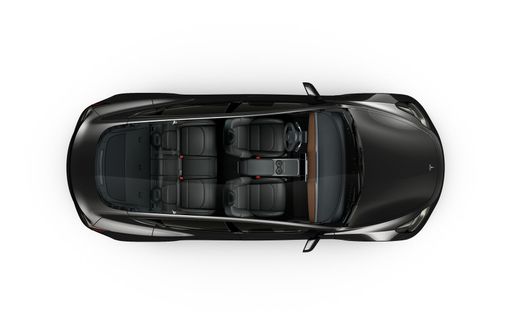
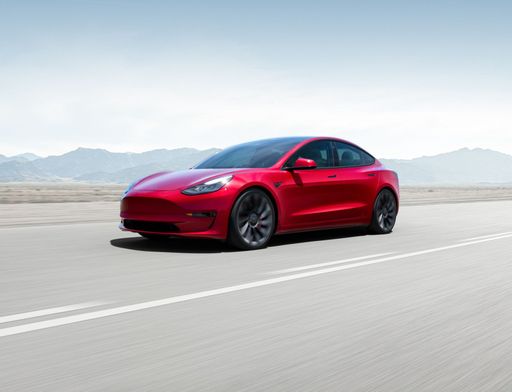
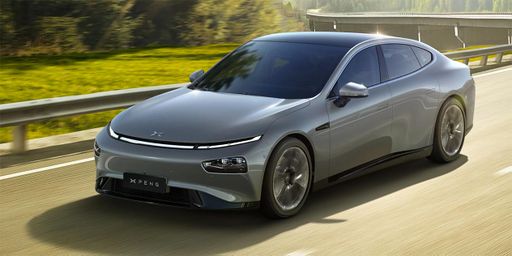
XPeng P7 vs Tesla Model 3 comparison

Compare performance (473 HP vs 460 HP), boot space and price (42,500 £ vs 31,700 £ ) at a glance. Find out which car is the better choice for you – XPeng P7 or Tesla Model 3?

XPeng P7 vs Tesla Model 3: Key differences

XPeng P7

4.9 (2 Reviews)
rate
  • only slightly more power
details

Tesla Model 3

4.3 (7 Reviews)
rate
  • clearly cheaper
  • noticeably more efficient
  • clearly more electric range
  • visibly quicker 0–100 km/h
  • somewhat lighter
  • noticeably more trunk space
details

All details on performance, efficiency, range and trunk space can be found in the technical comparison below – including user reviews for both models.

By Achim Sedelmaier

P7

Quick comparison: Tesla Model 3 VS XPeng P7

Tesla Model 3 VS XPeng P7 puts two very different takes on the electric sedan against each other: the Model 3 plays the efficient, software‑led long‑distance specialist, while the XPeng P7 aims for a quieter, better‑equipped cruising experience. In everyday terms that means the Model 3 will save you money and range anxiety on long trips, whereas the P7 sells a more traditional, plush first impression and lots of kit for the price. Both are limousines with sleek fastback lines, so neither is a cargo champion, but they reach that compromise differently in the boot and cabin. This comparison focuses on how those design choices affect real buyers rather than raw figures. Read on to see which car’s trade‑offs match your priorities before you dive into the technical data.
Model 3

Character and driving feel

The Tesla Model 3 is taut, direct and engaging—steering is precise and the car rewards confident inputs, so driving feels sporty even on mundane stretches; one‑pedal control is well integrated and firm deceleration is the norm. The XPeng P7, by contrast, prefers to soothe: it tracks straight and feels composed with very low cabin noise, but its steering gives less feedback and the overall sensation is more relaxed than thrilling. That means the Model 3 will appeal if you want a lively, communicative electric sedan, while the P7 suits drivers who prioritise calm, understated progress over cornering drama. Both cars have driver‑assistance quirks—Tesla’s systems are powerful but sometimes capricious, XPeng’s can be over‑eager—so neither is a hands‑off comfort blanket.

P7

Comfort and cabin feel

Inside the XPeng P7 you notice the soft welcome: seats are generous, insulation is excellent at speed and the interior feels like a cozy long‑distance salon straight away. The Tesla Model 3 leans into minimalist design and improved materials after recent updates, delivering a quieter and more refined cabin than earlier iterations but still a cleaner, sparser ambience. In day‑to‑day use the P7’s plush first impression can make short journeys feel nicer, while the Model 3’s sharper ergonomics and firmer damping feel fresher over twisty roads and for drivers who want a tauter connection. Rear passengers fare differently: the Model 3 generally offers more usable rear space for taller occupants, whereas the P7’s sweeping roofline cuts into headroom despite its comfortable seats.

Model 3

Practicality and usability

Both cars are sedans in profile and both compromise on load‑through practicality compared with hatchbacks, but the differences matter: the Tesla Model 3 tends to be more usable thanks to a larger overall luggage package and an additional front storage area, while the XPeng P7’s boot opening is narrower and less forgiving with bulky items. Day‑to‑day controls highlight opposing philosophies—Tesla doubles down on an integrated touchscreen and sparse physical controls, which simplifies the dash but forces habits; XPeng packs more conventional buttons and features in hardware but buries functions in deep menus and imperfect translations. If you care about phone mirroring, expect to adjust: Tesla offers a seamless ecosystem that omits Apple/Android mirroring, and XPeng’s system gives more visible options but less polish. Both deliver good seat comfort and usable front storage, so the choice here is really about how you prefer to interact with tech and how often you haul awkward cargo.

P7

Long‑distance behaviour and city friendliness

On long runs the Tesla Model 3 feels like the business choice: razor‑sharp efficiency and an integrated charging/navigation workflow reduce stops and stress, making motorway miles cheaper and simpler. The XPeng P7 isn’t far behind for comfort—its very quiet cabin and stable charging mean long days are pleasant—but you’ll spend slightly more time and energy to cover the same distance. In town the P7’s relaxed ride and easy power delivery are friendly, but the Model 3’s agility and precise controls make it better for confident urban manoeuvres once you’ve adapted to the touchscreen‑centric layout. Parking and low‑speed visibility are nuanced: both have rear visibility constraints from their fastback styling, so camera and sensor packages are practically necessary in city parking.

Model 3

Buyer fit and trade‑offs

Choose the Tesla Model 3 if you prioritise lowest running costs, long real‑world range, a snappy software experience and a livelier driving character—ideal for tech‑savvy commuters and distance drivers who value efficiency. Opt for the XPeng P7 if you want a quieter cabin, more standard equipment and a softer, more traditional comfort package at the point of sale—better for buyers who prize cruise‑comfort and perceived value over razor‑sharp handling. Be honest about rear headroom and boot needs: families who load strollers regularly will feel the limits of both, but may prefer the Model 3’s extra luggage usability. Below this editorial comparison you’ll find the technical section that maps these impressions onto the concrete numbers so you can weigh those trade‑offs precisely.

Here’s where it gets real: The technical differences in detail

P7

Costs and Efficiency:

Looking at overall running costs, both models reveal some interesting differences in everyday economy.

Tesla Model 3 is clearly cheaper – starting at 31,700 £ , while the XPeng P7 costs 42,500 £ . That’s a price difference of around 10,809 £.

In terms of energy consumption, the Tesla Model 3 is noticeably more efficient: consuming 13 kWh/100km compared to 16.8 kWh/100km for the XPeng P7. That’s a difference of about 3.8 kWh/100km.

As for electric range, the Tesla Model 3 offers clearly more range – reaching up to 750 km, about 174 km more than the XPeng P7.

Model 3

Engine and Performance:

Power, torque and acceleration say a lot about how a car feels on the road. This is where you see which model delivers more driving dynamics.

When it comes to engine power, the XPeng P7 offers only slightly more power – delivering 473 HP compared to 460 HP. That’s roughly 13 HP more horsepower.

When accelerating from 0 to 100 km/h, the Tesla Model 3 is visibly quicker – completing the sprint in 3.1 s, while the XPeng P7 takes 4.1 s. That’s about 1 s quicker.

There’s also a difference in torque: the XPeng P7 delivers slightly more torque with 757 Nm compared to 660 Nm. That’s about 97 Nm more.

P7

Space and Everyday Use:

Beyond pure performance, interior space and usability matter most in daily life. This is where you see which car is more practical and versatile.

Both vehicles offer seating for 5 people.

In terms of curb weight, Tesla Model 3 is somewhat lighter – 1,772 kg compared to 2,020 kg. The difference is around 248 kg.

Looking at boot space, the Tesla Model 3 offers noticeably more boot space – 594 L compared to 440 L. That’s a difference of about 154 L.

When it comes to payload, the XPeng P7 carries a bit more – 430 kg compared to 377 kg. That’s a difference of about 53 kg.

Who wins the race in the data check?

The Tesla Model 3 holds a decisive overall lead in the objective data comparison.
This result only shows which model scores more points on paper – not which of the two cars feels right for you.

from £31,700
Model 3

Tesla Model 3

  • Engine Type : Electric
  • Transmission : Automatic
  • Drive Type : All-Wheel Drive, Rear-Wheel Drive
  • Power HP : 283 - 460 HP
  • Consumption kWh/100km : 13 - 16.5 kWh/100km
  • Electric Range : 534 - 750 km
XPeng P7
Tesla Model 3

Costs and Consumption

View detailed analysis

Engine and Performance

View detailed analysis

Dimensions and Body

View detailed analysis

XPeng P7

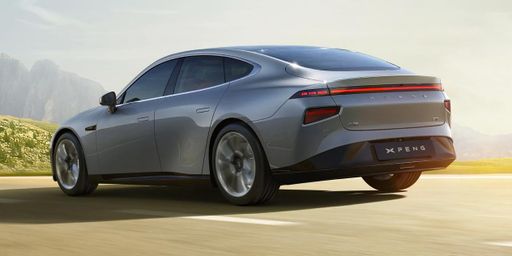
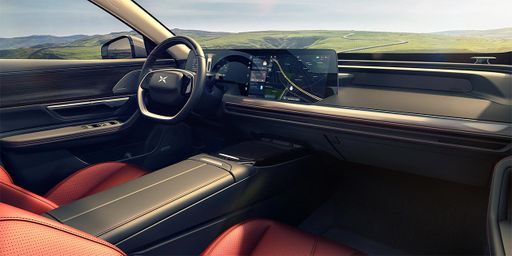
The XPeng P7 cuts a sleek, coupe-like silhouette that looks like a tech firm's idea of a stylish electric sedan, and its minimalist cabin packs smart screens and handy features that actually improve everyday life. Underneath the future-facing image it drives with surprising poise and comes loaded with advanced driver aids, making it a tempting choice for buyers who want electric charisma without the hype.

details

Tesla Model 3

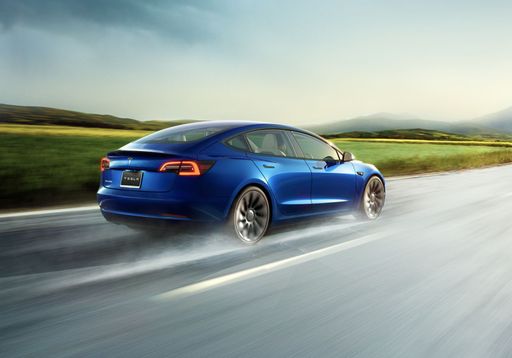
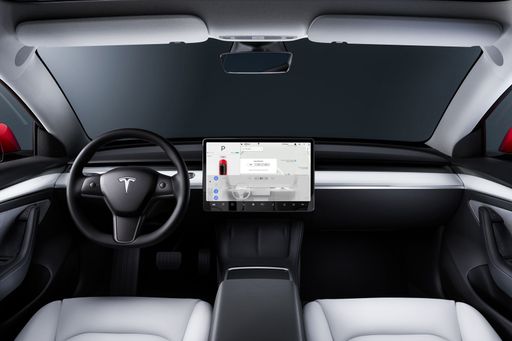
The Tesla Model 3 slices through daily commuting with a silent, confident shove that makes petrolheads reassess their life choices, while its minimalist cabin feels more like a slick gadget gallery than a traditional car interior. For buyers after a fuss-free, tech-forward electric with plenty of grin factor and low running drama, it’s hard to beat—just don't be surprised when the car updates itself overnight.

details
XPeng P7
Tesla Model 3

Costs and Consumption

Price
42,500 - 50,200 £
Price
31,700 - 50,100 £
Consumption L/100km
-
Consumption L/100km
-
Consumption kWh/100km
16.8 - 19.2 kWh/100km
Consumption kWh/100km
13 - 16.5 kWh/100km
Electric Range
505 - 576 km
Electric Range
534 - 750 km
Battery Capacity
82.7 kWh
Battery Capacity
-
co2
0 g/km
co2
0 g/km
Fuel tank capacity
-
Fuel tank capacity
-

Dimensions and Body

Body Type
Sedan
Body Type
Sedan
Seats
5
Seats
5
Doors
5
Doors
-
Curb weight
2,020 - 2,140 kg
Curb weight
1,772 - 1,929 kg
Trunk capacity
440 L
Trunk capacity
594 L
Length
4,888 mm
Length
-
Width
1,896 mm
Width
1,850 mm
Height
1,450 mm
Height
-
Max trunk capacity
-
Max trunk capacity
-
Payload
430 kg
Payload
303 - 377 kg

Engine and Performance

Engine Type
Electric
Engine Type
Electric
Transmission
Automatic
Transmission
Automatic
Transmission Detail
Reduction Gearbox
Transmission Detail
Reduction Gearbox
Drive Type
Rear-Wheel Drive, All-Wheel Drive
Drive Type
All-Wheel Drive, Rear-Wheel Drive
Power HP
276 - 473 HP
Power HP
283 - 460 HP
Acceleration 0-100km/h
4.1 - 6.7 s
Acceleration 0-100km/h
3.1 - 6.2 s
Max Speed
200 km/h
Max Speed
-
Torque
440 - 757 Nm
Torque
420 - 660 Nm
Number of Cylinders
-
Number of Cylinders
-
Power kW
203 - 348 kW
Power kW
208 - 338 kW
Engine capacity
-
Engine capacity
-

General

Model Year
2024
Model Year
2025
CO2 Efficiency Class
A
CO2 Efficiency Class
A
Brand
XPeng
Brand
Tesla
DriveDuel uses data analysis and artificial intelligence to evaluate vehicle data and create content. Content is regularly reviewed and improved. The displayed prices are estimates based on German list prices, adjusted to the respective country’s VAT. Country-specific registration taxes are not included. This information is not legally binding.