VS

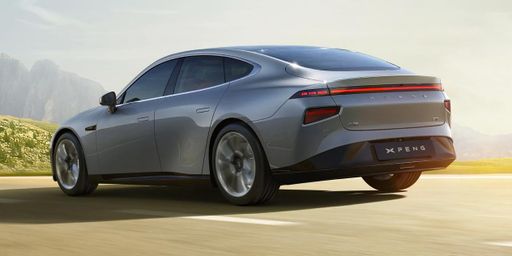
XPeng P7 vs XPeng G6 comparison

Compare performance (473 HP vs 487 HP), boot space and price (42,500 £ vs 37,400 £ ) at a glance. Find out which car is the better choice for you – XPeng P7 or XPeng G6?

XPeng P7 vs XPeng G6: Key differences

XPeng P7

4.9 (2 Reviews)
rate
  • only slightly more efficient
  • only slightly more electric range
  • marginally lighter
details

XPeng G6

5 (3 Reviews)
rate
  • slightly cheaper
  • very slightly more power
  • markedly more trunk space
details

All details on performance, efficiency, range and trunk space can be found in the technical comparison below – including user reviews for both models.

By Achim Sedelmaier

P7

Meet the contenders

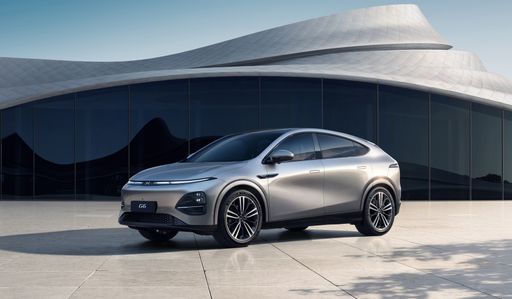
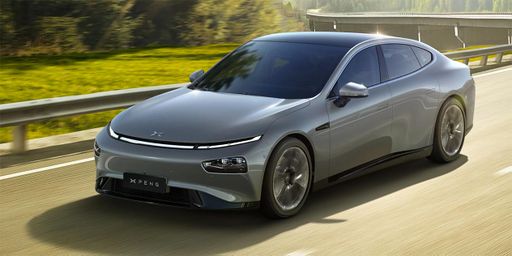
In one corner sits the XPeng G6, a fresh-faced electric offering that leans into practicality with a confident, modern silhouette; in the other, the XPeng P7 arrives with a sleeker, driver-focused attitude that has long turned heads. Both wear XPeng badges but they speak to different tastes — one whispers sensible progress, the other flirts with sporty elegance. Think of this as a character duel rather than a straight performance fight: same family, different personalities. The fun is in choosing which temperament fits your daily life and ego.
G6

Under the skin: mood and positioning

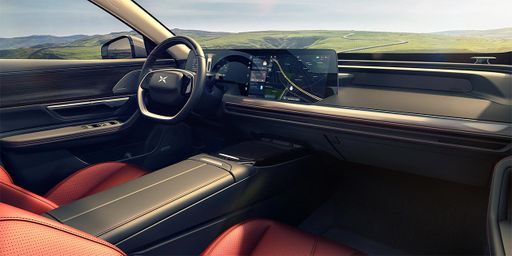
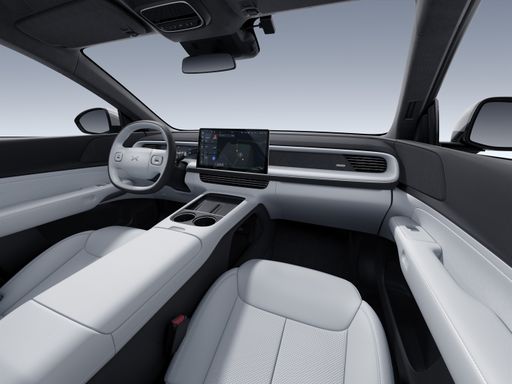
The G6 projects calm competence, favoring usable space and a more upright presence that says “use me” rather than “look at me,” while the P7 trades some practicality for a tauter stance and a more intimate cockpit feel. Interiors follow suit: the G6 feels thoughtfully laid-out and roomy, the P7 feels composed and slightly more driver-centric. One aims to soothe the daily grind, the other aims to make the drive itself part of the appeal. Together they show how the same brand can chase different emotional beats.

P7

How they live with you day-to-day

For school runs, weekend kit and long-distance calm, the G6 is the one that feels less fussy about luggage and life’s little annoyances, with a sense of composure that welcomes family routines. The P7 rewards anyone who treats their commute like a short pleasure drive, with a chassis and seating position that favour involvement over maximum cargo gymnastics. Both will handle urban chores and motorway miles, but they do so with different priorities — one leans utility-first, the other leans driver-first. Your calendar and hobby list will quickly expose which approach fits better.

G6

The story you tell when you arrive

Picking the G6 says you value sensible modernity and a restrained kind of confidence: practical, considered, not trying too hard but still polished. Choosing the P7 sends a slightly different message — you enjoy automotive presence and a bit of flair, and you like arriving with the impression that the car matches your tastes. Both choices are defensible as expressions of good taste; it’s just a question of whether you prefer quiet competence or tasteful drama. Either way, you’re communicating something about how you want to be seen on the street.

P7

If what matters to you is everyday sense and usability

If what matters to you is straightforward practicality and a car that makes family life and hauling stuff less of a hassle, the XPeng G6 will likely appeal: it feels roomy, organised and forgiving in daily use. You’ll appreciate sensible ergonomics and a cabin that prioritises comfort over theatrics, which suits commuters and small families who value predictability. This is the choice for the planner who wants a modern electric car that behaves more like a helpful tool than a billboard. Expect low drama and high utility in equal measure.

If what matters to you is presence and driver feeling

If what matters to you is a more engaging driving posture and a car that looks and feels sportier in town and on country roads, the XPeng P7 answers that call with its tauter character and more intimate cockpit vibe, though the practical virtues of the G6 will be missed by those who pack a lot. The P7 suits someone who places style and driving enjoyment near the top of their checklist, and who enjoys the idea of a car as part of their personal statement. It’s the pick for drivers who want a little more edge to their daily routine while still enjoying modern electric convenience. Read on to see where the small but telling differences sit on paper.

Here’s where it gets real: The technical differences in detail

P7

Costs and Efficiency:

Looking at overall running costs, both models reveal some interesting differences in everyday economy.

XPeng G6 is slightly cheaper – starting at 37,400 £ , while the XPeng P7 costs 42,500 £ . That’s a price difference of around 5,143 £.

In terms of energy consumption, the XPeng P7 is only slightly more efficient: consuming 16.8 kWh/100km compared to 17.3 kWh/100km for the XPeng G6. That’s a difference of about 0.5 kWh/100km.

As for electric range, the XPeng P7 offers only slightly more range – reaching up to 576 km, about 51 km more than the XPeng G6.

G6

Engine and Performance:

Power, torque and acceleration are the classic benchmarks for car enthusiasts – and here, some clear differences start to show.

When it comes to engine power, the XPeng G6 offers very slightly more power – delivering 487 HP compared to 473 HP. That’s roughly 14 HP more horsepower.

Both models accelerate almost equally fast – 4.1 s from 0 to 100 km/h.

There’s also a difference in torque: the XPeng P7 delivers a bit more torque with 757 Nm compared to 660 Nm. That’s about 97 Nm more.

P7

Space and Everyday Use:

Cabin size, boot volume and payload all play a role in everyday practicality. Here, comfort and flexibility make the difference.

Both vehicles offer seating for 5 people.

In terms of curb weight, XPeng P7 is marginally lighter – 2,020 kg compared to 2,065 kg. The difference is around 45 kg.

Looking at boot space, the XPeng G6 offers markedly more boot space – 571 L compared to 440 L. That’s a difference of about 131 L.

When it comes to payload, the XPeng G6 carries barely more – 475 kg compared to 430 kg. That’s a difference of about 45 kg.

Who wins the race in the data check?

The XPeng G6 shows a few small advantages in the objective data comparison.
This result only shows which model scores more points on paper – not which of the two cars feels right for you.

from £37,400
G6

XPeng G6

  • Engine Type : Electric
  • Transmission : Automatic
  • Drive Type : Rear-Wheel Drive, All-Wheel Drive
  • Power HP : 252 - 487 HP
  • Consumption kWh/100km : 17.3 - 18.4 kWh/100km
  • Electric Range : 455 - 525 km
XPeng P7
XPeng G6

Costs and Consumption

View detailed analysis

Engine and Performance

View detailed analysis

Dimensions and Body

View detailed analysis

XPeng P7

The XPeng P7 cuts a sleek, coupe-like silhouette that looks like a tech firm's idea of a stylish electric sedan, and its minimalist cabin packs smart screens and handy features that actually improve everyday life. Underneath the future-facing image it drives with surprising poise and comes loaded with advanced driver aids, making it a tempting choice for buyers who want electric charisma without the hype.

details

XPeng G6

The XPeng G6 looks like a sleeker, tech-rich alternative to conventional electric SUVs, with an interior that feels modern, airy and purposefully designed for everyday comfort. On the road it’s composed and surprisingly engaging, giving drivers a smart mix of calm refinement and a playful streak — not bad for a car that quietly challenges the usual premium suspects.

details
XPeng P7
XPeng G6

Costs and Consumption

Price
42,500 - 50,200 £
Price
37,400 - 44,200 £
Consumption L/100km
-
Consumption L/100km
-
Consumption kWh/100km
16.8 - 19.2 kWh/100km
Consumption kWh/100km
17.3 - 18.4 kWh/100km
Electric Range
505 - 576 km
Electric Range
455 - 525 km
Battery Capacity
82.7 kWh
Battery Capacity
-
co2
0 g/km
co2
0 g/km
Fuel tank capacity
-
Fuel tank capacity
-

Dimensions and Body

Body Type
Sedan
Body Type
SUV
Seats
5
Seats
5
Doors
5
Doors
-
Curb weight
2,020 - 2,140 kg
Curb weight
2,065 - 2,220 kg
Trunk capacity
440 L
Trunk capacity
571 L
Length
4,888 mm
Length
-
Width
1,896 mm
Width
1,920 mm
Height
1,450 mm
Height
-
Max trunk capacity
-
Max trunk capacity
-
Payload
430 kg
Payload
470 - 475 kg

Engine and Performance

Engine Type
Electric
Engine Type
Electric
Transmission
Automatic
Transmission
Automatic
Transmission Detail
Reduction Gearbox
Transmission Detail
Reduction Gearbox
Drive Type
Rear-Wheel Drive, All-Wheel Drive
Drive Type
Rear-Wheel Drive, All-Wheel Drive
Power HP
276 - 473 HP
Power HP
252 - 487 HP
Acceleration 0-100km/h
4.1 - 6.7 s
Acceleration 0-100km/h
4.1 - 6.9 s
Max Speed
200 km/h
Max Speed
-
Torque
440 - 757 Nm
Torque
440 - 660 Nm
Number of Cylinders
-
Number of Cylinders
-
Power kW
203 - 348 kW
Power kW
185 - 358 kW
Engine capacity
-
Engine capacity
-

General

Model Year
2024
Model Year
2025
CO2 Efficiency Class
A
CO2 Efficiency Class
A
Brand
XPeng
Brand
XPeng
DriveDuel uses data analysis and artificial intelligence to evaluate vehicle data and create content. Content is regularly reviewed and improved. The displayed prices are estimates based on German list prices, adjusted to the respective country’s VAT. Country-specific registration taxes are not included. This information is not legally binding.