VS

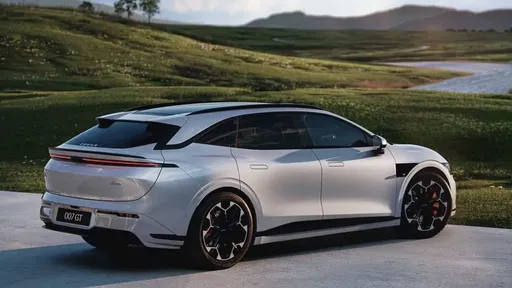
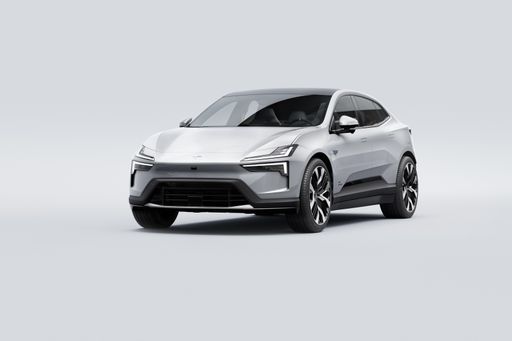
ZEEKR 7GT vs Polestar 4 comparison

Compare performance (646 HP vs 544 HP), boot space and price (41,100 £ vs 53,100 £ ) at a glance. Find out which car is the better choice for you – ZEEKR 7GT or Polestar 4?

ZEEKR 7GT vs Polestar 4: Key differences

ZEEKR 7GT

4.6 (2 Reviews)
rate
  • clearly cheaper
  • somewhat more power
  • only slightly more efficient
  • only slightly more electric range
  • a bit quicker 0–100 km/h
details

Polestar 4

4.8 (12 Reviews)
rate
  • only slightly lighter
  • somewhat more trunk space
details

All details on performance, efficiency, range and trunk space can be found in the technical comparison below – including user reviews for both models.

By Achim Sedelmaier

7GT

Polestar 4 and ZEEKR 7GT: a direct electric GT comparison

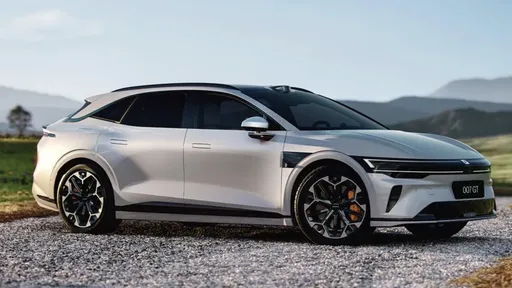
Polestar 4 and ZEEKR 7GT offer two very different takes on what a premium electric GT should be, making this a high‑value matchup for buyers weighing style against utility. In the Polestar 4 VS ZEEKR 7GT comparison the Polestar reads as a low, coupe‑SUV with a hushed cabin and Scandinavian design, while the ZEEKR presents itself as a shooting‑brake‑style estate that prioritises practical loading and ultra‑fast recharge stops. Those surface differences quickly translate into everyday trade‑offs: serenity and rear‑seat comfort versus shorter charging sessions and easier cargo handling. Read on to see how each car behaves in city life, on long trips and as a family daily driver, and then check the technical comparison for the supporting numbers.
4

Driving character: calm cruiser versus GT‑leaning estate

The Polestar 4 steers and settles like a refined cruiser, favouring composure and silence over razor‑sharp feedback, so drivers who prefer laid‑back, assured motorway miles will appreciate its demeanour. The ZEEKR 7GT feels more GT‑oriented on paper and in brief drives — immediate shove and a softer initial ride give the impression of faster everyday progress, though final European chassis tuning will affect how sporty or plush it truly is. Polestar 4’s steering is safe and slightly synthetic, which keeps confidence high but reduces driver‑engagement for those after analogue feel. ZEEKR 7GT rewards throttle inputs and shortens overtaking with quicker recharge logic and strong mid‑range pull, making it the more proactive choice on mixed routes.

7GT

Comfort and cabin: silence and Scandinavian calm vs premium materials and space

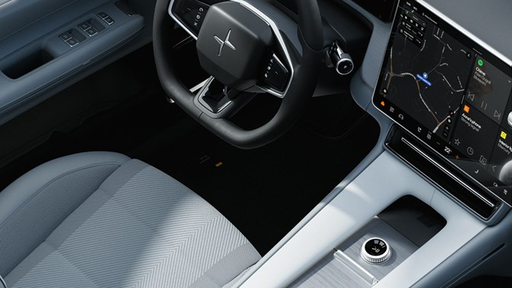
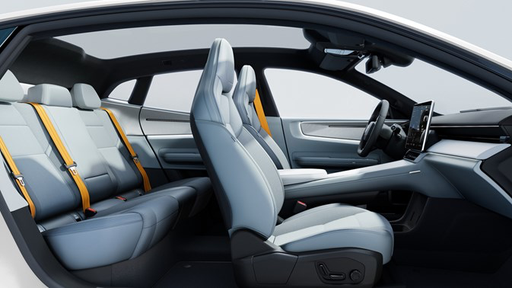
Inside, the Polestar 4 excels at acoustic comfort and seating — large, supportive seats and a surprisingly luxurious rear with reclining backs create a calm environment for long drives. The ZEEKR 7GT answers with top‑tier materials, big displays and a layout that feels like a premium estate; its tactile surfaces and visual presentation are strong selling points. Rear legroom is generous in both, but ZEEKR’s lower seat cushion can leave taller passengers wanting more thigh support while Polestar 4’s rear feels cocooned and exceptionally comfortable for two. Polestar 4’s camera‑mirror and minimalist dash are striking but require acclimatisation, whereas ZEEKR 7GT’s more conventional controls will feel familiar to most users.

4

Practicality and everyday usability: estate logic vs coupe‑SUV styling

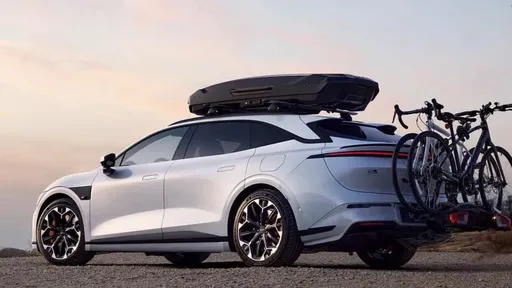
If your daily life includes awkwardly shaped loads or frequent trips with tall items, the ZEEKR 7GT’s shooting‑brake hatch and near‑flat load floor make packing and stacking far easier than the Polestar 4. Polestar 4’s sculpted rear and narrower aperture reduce the practicality of large, bulky items even though rear passenger space is excellent. ZEEKR 7GT also benefits from a front storage compartment and predictable estate geometry that simplifies weekend projects and suitcases. Polestar 4 offers clever interior packaging and a feeling of exclusivity, but regular movers and family haulers will find the ZEEKR layout more forgiving.

7GT

Long‑distance behaviour and charging: serenity vs time‑saved recharges

On long runs the Polestar 4’s strength is a hushed cabin and seats that reduce fatigue across hours at speed, making it a natural long‑distance cruiser for those who value comfort above all. The ZEEKR 7GT changes the travel equation by dramatically shortening DC charging stops, which cuts overall travel time and makes it feel faster door‑to‑door on long trips. Polestar 4’s real‑world range and motorway refinement are well documented in everyday conditions, whereas ZEEKR 7GT’s advertised long‑haul credentials depend on final European testing and chassis calibration. For drivers who want the fewest and shortest stops, ZEEKR 7GT is the pragmatic pick; for those who prize serene cruising and seat comfort, Polestar 4 keeps the edge.

4

Buyer fit: which model suits you and how to decide

Pick a Polestar 4 if you want a design‑led coupe‑SUV with a very quiet cabin, excellent seats and a premium, tech‑rich interior that reads as a refined long‑distance companion. Choose a ZEEKR 7GT if you need pragmatic estate packaging, faster recharge cycles and the best equipment‑for‑price in this segment, accepting some unanswered questions around EU chassis tuning and brand‑level resale. Consider lifestyle details—city parking and narrow garages suit the Polestar less due to its width, while routine bulky loads and fast recharges favour the ZEEKR. Do a luggage test and a motorway run on each, then consult the technical comparison below for charging, range, power and cargo figures to match these impressions to the numbers before you decide.

Here’s where it gets real: The technical differences in detail

7GT

Costs and Efficiency:

When it comes to price and running costs, the biggest differences usually appear. This is often where you see which car fits your budget better in the long run.

ZEEKR 7GT is clearly cheaper – starting at 41,100 £ , while the Polestar 4 costs 53,100 £ . That’s a price difference of around 11,923 £.

In terms of energy consumption, the ZEEKR 7GT is only slightly more efficient: consuming 16.6 kWh/100km compared to 17.8 kWh/100km for the Polestar 4. That’s a difference of about 1.2 kWh/100km.

As for electric range, the ZEEKR 7GT offers only slightly more range – reaching up to 655 km, about 35 km more than the Polestar 4.

4

Engine and Performance:

Under the bonnet, it becomes clear which model is tuned for sportiness and which one takes the lead when you hit the accelerator.

When it comes to engine power, the ZEEKR 7GT offers somewhat more power – delivering 646 HP compared to 544 HP. That’s roughly 102 HP more horsepower.

When accelerating from 0 to 100 km/h, the ZEEKR 7GT is a bit quicker – completing the sprint in 3.3 s, while the Polestar 4 takes 3.8 s. That’s about 0.5 s quicker.

There’s also a difference in torque: the ZEEKR 7GT delivers only slightly more torque with 710 Nm compared to 686 Nm. That’s about 24 Nm more.

7GT

Space and Everyday Use:

Whether family car or daily driver – which one offers more room, flexibility and comfort?

Both vehicles offer seating for 5 people.

In terms of curb weight, Polestar 4 is only slightly lighter – 2,230 kg compared to 2,265 kg. The difference is around 35 kg.

Looking at boot space, the Polestar 4 offers somewhat more boot space – 526 L compared to 456 L. That’s a difference of about 70 L.

Who wins the race in the data check?

The ZEEKR 7GT is far ahead overall in the objective data comparison.
This result only shows which model scores more points on paper – not which of the two cars feels right for you.

from £41,100
7GT

ZEEKR 7GT

  • Engine Type Electric
  • Transmission Automatic
  • Drive Type Rear-Wheel Drive, All-Wheel Drive
  • Power HP 421 - 646 HP
  • Consumption kWh/100km 16.6 - 19.8 kWh/100km
  • Electric Range 519 - 655 km
ZEEKR 7GT
Polestar 4

Costs and Consumption

View detailed analysis

Engine and Performance

View detailed analysis

Dimensions and Body

View detailed analysis

ZEEKR 7GT

The Zeekr 7 GT stakes its claim as a smartly styled, quietly confident grand tourer that mixes comfort with a sporty edge to keep daily drives interesting. Inside it feels more grown-up EV than gadget toy, offering a polished cabin and driver-focused flair that will appeal to buyers who want presence without pretension.

details

Polestar 4

The Polestar 4 wears a coupe-like profile and a Scandinavian-minimal interior that feels premium and unexpectedly roomy, with composed handling that makes urban driving and country roads a pleasure. For buyers who want an electric car that turns heads without shouting, the Polestar 4 is a stylish, clever choice that balances practicality with personality.

details
ZEEKR 7GT
Polestar 4

Costs and Consumption

Price
41,100 - 51,000 £
Price
53,100 - 59,900 £
Consumption L/100km
-
Consumption L/100km
-
Consumption kWh/100km
16.6 - 19.8 kWh/100km
Consumption kWh/100km
17.8 - 19 kWh/100km
Electric Range
519 - 655 km
Electric Range
590 - 620 km
Battery Capacity
-
Battery Capacity
-
co2
0 g/km
co2
0 g/km
Fuel tank capacity
-
Fuel tank capacity
-

Dimensions and Body

Body Type
Estate
Body Type
SUV
Seats
5
Seats
5
Doors
-
Doors
-
Curb weight
2,265 - 2,405 kg
Curb weight
2,230 - 2,355 kg
Trunk capacity
456 L
Trunk capacity
526 L
Length
-
Length
-
Width
1,910 mm
Width
2,008 mm
Height
-
Height
-
Max trunk capacity
-
Max trunk capacity
-
Payload
-
Payload
455 kg

Engine and Performance

Engine Type
Electric
Engine Type
Electric
Transmission
Automatic
Transmission
Automatic
Transmission Detail
Reduction Gearbox
Transmission Detail
Reduction Gearbox
Drive Type
Rear-Wheel Drive, All-Wheel Drive
Drive Type
Rear-Wheel Drive, All-Wheel Drive
Power HP
421 - 646 HP
Power HP
272 - 544 HP
Acceleration 0-100km/h
3.3 - 5.3 s
Acceleration 0-100km/h
3.8 - 7.1 s
Max Speed
-
Max Speed
-
Torque
440 - 710 Nm
Torque
343 - 686 Nm
Number of Cylinders
-
Number of Cylinders
-
Power kW
310 - 475 kW
Power kW
200 - 400 kW
Engine capacity
-
Engine capacity
-

General

Model Year
2026
Model Year
2026
CO2 Efficiency Class
A
CO2 Efficiency Class
A
Brand
ZEEKR
Brand
Polestar
DriveDuel uses data analysis and artificial intelligence to evaluate vehicle data and create content. Content is regularly reviewed and improved. The displayed prices are estimates based on German list prices, adjusted to the respective country’s VAT. Country-specific registration taxes are not included. This information is not legally binding.