Audi Q3 alternatives & comparisons

Here you can find alternatives to the Audi Q3, based on existing comparison pages and popular model matchups. We currently show 6 suitable models as a starting point for your buying decision.

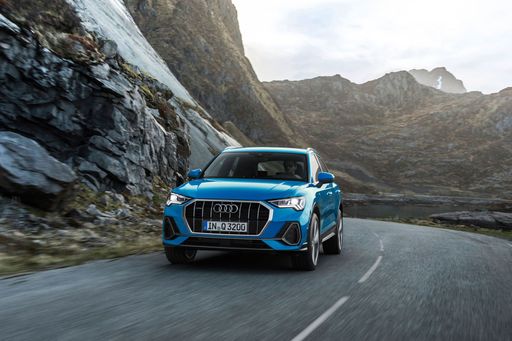
Audi Q3

Alternative models

These models are frequently compared with the Audi Q3 and are good next research steps.

from £26,400
T-Roc

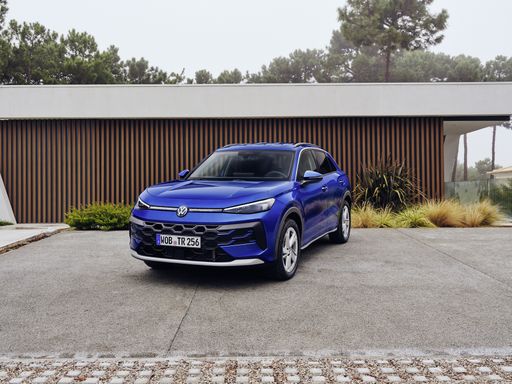
VW T-Roc

  • Engine Type Petrol, Petrol MHEV
  • Transmission Manual, Automatic
  • Drive Type Front-Wheel Drive
  • Power HP 115 - 150 HP
  • Consumption L/100km 5.5 - 6.3 L/100km

VW T-Roc as a suitable alternative to Audi Q3

Choosing between the Audi Q3 and the VW T‑Roc comes down to whether you value Audi’s upmarket feel and refinement or the T‑Roc’s sharper pricing and practical versatility. This comparison focuses on real-world driving, interior quality, technology and running costs to help you decide which compact SUV suits your needs.

The Volkswagen T‑Roc is a stylish, well-proportioned crossover that blends hatchback agility with SUV presence. It delivers a comfortable cabin, user-friendly tech and a composed ride, making it a sensible choice for buyers who want practicality with a bit of character.

Quick data check: VW T-Roc

  • clearly cheaper
  • somewhat lighter
from £45,900
EQA

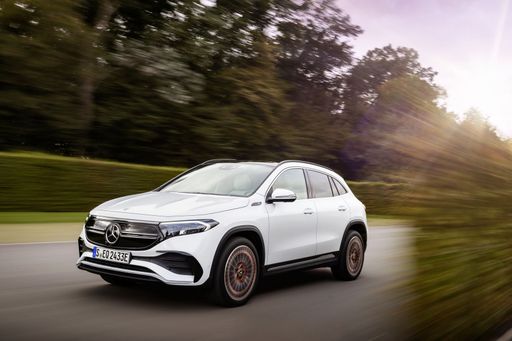
Mercedes EQA

  • Engine Type Electric
  • Transmission Automatic
  • Drive Type All-Wheel Drive
  • Power HP 228 HP
  • Consumption kWh/100km 16.9 kWh/100km
  • Electric Range 476 km

Mercedes EQA as a suitable alternative to Audi Q3

Audi Q3 vs Mercedes EQA: two compact premium crossovers that target similar buyers but take very different technical routes. The Q3 is a conventional petrol/diesel (and mild-hybrid) compact SUV that focuses on practicality and traditional driving feel, while the EQA is Mercedes’ small electric SUV that prioritises zero-emission urban driving, refinement and tech. Key differences at a glance - Powertrain: Q3 = combustion engines (turbo petrol/diesel, some mild-hybrid variants). EQA = fully electric only. That’s the biggest, most decisive contrast for daily life and running costs. - Running costs and fueling: EQA is cheaper per mile/kilometre if you charge at home or on affordable public chargers; Q3 wins on refuelling convenience and long-distance range without planning. - Driving feel: Q3 feels like a sporty, composed compact SUV with conventional steering and gearbox feedback; EQA delivers instant torque, silent operation and a more relaxed, linear acceleration. - Practicality: Q3 typically gives a slightly more flexible packaging for luggage and rear-seat space; EQA’s battery packaging can eat into boot/underfloor volume in some trims. - Tech and cabin: EQA’s MBUX software and electric-vehicle displays feel modern and EV-centric; Q3’s interior is typically premium, driver-focused and often marginally roomier, with Audi’s clean design and solid build. - Ownership considerations: EQA needs a charging strategy (home charger recommended) and benefits from incentives/low-emission zones; Q3 avoids charging hassle and is easier for long-distance, mixed use or infrequent drivers. Who each car suits best - Pick the Audi Q3 if: - You want a conventional petrol/diesel car with flexible range and quick refuelling. - You do a lot of long motorway trips or live in areas with limited public charging. - You prioritise straightforward practicality, slightly more luggage and traditional driving dynamics. - You prefer a lower entry price for a premium compact SUV and simpler ownership setup. - Pick the Mercedes EQA if: - You want a compact EV for mostly urban and suburban driving, and you can charge at home or have reliable local chargers. - You value silent, instant acceleration, lower day-to-day running costs and lower local emissions. - You like Mercedes’ MBUX tech, a modern, tech-forward cabin and being in an EV ecosystem (software updates, eco incentives). - You plan to keep the car where EV resale and incentive structures are favourable. Short practical checks before you decide - Do you have a driveway/home charging or reliable workplace charging? If not, lean Q3. - Are most of your trips short city commutes where you value comfort and low running costs? EQA makes more sense. - Need predictable long-range ability without planning charging stops? Q3 is the safer choice. - Want lower maintenance and emissions plus access to clean-air zones? EQA is the better fit. Bottom line Choose the Audi Q3 for familiar, flexible, long-range practicality and a premium compact-SUV feel. Choose the Mercedes EQA if you’re ready to go electric, can charge conveniently, and prioritise low running costs, refinement and modern tech in urban-focused driving.

The Mercedes EQA slips into the electric crossover ranks with the brand’s familiar luxury polish, offering a quiet, fuss-free drive that feels perfectly at home in the city or on a country escape. Inside it’s neatly finished and tech-forward, projecting grown-up refinement even if it plays things a bit safe for anyone chasing outright excitement.


Quick data check: Mercedes EQA

  • substantially more electric range
from £40,200
A5 Sportback

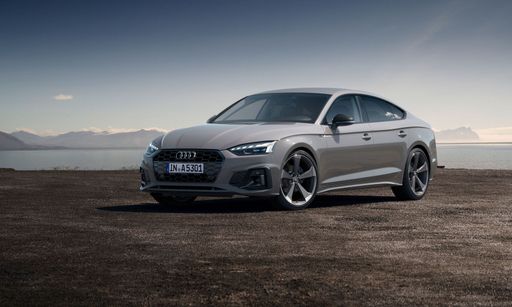
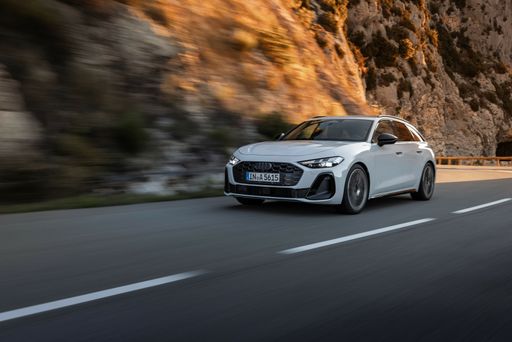
Audi A5 Sportback

  • Engine Type Plug-in Hybrid, Petrol, Diesel MHEV, Petrol MHEV
  • Transmission Automatic
  • Drive Type All-Wheel Drive, Front-Wheel Drive
  • Power HP 150 - 639 HP
  • Consumption L/100km 1.7 - 7.6 L/100km
  • Electric Range 84 - 120 km

Audi A5 Sportback as a suitable alternative to Audi Q3

The Audi Q3 and the Audi A5 Sportback both bring distinct strengths to the luxury compact market. The Q3, with its SUV stance, offers a versatile and roomy interior ideal for those seeking practicality and elevated driving positions, while the A5 Sportback boasts a sleek, coupe-like design paired with sporty handling and a premium feel, appealing to those who prioritize style and performance. When comparing powertrains, the A5 Sportback tends to deliver a more dynamic driving experience, whereas the Q3 excels in providing a comfortable and commanding ride.

The Audi A5 Sportback dresses up sleek coupe proportions with the everyday sense of a practical hatchback, so you get striking looks without the compromises. Behind the wheel it balances poise and comfort with premium trimmings that make daily driving feel a little bit special — ideal for buyers who want style and substance in equal measure.

Quick data check: Audi A5 Sportback

  • significantly more power
  • marginally more electric range
  • considerably quicker 0–100 km/h
from £29,600
Qashqai

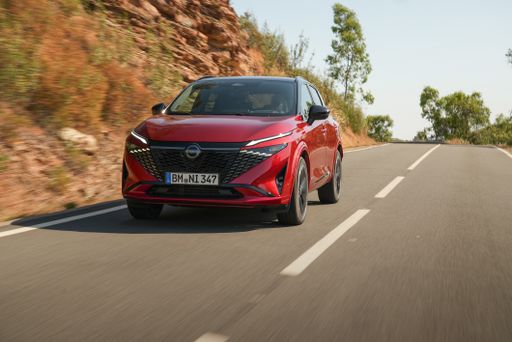
Nissan Qashqai

  • Engine Type Petrol MHEV, Full Hybrid
  • Transmission Manual, Automatic
  • Drive Type Front-Wheel Drive, All-Wheel Drive
  • Power HP 158 - 205 HP
  • Consumption L/100km 4.3 - 6.8 L/100km

Nissan Qashqai as a suitable alternative to Audi Q3

In the competitive compact SUV segment, the Audi Q3 and Nissan Qashqai both offer compelling features tailored to different consumer preferences. The Q3 impresses with its luxurious interior and advanced technology, providing a premium driving experience, while the Qashqai stands out for its practicality and value for money. Ultimately, buyers must weigh the Q3's upscale charm against the Qashqai's affordability and spaciousness to determine which model best suits their lifestyle.

The Nissan Qashqai is a compact crossover that blends everyday practicality with a comfortable, composed driving experience and a smart, well finished interior. It feels sensible and versatile for city life and longer trips, appealing to buyers who want a reliable, low fuss family car.

Quick data check: Nissan Qashqai

  • visibly cheaper
  • somewhat lighter
  • marginally more trunk space
from £31,300
Tucson

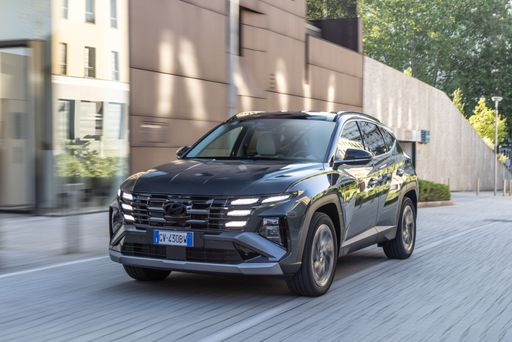
Hyundai Tucson

  • Engine Type Petrol, Full Hybrid, Plug-in Hybrid, Diesel MHEV
  • Transmission Manual, Automatic
  • Drive Type Front-Wheel Drive, All-Wheel Drive
  • Power HP 136 - 288 HP
  • Consumption L/100km 2.7 - 7.6 L/100km
  • Electric Range 63 - 70 km

Hyundai Tucson as a suitable alternative to Audi Q3

In the competitive compact SUV segment, the Audi Q3 stands out with its premium interior and cutting-edge technology, offering a luxurious driving experience. Meanwhile, the Hyundai Tucson impresses with its spacious cabin, user-friendly features, and excellent value for money. Both models have their unique strengths, making the choice ultimately depend on whether you prioritize luxury or practicality.

The Hyundai Tucson is a well-rounded compact SUV that blends modern styling with a comfortable, thoughtfully laid-out interior, making it appealing for daily driving and family use. It delivers a calm ride, a generous level of equipment for the price, and sensible practicality, so it's a smart choice if you want a straightforward, dependable crossover without fuss.

Quick data check: Hyundai Tucson

  • clearly cheaper
  • very slightly more power
  • marginally lighter
  • visibly more trunk space
from £41,600
A5 Avant

Audi A5 Avant

  • Engine Type Plug-in Hybrid, Petrol, Diesel MHEV, Petrol MHEV
  • Transmission Automatic
  • Drive Type All-Wheel Drive, Front-Wheel Drive
  • Power HP 150 - 639 HP
  • Consumption L/100km 1.8 - 7.7 L/100km
  • Electric Range 83 - 118 km

Quick data check: Audi A5 Avant

  • clearly more power
  • clearly quicker 0–100 km/h
DriveDuel uses data analysis and artificial intelligence to evaluate vehicle data and create content. Content is regularly reviewed and improved. The displayed prices are estimates based on German list prices, adjusted to the respective country’s VAT. Country-specific registration taxes are not included. This information is not legally binding.