Volvo XC90 alternatives & comparisons

Here you can find alternatives to the Volvo XC90, based on existing comparison pages and popular model matchups. We currently show 6 suitable models as a starting point for your buying decision.

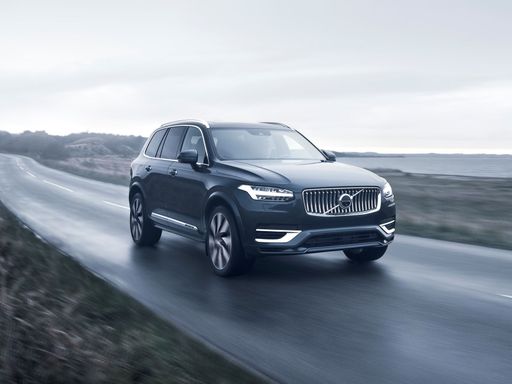
Volvo XC90

Alternative models

These models are frequently compared with the Volvo XC90 and are good next research steps.

from £49,300
CX-80

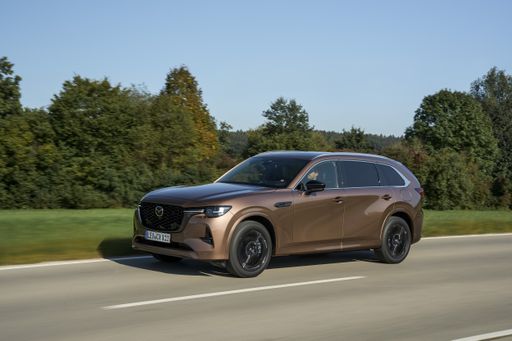
Mazda CX-80

  • Engine Type Plugin Hybrid, Diesel MHEV
  • Transmission Automatic
  • Drive Type All-Wheel Drive
  • Power HP 254 - 327 HP
  • Consumption L/100km 4 - 5.6 L/100km
  • Electric Range 60 km

Mazda CX-80 as a suitable alternative to Volvo XC90

In the CX-80 vs XC90 duel, Mazda punches above its class with an elegant, driver-focused cabin and taut handling that makes this three-row SUV feel more like a sporty wagon, while Volvo’s XC90 leans into Scandinavian calm — airy space, top-tier safety kit and a plush ride. Choose the Mazda if you want sharper steering, attractive value and a bit of character; pick the Volvo if you need maximum space, premium refinement and the reassurance of class-leading safety (for a price that reminds you it’s the nicer sofa).

The Mazda CX-80 brings polished, near-premium styling and a cabin that feels far classier than its badge might imply. It steers with a composed, engaging character and packs the sensible practicality families want — with just enough flair to make school runs feel a little less ordinary.

Quick data check: Mazda CX-80

  • somewhat more power
  • somewhat more efficient
  • a bit more electric range
  • noticeably quicker 0–100 km/h
  • marginally lighter
  • clearly cheaper
from £38,600
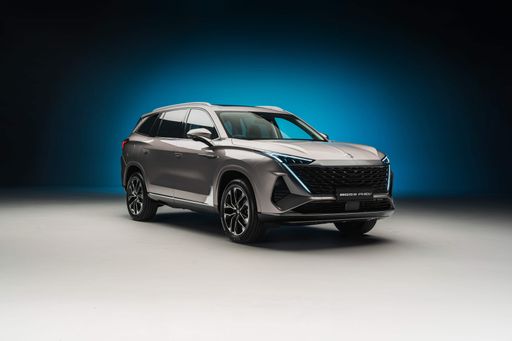
MGS9

MG MGS9

  • Engine Type Plugin Hybrid
  • Transmission Automatic
  • Drive Type Front-Wheel Drive
  • Power HP 299 HP
  • Consumption L/100km 2.4 L/100km
  • Electric Range 100 km

MG MGS9 as a suitable alternative to Volvo XC90

The Volvo XC90 and the MG MGS9 are rival seven-seat SUVs aimed at buyers who want space, comfort and modern tech — but they come from very different traditions: Volvo leans on safety, refined materials and a premium driving feel, while MG focuses on affordability and generous equipment. This quick comparison will help you decide which suits your priorities better: the XC90’s Scandinavian refinement and safety pedigree or the MGS9’s value-packed practicality.

The MG MGS9 presents itself as a stylish, value-focused flagship SUV with a roomy, well-equipped cabin and contemporary infotainment. It balances a comfortable ride with engaging handling, making it a compelling choice for buyers seeking a feature-rich alternative to established rivals.
Quick data check: MG MGS9

  • noticeably more power
  • clearly quicker 0–100 km/h
  • barely lighter
  • substantially cheaper
  • clearly more efficient
  • clearly more electric range
from £78,900
GLE

Mercedes GLE

  • Engine Type Petrol MHEV, Plugin Hybrid, Diesel MHEV
  • Transmission Automatic
  • Drive Type All-Wheel Drive
  • Power HP 309 - 585 HP
  • Consumption L/100km 3.2 - 10.6 L/100km
  • Electric Range 91 - 104 km

Mercedes GLE as a suitable alternative to Volvo XC90

In the competitive luxury SUV segment, the Mercedes GLE and Volvo XC90 stand out for their distinctive qualities. The GLE impresses with its dynamic performance and cutting-edge technology, offering an engaging driving experience, while the XC90 enchants with its Scandinavian design and commitment to safety. Ultimately, choosing between these two vehicles comes down to personal preference, as both provide a blend of comfort, style, and capability.

The Mercedes GLE blends luxurious comfort with a confident road presence, wrapping tech and refinement in an SUV shape that still knows how to behave on a twisty back road. Inside it's plush and quiet, with clever storage and driver aids that make long trips effortless — plus the badge gives it that easy-to-respect curb appeal.

Quick data check: Mercedes GLE

  • marginally cheaper
  • somewhat lighter
  • noticeably more power
  • barely more efficient
  • markedly more electric range
  • markedly quicker 0–100 km/h
from £62,300
V90

Volvo V90

  • Engine Type Plugin Hybrid
  • Transmission Automatic
  • Drive Type All-Wheel Drive
  • Power HP 398 - 455 HP
  • Consumption L/100km 0.8 L/100km
  • Electric Range 88 km

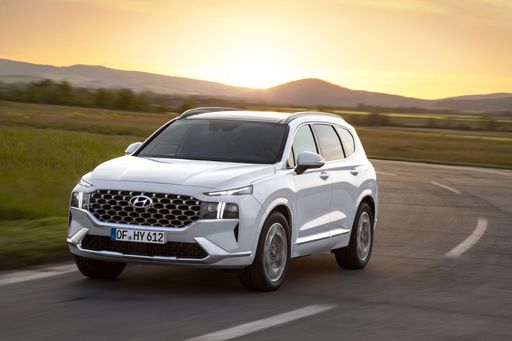
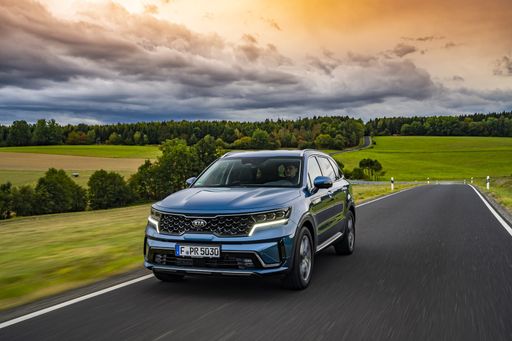
Volvo V90 as a suitable alternative to Volvo XC90

In comparing the Volvo V90 and the Volvo XC90, buyers will find distinct advantages tailored to different lifestyle needs. The V90, with its sleek wagon design and sophisticated handling, appeals to those who value a more traditional driving experience combined with generous cargo space. On the other hand, the XC90 stands out with its commanding SUV stance and advanced all-wheel-drive capability, making it a suitable choice for families seeking versatility and all-terrain confidence.

The Volvo V90 blends Scandinavian elegance with estate practicality, delivering a composed ride and an interior that's both luxurious and perfectly sensible. Packed with clever storage and top-flight safety kit, it's the choice for buyers who want to look classy while hauling life's chaos — without making a fuss about it.

Quick data check: Volvo V90

  • slightly cheaper
  • slightly more power
  • substantially more efficient
  • visibly more electric range
  • moderately quicker 0–100 km/h
  • very slightly lighter
from £57,900
Defender

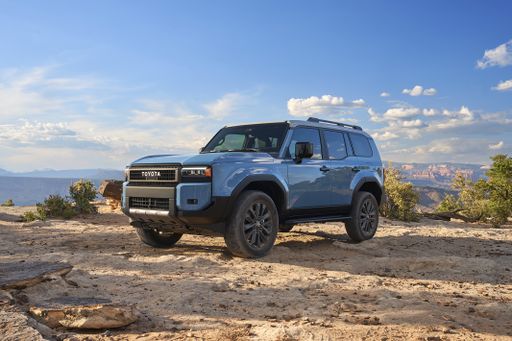
Land Rover Defender

  • Engine Type Petrol, Diesel MHEV, Plugin Hybrid, Petrol MHEV
  • Transmission Automatic
  • Drive Type All-Wheel Drive
  • Power HP 200 - 635 HP
  • Consumption L/100km 6 - 14.4 L/100km
  • Electric Range 48 km

Land Rover Defender as a suitable alternative to Volvo XC90

The Volvo XC90 and the Land Rover Defender serve very different needs: the XC90 is a refined, safety-focused luxury family SUV with elegant styling and hybrid options, while the Defender is a purpose-built, go-anywhere vehicle that prioritises durability and off-road capability. Choosing between them comes down to priorities—pick the XC90 for passenger comfort, efficiency and Scandinavian refinement, or the Defender for serious trail performance, rugged practicality and a bolder character.

The Land Rover Defender looks like it could shrug off a weekend of serious off-road abuse while still turning heads on the high street. Inside it balances practical, no-nonsense utility with enough creature comforts to make daily driving feel less like an expedition and more like a stylish commute—rugged charm with civilized manners.

Quick data check: Land Rover Defender

  • considerably more efficient
  • noticeably more electric range
  • slightly lighter
  • noticeably cheaper
  • markedly more power
  • markedly quicker 0–100 km/h
from £39,300
5008

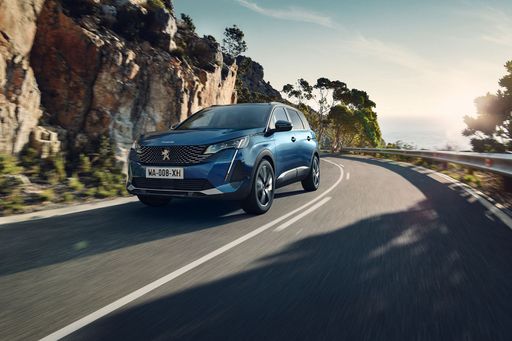
Peugeot 5008

  • Engine Type Electric, Petrol MHEV, Plugin Hybrid
  • Transmission Automatic
  • Drive Type Front-Wheel Drive, All-Wheel Drive
  • Power HP 145 - 325 HP
  • Consumption L/100km 2.7 - 5.6 L/100km
  • Consumption kWh/100km 17.8 - 18.1 kWh/100km
  • Electric Range 78 - 669 km

Peugeot 5008 as a suitable alternative to Volvo XC90

The Peugeot 5008 and Volvo XC90 both offer three-row seating but aim at different buyers: the 5008 is a practical, value-focused family SUV while the XC90 is a premium, safety-led luxury SUV. This comparison will focus on space, comfort, performance, efficiency and running costs to help you decide which suits your priorities and budget.

The Peugeot 5008 blends Peugeot's sharp design with the space and versatility families actually need, wrapping clever packaging and a premium-feeling cabin in a crisp, SUV-like silhouette. It drives with more poise than you'd expect from a people carrier, serves up practical touches and flexible seating for everyday chaos, and still looks good when parked outside the school gates.

Quick data check: Peugeot 5008

  • slightly more power
  • clearly quicker 0–100 km/h
  • substantially cheaper
  • noticeably more efficient
  • significantly more electric range
  • markedly lighter
DriveDuel uses data analysis and artificial intelligence to evaluate vehicle data and create content. Content is regularly reviewed and improved. The displayed prices are estimates based on German list prices, adjusted to the respective country’s VAT. Country-specific registration taxes are not included. This information is not legally binding.