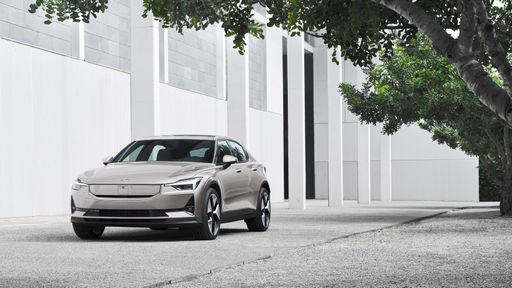
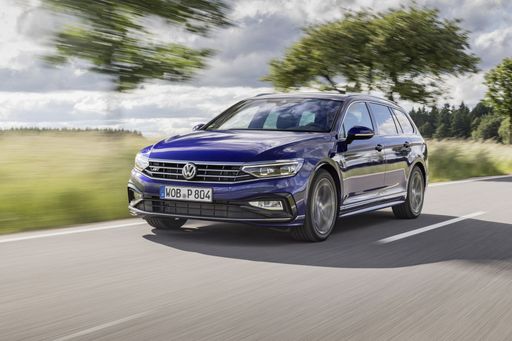
Polestar 2 as a suitable alternative to VW ID.7
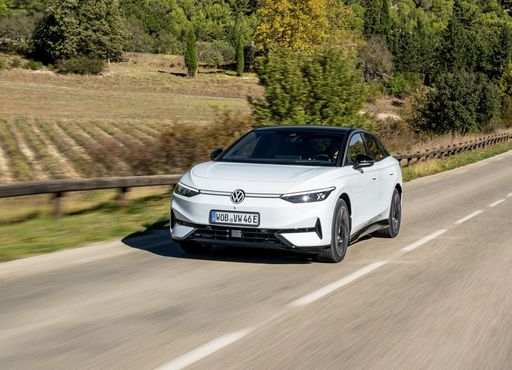
VW ID.7 vs Polestar 2 — two very different takes on the modern electric car: the ID.7 is Volkswagen’s comfortable, aerodynamic large EV aimed at long-distance cruising, while the Polestar 2 is a compact, performance-leaning electric hatch with a minimalist Scandinavian interior. Choosing between them comes down to whether you want roomy, refined range and comfort (ID.7) or a sharper, more engaging compact EV with a tech-forward cabin (Polestar 2).
Quick verdict
- Pick the VW ID.7 if you value interior space, long-distance comfort, and a relaxed highway ride.
- Pick the Polestar 2 if you want sharper handling, a more compact footprint for city use, and a direct, high-quality cabin with strong tech integration.
Who each car fits best
- VW ID.7: Commuters and families who do longer drives, want more rear-seat and trunk space, and prefer a calm, refined driving experience. Good for buyers who prioritize practicality and range comfort over sporty dynamics.
- Polestar 2: Enthusiastic drivers or urban buyers who want a more tactile driving experience, tight handling, and a modern, minimalist interior tech stack. Better if you value design, driver engagement, and a smaller exterior footprint.
Key differences at a glance
- Space and comfort: ID.7 is larger and more passenger-friendly, especially in the rear seats and boot. Polestar 2 is smaller but feels solidly built with a higher-quality cabin finish.
- Driving dynamics: Polestar 2 is the sharper, more responsive car; ID.7 leans toward smoothness and stability at speed.
- Tech and infotainment: Polestar 2 uses a Google-based system that’s intuitive and tightly integrated; VW’s system is modern and feature-rich but more traditional in layout.
- Range and charging: Both are competent for everyday use and longer trips; the ID.7 is optimized for efficient highway cruising, while Polestar 2 balances performance and range. Real-world results depend on spec, wheel size, and driving style.
- Practicality: ID.7 wins for luggage and rear-seat comfort; Polestar 2 is easier to park and maneuver in tight city environments.
- Style and presence: ID.7 is sleek and understated; Polestar 2 is minimalist with a Scandinavian design identity and stronger visual character.
Interior and comfort
- ID.7: Roomy, airy cabin with a focus on long-distance comfort. Materials and ergonomics follow VW’s family-friendly approach — simple, logical, and comfortable for four adults on long trips.
- Polestar 2: Minimalist, premium-feeling interior with good material quality and a clean dashboard. Rear-seat space is adequate but not as generous as the ID.7.
Performance and driving feel
- ID.7: Tuned for composure and efficiency. Acceleration is smooth; chassis and suspension prioritize comfort and stability over corner-carving.
- Polestar 2: More driver-oriented with sharper turn-in and a firmer setup. If you enjoy a more connected feel and confident handling, Polestar 2 will be more satisfying.
Technology and infotainment
- Polestar 2: Google Android Automotive OS with seamless Google Maps, Assistant, and Play integration. The system feels modern and updates well.
- ID.7: VW’s infotainment is comprehensive with good ergonomics and features; voice and menu systems have improved significantly. Both offer driver-assist systems and digital clusters.
Safety and driver aids
- Both cars come with strong active safety suites and modern driver assistance features (adaptive cruise, lane keep, emergency braking, etc.). Polestar emphasizes a premium safety approach, and VW brings decades of safety engineering — either will be solid for family use.
Cost and running considerations
- Purchase price will depend on trims and options; in many markets the Polestar 2 sits below the ID.7 in absolute cost given the ID.7’s larger size and positioning. Consider equipment levels carefully.
- Running costs depend on electricity prices, charging habits, and insurance; the ID.7’s efficiency at high speeds can make it cheaper on long motorway trips, while Polestar 2’s smaller size can be more efficient around town.
Pros and cons — quick list
- VW ID.7
- Pros: Spacious, comfortable, efficient at cruising, excellent for long trips, practical trunk and rear legroom.
- Cons: Less engaging to drive, larger footprint for city parking, more conservative styling.
- Polestar 2
- Pros: Sharper handling, premium minimalist cabin, excellent tech integration, compact for city use.
- Cons: Less rear-seat and boot space than ID.7, firmer ride may be less comfortable on rough roads.
Recommendation
- If your driving is dominated by long-distance journeys, you regularly carry rear passengers or luggage, and you prefer a relaxed, comfortable ride, choose the VW ID.7.
- If you want a compact, engaging EV with strong tech, sporty manners and a premium-feeling cabin for everyday urban use, choose the Polestar 2.
If you tell me which features matter most to you (range, rear passenger space, sportiness, price target, or tech preferences), I’ll give a tailored recommendation and narrow down trims/options to consider.
The Polestar 2 is a crisp, Scandinavian-styled electric liftback that pairs minimalist luxury with a focused, driver's attitude. It feels agile and composed whether you’re commuting or heading out for the weekend, with a tech-forward cabin and enough personality to make everyday driving a bit more fun.

 Deutschland
 France
 Nederland
 Great Britain
 Sverige
 Danmark
 Suomi
Suomi Italia
 Polska
 Česko
Česko España