VS

Alfa Romeo Junior vs Renault R5 comparison

Compare performance (280 HP vs 150 HP), boot space and price (26,100 £ vs 24,000 £ ) at a glance. Find out which car is the better choice for you – Alfa Romeo Junior or Renault R5?

Alfa Romeo Junior vs Renault R5: Key differences

Alfa Romeo Junior

4.9 (7 Reviews)
rate
  • significantly more power
  • only slightly more electric range
  • markedly quicker 0–100 km/h
  • very slightly lighter
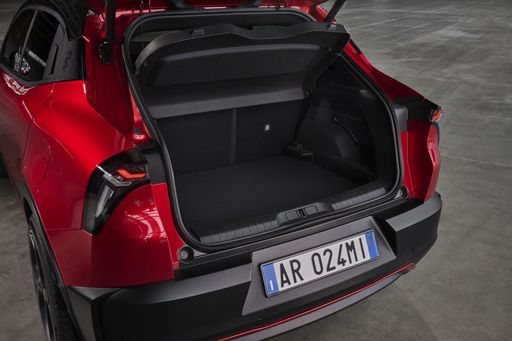
  • markedly more trunk space
details

Renault R5

5 (1 Reviews)
rate
  • only slightly cheaper
  • very slightly more efficient
details

All details on performance, efficiency, range and trunk space can be found in the technical comparison below – including user reviews for both models.

By Achim Sedelmaier

Junior

The automotive landscape is continuously evolving, and with the rise of electric vehicles, it's essential to compare models that represent the future of driving. In this article, we delve into a head-to-head comparison between the Alfa Romeo Junior and the Renault R5. Both vehicles are designed to meet modern demands, yet they embody different philosophies and performance metrics that appeal to distinct segments of the market.
R5

Design and Body Type

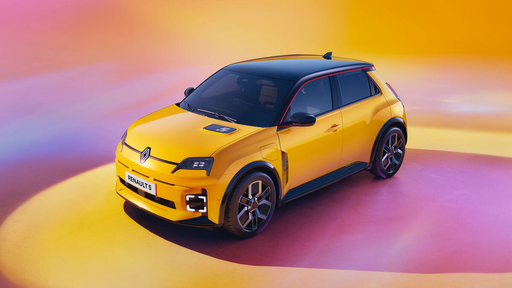
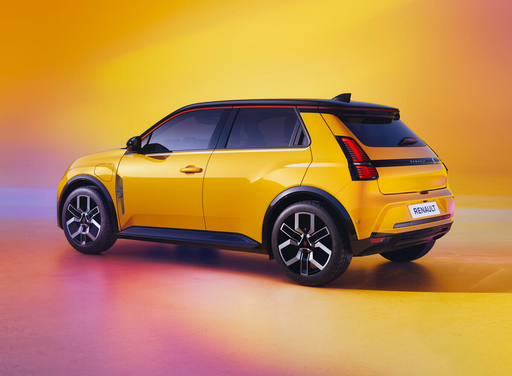
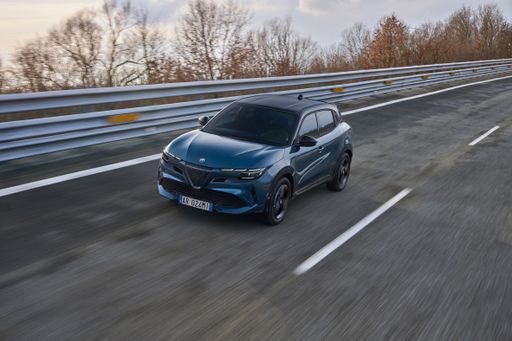
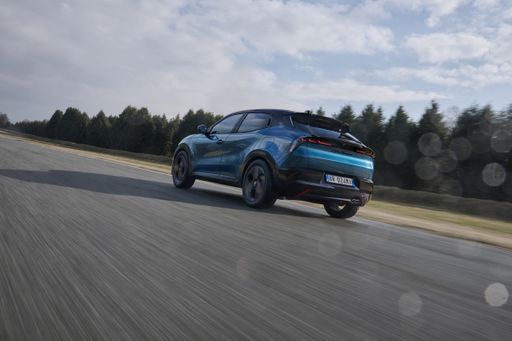
The Alfa Romeo Junior shines with its bold SUV design, exuding a sporty yet functional aesthetic. This model reflects the brand's commitment to strength and activity, targeting consumers who enjoy a blend of style and versatility. In contrast, the Renault R5 is designed as a hatchback, emphasizing urban mobility and compactness. Its streamlined look caters to city dwellers who favor agility and ease of parking in crowded spaces.

Junior

Powertrain Options

When it comes to powertrains, the Alfa Romeo Junior offers a range of options, including electric and petrol MHEV (Mild Hybrid Electric Vehicle) formats. It boasts power outputs of up to 280 HP, providing a thrilling driving experience. The Junior accelerates from 0-100 km/h in just 5.9 seconds, highlighting its sporty character. With its electric variant, drivers can enjoy up to 410 km of range with a consumption rate of 15.2 kWh/100 km, making it a formidable choice for eco-conscious drivers.

The Renault R5, while also featuring an electric engine, offers lower power outputs ranging from 95 to 150 HP. It can achieve the 0-100 km/h benchmark in approximately 8 seconds, which is respectable yet indicates a more modest performance compared to the Junior. With an electric range of 405 km and a consumption rate of 14.8 kWh/100 km, the R5 is efficient, designed primarily for city commutes and daily errands.

R5

Transmission and Drive Type

Both vehicles come equipped with automatic transmissions, with the Alfa Romeo Junior utilizing a dual-clutch automatic system for smoother acceleration and quicker gear changes. Its front-wheel drive configuration enhances dynamic handling across diverse road conditions.

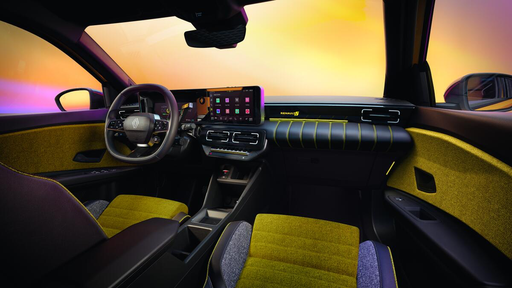
The Renault R5’s automatic transmission leverages a reduction gearbox, focusing on maximizing efficiency and providing a seamless driving experience. It also features front-wheel drive, ensuring agility in urban environments while maintaining stability on highways.

Junior

Interior and Capacity

Interior space is critical for practicality, and both models accommodate five passengers comfortably. The Junior offers a larger trunk capacity of up to 415 liters, making it suitable for weekend trips and family outings. In comparison, the R5 provides 326 liters of cargo space, which, although smaller, is efficient for daily use.

R5

Environmental Impact

From an environmental perspective, the Alfa Romeo Junior's various engine options provide different CO2 emissions, with the electric model achieving zero emissions. The petrol engines range from 103 g/km of CO2, achieving a CO2 efficiency class ranking from “A” to “C”.

The Renault R5 excels in its eco-friendliness, receiving a CO2 efficiency class of “A” with zero emissions from its electric variants. This makes it a suitable choice for consumers prioritizing sustainability in their vehicle choices.

Pricing and Value Proposition

While we did not delve into specific pricing, it is worth noting that Alfa Romeo often positions itself as a premium brand, which may reflect in the Junior's costs. Renault, focused on providing value, generally offers competitive pricing, making the R5 an attractive option for budget-conscious buyers.

Conclusion

In summary, the choice between the Alfa Romeo Junior and the Renault R5 comes down to personal priorities. The Junior caters to those seeking performance, luxury, and style, embodying the spirit of an adventurous SUV. On the other hand, the R5 focuses on everyday practicality, urban functionality, and environmental consciousness.

Ultimately, both vehicles represent the shifting landscape of automotive design and engineering, emphasizing electric mobility and innovative features, tailored to the evolving lifestyle of drivers.

Here’s where it gets real: The technical differences in detail

Junior

Costs and Efficiency:

Looking at overall running costs, both models reveal some interesting differences in everyday economy.

Renault R5 is only slightly cheaper – starting at 24,000 £ , while the Alfa Romeo Junior costs 26,100 £ . That’s a price difference of around 2,100 £.

In terms of energy consumption, the Renault R5 is very slightly more efficient: consuming 14.8 kWh/100km compared to 15.1 kWh/100km for the Alfa Romeo Junior. That’s a difference of about 0.3 kWh/100km.

As for electric range, the Alfa Romeo Junior offers only slightly more range – reaching up to 410 km, about 5 km more than the Renault R5.

R5

Engine and Performance:

Under the bonnet, it becomes clear which model is tuned for sportiness and which one takes the lead when you hit the accelerator.

When it comes to engine power, the Alfa Romeo Junior offers significantly more power – delivering 280 HP compared to 150 HP. That’s roughly 130 HP more horsepower.

When accelerating from 0 to 100 km/h, the Alfa Romeo Junior is markedly quicker – completing the sprint in 5.9 s, while the Renault R5 takes 8 s. That’s about 2.1 s quicker.

There’s also a difference in torque: the Alfa Romeo Junior delivers visibly more torque with 345 Nm compared to 245 Nm. That’s about 100 Nm more.

Junior

Space and Everyday Use:

Beyond pure performance, interior space and usability matter most in daily life. This is where you see which car is more practical and versatile.

Both vehicles offer seating for 5 people.

In terms of curb weight, Alfa Romeo Junior is very slightly lighter – 1,380 kg compared to 1,447 kg. The difference is around 67 kg.

Looking at boot space, the Alfa Romeo Junior offers markedly more boot space – 415 L compared to 326 L. That’s a difference of about 89 L.

When it comes to payload, the Alfa Romeo Junior carries very slightly more – 420 kg compared to 418 kg. That’s a difference of about 2 kg.

Who wins the race in the data check?

The Alfa Romeo Junior stands well ahead of its rival in the objective data comparison.
This result only shows which model scores more points on paper – not which of the two cars feels right for you.

from £26,100
Junior

Alfa Romeo Junior

  • Engine Type : Electric, Petrol MHEV
  • Transmission : Automatic
  • Drive Type : Front-Wheel Drive, All-Wheel Drive
  • Power HP : 136 - 280 HP
  • Consumption L/100km : 4.8 - 5.4 L/100km
  • Consumption kWh/100km : 15.1 - 17.5 kWh/100km
  • Electric Range : 344 - 410 km
Alfa Romeo Junior
Renault R5

Costs and Consumption

View detailed analysis

Engine and Performance

View detailed analysis

Dimensions and Body

View detailed analysis

Alfa Romeo Junior

The Alfa Romeo Junior captures the essence of Italian design with its sleek lines and compact dimensions, making it an icon of elegance and performance. With a spirited driving experience and a charming retro aesthetic, it appeals to enthusiasts and casual drivers alike. This delightful car embodies the brand's rich heritage while remaining a fun and engaging option for those seeking a unique automotive experience.

details

Renault R5

The Renault 5 blends classic styling cues with contemporary design, giving it a playful and characterful presence on the road. It’s a city-focused hatchback that feels nimble and cleverly packaged, ideal for drivers who want personality and practicality.

details
Alfa Romeo Junior
Renault R5

Costs and Consumption

Price
26,100 - 41,600 £
Price
24,000 - 26,900 £
Consumption L/100km
4.8 - 5.4 L/100km
Consumption L/100km
-
Consumption kWh/100km
15.1 - 17.5 kWh/100km
Consumption kWh/100km
14.8 - 15.2 kWh/100km
Electric Range
344 - 410 km
Electric Range
307 - 405 km
Battery Capacity
-
Battery Capacity
-
co2
0 - 119 g/km
co2
0 g/km
Fuel tank capacity
-
Fuel tank capacity
-

Dimensions and Body

Body Type
SUV
Body Type
Hatchback
Seats
5
Seats
5
Doors
-
Doors
-
Curb weight
1,380 - 1,689 kg
Curb weight
1,447 - 1,524 kg
Trunk capacity
340 - 415 L
Trunk capacity
326 L
Length
-
Length
-
Width
1,781 mm
Width
1,744 mm
Height
-
Height
-
Max trunk capacity
-
Max trunk capacity
-
Payload
390 - 420 kg
Payload
396 - 418 kg

Engine and Performance

Engine Type
Electric, Petrol MHEV
Engine Type
Electric
Transmission
Automatic
Transmission
Automatic
Transmission Detail
Reduction Gearbox, Dual-Clutch Automatic
Transmission Detail
Reduction Gearbox
Drive Type
Front-Wheel Drive, All-Wheel Drive
Drive Type
Front-Wheel Drive
Power HP
136 - 280 HP
Power HP
122 - 150 HP
Acceleration 0-100km/h
5.9 - 9.1 s
Acceleration 0-100km/h
8 - 9 s
Max Speed
-
Max Speed
-
Torque
230 - 345 Nm
Torque
225 - 245 Nm
Number of Cylinders
3
Number of Cylinders
-
Power kW
107 - 207 kW
Power kW
90 - 110 kW
Engine capacity
1,199 cm3
Engine capacity
-

General

Model Year
2,024 - 2,025
Model Year
2025
CO2 Efficiency Class
A, C, D
CO2 Efficiency Class
A
Brand
Alfa Romeo
Brand
Renault
DriveDuel uses data analysis and artificial intelligence to evaluate vehicle data and create content. Content is regularly reviewed and improved. The displayed prices are estimates based on German list prices, adjusted to the respective country’s VAT. Country-specific registration taxes are not included. This information is not legally binding.