
 Deutschland
 France
 Nederland
 Great Britain
 Sverige
 Norge
Norge Danmark
 Suomi
Suomi Italia
 Polska
 España
VS
Alpine A110 vs Toyota C-HR – Performance, range & efficiency compared
Two cars, one duel: Alpine A110 meets Toyota C-HR.
Which one wins in performance, efficiency and value for money? Find out now!
A110
@ Alpine / Renault Group Media
Costs and Efficiency:
Looking at overall running costs, both models reveal some interesting differences in everyday economy.
Toyota C-HR has a convincingly advantage in terms of price – it starts at 29100 £, while the Alpine A110 costs 55200 £. That’s a price difference of around 26108 £.
Fuel consumption also shows a difference: Toyota C-HR manages with 0.80 L and is therefore clearly more efficient than the Alpine A110 with 6.70 L. The difference is about 5.90 L per 100 km.
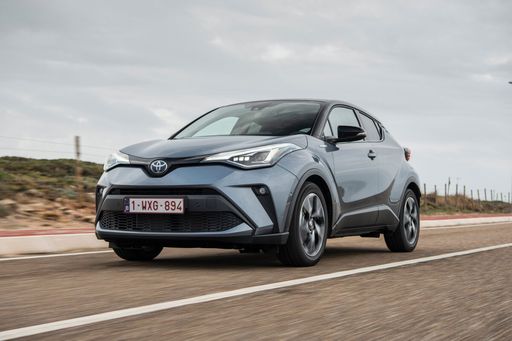
C-HR
@ Toyota Motor Corporation
Engine and Performance:
Power, torque and acceleration are the classic benchmarks for car enthusiasts – and here, some clear differences start to show.
When it comes to engine power, the Alpine A110 has a evident edge – offering 345 HP compared to 223 HP. That’s roughly 122 HP more horsepower.
In acceleration from 0 to 100 km/h, the Alpine A110 is clearly quicker – completing the sprint in 3.80 s, while the Toyota C-HR takes 7.40 s. That’s about 3.60 s faster.
In terms of top speed, the Alpine A110 performs distinct better – reaching 285 km/h, while the Toyota C-HR tops out at 180 km/h. The difference is around 105 km/h.
A110
@ Alpine / Renault Group Media
Space and Everyday Use:
Cabin size, boot volume and payload all play a role in everyday practicality. Here, comfort and flexibility make the difference.
Seats: Toyota C-HR offers decisively more seating capacity – 5 vs 2.
In curb weight, Alpine A110 is distinct lighter – 1150 kg compared to 1505 kg. The difference is around 355 kg.
In terms of boot space, the Toyota C-HR offers significantly more room – 447 L compared to 96 L. That’s a difference of about 351 L.
When it comes to payload, Toyota C-HR clearly takes the win – 425 kg compared to 210 kg. That’s a difference of about 215 kg.
Who wins the race?
The Toyota C-HR proves to be dominates this comparison and therefore becomes our DriveDuel Champion!
Toyota C-HR is the better all-rounder in this comparison.
from about £29,100
 @ Toyota Motor Corporation
Toyota C-HR
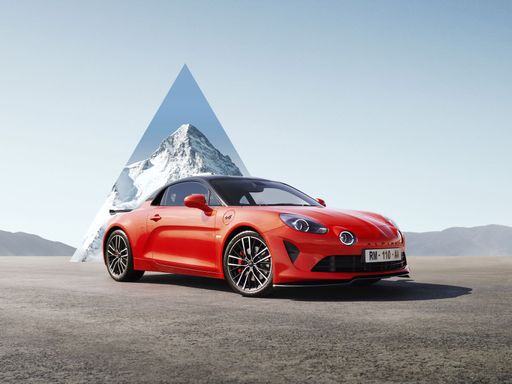
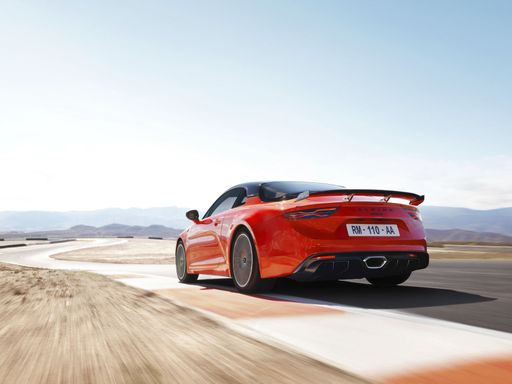
Alpine A110
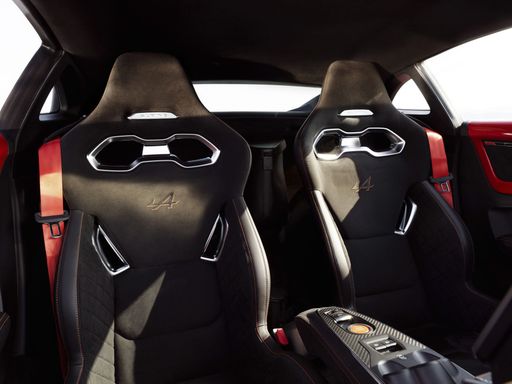
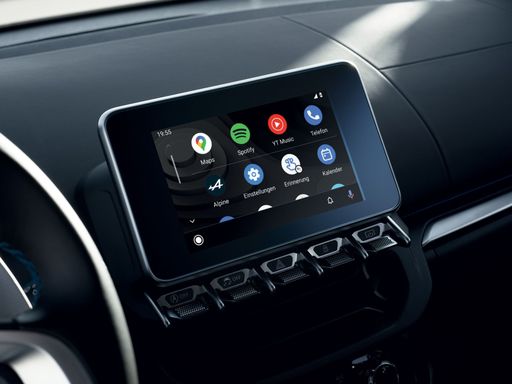
The Alpine A110 is a stunning testament to modern automotive design, seamlessly blending performance with elegance. Its lightweight construction contributes to an exhilarating driving experience, making it a true driver's car. With its distinctive styling and agile handling, the A110 captures the spirit of classic sports cars while embracing contemporary technology.
details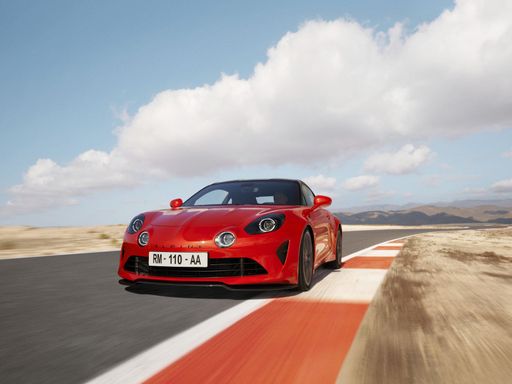 @ Alpine / Renault Group Media
 @ Alpine / Renault Group Media
 @ Alpine / Renault Group Media
 @ Alpine / Renault Group Media
 @ Alpine / Renault Group Media
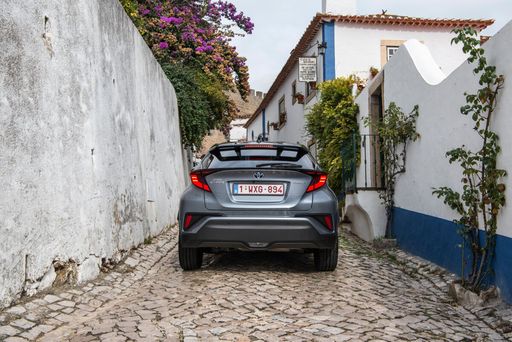
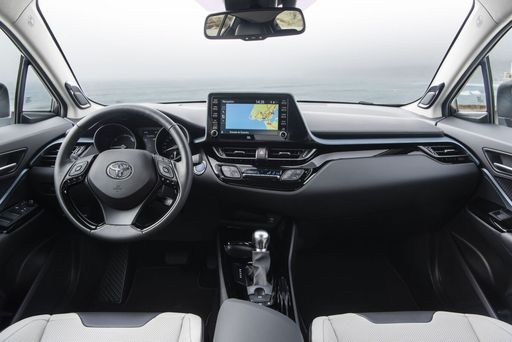
Toyota C-HR
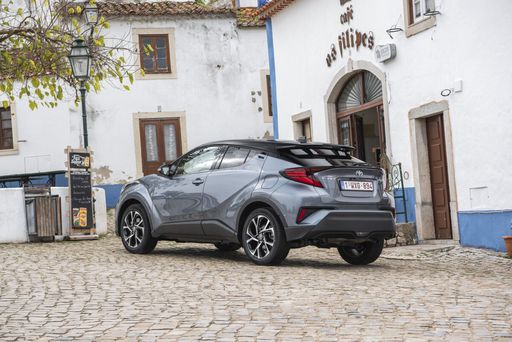
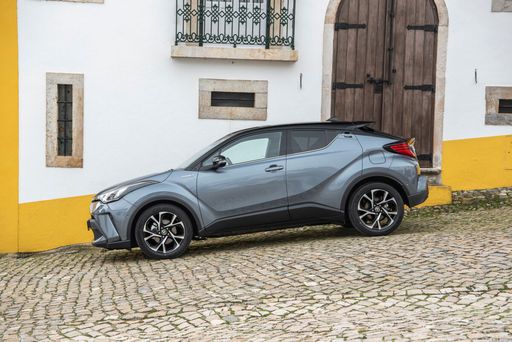
The Toyota C-HR stands out with its distinctive and bold design that combines sleek, angular lines with a sporty posture. Its comfortable and stylish interior is equipped with advanced technology features, providing a seamless driving experience. The vehicle offers impressive handling and performance, making it a compelling choice for those who appreciate a blend of practicality and flair on the road.
details
@ Toyota Motor Corporation
 @ Toyota Motor Corporation
 @ Toyota Motor Corporation
 @ Toyota Motor Corporation
 @ Toyota Motor Corporation
Alpine A110
Toyota C-HR
|
@ Alpine / Renault Group Media
|
@ Toyota Motor Corporation
|
|
|
|
Costs and Consumption |
|
|---|---|
|
Price
55200 - 282900 £
|
Price
29100 - 42800 £
|
|
Consumption L/100km
6.7 - 6.9 L
|
Consumption L/100km
0.8 - 5.1 L
|
|
Consumption kWh/100km
-
|
Consumption kWh/100km
-
|
|
Electric Range
-
|
Electric Range
68 km
|
|
Battery Capacity
-
|
Battery Capacity
-
|
|
co2
152 - 157 g/km
|
co2
17 - 115 g/km
|
|
Fuel tank capacity
45 L
|
Fuel tank capacity
43 L
|
Dimensions and Body |
|
|---|---|
|
Body Type
Coupe
|
Body Type
SUV
|
|
Seats
2
|
Seats
5
|
|
Doors
2
|
Doors
5
|
|
Curb weight
1150 - 1194 kg
|
Curb weight
1505 - 1755 kg
|
|
Trunk capacity
96 L
|
Trunk capacity
350 - 447 L
|
|
Length
4181 mm
|
Length
4362 mm
|
|
Width
1798 mm
|
Width
1832 mm
|
|
Height
1252 mm
|
Height
1558 - 1564 mm
|
|
Max trunk capacity
-
|
Max trunk capacity
1076 - 1155 L
|
|
Payload
166 - 210 kg
|
Payload
375 - 425 kg
|
Engine and Performance |
|
|---|---|
|
Engine Type
Petrol
|
Engine Type
Full Hybrid, Plugin Hybrid
|
|
Transmission
Automatic
|
Transmission
Automatic
|
|
Transmission Detail
Dual-Clutch Automatic
|
Transmission Detail
CVT
|
|
Drive Type
Rear-Wheel Drive
|
Drive Type
Front-Wheel Drive, All-Wheel Drive
|
|
Power HP
252 - 345 HP
|
Power HP
140 - 223 HP
|
|
Acceleration 0-100km/h
3.8 - 4.5 s
|
Acceleration 0-100km/h
7.4 - 9.9 s
|
|
Max Speed
250 - 285 km/h
|
Max Speed
175 - 180 km/h
|
|
Torque
320 - 420 Nm
|
Torque
-
|
|
Number of Cylinders
4
|
Number of Cylinders
4
|
|
Power kW
185 - 254 kW
|
Power kW
103 - 164 kW
|
|
Engine capacity
1798 cm3
|
Engine capacity
1798 - 1987 cm3
|
General |
|
|---|---|
|
Model Year
2024
|
Model Year
2024 - 2025
|
|
CO2 Efficiency Class
F, E
|
CO2 Efficiency Class
C, B
|
|
Brand
Alpine
|
Brand
Toyota
|
What drive types are available for the Alpine A110?
The Alpine A110 is available as Rear-Wheel Drive.
The prices and data displayed are estimates based on German list prices and may vary by country. This information is not legally binding.