VS

Audi A6 Avant vs Toyota C-HR comparison

Compare performance (367 HP vs 223 HP), boot space and price (49,700 £ vs 29,100 £ ) at a glance. Find out which car is the better choice for you – Audi A6 Avant or Toyota C-HR?

Audi A6 Avant vs Toyota C-HR: Key differences

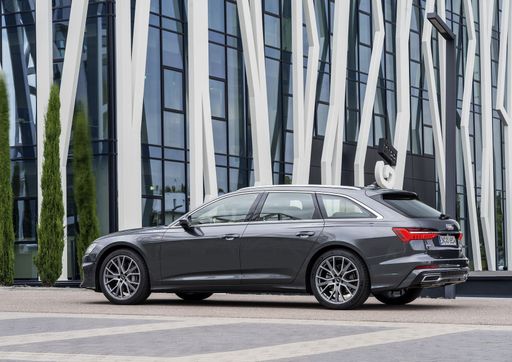
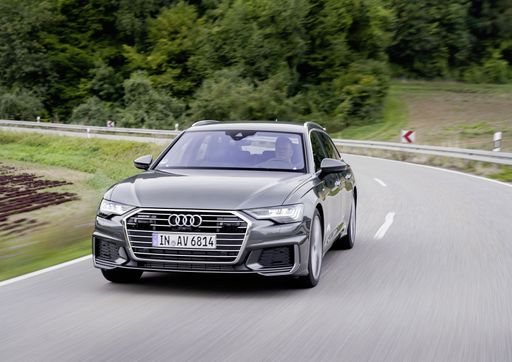
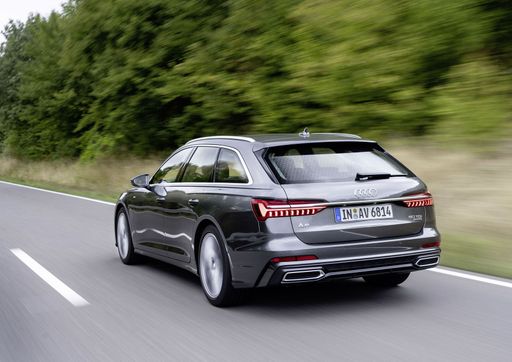
Audi A6 Avant

  • visibly more power
  • noticeably more electric range
  • considerably quicker 0–100 km/h
  • slightly more trunk space
details

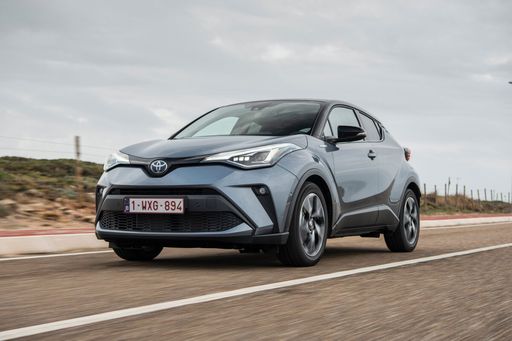
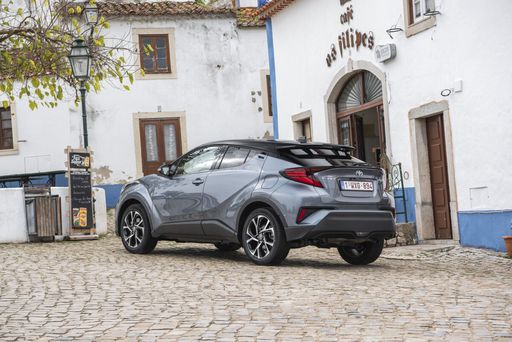
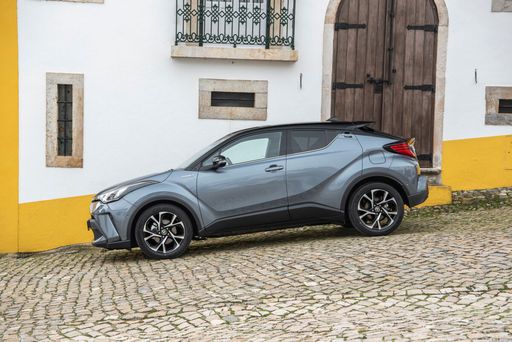
Toyota C-HR

4.9 (5 Reviews)
rate
  • clearly cheaper
  • noticeably lighter
details

All details on performance, efficiency, range and trunk space can be found in the technical comparison below – including user reviews for both models.

By Achim Sedelmaier

A6 Avant

Luxury Meets Practicality: Comparing the Audi A6 Avant and Toyota C-HR

When choosing a vehicle, determining the right blend of luxury, performance, and practicality can be daunting. Today, we delve into two vastly different yet compelling options: the Audi A6 Avant and the Toyota C-HR. While the A6 Avant exudes high-end sophistication characteristic of German engineering, the C-HR stands as a testament to Toyota's commitment to hybrid innovation and urban versatility. Let's break down their technical aspects and innovative features.
C-HR

Engine Options and Performance

The Audi A6 Avant boasts an impressive array of engine options, including diesel MHEV, petrol MHEV, and plug-in hybrid variants, with power outputs ranging from 163 HP in the entry-level model to a stunning 630 HP in the high-performance Audi RS variant. This diverse range allows for varying driving experiences, from fuel-efficient commuting to exhilarating high-speed journeys, with a top speed achievable of up to 305 km/h.

In contrast, the Toyota C-HR offers two hybrid powertrain options. The full hybrid system produces up to 140 HP, while the plug-in hybrid version can reach 197 HP. Although not as powerful as the A6, the C-HR excels in fuel efficiency, achieving as low as 4.7 L/100km, making it an ideal choice for city driving, especially with its more restrictive top speed of 180 km/h.

A6 Avant

Transmission and Drivetrain

The A6 Avant implements a cutting-edge dual-clutch automatic transmission, providing a smooth and responsive driving experience. Drivers can also choose between front-wheel and all-wheel drive, ensuring adaptable handling for various driving conditions.

On the other hand, the C-HR features a continuously variable transmission (CVT), known for its efficiency and seamless acceleration. Like the A6, it offers both front-wheel and all-wheel drive options, making it a flexible choice for drivers navigating urban or rural landscapes alike.

C-HR

Interior and Technology

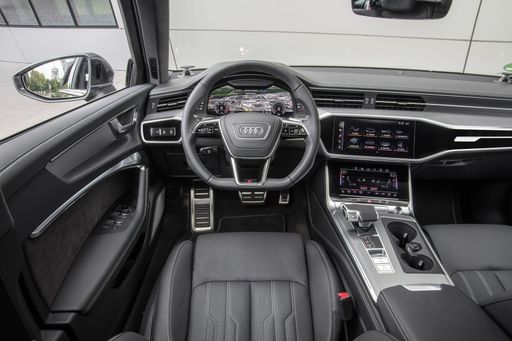
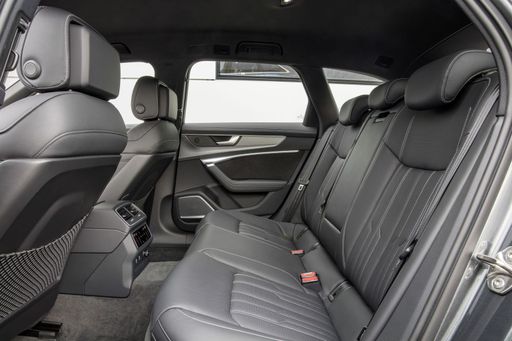
Inside the A6 Avant, luxury reigns supreme. With a spacious cabin designed to accommodate five passengers, the vehicle prioritizes comfort and technology. The infotainment system is impressive, boasting a dual touchscreen setup, offering connectivity options that suit the modern driver's needs.

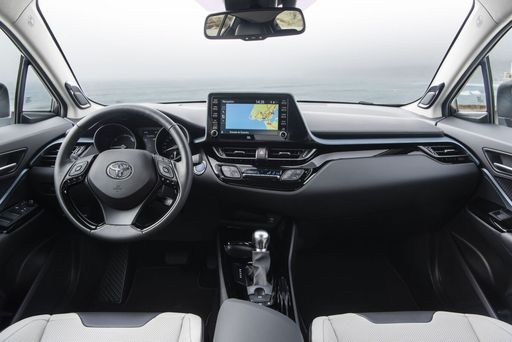
The C-HR, while more compact, does not compromise on technology. It features a user-friendly infotainment system with integrated smartphone connectivity. The focus here is on functionality, providing a comfortable environment for its passengers while ensuring visibility and ease of access to controls.

A6 Avant

Safety Innovations

Safety is paramount in both vehicles. The A6 Avant is equipped with an array of advanced safety features, including adaptive cruise control, lane departure warning, and pre-collision assistance. These systems work harmoniously to not only protect the occupants of the vehicle but also to enhance the driving experience.

Similarly, the C-HR shines in safety ratings and comes packed with Toyota's Safety Sense suite. This includes dynamic radar cruise control, lane tracing assist, and more, ensuring that drivers and passengers remain secure on their journeys, no matter the distance.

C-HR

Cargo Space and Practicality

Meanwhile, the Toyota C-HR offers a trunk capacity ranging from 350 to 447 liters, depending on the specific variant. Though smaller than the A6, the C-HR is well-designed for city practicality, allowing for easy loading and unloading while maintaining a compact footprint.

A6 Avant

Conclusion: Tailoring Your Choice

Ultimately, the decision between the Audi A6 Avant and the Toyota C-HR boils down to individual needs and preferences. If you seek luxury, speed, and a wealth of features, the A6 Avant stands out as the premium choice. However, if you value fuel efficiency, practicality, and advanced hybrid technology, the C-HR is an excellent option for urban lifestyles.

Both vehicles excel in their respective domains, showcasing automotive innovation tailored to different markets. The Audi A6 Avant and Toyota C-HR cater to different audiences, ensuring that there’s a perfect match for every discerning driver.

Here’s where it gets real: The technical differences in detail

A6 Avant

Costs and Efficiency:

Price and efficiency are often the first things buyers look at. Here it becomes clear which model has the long-term edge – whether at the pump, the plug, or in purchase price.

Toyota C-HR is clearly cheaper – starting at 29,100 £ , while the Audi A6 Avant costs 49,700 £ . That’s a price difference of around 20,580 £.

Both cars consume an average of 2.3 L/100km – no difference here.

As for electric range, the Audi A6 Avant offers noticeably more range – reaching up to 101 km, about 35 km more than the Toyota C-HR.

C-HR

Engine and Performance:

Power, torque and acceleration are the classic benchmarks for car enthusiasts – and here, some clear differences start to show.

When it comes to engine power, the Audi A6 Avant offers visibly more power – delivering 367 HP compared to 223 HP. That’s roughly 144 HP more horsepower.

When accelerating from 0 to 100 km/h, the Audi A6 Avant is considerably quicker – completing the sprint in 4.7 s, while the Toyota C-HR takes 7.4 s. That’s about 2.7 s quicker.

A6 Avant

Space and Everyday Use:

Whether family car or daily driver – which one offers more room, flexibility and comfort?

Both vehicles offer seating for 5 people.

In terms of curb weight, Toyota C-HR is noticeably lighter – 1,505 kg compared to 1,865 kg. The difference is around 360 kg.

Looking at boot space, the Audi A6 Avant offers slightly more boot space – 503 L compared to 447 L. That’s a difference of about 56 L.

When it comes to payload, the Audi A6 Avant carries visibly more – 570 kg compared to 425 kg. That’s a difference of about 145 kg.

Who wins the race in the data check?

The Audi A6 Avant holds a decisive overall lead in the objective data comparison.
This result only shows which model scores more points on paper – not which of the two cars feels right for you.

from £49,700
A6 Avant

Audi A6 Avant

  • Engine Type : Petrol, Petrol MHEV, Diesel MHEV, Plugin Hybrid
  • Transmission : Automatic
  • Drive Type : Front-Wheel Drive, All-Wheel Drive
  • Power HP : 204 - 367 HP
  • Consumption L/100km : 2.3 - 7.5 L/100km
  • Electric Range : 94 - 101 km
Audi A6 Avant
Toyota C-HR

Costs and Consumption

View detailed analysis

Engine and Performance

View detailed analysis

Dimensions and Body

View detailed analysis

Audi A6 Avant

The Audi A6 Avant wraps executive poise and usable practicality into an impeccably finished estate that makes everyday driving feel noticeably more grown-up. It serves up a calm, composed ride and clever packaging for buyers who want space and refinement without ostentation — the sensible choice that still manages to impress.

details

Toyota C-HR

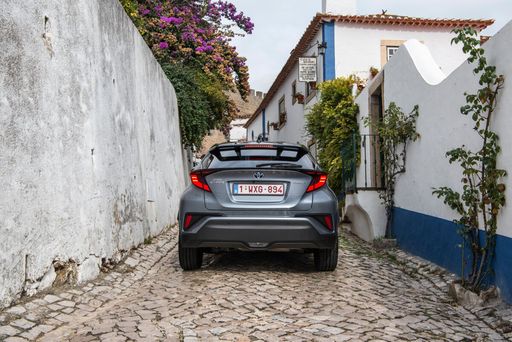
The Toyota C-HR is a bold, coupe-styled crossover that grabs attention with angular lines and a modern interior design. It’s aimed at comfortable urban driving and sensible efficiency, offering practical features and distinctive looks rather than rugged off-road ability.

details
Audi A6 Avant
Toyota C-HR

Costs and Consumption

Price
49,700 - 70,200 £
Price
29,100 - 42,800 £
Consumption L/100km
2.3 - 7.5 L/100km
Consumption L/100km
2.3 - 5.1 L/100km
Consumption kWh/100km
-
Consumption kWh/100km
-
Electric Range
94 - 101 km
Electric Range
66 km
Battery Capacity
-
Battery Capacity
-
co2
53 - 170 g/km
co2
52 - 116 g/km
Fuel tank capacity
-
Fuel tank capacity
-

Dimensions and Body

Body Type
Estate
Body Type
SUV
Seats
5
Seats
5
Doors
-
Doors
-
Curb weight
1,865 - 2,240 kg
Curb weight
1,505 - 1,755 kg
Trunk capacity
404 - 503 L
Trunk capacity
350 - 447 L
Length
-
Length
-
Width
1,875 mm
Width
1,832 mm
Height
-
Height
-
Max trunk capacity
-
Max trunk capacity
-
Payload
535 - 570 kg
Payload
375 - 425 kg

Engine and Performance

Engine Type
Petrol, Petrol MHEV, Diesel MHEV, Plugin Hybrid
Engine Type
Full Hybrid, Plugin Hybrid
Transmission
Automatic
Transmission
Automatic
Transmission Detail
Dual-Clutch Automatic
Transmission Detail
CVT
Drive Type
Front-Wheel Drive, All-Wheel Drive
Drive Type
Front-Wheel Drive, All-Wheel Drive
Power HP
204 - 367 HP
Power HP
140 - 223 HP
Acceleration 0-100km/h
4.7 - 8.3 s
Acceleration 0-100km/h
7.4 - 9.9 s
Max Speed
-
Max Speed
-
Torque
340 - 580 Nm
Torque
-
Number of Cylinders
4 - 6
Number of Cylinders
4
Power kW
150 - 270 kW
Power kW
103 - 164 kW
Engine capacity
1,968 - 2,995 cm3
Engine capacity
1,798 - 1,987 cm3

General

Model Year
2025
Model Year
2026
CO2 Efficiency Class
F, D, E, B
CO2 Efficiency Class
C, D, B
Brand
Audi
Brand
Toyota
DriveDuel uses data analysis and artificial intelligence to evaluate vehicle data and create content. Content is regularly reviewed and improved. The displayed prices are estimates based on German list prices, adjusted to the respective country’s VAT. Country-specific registration taxes are not included. This information is not legally binding.