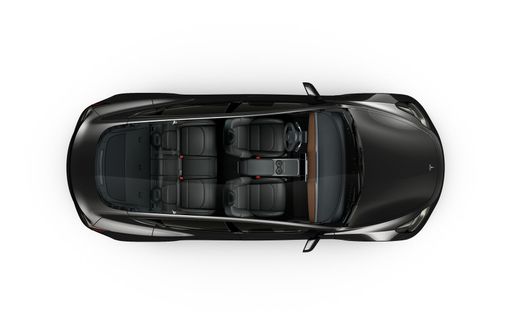
VS

Audi A6 e-tron Avant vs Tesla Model 3 comparison

Compare performance (551 HP vs 460 HP), boot space and price (55,200 £ vs 31,700 £ ) at a glance. Find out which car is the better choice for you – Audi A6 e-tron Avant or Tesla Model 3?

Audi A6 e-tron Avant vs Tesla Model 3: Key differences

Audi A6 e-tron Avant

3.4 (3 Reviews)
rate
  • moderately more power
details

Tesla Model 3

4.3 (7 Reviews)
rate
  • substantially cheaper
  • somewhat more efficient
  • very slightly more electric range
  • visibly quicker 0–100 km/h
  • clearly lighter
  • a bit more trunk space
details

All details on performance, efficiency, range and trunk space can be found in the technical comparison below – including user reviews for both models.

By Achim Sedelmaier

A6 e-tron Avant

The Showdown: Audi A6 e-tron Avant vs. Tesla Model 3

In the world of electric vehicles, the competition is heating up, and two names stand out in the battle for supremacy: the Audi A6 e-tron Avant and the Tesla Model 3. With unique features, design philosophies, and performance capabilities, these vehicles promise to reshape our understanding of modern sedans. Let’s delve into a detailed comparison of these two formidable contenders.
Model 3

Performance and Power

The Audi A6 e-tron Avant offers a range of power outputs, with options from 326 HP up to a robust 551 HP. This electric wagon boasts impressive torque figures, reaching up to 855 Nm in its most powerful configurations. It accelerates from 0 to 100 km/h in as quickly as 3.9 seconds, proving that performance is at the heart of its design.

On the other hand, the Tesla Model 3 comes with slightly less raw power, generating up to 460 HP, with torque figures peaking at 723 Nm. Yet, its acceleration is extraordinary, with the Performance model clocking 0-100 km/h in just 3.1 seconds. This remarkable response is a testament to Tesla's expertise in electric performance.

A6 e-tron Avant

Battery Capacity and Range

When it comes to battery capacities, the Audi A6 e-tron Avant offers options of 75.8 kWh and 94.9 kWh, providing an electric range of up to 716 km, an impressive figure for long-distance driving. With a consumption rate that can go as low as 14.8 kWh/100km for some configurations, Audi has managed to strike a balance between performance and efficiency.

The Tesla Model 3, with its battery options of 62 kWh and 79 kWh, still yields a commendable range, with the Long Range variant achieving up to 702 km on a single charge. Its efficiency is particularly notable, with some versions consuming just 12.5 kWh/100km, making it a smart choice for eco-conscious drivers.

Model 3

Design and Practicality

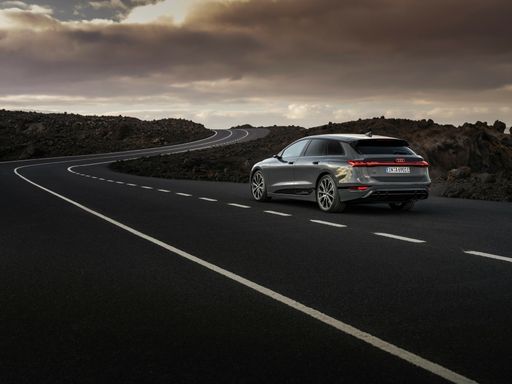
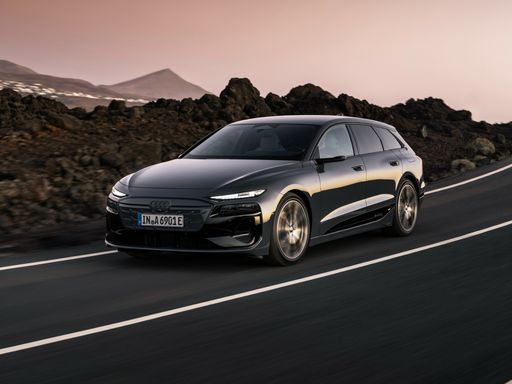
Aesthetically, both the Audi A6 e-tron Avant and the Tesla Model 3 showcase contemporary design principles but cater to different tastes. The A6 e-tron Avant features a stylish wagon design with a length of 4928 mm and a trunk capacity of 502 liters, aimed at families and those requiring extra cargo space.

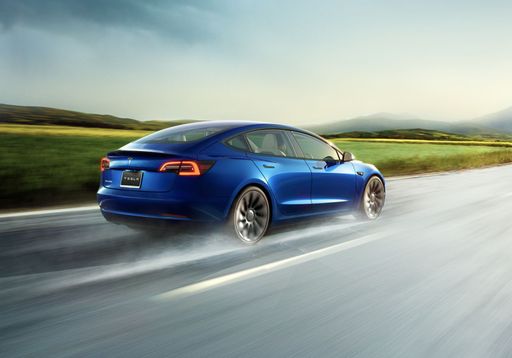
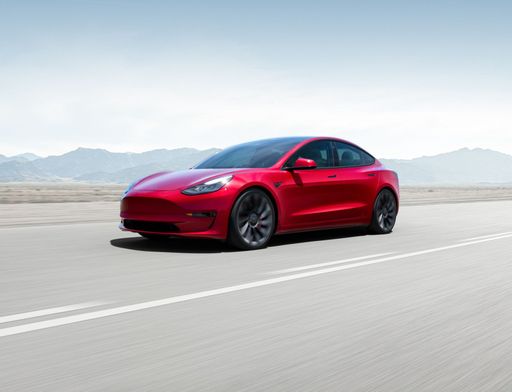
In contrast, the Tesla Model 3's hatchback format measures 4720 mm in length and offers a larger trunk space of 594 liters. Its minimalist interior design and focus on technology provide a different user experience, favoring a clean and modern aesthetic.

A6 e-tron Avant

Technology and Innovations

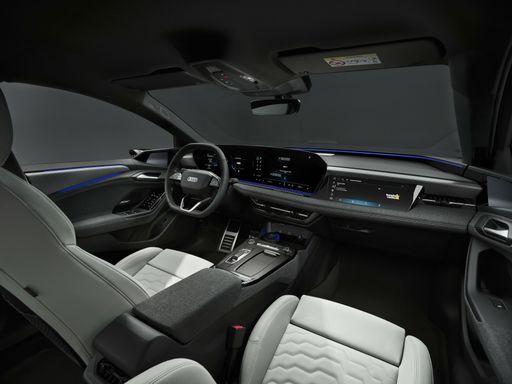
On the tech front, both vehicles are loaded with advanced features. The Audi A6 e-tron Avant is equipped with the latest MMI infotainment system, offering seamless connectivity and cutting-edge driver-assistance technologies. With customizable displays and voice-activated controls, it emphasizes intuitive user experiences.

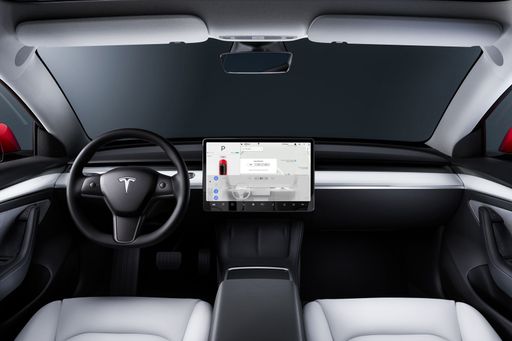
The Tesla Model 3, famed for its robust software system, features over-the-air updates that continually enhance vehicle performance and add new features, a stark departure from traditional automotive updates. Its large central touchscreen is the command center for users, integrating navigation, music, and vehicle settings into one interface.

Model 3

Conclusion: Which Reigns Supreme?

Choosing between the Audi A6 e-tron Avant and the Tesla Model 3 ultimately comes down to personal preferences and lifestyle needs. If performance, spaciousness, and Audi's luxury are priorities, the A6 e-tron Avant may be the right choice. Conversely, if cutting-edge technology and incredible acceleration appeal more to you, the Tesla Model 3 might just take the crown.

Both cars mark significant strides in the automotive industry, promising a future where electric vehicles dominate the roads. With their unique strengths and innovations, the clash between the Audi A6 e-tron Avant and Tesla Model 3 serves as a thrilling chapter in the story of electric mobility.

Here’s where it gets real: The technical differences in detail

A6 e-tron Avant

Costs and Efficiency:

Looking at overall running costs, both models reveal some interesting differences in everyday economy.

Tesla Model 3 is substantially cheaper – starting at 31,700 £ , while the Audi A6 e-tron Avant costs 55,200 £ . That’s a price difference of around 23,537 £.

In terms of energy consumption, the Tesla Model 3 is somewhat more efficient: consuming 13 kWh/100km compared to 14.8 kWh/100km for the Audi A6 e-tron Avant. That’s a difference of about 1.8 kWh/100km.

As for electric range, the Tesla Model 3 offers very slightly more range – reaching up to 750 km, about 34 km more than the Audi A6 e-tron Avant.

Model 3

Engine and Performance:

Power, torque and acceleration say a lot about how a car feels on the road. This is where you see which model delivers more driving dynamics.

When it comes to engine power, the Audi A6 e-tron Avant offers moderately more power – delivering 551 HP compared to 460 HP. That’s roughly 91 HP more horsepower.

When accelerating from 0 to 100 km/h, the Tesla Model 3 is visibly quicker – completing the sprint in 3.1 s, while the Audi A6 e-tron Avant takes 3.9 s. That’s about 0.8 s quicker.

There’s also a difference in torque: the Audi A6 e-tron Avant delivers noticeably more torque with 855 Nm compared to 660 Nm. That’s about 195 Nm more.

A6 e-tron Avant

Space and Everyday Use:

Beyond pure performance, interior space and usability matter most in daily life. This is where you see which car is more practical and versatile.

Both vehicles offer seating for 5 people.

In terms of curb weight, Tesla Model 3 is clearly lighter – 1,772 kg compared to 2,185 kg. The difference is around 413 kg.

Looking at boot space, the Tesla Model 3 offers a bit more boot space – 594 L compared to 502 L. That’s a difference of about 92 L.

When it comes to payload, the Audi A6 e-tron Avant carries noticeably more – 500 kg compared to 377 kg. That’s a difference of about 123 kg.

Who wins the race in the data check?

The Tesla Model 3 holds a decisive overall lead in the objective data comparison.
This result only shows which model scores more points on paper – not which of the two cars feels right for you.

from £31,700
Model 3

Tesla Model 3

  • Engine Type : Electric
  • Transmission : Automatic
  • Drive Type : All-Wheel Drive, Rear-Wheel Drive
  • Power HP : 283 - 460 HP
  • Consumption kWh/100km : 13 - 16.5 kWh/100km
  • Electric Range : 534 - 750 km
Audi A6 e-tron Avant
Tesla Model 3

Costs and Consumption

View detailed analysis

Engine and Performance

View detailed analysis

Dimensions and Body

View detailed analysis

Audi A6 e-tron Avant

The Audi A6 e-tron Avant wraps Audi's trademark refinement into a sleek electric estate that looks at home in the city or on the open road. Inside it's grown-up and tech-forward with practical packaging for family life, delivering a composed, confident drive that makes everyday hauling feel a bit more special and slightly futuristic.

details

Tesla Model 3

The Tesla Model 3 is a compact electric sedan that pairs brisk, responsive driving with a sleek, minimalist cabin and intuitive, software-led features. It makes a practical, modern choice for daily commutes and long-term ownership while emphasizing simplicity and advanced driver assistance.

details
Audi A6 e-tron Avant
Tesla Model 3

Costs and Consumption

Price
55,200 - 100,100 £
Price
31,700 - 50,100 £
Consumption L/100km
-
Consumption L/100km
-
Consumption kWh/100km
14.8 - 17 kWh/100km
Consumption kWh/100km
13 - 16.5 kWh/100km
Electric Range
539 - 716 km
Electric Range
534 - 750 km
Battery Capacity
75.8 - 94.9 kWh
Battery Capacity
-
co2
0 g/km
co2
0 g/km
Fuel tank capacity
-
Fuel tank capacity
-

Dimensions and Body

Body Type
Estate
Body Type
Sedan
Seats
5
Seats
5
Doors
5
Doors
-
Curb weight
2,185 - 2,410 kg
Curb weight
1,772 - 1,929 kg
Trunk capacity
502 L
Trunk capacity
594 L
Length
4,928 mm
Length
-
Width
1,923 mm
Width
1,850 mm
Height
1,504 - 1,527 mm
Height
-
Max trunk capacity
1,422 L
Max trunk capacity
-
Payload
470 - 500 kg
Payload
303 - 377 kg

Engine and Performance

Engine Type
Electric
Engine Type
Electric
Transmission
Automatic
Transmission
Automatic
Transmission Detail
Reduction Gearbox
Transmission Detail
Reduction Gearbox
Drive Type
Rear-Wheel Drive, All-Wheel Drive
Drive Type
All-Wheel Drive, Rear-Wheel Drive
Power HP
326 - 551 HP
Power HP
283 - 460 HP
Acceleration 0-100km/h
3.9 - 6 s
Acceleration 0-100km/h
3.1 - 6.2 s
Max Speed
210 - 240 km/h
Max Speed
-
Torque
435 - 855 Nm
Torque
420 - 660 Nm
Number of Cylinders
-
Number of Cylinders
-
Power kW
240 - 405 kW
Power kW
208 - 338 kW
Engine capacity
-
Engine capacity
-

General

Model Year
2024
Model Year
2025
CO2 Efficiency Class
A
CO2 Efficiency Class
A
Brand
Audi
Brand
Tesla
DriveDuel uses data analysis and artificial intelligence to evaluate vehicle data and create content. Content is regularly reviewed and improved. The displayed prices are estimates based on German list prices, adjusted to the respective country’s VAT. Country-specific registration taxes are not included. This information is not legally binding.