VS

Audi Q3 vs Toyota RAV4 comparison

Compare performance (272 HP vs 306 HP), boot space and price (38,200 £ vs 35,100 £ ) at a glance. Find out which car is the better choice for you – Audi Q3 or Toyota RAV4?

Audi Q3 vs Toyota RAV4: Key differences

Audi Q3

5 (1 Reviews)
rate
  • clearly more electric range
  • marginally quicker 0–100 km/h
  • very slightly lighter

Toyota RAV4

4.8 (6 Reviews)
rate
  • barely cheaper
  • somewhat more power
  • considerably more efficient
  • slightly more trunk space

All details on performance, efficiency, range and trunk space can be found in the technical comparison below – including user reviews for both models.

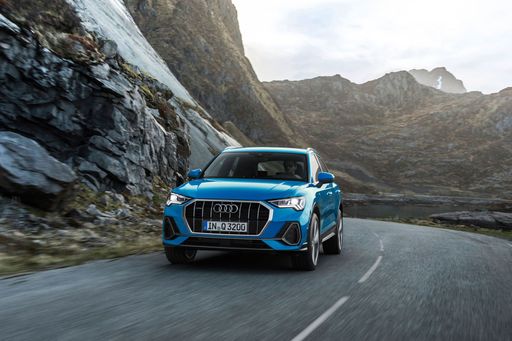
Q3

The Battle of the SUVs: Audi Q3 vs. Toyota RAV4

The SUV segment remains one of the most competitive sectors in the automotive industry, with manufacturers offering a blend of performance, efficiency, and technology. Today, we explore the key features and innovations of two popular contenders: the Audi Q3 and the Toyota RAV4. Both vehicles promise a dynamic driving experience, but each caters to a different niche. Let's dive into their specifications and see how they stack up against each other.
RAV4

Performance and Efficiency

As we step under the hood, both the Audi Q3 and Toyota RAV4 stand out with impressive powertrains. The Audi Q3 offers a range of petrol and diesel engines with power outputs ranging from 150 to 245 HP. With multiple transmission options, including a manual gearbox and a sophisticated dual-clutch automatic, the Q3 caters to driving enthusiasts who value flexibility and performance. The all-wheel-drive option ensures optimum grip and stability in various driving conditions.

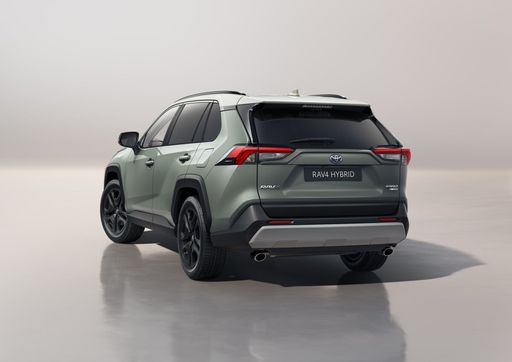
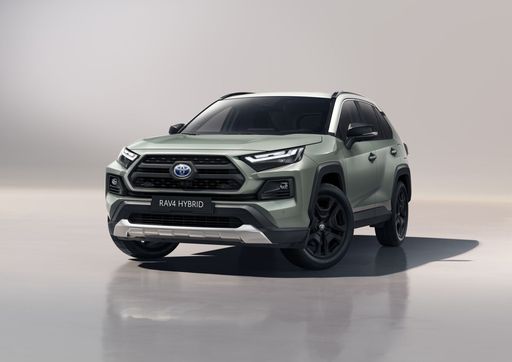
On the other hand, the Toyota RAV4 has carved a niche with its commitment to eco-friendly motoring. Offering full and plug-in hybrid variants, the RAV4 delivers up to 306 HP in its most powerful form. The plug-in hybrid model, in particular, impresses with a remarkable fuel consumption of just 1 L/100km and an electric-only range of 75 km. This makes the RAV4 an attractive option for those prioritizing sustainability without sacrificing power.

Q3

Technology and Innovations

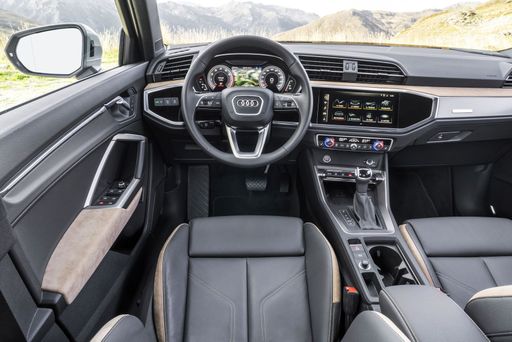
The Audi Q3 stands out with its advanced technology, offering a digital cockpit that integrates seamlessly with various infotainment features. The extensive use of premium materials in the cabin ensures a luxurious driving experience. The vehicle's safety suite includes sophisticated driver assistance technologies that offer both convenience and peace of mind on the road.

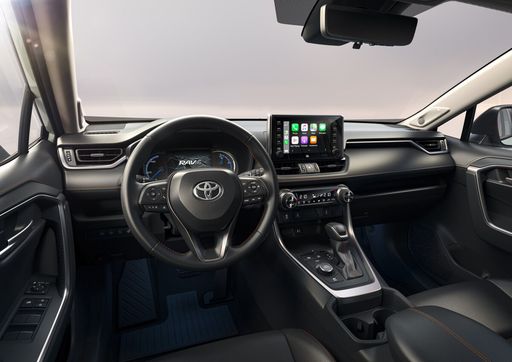
In contrast, the Toyota RAV4 is designed for tech-savvy drivers looking for practicality driven by innovation. The hybrid technology and the CVT automatic transmission offer smoother power delivery and enhanced efficiency. Advanced safety features, as part of Toyota's Safety Sense package, cater to families looking for an SUV that promises protection and reliability.

RAV4

Design and Space

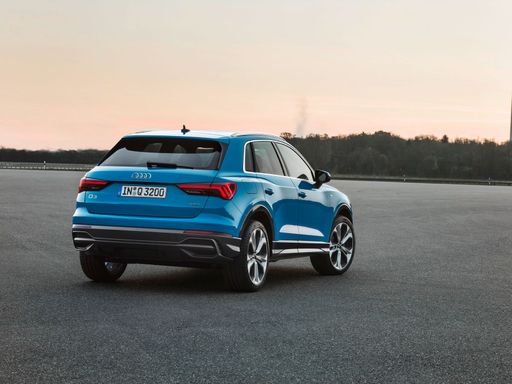
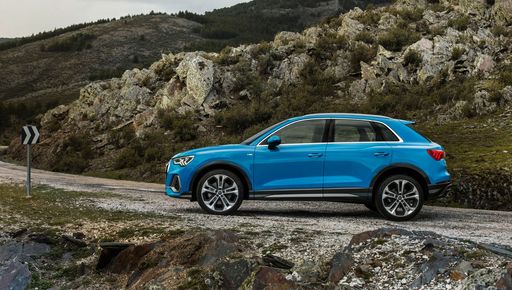
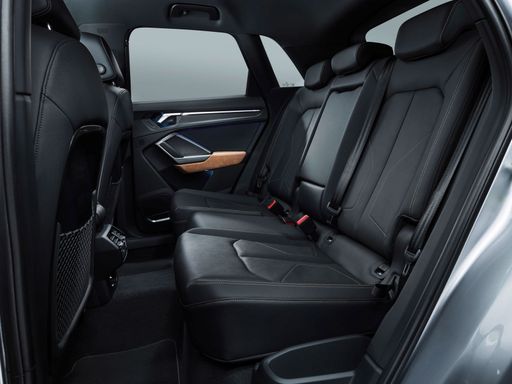
Audi's Q3 is known for its sleek, compact design, measuring up to 4,500 mm in length. Even with its compact frame, it provides a decent trunk capacity of 530 liters, ensuring ample space for passengers and their cargo. Its premium interior, coupled with meticulous attention to detail, aligns with Audi's reputation for luxury.

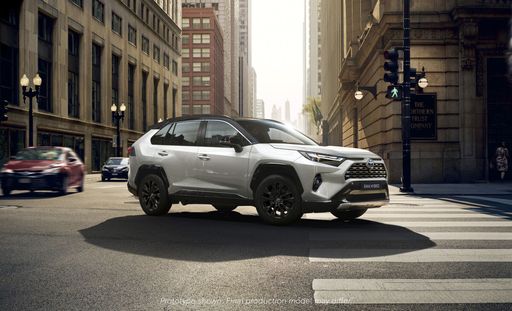
The RAV4, noted for its rugged and bold design, offers a more spacious interior with a trunk capacity ranging from 520 to 580 liters depending on the variant. Measuring 4,600 mm in length, its slightly larger dimensions provide improved legroom and comfort for all passengers, making it an excellent choice for families and adventurers alike.

Q3

Pricing and Conclusion

When it comes to pricing, the Audi Q3 often sits at the higher end, owing to its luxury status and premium features. The Toyota RAV4, offering hybrid technology, provides value for those looking for efficiency and practicality in a slightly lower price range. Ultimately, your choice between the Audi Q3 and Toyota RAV4 will depend on your priorities. Whether it's Audi's commitment to performance and luxury or Toyota's focus on innovation and efficiency, both SUVs have much to offer in the diverse landscape of automotive excellence.

Here’s where it gets real: The technical differences in detail

Q3

Costs and Efficiency:

Price and efficiency are often the first things buyers look at. Here it becomes clear which model has the long-term edge – whether at the pump, the plug, or in purchase price.

Toyota RAV4 is barely cheaper – starting at 35,100 £ , while the Audi Q3 costs 38,200 £ . That’s a price difference of around 3,094 £.

Fuel consumption also shows a difference: the Toyota RAV4 uses 1 L/100km and is considerably more efficient than the Audi Q3 with 1.7 L/100km. The difference is about 0.7 L/100km.

As for electric range, the Audi Q3 offers clearly more range – reaching up to 119 km, about 44 km more than the Toyota RAV4.

RAV4

Engine and Performance:

Under the bonnet, it becomes clear which model is tuned for sportiness and which one takes the lead when you hit the accelerator.

When it comes to engine power, the Toyota RAV4 offers somewhat more power – delivering 306 HP compared to 272 HP. That’s roughly 34 HP more horsepower.

When accelerating from 0 to 100 km/h, the Audi Q3 is marginally quicker – completing the sprint in 5.7 s, while the Toyota RAV4 takes 6 s. That’s about 0.3 s quicker.

Q3

Space and Everyday Use:

Cabin size, boot volume and payload all play a role in everyday practicality. Here, comfort and flexibility make the difference.

Both vehicles offer seating for 5 people.

In terms of curb weight, Audi Q3 is very slightly lighter – 1,635 kg compared to 1,745 kg. The difference is around 110 kg.

Looking at boot space, the Toyota RAV4 offers slightly more boot space – 580 L compared to 488 L. That’s a difference of about 92 L.

When it comes to payload, the Toyota RAV4 carries slightly more – 600 kg compared to 535 kg. That’s a difference of about 65 kg.

Who wins the race in the data check?

The Toyota RAV4 is clearly superior overall in the objective data comparison.
This result only shows which model scores more points on paper – not which of the two cars feels right for you.

from £35,100
RAV4

Toyota RAV4

  • Engine Type : Full Hybrid, Plugin Hybrid
  • Transmission : Automatic
  • Drive Type : Front-Wheel Drive, All-Wheel Drive
  • Power HP : 218 - 306 HP
  • Consumption L/100km : 1 - 5.6 L/100km
  • Electric Range : 75 km
Audi Q3
Toyota RAV4

Costs and Consumption

View detailed analysis

Engine and Performance

View detailed analysis

Dimensions and Body

View detailed analysis

Audi Q3

The Audi Q3 feels like a grown-up compact SUV with premium polish and city-friendly agility, the sort of car that makes weekend escapes and daily commutes equally satisfying. Inside, you get quality materials and smart packaging that keep things practical without skimping on style, so it’s an easy pick for buyers who want luxury without the drama.

details

Toyota RAV4

The Toyota RAV4 feels like a sensible friend on the road, marrying dependable practicality with a dash of SUV personality that keeps daily driving from turning dull. Comfortable and easy to live with, it looks tough without shouting and quietly gets the job done — a sensible pick for buyers who want versatility without drama.

details
Audi Q3
Toyota RAV4

Costs and Consumption

Price
38,200 - 52,900 £
Price
35,100 - 55,700 £
Consumption L/100km
1.7 - 8.6 L/100km
Consumption L/100km
1 - 5.6 L/100km
Consumption kWh/100km
-
Consumption kWh/100km
-
Electric Range
118 - 119 km
Electric Range
75 km
Battery Capacity
-
Battery Capacity
-
co2
39 - 195 g/km
co2
22 - 128 g/km
Fuel tank capacity
-
Fuel tank capacity
55 L

Dimensions and Body

Body Type
SUV
Body Type
SUV
Seats
5
Seats
5
Doors
-
Doors
5
Curb weight
1,635 - 1,900 kg
Curb weight
1,745 - 1,910 kg
Trunk capacity
375 - 488 L
Trunk capacity
520 - 580 L
Length
-
Length
4,600 mm
Width
1,859 mm
Width
1,855 mm
Height
-
Height
1,685 mm
Max trunk capacity
-
Max trunk capacity
1,604 - 1,690 L
Payload
505 - 535 kg
Payload
390 - 600 kg

Engine and Performance

Engine Type
Petrol MHEV, Petrol, Plugin Hybrid, Diesel
Engine Type
Full Hybrid, Plugin Hybrid
Transmission
Automatic
Transmission
Automatic
Transmission Detail
Dual-Clutch Automatic
Transmission Detail
CVT
Drive Type
Front-Wheel Drive, All-Wheel Drive
Drive Type
Front-Wheel Drive, All-Wheel Drive
Power HP
150 - 272 HP
Power HP
218 - 306 HP
Acceleration 0-100km/h
5.7 - 9.2 s
Acceleration 0-100km/h
6 - 8.4 s
Max Speed
-
Max Speed
180 km/h
Torque
250 - 400 Nm
Torque
-
Number of Cylinders
4
Number of Cylinders
4
Power kW
110 - 200 kW
Power kW
160 - 225 kW
Engine capacity
1,498 - 1,984 cm3
Engine capacity
2,487 cm3

General

Model Year
2,025
Model Year
2,024 - 2,025
CO2 Efficiency Class
E, G, B
CO2 Efficiency Class
D, B
Brand
Audi
Brand
Toyota
DriveDuel uses data analysis and artificial intelligence to evaluate vehicle data and create content. Content is regularly reviewed and improved. The displayed prices are estimates based on German list prices, adjusted to the respective country’s VAT. Country-specific registration taxes are not included. This information is not legally binding.