VS

Audi Q4 e-tron vs Volvo XC60 comparison

Compare performance (340 HP vs 406 HP), boot space and price (40,700 £ vs 58,300 £ ) at a glance. Find out which car is the better choice for you – Audi Q4 e-tron or Volvo XC60?

Audi Q4 e-tron vs Volvo XC60: Key differences

Audi Q4 e-tron

4.6 (3 Reviews)
rate
  • substantially cheaper
  • substantially more electric range
  • marginally lighter
details

Volvo XC60

4.8 (9 Reviews)
rate
  • somewhat more power
  • moderately quicker 0–100 km/h
details

All details on performance, efficiency, range and trunk space can be found in the technical comparison below – including user reviews for both models.

By Achim Sedelmaier

Q4 e-tron

Direct comparison: Audi Q4 e-tron VS Volvo XC60

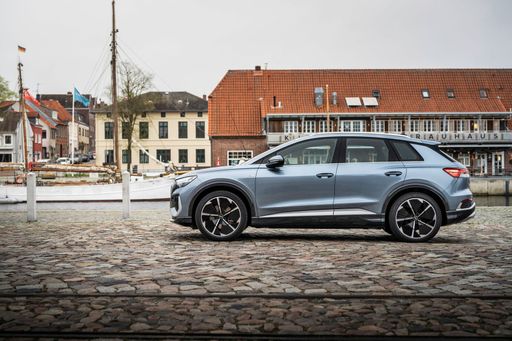
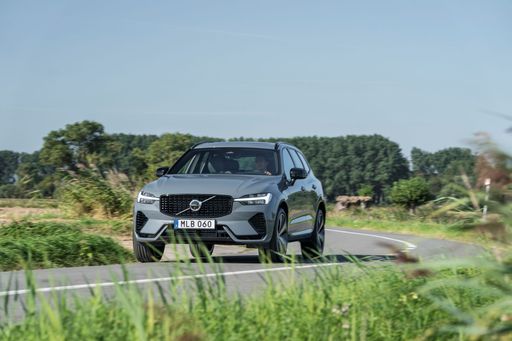
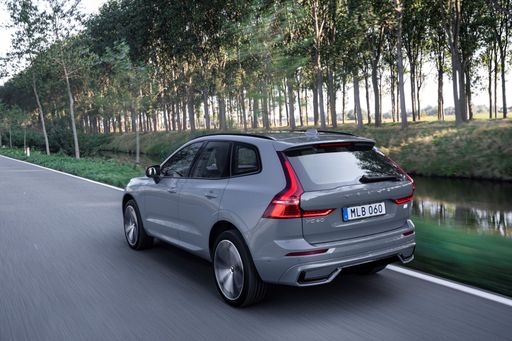
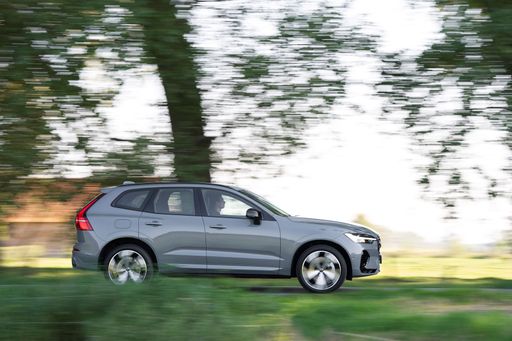
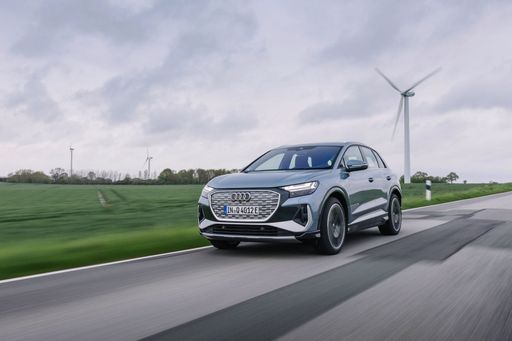
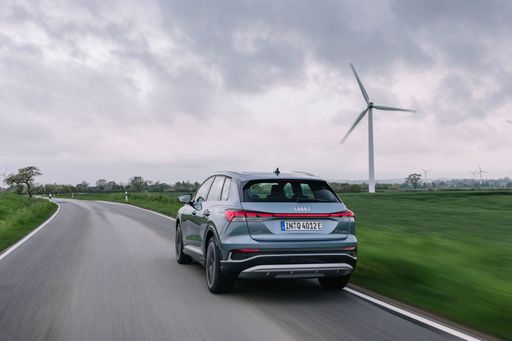
Audi Q4 e-tron VS Volvo XC60 pits an upmarket electric compact SUV against a classically refined Volvo that leans into comfort and safety. The Q4 e-tron feels like an Audi translated into electric terms: calm, compactly proportioned and engineered around an electric ownership experience. The XC60 reads as a Scandinavian retreat — plush seats, clear sightlines and a cabin that prioritises material quality and occupant security. This page looks beyond badges to show how those different priorities play out for real buyers over days, commutes and holidays.
XC60

Character and driving dynamics

The Audi Q4 e-tron drives with EV traits front and centre: instant throttle response, composed weight and a composed, motorway-focused demeanour that soothes more than excites. The Volvo XC60 favours compliant comfort over razor-sharp feedback; it soaks up miles and keeps its passengers relaxed rather than urging the driver on. If you want a car that rewards brisk cornering the Q4 e-tron is competent but not sporty, while the XC60 accepts that it won’t be your track toy and instead trades precision for steadiness. The net effect is a choice between electric calm and classic cushioned serenity — both tame, but differently so.

Q4 e-tron

Comfort and long-distance behavior

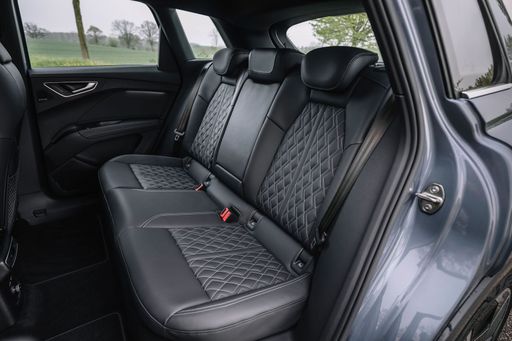
On long trips the Audi Q4 e-tron impresses with a very quiet cabin and an even, stable ride that makes motorway miles disappear; the flat floor in the rear also makes the Q4 more family-friendly for longer stints. The Volvo XC60 doubles down on seat comfort and cabin refinement, so drivers often notice less fatigue after a day on the road thanks to supportive seats and an emphasis on suspension comfort, especially with the optional softer setup. The Q4 can feel firmer when specced with large wheels or sporty trim, whereas the XC60 keeps its composure even over imperfect surfaces. For long-distance buyers the choice is therefore subtle: Audi for quiet, predictable cruising and Volvo for enveloping comfort and superior seat ergonomics.

XC60

Cabin feel and perceived quality

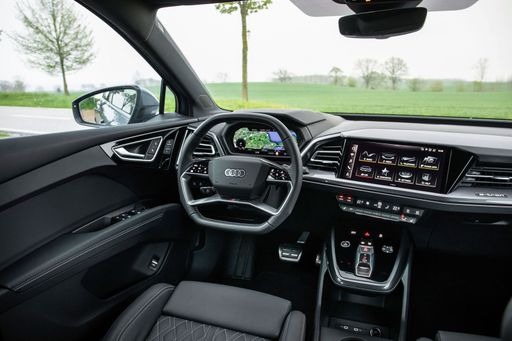
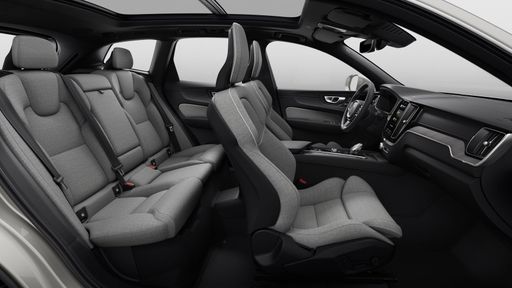
The Volvo XC60 makes a strong first impression with genuine materials, neat Scandinavian design and a tactile sense of quality that still reads premium at every touchpoint. The Audi Q4 e-tron delivers a neat, modern cabin and user-friendly physical controls for essential functions, but closer inspection reveals harder plastics in places that dilute the luxury feel a little. Volvo’s interior feels intentionally calm and grown-up; Audi’s feels more functional and slightly more technical, which some buyers will prefer for clarity and others will see as less luxurious. Both cabins are well built, but they communicate different value propositions: Volvo aims for warmth and class, Audi for crispness and ergonomic clarity.

Q4 e-tron

Usability and everyday practicality

The Audi Q4 e-tron is the more straightforward EV day-to-day: rear space with a flat floor, easy child-seat access and predictable charging behaviour make it simple for families and commuters who plug in. The Volvo XC60 brings practical perks of its own — excellent visibility, clever storage and advanced safety systems that make city manoeuvres less stressful — but PHEV packaging can cost you some boot space and requires a routine of charging to realise its efficiency benefits. In tight urban parking the Q4’s smaller turning circle on rear-wheel-spec models is a real advantage, while the Volvo’s cameras and roomy seats win on ease-of-use for passengers. So practicality flips depending on whether you prioritise pure electric convenience or a more traditional, premium SUV utility.

XC60

Buyer fit and where each car makes the most sense

If your daily life includes regular electric driving, fast motorway stints and you value a quiet, spacious rear seat, the Audi Q4 e-tron will likely feel like the more natural fit — it’s an EV that behaves like a comfortable, no-surprise family car. If you prize plush seating, material quality, broad safety systems and you want a car that prioritises passenger comfort over sporting edge, the Volvo XC60 is tailored to that mindset and will feel cosseting on long journeys. Budget-minded buyers should note Audi’s option-led pricing can climb quickly, while Volvo’s strengths sit in perceived cabin value even if the list price is high. Both are sensible premium choices; your decision should hinge on whether you want an electric-first, roomy cruiser (Q4 e-tron) or a classically refined, comfort-first SUV (XC60) — facts that the technical comparison on the next page will unpack in detail.

Here’s where it gets real: The technical differences in detail

Q4 e-tron

Costs and Efficiency:

Price and efficiency are often the first things buyers look at. Here it becomes clear which model has the long-term edge – whether at the pump, the plug, or in purchase price.

Audi Q4 e-tron is substantially cheaper – starting at 40,700 £ , while the Volvo XC60 costs 58,300 £ . That’s a price difference of around 17,563 £.

As for electric range, the Audi Q4 e-tron offers substantially more range – reaching up to 592 km, about 513 km more than the Volvo XC60.

XC60

Engine and Performance:

Under the bonnet, it becomes clear which model is tuned for sportiness and which one takes the lead when you hit the accelerator.

When it comes to engine power, the Volvo XC60 offers somewhat more power – delivering 406 HP compared to 340 HP. That’s roughly 66 HP more horsepower.

When accelerating from 0 to 100 km/h, the Volvo XC60 is moderately quicker – completing the sprint in 4.9 s, while the Audi Q4 e-tron takes 5.4 s. That’s about 0.5 s quicker.

There’s also a difference in torque: the Audi Q4 e-tron delivers only slightly more torque with 679 Nm compared to 669 Nm. That’s about 10 Nm more.

Q4 e-tron

Space and Everyday Use:

Whether family car or daily driver – which one offers more room, flexibility and comfort?

Both vehicles offer seating for 5 people.

In terms of curb weight, Audi Q4 e-tron is marginally lighter – 2,035 kg compared to 2,150 kg. The difference is around 115 kg.

When it comes to payload, the Audi Q4 e-tron carries marginally more – 515 kg compared to 510 kg. That’s a difference of about 5 kg.

Who wins the race in the data check?

The Audi Q4 e-tron holds a decisive overall lead in the objective data comparison.
This result only shows which model scores more points on paper – not which of the two cars feels right for you.

from £40,700
Q4 e-tron

Audi Q4 e-tron

  • Engine Type Electric
  • Transmission Automatic
  • Drive Type Rear-Wheel Drive, All-Wheel Drive
  • Power HP 204 - 340 HP
  • Consumption kWh/100km 14.8 - 16.2 kWh/100km
  • Electric Range 440 - 592 km
Audi Q4 e-tron
Volvo XC60

Costs and Consumption

View detailed analysis

Engine and Performance

View detailed analysis

Dimensions and Body

View detailed analysis

Audi Q4 e-tron

The Audi Q4 e-tron blends Audi’s clean, modern styling with a practical, well-built interior, making it a refined option for buyers who want a premium electric compact SUV. It offers a quiet, composed ride and intuitive tech, so it’s well suited to daily commuting and family duties while keeping the switch to electric straightforward.

details

Volvo XC60

The Volvo XC60 blends Scandinavian elegance with a strong focus on occupant safety, delivering a calm, composed ride and a well-crafted, user-friendly cabin. It’s a practical yet premium compact SUV that balances comfort with confident road manners, ideal for buyers who value refinement and everyday usability.

details
Audi Q4 e-tron
Volvo XC60

Costs and Consumption

Price
40,700 - 53,100 £
Price
58,300 - 71,400 £
Consumption L/100km
-
Consumption L/100km
1.6 L/100km
Consumption kWh/100km
14.8 - 16.2 kWh/100km
Consumption kWh/100km
-
Electric Range
440 - 592 km
Electric Range
79 km
Battery Capacity
-
Battery Capacity
-
co2
0 g/km
co2
59 g/km
Fuel tank capacity
-
Fuel tank capacity
-

Dimensions and Body

Body Type
SUV
Body Type
SUV
Seats
5
Seats
5
Doors
-
Doors
-
Curb weight
2,035 - 2,235 kg
Curb weight
2,150 kg
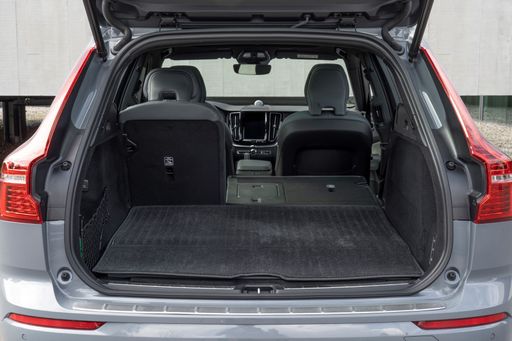
Trunk capacity
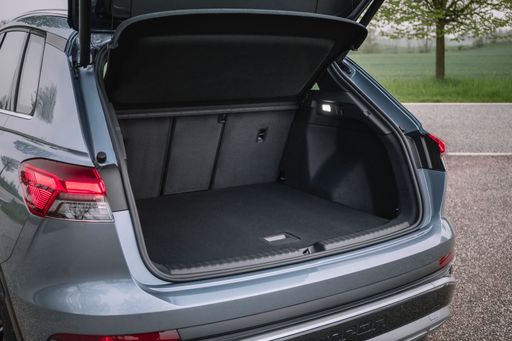
515 - 535 L
Trunk capacity
-
Length
-
Length
-
Width
1,865 mm
Width
1,902 mm
Height
-
Height
-
Max trunk capacity
-
Max trunk capacity
-
Payload
505 - 515 kg
Payload
510 kg

Engine and Performance

Engine Type
Electric
Engine Type
Plugin Hybrid
Transmission
Automatic
Transmission
Automatic
Transmission Detail
Reduction Gearbox
Transmission Detail
Automatic Gearbox
Drive Type
Rear-Wheel Drive, All-Wheel Drive
Drive Type
All-Wheel Drive
Power HP
204 - 340 HP
Power HP
335 - 406 HP
Acceleration 0-100km/h
5.4 - 8.1 s
Acceleration 0-100km/h
4.9 - 5.7 s
Max Speed
-
Max Speed
-
Torque
350 - 679 Nm
Torque
589 - 669 Nm
Number of Cylinders
-
Number of Cylinders
4
Power kW
150 - 250 kW
Power kW
247 - 299 kW
Engine capacity
-
Engine capacity
1,969 cm3

General

Model Year
2026
Model Year
2026
CO2 Efficiency Class
A
CO2 Efficiency Class
B
Brand
Audi
Brand
Volvo
DriveDuel uses data analysis and artificial intelligence to evaluate vehicle data and create content. Content is regularly reviewed and improved. The displayed prices are estimates based on German list prices, adjusted to the respective country’s VAT. Country-specific registration taxes are not included. This information is not legally binding.