VS

Audi Q6 e-tron vs BYD Sealion 7 comparison

Compare performance (490 HP vs 530 HP), boot space and price (54,400 £ vs 42,800 £ ) at a glance. Find out which car is the better choice for you – Audi Q6 e-tron or BYD Sealion 7?

Audi Q6 e-tron vs BYD Sealion 7: Key differences

Audi Q6 e-tron

4.6 (4 Reviews)
rate
  • markedly more efficient
  • clearly more electric range
  • marginally quicker 0–100 km/h
  • only slightly lighter
  • marginally more trunk space

BYD Sealion 7

5 (2 Reviews)
rate
  • markedly cheaper
  • very slightly more power

All details on performance, efficiency, range and trunk space can be found in the technical comparison below – including user reviews for both models.

Q6 e-tron

Performance Showdown: Audi Q6 e-tron vs. BYD Sealion 7

The electric vehicle market is teeming with innovative and exciting options, but two SUVs stand out with their remarkable features: the Audi Q6 e-tron and the BYD Sealion 7. These models represent the pinnacle of electric performance and luxury, offering drivers an exciting ride into the future of automotive technology.

Sealion 7

Engine and Power Dynamics

In the heart of these SUVs lies their electric prowess. The Audi Q6 e-tron comes with a range of power options, from 292 HP up to a thrilling 516 HP, providing versatility that caters to both casual drivers and speed enthusiasts. Depending on the configuration, its maximum torque can reach an astonishing 855 Nm, paired with either rear-wheel drive or all-wheel drive systems for enhanced drivability.

On the other hand, the BYD Sealion 7 offers a slightly more potent starting range of 313 HP, with options up to 530 HP. The torque tops at 690 Nm, emphasizing its focus on swift acceleration and robust performance. These figures translate to a 0-100 km/h sprint in as little as 4.5 seconds, underscoring BYD's commitment to exhilarating driving experiences.

Q6 e-tron

Efficiency and Range

Electric range and efficiency stand as significant factors in the EV world. The Audi Q6 e-tron excels in this domain, offering an impressive electric range of up to 656 km per charge. With consumption rates varying between 15.6 and 18.9 kWh/100km, it sets a high bar for economical electric driving without sacrificing performance.

BYD’s Sealion 7 holds its own with a commendable range of up to 502 km. Consumption rates between 19.9 and 21.9 kWh/100km show it's slightly more energy-hungry than the Audi but balances this with a dynamic performance ideal for spirited driving.

Sealion 7

Design and Dimensions

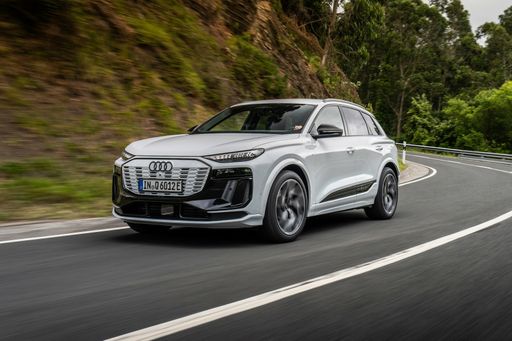
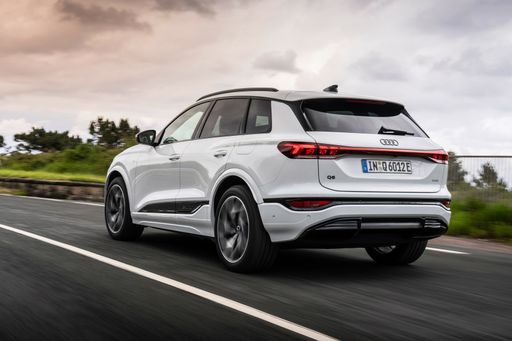
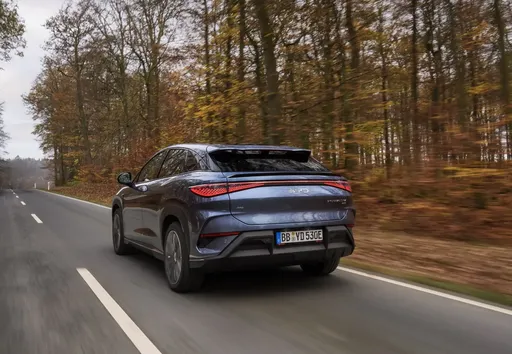
Both SUVs boast contemporary designs tailored for comfort and space. The Q6 e-tron measures 4771 mm in length, offering a trunk capacity of up to 526 liters, ensuring plenty of space for passengers and cargo. Its aerodynamic silhouette not only enhances its aesthetic appeal but also aids in reducing drag for improved efficiency.

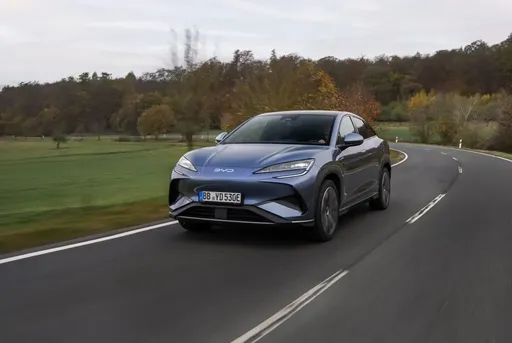
The Sealion 7, slightly larger at 4830 mm, offers a trunk capacity of 520 liters, making it equally practical for day-to-day use and weekend getaways. Its sleek lines and low-slung stance contribute to its sporty look, promising a bold presence on the road.

Q6 e-tron

Driving Experience and Technology

Audi’s Q6 e-tron integrates advanced technology with luxury, providing a seamless driving experience. With a maximum speed of up to 230 km/h and an acceleration that can take you from 0 to 100 km/h in an astounding 4.3 seconds, this SUV delivers on both speed and thrill.

The Sealion 7, too, emphasizes a tech-driven experience, boasting a maximum speed of 215 km/h. The rapid acceleration complements its sophisticated technology suite, keeping drivers connected and informed at every mile.

Sealion 7

Conclusion: Choosing Your Electric Path

Choosing between the Audi Q6 e-tron and the BYD Sealion 7 depends on what you prioritize in an electric vehicle. If a longer range with varied power options and an edge in consumption efficiency is your priority, the Q6 e-tron emerges as a strong contender. However, for those eyeing slightly higher power output and cutting-edge design, the Sealion 7 might be the perfect companion on the road. Both models assure a sophisticated, eco-friendly drive into the future, making either choice a win for any modern SUV enthusiast.

Here’s where it gets real: The technical differences in detail

Q6 e-tron

Costs and Efficiency:

Looking at overall running costs, both models reveal some interesting differences in everyday economy.

BYD Sealion 7 is markedly cheaper – starting at 42,800 £ , while the Audi Q6 e-tron costs 54,400 £ . That’s a price difference of around 11,580 £.

In terms of energy consumption, the Audi Q6 e-tron is markedly more efficient: consuming 15.6 kWh/100km compared to 19.9 kWh/100km for the BYD Sealion 7. That’s a difference of about 4.3 kWh/100km.

As for electric range, the Audi Q6 e-tron offers clearly more range – reaching up to 656 km, about 154 km more than the BYD Sealion 7.

Sealion 7

Engine and Performance:

Under the bonnet, it becomes clear which model is tuned for sportiness and which one takes the lead when you hit the accelerator.

When it comes to engine power, the BYD Sealion 7 offers very slightly more power – delivering 530 HP compared to 490 HP. That’s roughly 40 HP more horsepower.

When accelerating from 0 to 100 km/h, the Audi Q6 e-tron is marginally quicker – completing the sprint in 4.4 s, while the BYD Sealion 7 takes 4.5 s. That’s about 0.1 s quicker.

There’s also a difference in torque: the Audi Q6 e-tron delivers moderately more torque with 855 Nm compared to 690 Nm. That’s about 165 Nm more.

Q6 e-tron

Space and Everyday Use:

Cabin size, boot volume and payload all play a role in everyday practicality. Here, comfort and flexibility make the difference.

Both vehicles offer seating for 5 people.

In terms of curb weight, Audi Q6 e-tron is only slightly lighter – 2,200 kg compared to 2,225 kg. The difference is around 25 kg.

Looking at boot space, the Audi Q6 e-tron offers marginally more boot space – 526 L compared to 520 L. That’s a difference of about 6 L.

When it comes to payload, the Audi Q6 e-tron carries markedly more – 540 kg compared to 410 kg. That’s a difference of about 130 kg.

Who wins the race in the data check?

The Audi Q6 e-tron stands out in the key areas in the objective data comparison.
This result only shows which model scores more points on paper – not which of the two cars feels right for you.

from £54,400
Q6 e-tron

Audi Q6 e-tron

  • Engine Type : Electric
  • Transmission : Automatic
  • Drive Type : Rear-Wheel Drive, All-Wheel Drive
  • Power HP : 252 - 490 HP
  • Consumption kWh/100km : 15.6 - 18.4 kWh/100km
  • Electric Range : 529 - 656 km
Audi Q6 e-tron
BYD Sealion 7

Costs and Consumption

View detailed analysis

Engine and Performance

View detailed analysis

Dimensions and Body

View detailed analysis

Audi Q6 e-tron

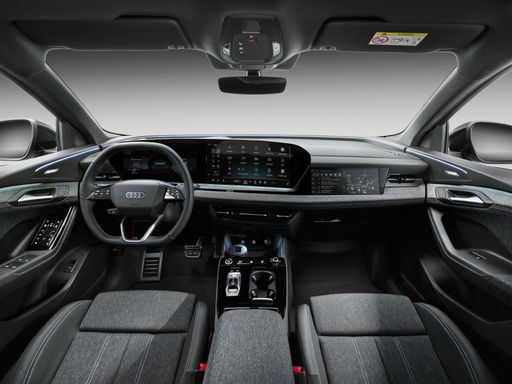
The Audi Q6 e-tron balances sleek, coupe-like styling with a roomy, upscale interior that feels modern without being showy. It delivers refined electric performance and smart tech that make daily driving effortless — the sort of EV that might make petrolheads grudgingly admit they fancy the future.

details

BYD Sealion 7

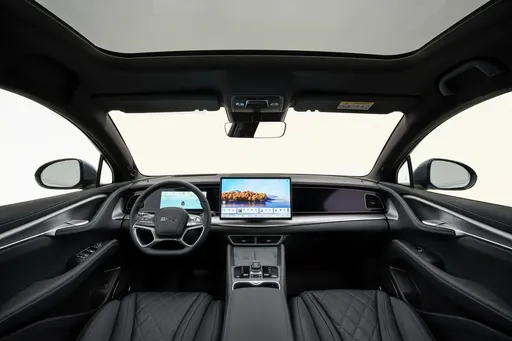
The Sealion 7 captivates with its striking design and impressive performance that appeals to both enthusiasts and casual drivers alike. With a focus on comfort and advanced technology, this model redefines the driving experience, making every journey enjoyable. Its sleek silhouette coupled with an innovative interior showcases the perfect blend of style and functionality.

details
Audi Q6 e-tron
BYD Sealion 7

Costs and Consumption

Price
54,400 - 82,500 £
Price
42,800 - 52,300 £
Consumption L/100km
-
Consumption L/100km
-
Consumption kWh/100km
15.6 - 18.4 kWh/100km
Consumption kWh/100km
19.9 - 21.9 kWh/100km
Electric Range
529 - 656 km
Electric Range
456 - 502 km
Battery Capacity
75.8 - 94.9 kWh
Battery Capacity
-
co2
0 g/km
co2
0 g/km
Fuel tank capacity
-
Fuel tank capacity
-

Dimensions and Body

Body Type
SUV
Body Type
SUV
Seats
5
Seats
5
Doors
5
Doors
-
Curb weight
2,200 - 2,425 kg
Curb weight
2,225 - 2,435 kg
Trunk capacity
499 - 526 L
Trunk capacity
520 L
Length
4,771 mm
Length
-
Width
1,939 - 1,965 mm
Width
1,925 mm
Height
1,665 - 1,685 mm
Height
-
Max trunk capacity
1,361 - 1,529 L
Max trunk capacity
-
Payload
540 kg
Payload
410 kg

Engine and Performance

Engine Type
Electric
Engine Type
Electric
Transmission
Automatic
Transmission
Automatic
Transmission Detail
Reduction Gearbox
Transmission Detail
Reduction Gearbox
Drive Type
Rear-Wheel Drive, All-Wheel Drive
Drive Type
Rear-Wheel Drive, All-Wheel Drive
Power HP
252 - 490 HP
Power HP
313 - 530 HP
Acceleration 0-100km/h
4.4 - 7.6 s
Acceleration 0-100km/h
4.5 - 6.7 s
Max Speed
210 - 230 km/h
Max Speed
-
Torque
450 - 855 Nm
Torque
380 - 690 Nm
Number of Cylinders
-
Number of Cylinders
-
Power kW
185 - 360 kW
Power kW
230 - 390 kW
Engine capacity
-
Engine capacity
-

General

Model Year
2,024 - 2,025
Model Year
2,024
CO2 Efficiency Class
A
CO2 Efficiency Class
A
Brand
Audi
Brand
BYD
DriveDuel uses data analysis and artificial intelligence to evaluate vehicle data and create content. Content is regularly reviewed and improved. The displayed prices are estimates based on German list prices, adjusted to the respective country’s VAT. Country-specific registration taxes are not included. This information is not legally binding.