VS

BMW iX1 vs Audi Q4 e-tron comparison

Compare performance (313 HP vs 340 HP), boot space and price (42,300 £ vs 39,600 £ ) at a glance. Find out which car is the better choice for you – BMW iX1 or Audi Q4 e-tron?

BMW iX1 vs Audi Q4 e-tron: Key differences

BMW iX1

4.7 (3 Reviews)
rate
  • a bit more efficient
  • barely lighter

Audi Q4 e-tron

4.9 (2 Reviews)
rate
  • barely cheaper
  • very slightly more power
  • barely more electric range
  • only slightly quicker 0–100 km/h
  • only slightly more trunk space

All details on performance, efficiency, range and trunk space can be found in the technical comparison below – including user reviews for both models.

iX1

Street Stance and First Glance

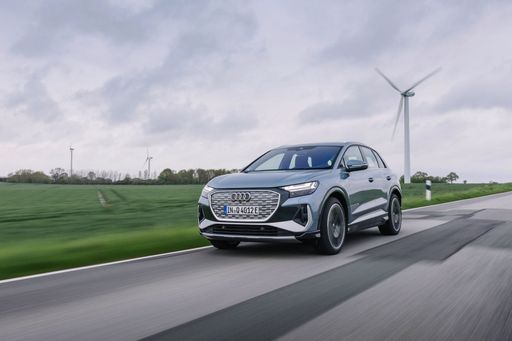
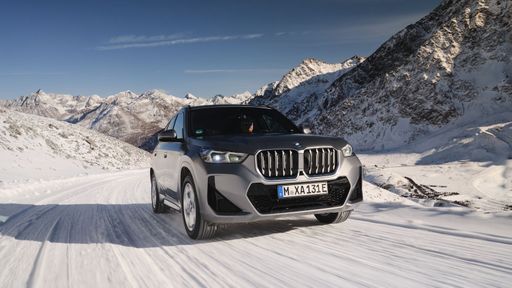
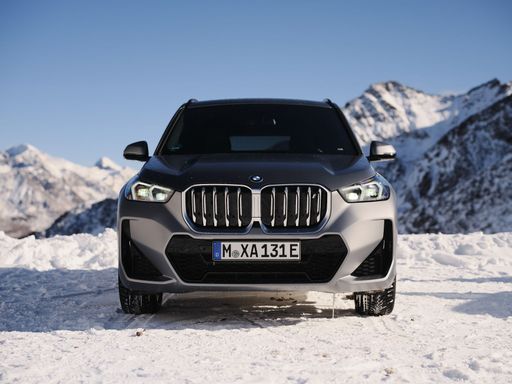
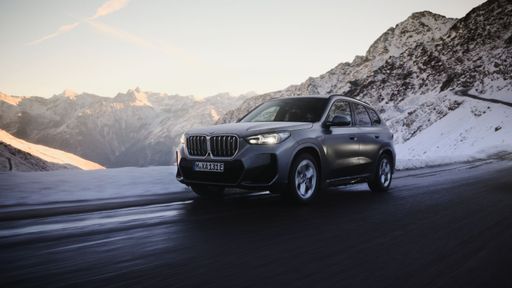
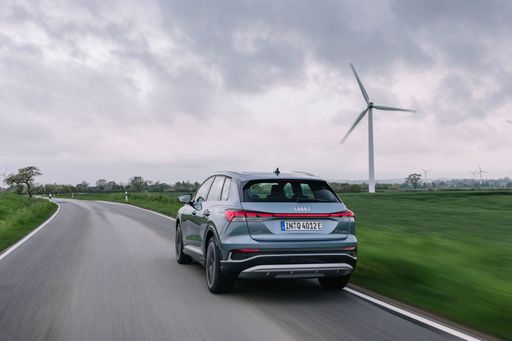
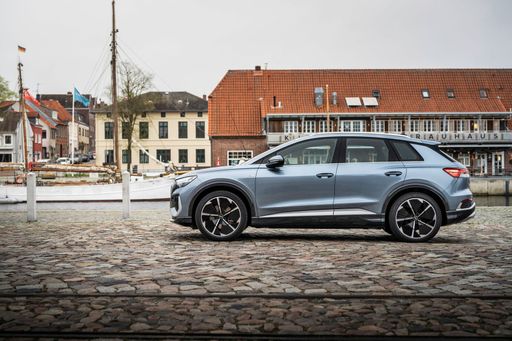
The Audi presents itself with composed, horizontal lines that whisper refinement, while the BMW prefers a more compact, chiseled posture that hints at athletic intent; both know how to turn heads for different reasons. The Audi's presence reads as understated luxury, a car that ages gracefully in urban settings, whereas the BMW projects youthful energy and a confident, on-the-go personality. Pick on looks alone and you’re choosing between sophistication and a sportier, sharper silhouette.

Q4 e-tron

Living Room Ambience

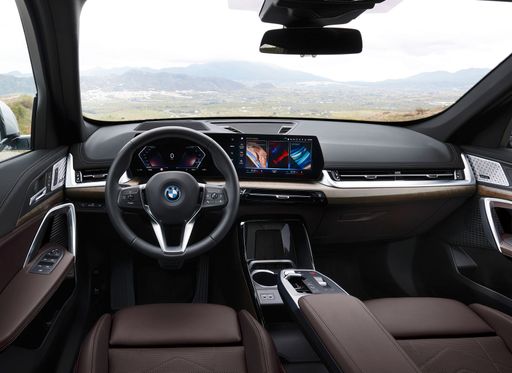
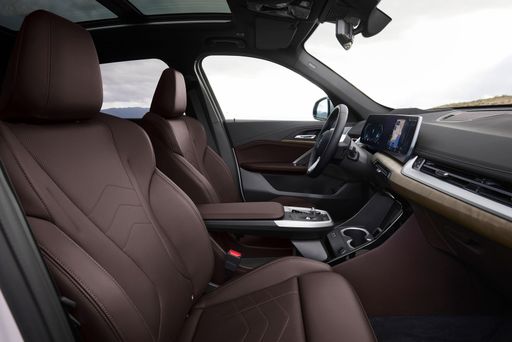
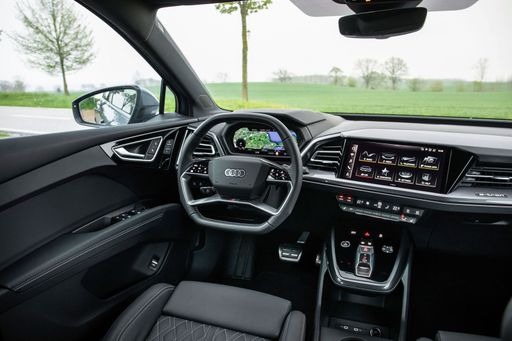
Step inside and the contrast continues: the Audi’s cabin feels like a quiet lounge with soft surfaces and a calm layout, whereas the BMW leans into a driver-focused cockpit with snappy detailing and a firmer seat character. Both cabins are thoughtfully trimmed, but the way each brand uses materials and space creates distinct moods — one calm, one alert — that shape long drives differently. Either way, daily comfort is high on the agenda, with ergonomics that favour different tastes rather than clear compromises.

iX1

How They Behave on the Road

Behind the wheel the Audi settles into a composed, assured rhythm that rewards smooth inputs and relaxed cruising, while the BMW is more eager to change direction and respond to a brisk pace with engaging feedback. Ride tuning differs in spirit: one prioritises composed serenity, the other sharpened agility, so your choice will depend on whether you favour a cushioned glide or a livelier connexion to the road. Both inspire confidence, but they do it with distinct personalities.

Q4 e-tron

Practicality That Fits Your Day

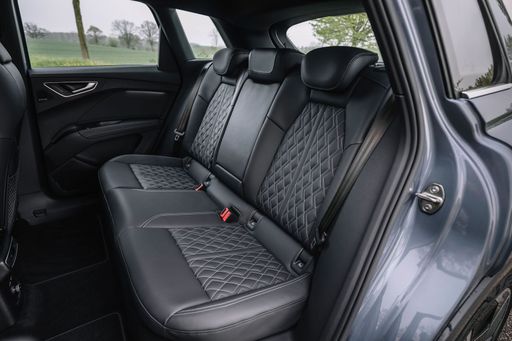
Everyday usability is where these rivals prove their mettle: both have sensible packaging for shopping, weekend kit and school runs, yet they approach flexibility differently — one offers a slightly more expansive feel, the other makes clever use of its more compact dimensions. Rear-seat comfort and ingress are fine for most family duties, and clever small touches help in daily life without calling attention to themselves. If you ferry people and stuff regularly, either will handle the choreography well, just with a different footprint on your garage floor.

iX1

Tech You’ll Actually Use

Infotainment and driver aids are modern and feature-rich in both cars, but the way controls are presented reflects each brand’s philosophy: one keeps things calm and straightforward, the other layers in sporty cues and fidget-friendly menus. Connectivity and charging convenience are treated as essentials, with interfaces that are competent rather than gimmicky, so real-world usability tends to trump headline features. In short, both aim to make daily life easier, though their approaches to menu logic and tactile controls will polarise different types of users.

Q4 e-tron

Who Should Buy Which?

If you’re a commuter after serenity and a well-mannered cabin, the tone and packaging of one of these will feel like a daily upgrade; if you prize a sprightlier feel and a more compact, assertive vibe, the other will likely put the biggest smile on your face. Families seeking ease and versatility will find both practical, while style-conscious buyers can choose based on whether they prefer subtle luxe or athletic pizazz. Ultimately, your lifestyle and what you enjoy most behind the wheel will steer this decision more than any spec sheet.

iX1

Keep Reading — the DriveDuel Crown Awaits

We’ve peeled back the layers on comfort, character and everyday usability so you can picture each model in your life; next up we’ll tally the verdict and explain which traits mattered most in our comparison. Stay with us to find out which contender takes the DriveDuel crown and why that decision could matter to your next garage purchase.

Here’s where it gets real: The technical differences in detail

iX1

Costs and Efficiency:

When it comes to price and running costs, the biggest differences usually appear. This is often where you see which car fits your budget better in the long run.

Audi Q4 e-tron is barely cheaper – starting at 39,600 £ , while the BMW iX1 costs 42,300 £ . That’s a price difference of around 2,785 £.

In terms of energy consumption, the BMW iX1 is a bit more efficient: consuming 14.3 kWh/100km compared to 15.9 kWh/100km for the Audi Q4 e-tron. That’s a difference of about 1.6 kWh/100km.

As for electric range, the Audi Q4 e-tron offers barely more range – reaching up to 554 km, about 40 km more than the BMW iX1.

Q4 e-tron

Engine and Performance:

Under the bonnet, it becomes clear which model is tuned for sportiness and which one takes the lead when you hit the accelerator.

When it comes to engine power, the Audi Q4 e-tron offers very slightly more power – delivering 340 HP compared to 313 HP. That’s roughly 27 HP more horsepower.

When accelerating from 0 to 100 km/h, the Audi Q4 e-tron is only slightly quicker – completing the sprint in 5.4 s, while the BMW iX1 takes 5.6 s. That’s about 0.2 s quicker.

There’s also a difference in torque: the Audi Q4 e-tron delivers markedly more torque with 679 Nm compared to 494 Nm. That’s about 185 Nm more.

iX1

Space and Everyday Use:

Whether family car or daily driver – which one offers more room, flexibility and comfort?

Both vehicles offer seating for 5 people.

In terms of curb weight, BMW iX1 is barely lighter – 1,940 kg compared to 2,035 kg. The difference is around 95 kg.

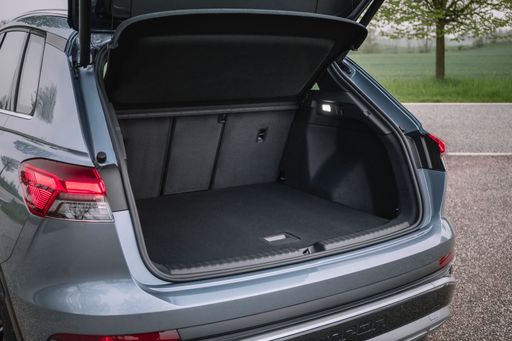
Looking at boot space, the Audi Q4 e-tron offers only slightly more boot space – 535 L compared to 490 L. That’s a difference of about 45 L.

When it comes to payload, the Audi Q4 e-tron carries barely more – 515 kg compared to 495 kg. That’s a difference of about 20 kg.

Who wins the race in the data check?

The Audi Q4 e-tron holds a solid overall lead in the objective data comparison.
This result only shows which model scores more points on paper – not which of the two cars feels right for you.

from £39,600
Q4 e-tron

Audi Q4 e-tron

  • Engine Type : Electric
  • Transmission : Automatic
  • Drive Type : Rear-Wheel Drive, All-Wheel Drive
  • Power HP : 204 - 340 HP
  • Consumption kWh/100km : 15.9 - 17.4 kWh/100km
  • Electric Range : 406 - 554 km
BMW iX1
Audi Q4 e-tron

Costs and Consumption

View detailed analysis

Engine and Performance

View detailed analysis

Dimensions and Body

View detailed analysis

BMW iX1

The BMW iX1 wraps BMW's electric ambition into a compact SUV package that feels unexpectedly premium, with sharp handling and a crisp, modern cabin that keeps the driver in charge. It's ideal for buyers who want a stylish, quiet daily driver with useful practicality and tech-savvy touches — plus enough character to make the commute feel less like a chore and more like a short joyride.

details

Audi Q4 e-tron

The Audi Q4 e-tron brings Audi polish into the electric crossover scene, pairing a sleek exterior with a refined, airy interior that makes everyday driving feel distinctly premium. It’s an easy-to-live-with EV that balances comfort and real-world usability with intuitive tech, making it a smart choice for buyers who want electric mobility without giving up Audi character — and yes, it still looks good in the driveway.

details
BMW iX1
Audi Q4 e-tron

Costs and Consumption

Price
42,300 - 55,200 £
Price
39,600 - 58,800 £
Consumption L/100km
-
Consumption L/100km
-
Consumption kWh/100km
14.3 - 15.7 kWh/100km
Consumption kWh/100km
15.9 - 17.4 kWh/100km
Electric Range
466 - 514 km
Electric Range
406 - 554 km
Battery Capacity
-
Battery Capacity
77 kWh
co2
0 g/km
co2
0 g/km
Fuel tank capacity
-
Fuel tank capacity
-

Dimensions and Body

Body Type
SUV
Body Type
SUV
Seats
5
Seats
5
Doors
-
Doors
5
Curb weight
1,940 - 2,085 kg
Curb weight
2,035 - 2,235 kg
Trunk capacity
490 L
Trunk capacity
520 - 535 L
Length
-
Length
4,588 mm
Width
1,845 mm
Width
1,865 mm
Height
-
Height
1,614 - 1,632 mm
Max trunk capacity
-
Max trunk capacity
1,460 - 1,490 L
Payload
495 kg
Payload
505 - 515 kg

Engine and Performance

Engine Type
Electric
Engine Type
Electric
Transmission
Automatic
Transmission
Automatic
Transmission Detail
Reduction Gearbox
Transmission Detail
Reduction Gearbox
Drive Type
Front-Wheel Drive, All-Wheel Drive
Drive Type
Rear-Wheel Drive, All-Wheel Drive
Power HP
204 - 313 HP
Power HP
204 - 340 HP
Acceleration 0-100km/h
5.6 - 8.6 s
Acceleration 0-100km/h
5.4 - 8.1 s
Max Speed
-
Max Speed
180 km/h
Torque
250 - 494 Nm
Torque
310 - 679 Nm
Number of Cylinders
-
Number of Cylinders
-
Power kW
150 - 230 kW
Power kW
150 - 250 kW
Engine capacity
-
Engine capacity
-

General

Model Year
2,026
Model Year
2,023 - 2,025
CO2 Efficiency Class
A
CO2 Efficiency Class
A
Brand
BMW
Brand
Audi
DriveDuel uses data analysis and artificial intelligence to evaluate vehicle data and create content. Content is regularly reviewed and improved. The displayed prices are estimates based on German list prices, adjusted to the respective country’s VAT. Country-specific registration taxes are not included. This information is not legally binding.