VS

BMW iX3 vs BMW i4 comparison

Compare performance (469 HP vs 601 HP), boot space and price (60,800 £ vs 49,400 £ ) at a glance. Find out which car is the better choice for you – BMW iX3 or BMW i4?

BMW iX3 vs BMW i4: Key differences

BMW iX3

4.7 (2 Reviews)
rate
  • noticeably more electric range

BMW i4

5 (1 Reviews)
rate
  • clearly cheaper
  • noticeably more power
  • only slightly more efficient
  • markedly quicker 0–100 km/h
  • slightly lighter

All details on performance, efficiency, range and trunk space can be found in the technical comparison below – including user reviews for both models.

iX3

The BMW i4 and BMW iX3 represent two distinct approaches to electric mobility from one of the automotive industry’s most prestigious brands. While both vehicles embrace BMW's commitment to sustainability and performance, they cater to different needs and preferences. This comparison delves into the technical specifications and innovative features of these two electric powerhouses.
i4

Design and Body Type

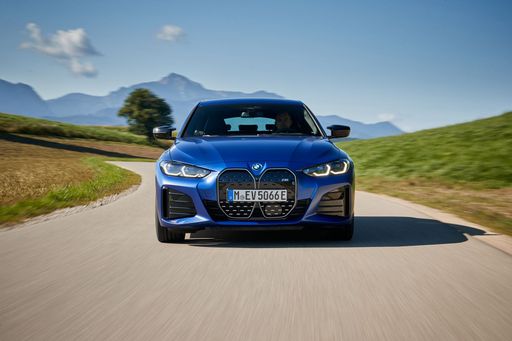
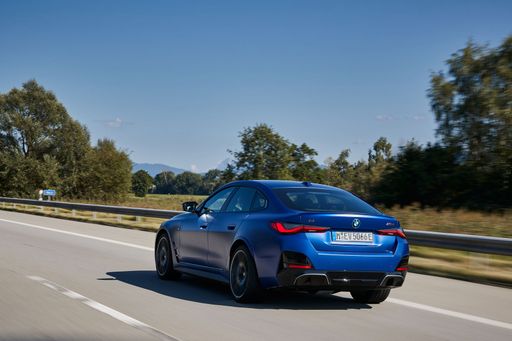
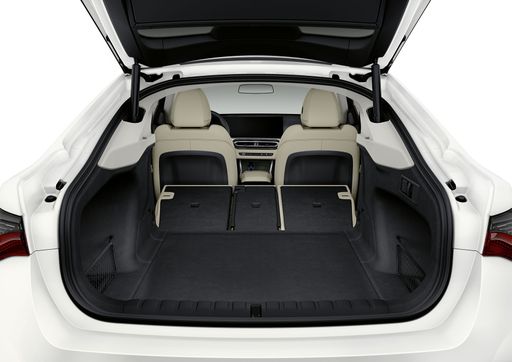
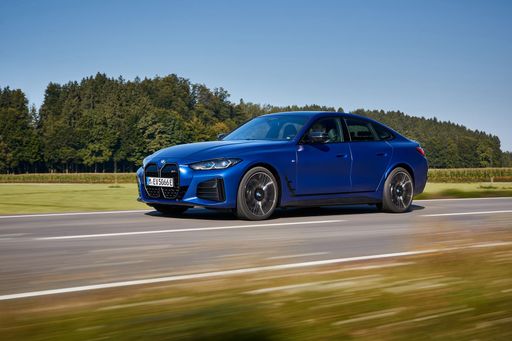
The BMW i4 is classified as a hatchback, seamlessly blending sporty aesthetics with practicality. Its sleek profile is designed to enhance aerodynamics while providing ample trunk space of 470 liters, making it suitable for both urban commuting and longer journeys.

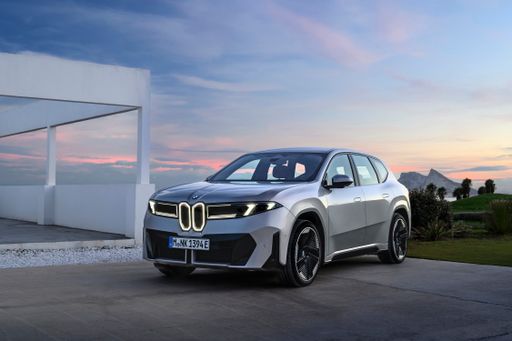
On the other hand, the iX3 is an SUV, offering a more robust and elevated stance. With a trunk capacity of 510 liters, it combines the benefits of an SUV’s spaciousness with the efficiency of electric power. At a length of 4734 mm and a width of 1891 mm, it projects a commanding presence on the road.

iX3

Powertrain and Performance

The i4 offers multiple power outputs ranging from 286 HP up to an exhilarating 544 HP, catering to varying performance preferences. The lower variants accelerate from 0-100 km/h in just 6 seconds, while the high-end performance variant achieves this in an impressive 3.9 seconds. The i4’s dual drivetrain options (Rear-Wheel Drive and All-Wheel Drive) provide enhanced versatility and handling.

In comparison, the iX3 comes equipped with a single power output of 286 HP, accelerating from 0-100 km/h in 6.8 seconds. It operates on Rear-Wheel Drive only, which still delivers a spirited driving experience often associated with BMW vehicles, but lacks the versatility of the i4's drivetrain options.

i4

Battery and Range

When it comes to battery capacity, the i4 offers options of 67.1 kWh and 81.3 kWh, providing electric ranges between 485 km and 582 km depending on the variant. This versatility allows drivers to choose a model that suits their driving habits, whether for short daily commuting or extended road trips.

The iX3 features a 73.9 kWh battery, achieving an electric range of up to 471 km. While it doesn't quite match the i4’s maximum range, it remains competitive in the SUV segment, offering sufficient range for family excursions and everyday use.

iX3

Efficiency and Consumption

In terms of efficiency, the i4 shines with consumption figures ranging from 15.6 kWh/100 km to 18 kWh/100 km depending on the variant. This showcases its performance-oriented design without compromising on effectiveness.

Conversely, the iX3 has a slightly higher consumption rate at 17.6 kWh/100 km, which is common for SUV designs due to their larger size and weight. However, it still stands out within its segment for offering zero tailpipe emissions.

i4

Innovative Features and Technology

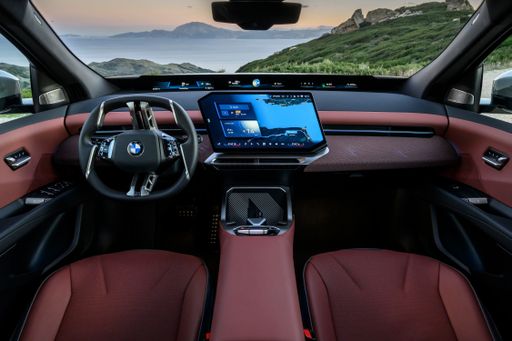
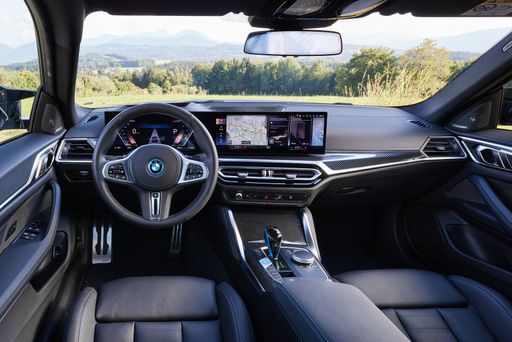
Both models come equipped with BMW’s latest iDrive system, featuring a high-resolution display, navigation, and various connectivity options to enhance the driving experience. However, the i4 boasts additional performance-oriented technologies, including advanced driving dynamics control and optional M performance upgrades, a staple of the brand’s sporting heritage.

The iX3, while not as performance-driven, offers an array of driver assistance systems, ensuring safety and convenience for family driving. Features like adaptive cruise control, lane-keeping assist, and parking assistant are readily available.

iX3

Conclusion: Choose Your Electric Adventure

In conclusion, the choice between the BMW i4 and BMW iX3 boils down to personal preferences and lifestyle needs. The i4 is an excellent option for those seeking sports car dynamics without sacrificing everyday practicality, while the iX3 serves as the ideal family SUV with space and comfort. Both vehicles cement BMW's status as a leader in the electric vehicle domain, combining innovation, performance, and sustainability.

Here’s where it gets real: The technical differences in detail

iX3

Costs and Efficiency:

When it comes to price and running costs, the biggest differences usually appear. This is often where you see which car fits your budget better in the long run.

BMW i4 is clearly cheaper – starting at 49,400 £ , while the BMW iX3 costs 60,800 £ . That’s a price difference of around 11,400 £.

In terms of energy consumption, the BMW i4 is only slightly more efficient: consuming 14.7 kWh/100km compared to 15.1 kWh/100km for the BMW iX3. That’s a difference of about 0.4 kWh/100km.

As for electric range, the BMW iX3 offers noticeably more range – reaching up to 805 km, about 192 km more than the BMW i4.

i4

Engine and Performance:

Power, torque and acceleration say a lot about how a car feels on the road. This is where you see which model delivers more driving dynamics.

When it comes to engine power, the BMW i4 offers noticeably more power – delivering 601 HP compared to 469 HP. That’s roughly 132 HP more horsepower.

When accelerating from 0 to 100 km/h, the BMW i4 is markedly quicker – completing the sprint in 3.7 s, while the BMW iX3 takes 4.9 s. That’s about 1.2 s quicker.

There’s also a difference in torque: the BMW i4 delivers a bit more torque with 795 Nm compared to 645 Nm. That’s about 150 Nm more.

iX3

Space and Everyday Use:

Whether family car or daily driver – which one offers more room, flexibility and comfort?

Both vehicles offer seating for 5 people.

In terms of curb weight, BMW i4 is slightly lighter – 2,070 kg compared to 2,360 kg. The difference is around 290 kg.

When it comes to payload, the BMW i4 carries only slightly more – 480 kg compared to 465 kg. That’s a difference of about 15 kg.

Who wins the race in the data check?

The BMW i4 stands well ahead of its rival in the objective data comparison.
This result only shows which model scores more points on paper – not which of the two cars feels right for you.

from £49,400
i4

BMW i4

  • Engine Type : Electric
  • Transmission : Automatic
  • Drive Type : Rear-Wheel Drive, All-Wheel Drive
  • Power HP : 286 - 601 HP
  • Consumption kWh/100km : 14.7 - 16.7 kWh/100km
  • Electric Range : 514 - 613 km
BMW iX3
BMW i4

Costs and Consumption

View detailed analysis

Engine and Performance

View detailed analysis

Dimensions and Body

View detailed analysis

BMW iX3

The BMW iX3 brings BMW's familiar SUV poise into the electric era, blending restrained styling and a comfortable, composed ride that will please traditionalists dipping their toes into electrification. It's quiet, practical and rather grown-up about going electric — a sensible choice for buyers who want BMW driving manners without the drama.

details

BMW i4

The BMW i4 arrives with the poise of a classic Gran Coupé, marrying BMW's playful handling with a sleek, modern interior that makes switching to electric feel like an upgrade rather than a compromise. For buyers who want a practical daily driver that still enjoys a spirited back-road run, the i4 quietly delivers smiles and a surprising dose of driver engagement.

details
BMW iX3
BMW i4

Costs and Consumption

Price
60,800 - 66,300 £
Price
49,400 - 62,500 £
Consumption L/100km
-
Consumption L/100km
-
Consumption kWh/100km
15.1 kWh/100km
Consumption kWh/100km
14.7 - 16.7 kWh/100km
Electric Range
805 km
Electric Range
514 - 613 km
Battery Capacity
-
Battery Capacity
-
co2
0 g/km
co2
0 g/km
Fuel tank capacity
-
Fuel tank capacity
-

Dimensions and Body

Body Type
SUV
Body Type
Hatchback
Seats
5
Seats
5
Doors
-
Doors
-
Curb weight
2,360 kg
Curb weight
2,070 - 2,285 kg
Trunk capacity
-
Trunk capacity
470 L
Length
-
Length
-
Width
1,895 mm
Width
1,852 mm
Height
-
Height
-
Max trunk capacity
-
Max trunk capacity
-
Payload
465 kg
Payload
445 - 480 kg

Engine and Performance

Engine Type
Electric
Engine Type
Electric
Transmission
Automatic
Transmission
Automatic
Transmission Detail
Reduction Gearbox
Transmission Detail
Reduction Gearbox
Drive Type
All-Wheel Drive
Drive Type
Rear-Wheel Drive, All-Wheel Drive
Power HP
469 HP
Power HP
286 - 601 HP
Acceleration 0-100km/h
4.9 s
Acceleration 0-100km/h
3.7 - 6 s
Max Speed
-
Max Speed
-
Torque
645 Nm
Torque
400 - 795 Nm
Number of Cylinders
-
Number of Cylinders
-
Power kW
345 kW
Power kW
210 - 442 kW
Engine capacity
-
Engine capacity
-

General

Model Year
2,026
Model Year
2,024 - 2,025
CO2 Efficiency Class
A
CO2 Efficiency Class
A
Brand
BMW
Brand
BMW
DriveDuel uses data analysis and artificial intelligence to evaluate vehicle data and create content. Content is regularly reviewed and improved. The displayed prices are estimates based on German list prices, adjusted to the respective country’s VAT. Country-specific registration taxes are not included. This information is not legally binding.