VS

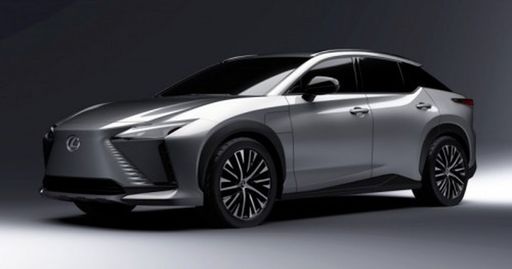
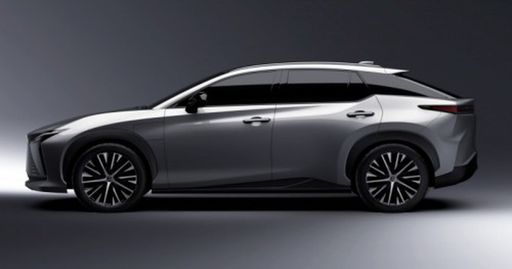
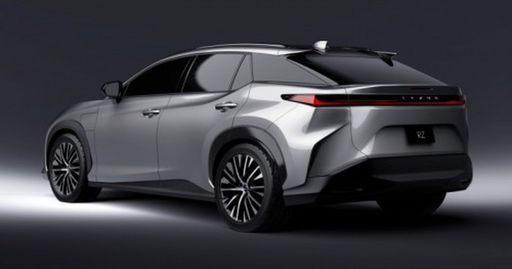
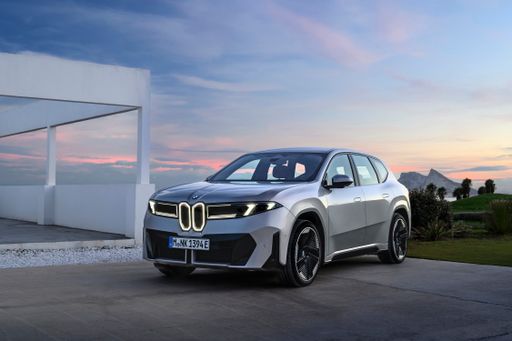
BMW iX3 vs Lexus RZ comparison

Compare performance (469 HP vs 408 HP), boot space and price (54,300 £ vs 48,900 £ ) at a glance. Find out which car is the better choice for you – BMW iX3 or Lexus RZ?

BMW iX3 vs Lexus RZ: Key differences

BMW iX3

4.6 (4 Reviews)
rate
  • somewhat more power
  • marginally more efficient
  • clearly more electric range
details

Lexus RZ

4.8 (2 Reviews)
rate
  • slightly cheaper
  • a bit quicker 0–100 km/h
  • slightly lighter
details

All details on performance, efficiency, range and trunk space can be found in the technical comparison below – including user reviews for both models.

By Achim Sedelmaier

iX3

Quick take: BMW iX3 and Lexus RZ in one line

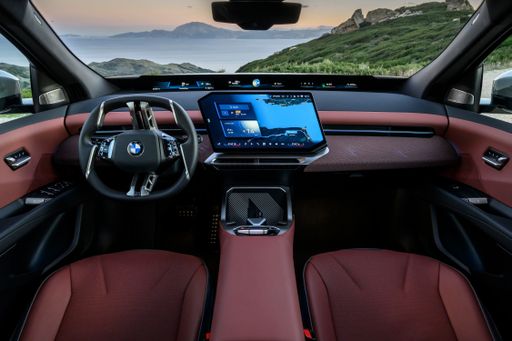
BMW iX3 vs Lexus RZ pits BMW’s tech‑forward, long‑distance electric SUV against Lexus’s calm, comfort‑first interpretation of a premium EV. The BMW iX3 feels like a range‑and‑technology statement: long trips, fast charging and a cockpit that prioritises digital control. The Lexus RZ leans the other way with a hushed cabin, tactile materials and an emphasis on serenity rather than tech bravado. Choosing between them comes down to whether you want a travel‑optimised, digitally advanced SUV or a more traditional, refined lounge on wheels.
RZ

Driving character and motorway behaviour

The BMW iX3 behaves like an efficient touring car with a sporty streak, rewarding higher speeds with composure and confidence and offering driver aids that reduce fatigue on long runs. The Lexus RZ steadies the driver with a gentler, more relaxed demeanor that emphasises smoothness over agility, so it never feels eager but rarely surprises. Where the iX3 shortens stops and keeps highway runs efficient, the RZ makes the distance feel less stressful at the expense of outright range and charging speed. If your typical week is motorway miles, the iX3’s temperament and systems lean in your favour; if you prize a cruise‑calm, the RZ will feel like a quieter companion.

iX3

Comfort, cabin feel and perceived quality

Step into the Lexus RZ and the impression is of classic Japanese luxury: thoughtful surfaces, quiet isolation and seats tuned for long, relaxed journeys. The BMW iX3 takes a different route, offering a modern, minimalist cabin with a panoramic display package that feels cutting‑edge but asks for some learning and sacrifices a few physical controls. Rear passengers get generous room in both cars, yet the iX3’s flat floor and deep seating posture benefit taller occupants, whereas the RZ trades thigh support for generous knee room. In short, the RZ reads as refined and tactile, the iX3 as high‑tech and purposefully engineered for long‑distance comfort.

RZ

Practicality and usability day to day

The BMW iX3 is the more travel‑practical of the two: it offers additional storage tricks and towing flexibility that suit active families and weekenders with gear. The Lexus RZ keeps things straightforward with a well‑shaped boot and easy rear access, but it is less clever around the edges — think higher loading lip and fewer front‑of‑car storage options. Both cabins trade off some everyday niceties to make space for their design priorities: the iX3’s ergonomic compromises come from digital control layouts, while the RZ’s come from conservative interior packaging. If you frequently load bulky items or tow, the iX3’s utility leans in your favour; if you value a tidy, easy‑to‑live‑with trunk and premium finishes, the RZ does that quietly well.

iX3

City friendliness and daily driving

In urban use the Lexus RZ feels immediately composed—soft ride, light steering and an overall sense of calm that makes stop‑start traffic less draining. The BMW iX3 is competent in town but carries a wider stance and a more digital interaction model that sometimes makes quick adjustments feel less tactile. Both have parking aids and camera systems to help with the BMW’s broader footprint and the RZ’s limited rear visibility, but Lexus’s assistants can be overcautious and chirpy while BMW’s systems push more automation. For short commutes and relaxed neighbourhood runs the RZ’s serenity wins; for drivers who value assistant‑led convenience and don’t mind a larger footprint, the iX3 is equally practical.

RZ

Buyer fit — who should consider the BMW iX3 or the Lexus RZ?

Pick the BMW iX3 if your priorities are long trips, rapid charging, modern cockpit tech and a more dynamic feel; it suits tech‑minded drivers, frequent motorway users and those who need towing or extra travel flexibility. Choose the Lexus RZ if you prioritise material quality, a hushed cabin, comfortable daily driving and a more classical luxury sensibility; it suits families and buyers who prize serenity over headline performance. Both are premium EVs but they appeal to different instincts: the iX3 asks you to embrace new tech and long‑distance efficiency, the RZ asks you to relax into comfort and refinement. Read on to the technical comparison to see how those tendencies translate into the specifics that matter on paper and on the road.

Here’s where it gets real: The technical differences in detail

iX3

Costs and Efficiency:

Looking at overall running costs, both models reveal some interesting differences in everyday economy.

Lexus RZ is slightly cheaper – starting at 48,900 £ , while the BMW iX3 costs 54,300 £ . That’s a price difference of around 5,400 £.

In terms of energy consumption, the BMW iX3 is marginally more efficient: consuming 14.6 kWh/100km compared to 14.7 kWh/100km for the Lexus RZ. That’s a difference of about 0.1 kWh/100km.

As for electric range, the BMW iX3 offers clearly more range – reaching up to 805 km, about 246 km more than the Lexus RZ.

RZ

Engine and Performance:

Power, torque and acceleration are the classic benchmarks for car enthusiasts – and here, some clear differences start to show.

When it comes to engine power, the BMW iX3 offers somewhat more power – delivering 469 HP compared to 408 HP. That’s roughly 61 HP more horsepower.

When accelerating from 0 to 100 km/h, the Lexus RZ is a bit quicker – completing the sprint in 4.4 s, while the BMW iX3 takes 4.9 s. That’s about 0.5 s quicker.

There’s also a difference in torque: the BMW iX3 delivers somewhat more torque with 645 Nm compared to 538 Nm. That’s about 107 Nm more.

iX3

Space and Everyday Use:

Cabin size, boot volume and payload all play a role in everyday practicality. Here, comfort and flexibility make the difference.

Both vehicles offer seating for 5 people.

In terms of curb weight, Lexus RZ is slightly lighter – 1,995 kg compared to 2,360 kg. The difference is around 365 kg.

When it comes to payload, the Lexus RZ carries moderately more – 540 kg compared to 465 kg. That’s a difference of about 75 kg.

Who wins the race in the data check?

The BMW iX3 is barely ahead in the objective data comparison.
This result only shows which model scores more points on paper – not which of the two cars feels right for you.

from £54,300
iX3

BMW iX3

  • Engine Type Electric
  • Transmission Automatic
  • Drive Type All-Wheel Drive, Rear-Wheel Drive
  • Power HP 320 - 469 HP
  • Consumption kWh/100km 14.6 - 15.1 kWh/100km
  • Electric Range 635 - 805 km
BMW iX3
Lexus RZ

Costs and Consumption

View detailed analysis

Engine and Performance

View detailed analysis

Dimensions and Body

View detailed analysis

BMW iX3

The BMW iX3 is an electric SUV that delivers the composed, premium driving experience BMW buyers expect. With a calm, refined cabin and practical everyday usability, it’s a strong choice for those who want electric motoring without giving up luxury and comfort.

details

Lexus RZ

The Lexus RZ brings Lexus' trademark quiet luxury to the electric SUV world, wrapping poised handling and a plush, well-crafted cabin in a calm, composed package. It won't shout about raw figures — instead it trades headline numbers for smooth power delivery, fuss-free tech and an effortless refinement that will suit buyers who want electric convenience without losing the luxury experience.

details
BMW iX3
Lexus RZ

Costs and Consumption

Price
54,300 - 66,300 £
Price
48,900 - 67,500 £
Consumption L/100km
-
Consumption L/100km
-
Consumption kWh/100km
14.6 - 15.1 kWh/100km
Consumption kWh/100km
14.7 - 18.1 kWh/100km
Electric Range
635 - 805 km
Electric Range
457 - 559 km
Battery Capacity
-
Battery Capacity
-
co2
0 g/km
co2
0 g/km
Fuel tank capacity
-
Fuel tank capacity
-

Dimensions and Body

Body Type
SUV
Body Type
SUV
Seats
5
Seats
5
Doors
-
Doors
-
Curb weight
2,360 kg
Curb weight
1,995 - 2,135 kg
Trunk capacity
-
Trunk capacity
522 L
Length
-
Length
-
Width
1,895 mm
Width
1,895 mm
Height
-
Height
-
Max trunk capacity
-
Max trunk capacity
-
Payload
465 kg
Payload
505 - 540 kg

Engine and Performance

Engine Type
Electric
Engine Type
Electric
Transmission
Automatic
Transmission
Automatic
Transmission Detail
Reduction Gearbox
Transmission Detail
Reduction Gearbox
Drive Type
All-Wheel Drive, Rear-Wheel Drive
Drive Type
Front-Wheel Drive, All-Wheel Drive
Power HP
320 - 469 HP
Power HP
227 - 408 HP
Acceleration 0-100km/h
4.9 - 5.9 s
Acceleration 0-100km/h
4.4 - 7.5 s
Max Speed
-
Max Speed
-
Torque
500 - 645 Nm
Torque
269 - 538 Nm
Number of Cylinders
-
Number of Cylinders
-
Power kW
235 - 345 kW
Power kW
167 - 300 kW
Engine capacity
-
Engine capacity
-

General

Model Year
2026
Model Year
2025
CO2 Efficiency Class
A
CO2 Efficiency Class
A
Brand
BMW
Brand
Lexus
DriveDuel uses data analysis and artificial intelligence to evaluate vehicle data and create content. Content is regularly reviewed and improved. The displayed prices are estimates based on German list prices, adjusted to the respective country’s VAT. Country-specific registration taxes are not included. This information is not legally binding.