VS

BMW X3 vs Audi Q5 comparison

Compare performance (398 HP vs 367 HP), boot space and price (51,300 £ vs 46,400 £ ) at a glance. Find out which car is the better choice for you – BMW X3 or Audi Q5?

BMW X3 vs Audi Q5: Key differences

BMW X3

4.6 (1 Reviews)
rate
  • marginally more power
  • only slightly more trunk space

Audi Q5

4.4 (5 Reviews)
rate
  • a bit cheaper
  • moderately more efficient
  • a bit more electric range
  • only slightly quicker 0–100 km/h
  • barely lighter

All details on performance, efficiency, range and trunk space can be found in the technical comparison below – including user reviews for both models.

X3

Audi Q5 vs. BMW X3: The Ultimate SUV Showdown

In the competitive world of luxury SUVs, two names stand out: the Audi Q5 and the BMW X3. Both vehicles embody a perfect blend of performance, comfort, and cutting-edge technology. However, which one reigns supreme? This comparison delves into their technical specifications, innovations, and overall appeal to help you make an informed decision.
Q5

Performance and Engine Options

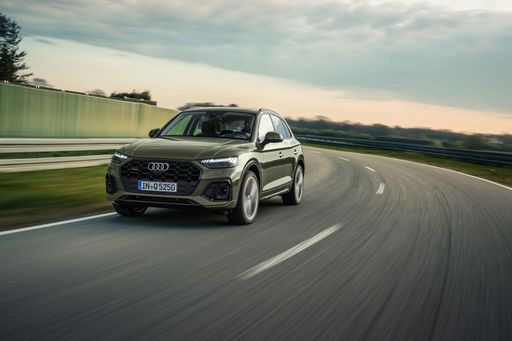
The Audi Q5 offers a range of engine types including Diesel MHEV, Petrol MHEV, and Plugin Hybrids, providing power outputs ranging from 163 HP to a potent 367 HP. Its powertrain technologies include advanced automatic transmissions, ensuring a smooth and responsive driving experience. The acceleration of the Q5 is impressive, with a sprint from 0-100 km/h achievable in as little as 4.5 seconds.

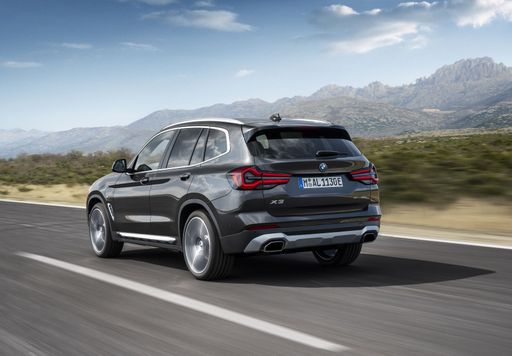
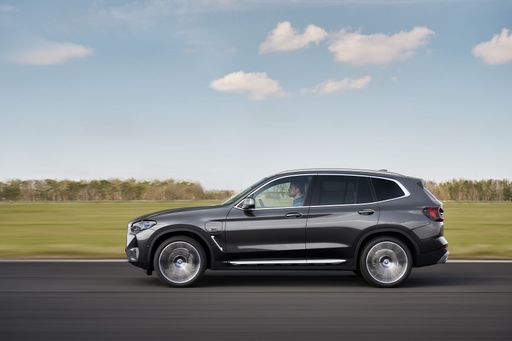
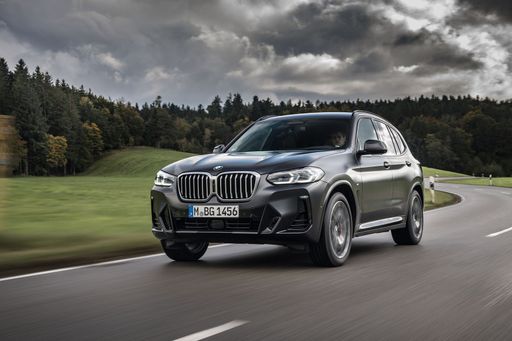
On the other hand, the BMW X3 also showcases a robust lineup of engine options, from Diesel MHEV to standalone petrol engines, with outputs starting at 184 HP and peaking at a remarkable 398 HP. The X3's acceleration is equally commendable, with the fastest model reaching 0-100 km/h in just 3.8 seconds, leaving the Q5 in its wake.

X3

Fuel Efficiency and Emissions

Fuel efficiency is a key consideration for many SUV buyers, and both the Q5 and X3 present competitive figures. The Q5 boasts a consumption of as low as 5.6 L/100 km for selected models, while certain versions can achieve electric ranges of up to 62 km, making it a suitable choice for eco-conscious drivers.

The X3 holds its ground with a minimum fuel consumption of 5.8 L/100 km and impressive electric ranges, particularly with its Plugin Hybrid versions, which can offer up to 90 km on electric power alone. This efficiency places it in the mix for those looking to minimize their carbon footprint.

Q5

Interior and Comfort

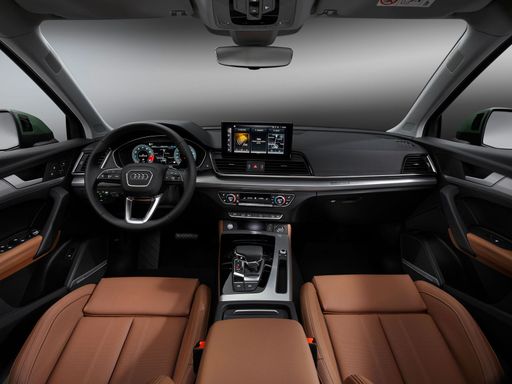
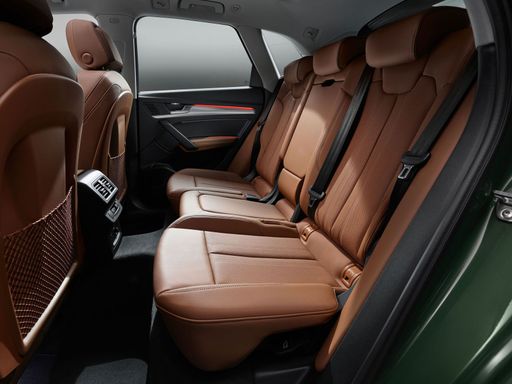
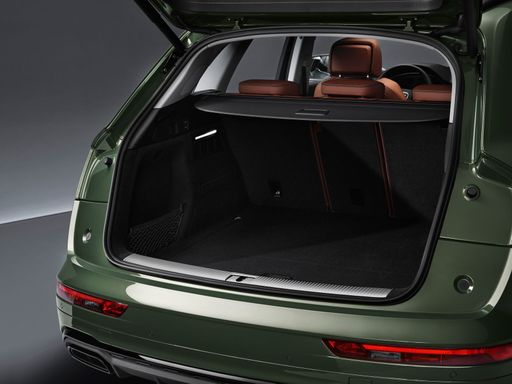
Stepping inside the Q5 reveals a meticulously crafted cabin, featuring high-quality materials and state-of-the-art technology. Audi’s Virtual Cockpit offers a digital display that enhances the driving experience, while spacious seating for five provides comfort on long journeys. The trunk capacity measures a generous 520 liters, allowing ample room for luggage and other cargo.

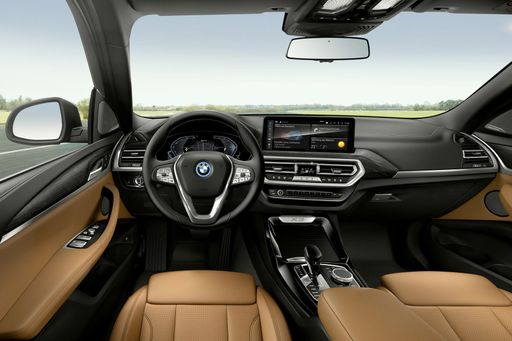
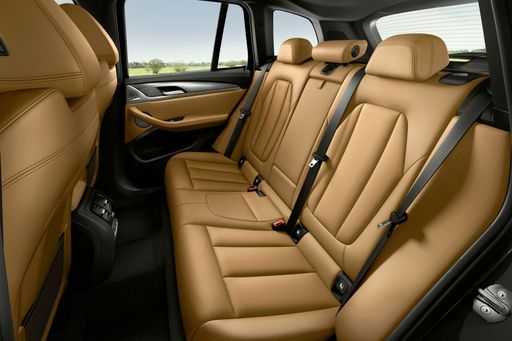
Conversely, the X3’s interior is designed with a focus on sportiness and user-friendliness. The layout is intuitive, with premium materials that radiate sophistication. With trunk space ranging up to 570 liters, the X3 ensures that cargo space is not compromised for luxury.

X3

Safety and Innovative Features

When it comes to safety, both Audi and BMW have integrated advanced systems in their vehicles. The Q5 is equipped with Audi’s suite of driver assistance features, including Adaptive Cruise Control, Lane Departure Warning, and Collision Avoidance systems that enhance peace of mind on the road.

The BMW X3 also offers an impressive array of safety technologies, such as Active Driving Assistant, which includes similar features to Audi's offerings. Both vehicles have received high safety ratings in crash tests, promising a secure environment for occupants.

Q5

Final Verdict: Which SUV is for You?

In conclusion, the Audi Q5 and BMW X3 are formidable contenders in the luxury SUV market. The Q5 excels in interior comfort and a range of engine options, while the X3 shines with its sporty performance and superior acceleration. Your choice ultimately hinges on personal preference—whether you prioritize cutting-edge technology and comfort in the Q5 or sportiness and performance in the X3.

Regardless of your decision, both vehicles promise an exhilarating driving experience, making them worthy of consideration in your quest for the perfect SUV.

Here’s where it gets real: The technical differences in detail

X3

Costs and Efficiency:

Looking at overall running costs, both models reveal some interesting differences in everyday economy.

Audi Q5 is a bit cheaper – starting at 46,400 £ , while the BMW X3 costs 51,300 £ . That’s a price difference of around 4,886 £.

Fuel consumption also shows a difference: the Audi Q5 uses 2.5 L/100km and is moderately more efficient than the BMW X3 with 2.8 L/100km. The difference is about 0.3 L/100km.

As for electric range, the Audi Q5 offers a bit more range – reaching up to 100 km, about 12 km more than the BMW X3.

Q5

Engine and Performance:

Power, torque and acceleration say a lot about how a car feels on the road. This is where you see which model delivers more driving dynamics.

When it comes to engine power, the BMW X3 offers marginally more power – delivering 398 HP compared to 367 HP. That’s roughly 31 HP more horsepower.

When accelerating from 0 to 100 km/h, the Audi Q5 is only slightly quicker – completing the sprint in 4.5 s, while the BMW X3 takes 4.6 s. That’s about 0.1 s quicker.

There’s also a difference in torque: the BMW X3 delivers moderately more torque with 670 Nm compared to 580 Nm. That’s about 90 Nm more.

X3

Space and Everyday Use:

Whether family car or daily driver – which one offers more room, flexibility and comfort?

Both vehicles offer seating for 5 people.

In terms of curb weight, Audi Q5 is barely lighter – 1,910 kg compared to 1,930 kg. The difference is around 20 kg.

Looking at boot space, the BMW X3 offers only slightly more boot space – 570 L compared to 520 L. That’s a difference of about 50 L.

When it comes to payload, the BMW X3 carries barely more – 570 kg compared to 565 kg. That’s a difference of about 5 kg.

Who wins the race in the data check?

The Audi Q5 has only a minor advantage in the objective data comparison.
This result only shows which model scores more points on paper – not which of the two cars feels right for you.

from £46,400
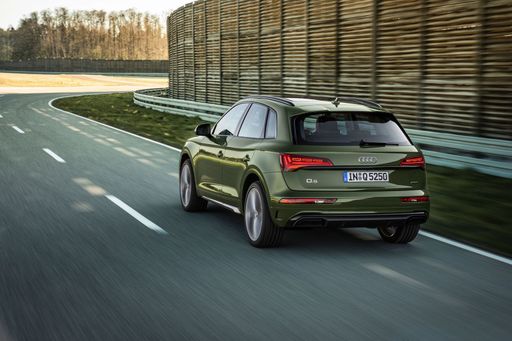
Q5

Audi Q5

  • Engine Type : Plugin Hybrid, Petrol MHEV, Diesel MHEV
  • Transmission : Automatic
  • Drive Type : All-Wheel Drive, Front-Wheel Drive
  • Power HP : 204 - 367 HP
  • Consumption L/100km : 2.5 - 8.3 L/100km
  • Electric Range : 92 - 100 km
BMW X3
Audi Q5

Costs and Consumption

View detailed analysis

Engine and Performance

View detailed analysis

Dimensions and Body

View detailed analysis

BMW X3

The BMW X3 mixes Bavarian poise with everyday practicality, delivering a composed ride and a cabin that feels both premium and lived-in. It’s the sort of SUV that lets you enjoy sporty handling without sacrificing family-friendly space, so you get fun and sense in one neat package.

details

Audi Q5

The Audi Q5 feels like the sensible luxury choice — polished cabin materials, a calm ride and enough tech to keep commuters and weekend adventurers equally pleased. It won't shout for attention but will quietly check the boxes for buyers who want refinement, space and everyday usability with a dash of Audi charisma.

details
BMW X3
Audi Q5

Costs and Consumption

Price
51,300 - 72,400 £
Price
46,400 - 79,600 £
Consumption L/100km
2.8 - 7.7 L/100km
Consumption L/100km
2.5 - 8.3 L/100km
Consumption kWh/100km
-
Consumption kWh/100km
-
Electric Range
88 km
Electric Range
92 - 100 km
Battery Capacity
-
Battery Capacity
-
co2
64 - 175 g/km
co2
56 - 189 g/km
Fuel tank capacity
60 - 65 L
Fuel tank capacity
-

Dimensions and Body

Body Type
SUV
Body Type
SUV
Seats
5
Seats
5
Doors
5
Doors
-
Curb weight
1,930 - 2,140 kg
Curb weight
1,910 - 2,245 kg
Trunk capacity
460 - 570 L
Trunk capacity
433 - 520 L
Length
4,755 mm
Length
-
Width
1,920 mm
Width
1,900 mm
Height
1,660 mm
Height
-
Max trunk capacity
1,700 L
Max trunk capacity
-
Payload
570 kg
Payload
490 - 565 kg

Engine and Performance

Engine Type
Petrol MHEV, Diesel MHEV, Plugin Hybrid
Engine Type
Plugin Hybrid, Petrol MHEV, Diesel MHEV
Transmission
Automatic
Transmission
Automatic
Transmission Detail
Automatic Gearbox
Transmission Detail
Dual-Clutch Automatic
Drive Type
All-Wheel Drive
Drive Type
All-Wheel Drive, Front-Wheel Drive
Power HP
197 - 398 HP
Power HP
204 - 367 HP
Acceleration 0-100km/h
4.6 - 7.8 s
Acceleration 0-100km/h
4.5 - 8.6 s
Max Speed
215 - 250 km/h
Max Speed
-
Torque
330 - 670 Nm
Torque
340 - 580 Nm
Number of Cylinders
4 - 6
Number of Cylinders
4 - 6
Power kW
145 - 293 kW
Power kW
150 - 270 kW
Engine capacity
1,995 - 2,998 cm3
Engine capacity
1,968 - 2,995 cm3

General

Model Year
2,024 - 2,025
Model Year
2,025
CO2 Efficiency Class
F, E, B
CO2 Efficiency Class
B, E, F, G
Brand
BMW
Brand
Audi
DriveDuel uses data analysis and artificial intelligence to evaluate vehicle data and create content. Content is regularly reviewed and improved. The displayed prices are estimates based on German list prices, adjusted to the respective country’s VAT. Country-specific registration taxes are not included. This information is not legally binding.