VS

BYD Seal vs BMW i4 comparison

Compare performance (530 HP vs 601 HP), boot space and price (40,300 £ vs 49,400 £ ) at a glance. Find out which car is the better choice for you – BYD Seal or BMW i4?

BYD Seal vs BMW i4: Key differences

BYD Seal

  • markedly cheaper
  • only slightly lighter

BMW i4

5 (1 Reviews)
rate
  • moderately more power
  • very slightly more efficient
  • very slightly more electric range
  • only slightly quicker 0–100 km/h
  • moderately more trunk space
Seal

Head-to-head: BMW i4 VS BYD Seal — the electric sedan comparison

The BMW i4 and the BYD Seal go head-to-head in this electric sedan comparison, and that’s exactly the matchup most shoppers are typing into search bars. Both arrive as sleek four-door coupé-style EVs chasing style, tech and everyday usability, yet they present very different promises when you shut the garage and leave the driveway. This piece looks beyond badges and spec sheets to show how each car actually behaves for real drivers. If you want a quick sense of trade-offs — image, comfort, practicality and driving feel — this duel frames the choices cleanly.
i4

Two personalities on the same street

The BMW i4 feels like a traditional premium performance car translated into electric language: taut steering, a composed chassis and an interior that leans on refined materials and driver focus. The BYD Seal plays a different tune — more modern, value-savvy and unapologetically tech-forward, with a contemporary cabin that prioritizes screens and clever packaging. One car asks you to appreciate handling and brand pedigree, the other asks you to enjoy smart kit and a very competitive price-of-entry. The contrast is less about right or wrong and more about whether you want to be seen as an enthusiast or as the clever buyer who got more kit for less cash.

Seal

Real life usability — commute, school runs and motorway miles

On everyday runs the BMW i4 tends to reward longer trips and brisk motorway cruising with a calm, planted feel that helps reduce fatigue on long distances. The BYD Seal is engineered to be user-friendly in town: it’s easy to live with, gives you clever interior space for passengers and luggage, and behaves politely through traffic. Families will notice the practical touches on the BYD Seal, while commuters who spend more hours on highways may prefer the composure of the BMW i4. Both are capable daily drivers, but the emphasis — sportier long-distance comfort versus smart urban practicality — is where they diverge.

i4

Choosing for image: badge and feeling versus savvy and tech

Buyers who reach for the BMW i4 are often buying more than a car: it’s about the brand signal, the way the cockpit frames the driver and the subtle cues of premium fit and finish. The BYD Seal, by contrast, attracts those who want modern tech, clean design and strong value — people happy to trade a traditional luxury badge for more gadgets and a sharper price. If you care about club membership and driving theatre, the BMW i4 plays to that desire; if you want to show you made a clever, modern choice without the old-brand markup, the BYD Seal fits that role. Either way, your decision says something: one speaks prestige and involvement, the other efficiency and forward thinking.

Seal

Who should pick the BMW i4?

If you identify as a Design/Brand or Status/Expression buyer in this matchup, the BMW i4 is your natural destination: it rewards people who value premium ambiance, taut handling and the reassurance of a long-established badge. The BMW i4 also suits drivers who prefer a composed, mature ride for long commutes or regular motorway work, where refinement matters more than headline tech. That doesn’t make the BYD Seal a poor choice — it just means the i4 is aimed at buyers who want their car to feel like a step up in everyday experience. Expect to pay for that feeling, but also to enjoy a cabin and driving character that underline the premium claim.

i4

Who should pick the BYD Seal (and when to still look at the i4)?

The BYD Seal is a clear pick for Rational and Tech-oriented buyers who prioritise value, clever packaging and modern electric features over traditional prestige. If your shopping list starts with practicality, a strong equipment list for the money and lower initial outlay, the BYD Seal hits the right notes while still offering a polished, attractive package. That said, shoppers who place a premium on badge, cabin feel or a sportier, driver-biased chassis should still test the BMW i4 before deciding — it will remind you why some buyers are willing to trade extra cost for a different kind of refinement. Read on to the data section for the fine print that will sharpen your final call.

Here’s where it gets real: The technical differences in detail

Seal

Costs and Efficiency:

Looking at overall running costs, both models reveal some interesting differences in everyday economy.

BYD Seal is markedly cheaper – starting at 40,300 £ , while the BMW i4 costs 49,400 £ . That’s a price difference of around 9,094 £.

In terms of energy consumption, the BMW i4 is very slightly more efficient: consuming 14.7 kWh/100km compared to 15.4 kWh/100km for the BYD Seal. That’s a difference of about 0.7 kWh/100km.

As for electric range, the BMW i4 offers very slightly more range – reaching up to 613 km, about 43 km more than the BYD Seal.

i4

Engine and Performance:

Power, torque and acceleration say a lot about how a car feels on the road. This is where you see which model delivers more driving dynamics.

When it comes to engine power, the BMW i4 offers moderately more power – delivering 601 HP compared to 530 HP. That’s roughly 71 HP more horsepower.

When accelerating from 0 to 100 km/h, the BMW i4 is only slightly quicker – completing the sprint in 3.7 s, while the BYD Seal takes 3.8 s. That’s about 0.1 s quicker.

There’s also a difference in torque: the BMW i4 delivers somewhat more torque with 795 Nm compared to 670 Nm. That’s about 125 Nm more.

Seal

Space and Everyday Use:

Whether family car or daily driver – which one offers more room, flexibility and comfort?

Both vehicles offer seating for 5 people.

In terms of curb weight, BYD Seal is only slightly lighter – 1,907 kg compared to 2,070 kg. The difference is around 163 kg.

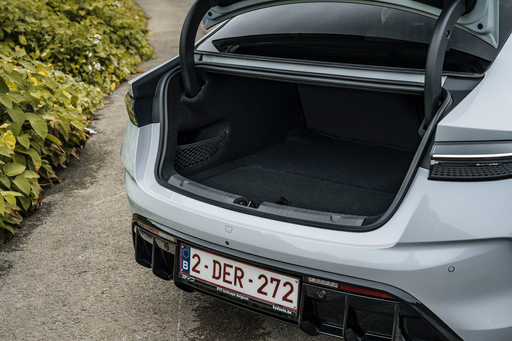
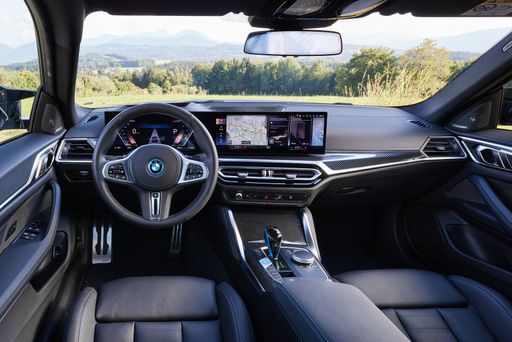
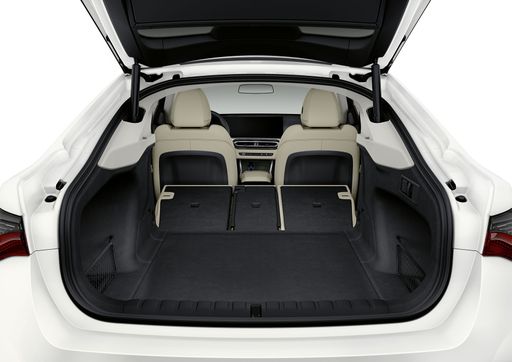
Looking at boot space, the BMW i4 offers moderately more boot space – 470 L compared to 400 L. That’s a difference of about 70 L.

When it comes to payload, the BMW i4 carries very slightly more – 480 kg compared to 473 kg. That’s a difference of about 7 kg.

Who wins the race in the data check?

The BMW i4 comes out modestly ahead in the objective data comparison.
This result only shows which model scores more points on paper – not which of the two cars feels right for you.

from £49,400
i4

BMW i4

  • Engine Type : Electric
  • Transmission : Automatic
  • Drive Type : Rear-Wheel Drive, All-Wheel Drive
  • Power HP : 286 - 601 HP
  • Consumption kWh/100km : 14.7 - 16.7 kWh/100km
  • Electric Range : 514 - 613 km
BYD Seal
BMW i4

Costs and Consumption

View detailed analysis

Engine and Performance

View detailed analysis

Dimensions and Body

View detailed analysis

BYD Seal

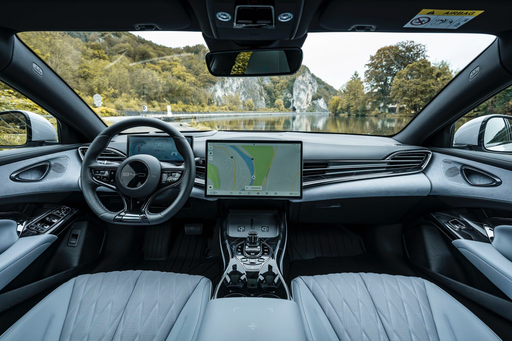
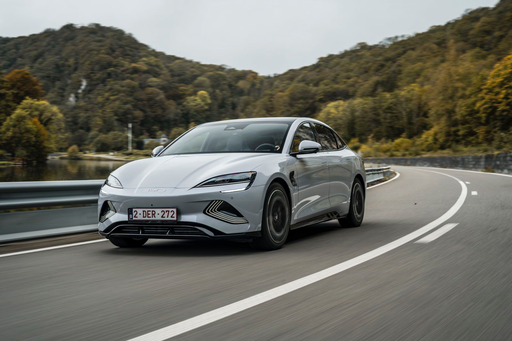
The BYD Seal is a sleek electric fastback that punches above its class with sporty looks and a surprisingly premium cabin, offering a very modern alternative for buyers who want style and substance without the badge snobbery. On the road it feels composed and eager, packed with tech and everyday practicality—ideal for shoppers after eco-friendly performance with a cheeky wink.

details

BMW i4

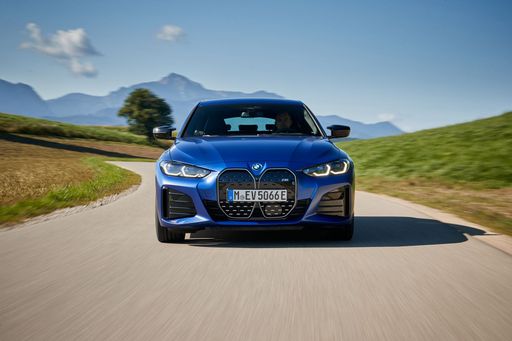
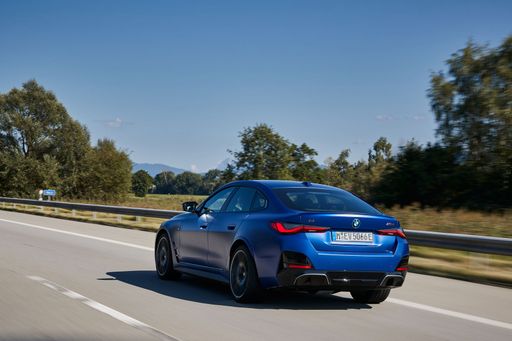
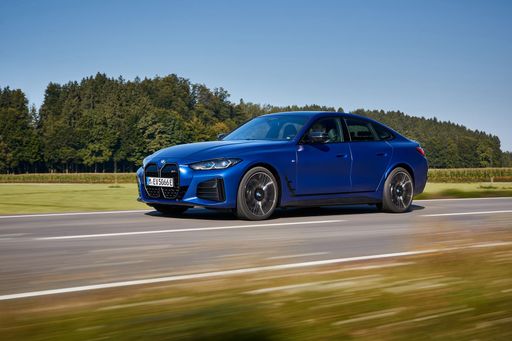
The BMW i4 arrives with the poise of a classic Gran Coupé, marrying BMW's playful handling with a sleek, modern interior that makes switching to electric feel like an upgrade rather than a compromise. For buyers who want a practical daily driver that still enjoys a spirited back-road run, the i4 quietly delivers smiles and a surprising dose of driver engagement.

details
BYD Seal
BMW i4

Costs and Consumption

Price
40,300 - 45,400 £
Price
49,400 - 62,500 £
Consumption L/100km
-
Consumption L/100km
-
Consumption kWh/100km
15.4 - 18.2 kWh/100km
Consumption kWh/100km
14.7 - 16.7 kWh/100km
Electric Range
460 - 570 km
Electric Range
514 - 613 km
Battery Capacity
-
Battery Capacity
-
co2
0 g/km
co2
0 g/km
Fuel tank capacity
-
Fuel tank capacity
-

Dimensions and Body

Body Type
Sedan
Body Type
Hatchback
Seats
5
Seats
5
Doors
4
Doors
-
Curb weight
1,907 - 2,185 kg
Curb weight
2,070 - 2,285 kg
Trunk capacity
400 L
Trunk capacity
470 L
Length
4,800 mm
Length
-
Width
1,875 mm
Width
1,852 mm
Height
1,460 mm
Height
-
Max trunk capacity
-
Max trunk capacity
-
Payload
446 - 473 kg
Payload
445 - 480 kg

Engine and Performance

Engine Type
Electric
Engine Type
Electric
Transmission
Automatic
Transmission
Automatic
Transmission Detail
Reduction Gearbox
Transmission Detail
Reduction Gearbox
Drive Type
Rear-Wheel Drive, All-Wheel Drive
Drive Type
Rear-Wheel Drive, All-Wheel Drive
Power HP
231 - 530 HP
Power HP
286 - 601 HP
Acceleration 0-100km/h
3.8 - 7.5 s
Acceleration 0-100km/h
3.7 - 6 s
Max Speed
180 km/h
Max Speed
-
Torque
360 - 670 Nm
Torque
400 - 795 Nm
Number of Cylinders
-
Number of Cylinders
-
Power kW
170 - 390 kW
Power kW
210 - 442 kW
Engine capacity
-
Engine capacity
-

General

Model Year
2,023 - 2,025
Model Year
2,024 - 2,025
CO2 Efficiency Class
A
CO2 Efficiency Class
A
Brand
BYD
Brand
BMW
DriveDuel uses data analysis and artificial intelligence to evaluate vehicle data and create content. Content is regularly reviewed and improved. The displayed prices are estimates based on German list prices, adjusted to the respective country’s VAT. Country-specific registration taxes are not included. This information is not legally binding.