VS

BYD Sealion 7 vs Kia EV5 comparison

Compare performance (530 HP vs 218 HP), boot space and price (42,800 £ vs 39,400 £ ) at a glance. Find out which car is the better choice for you – BYD Sealion 7 or Kia EV5?

BYD Sealion 7 vs Kia EV5: Key differences

BYD Sealion 7

5 (2 Reviews)
rate
  • clearly more power
  • substantially quicker 0–100 km/h

Kia EV5

  • very slightly cheaper
  • slightly more efficient
  • barely more electric range
  • marginally lighter

All details on performance, efficiency, range and trunk space can be found in the technical comparison below – including user reviews for both models.

Sealion 7

Head-to-head: BYD Sealion 7 vs Kia EV5 — electric crossover showdown

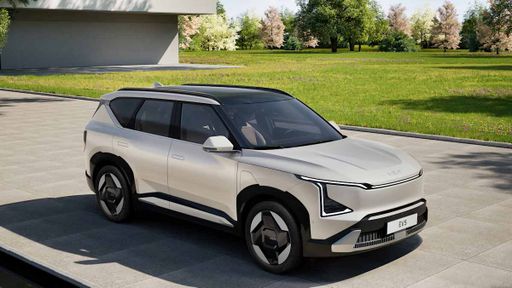
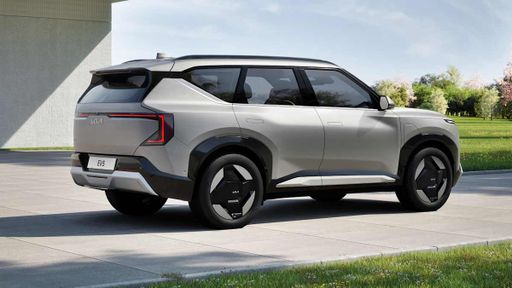
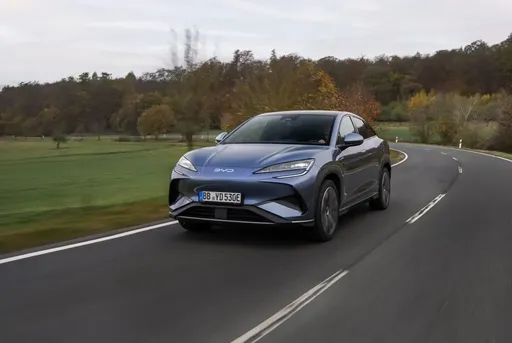
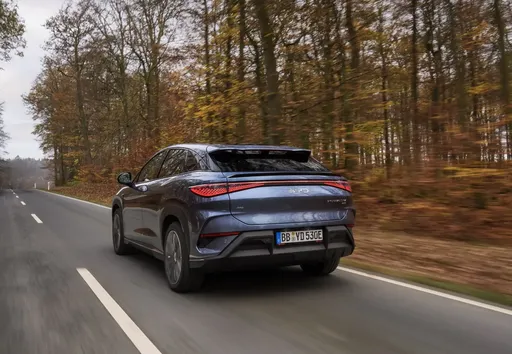
BYD Sealion 7 and the Kia EV5 face off in a straight-up comparison of two very different electric ideas: one leaning into athletic presence, the other into measured practicality. This is a comparison of character as much as specification, pitting a bold, statement-making silhouette against a composed, family-friendly compact SUV. Readers searching for which to buy will want to weigh perceived comfort, urban agility and daily usability as much as headline figures. We’ll sketch the real-world trade-offs so you can see which car’s personality matches your driveway and daily routine.
EV5

Two attitudes, one road

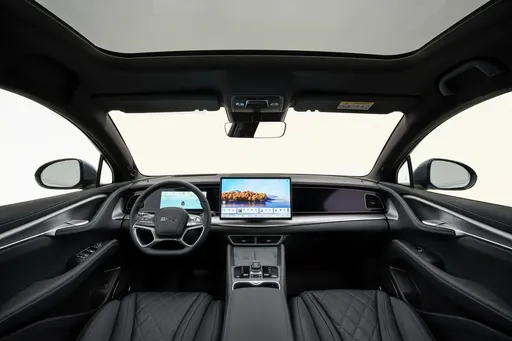
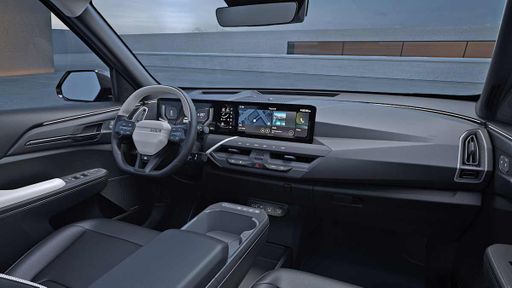
The BYD Sealion 7 arrives with a more assertive attitude — it’s styled and tuned to be noticed and to deliver a lively on-road presence, whereas the Kia EV5 prefers the understatement of confident competence. Inside, the BYD leans toward materials and a cabin that feels more dramatic, while the Kia trades flash for a cleaner, more accessible layout that’s easier to live with every day. Driving them back-to-back exaggerates the contrast: one feels more performance-minded and composed at speed, the other more agile in town and forgiving around potholes. Both have personality, but they point in different directions: spectacle versus subtle utility.

Sealion 7

Daily life — which one fits your routine?

For commuters and families juggling shopping, school runs and weekend getaways, the Kia EV5 feels built around real-world chores: straightforward entry, sensible cargo space and an easy-to-use cabin that shrinks the friction of daily life. The BYD Sealion 7 will reward long runs and open-road driving with a planted feel and stronger shove when you ask for it, but it asks for slightly more commitment in parking and tight urban corners. If your week is a mix of A-to-B city work and occasional long-distance trips, the EV5’s balance will likely win more practical points. In contrast, owners who value motorway composure and a car that makes arriving feel like an event will gravitate to the Sealion 7’s character.

EV5

Buying it for bragging rights or sensible reasons?

Choose the BYD Sealion 7 if you want something that turns heads and gives you a more dramatic driving experience — it’s the car you pick when image, dynamism and a bit of theatre matter. Pick the Kia EV5 if you prefer a car that quietly does the sensible things very well and doesn’t demand constant attention for upkeep or fuss. Neither choice is “right” universally; they’re different promises — one promises flair and presence, the other promises low-hassle, everyday competence. Your justification will come down to whether you value showmanship or steady service from the vehicle you live with.

Sealion 7

Who should drive the BYD Sealion 7?

The BYD Sealion 7 fits buyers who prize statement and a stronger on-road personality — think people who enjoy a premium feel and like to be noticed pulling up in the school run or on the motorway. It’s appealing to drivers who prioritize driving feel and cabin ambience over squeezing the last drop of efficiency from every trip. If you want a car that feels a touch more special on long journeys and rewards occasional spirited driving, this is the one that will satisfy itch for presence. Even if you’re comparing it to the Kia EV5, the Sealion 7 stands out where style and sensation count most.

EV5

Who should choose the Kia EV5 (and why the BYD Sealion 7 still matters)

Opt for the Kia EV5 if you want a rational, everyday transport solution — the kind that makes sense for tight budgets, family life and city chores while still feeling modern and competent on longer runs. Practical buyers and cost-conscious commuters will appreciate how the EV5 smooths the edges of daily driving without demanding a performance trade-off. That said, if you’re tempted by more drama or a stronger road presence, the BYD Sealion 7 remains the reminder that emotional appeal still matters in the EV market. Read on to the technical delta below if you want the exact figures that underline these real-world differences.

Here’s where it gets real: The technical differences in detail

Sealion 7

Costs and Efficiency:

When it comes to price and running costs, the biggest differences usually appear. This is often where you see which car fits your budget better in the long run.

Kia EV5 is very slightly cheaper – starting at 39,400 £ , while the BYD Sealion 7 costs 42,800 £ . That’s a price difference of around 3,428 £.

In terms of energy consumption, the Kia EV5 is slightly more efficient: consuming 16.9 kWh/100km compared to 19.9 kWh/100km for the BYD Sealion 7. That’s a difference of about 3 kWh/100km.

As for electric range, the Kia EV5 offers barely more range – reaching up to 530 km, about 28 km more than the BYD Sealion 7.

EV5

Engine and Performance:

Under the bonnet, it becomes clear which model is tuned for sportiness and which one takes the lead when you hit the accelerator.

When it comes to engine power, the BYD Sealion 7 offers clearly more power – delivering 530 HP compared to 218 HP. That’s roughly 312 HP more horsepower.

When accelerating from 0 to 100 km/h, the BYD Sealion 7 is substantially quicker – completing the sprint in 4.5 s, while the Kia EV5 takes 8.4 s. That’s about 3.9 s quicker.

There’s also a difference in torque: the BYD Sealion 7 delivers considerably more torque with 690 Nm compared to 295 Nm. That’s about 395 Nm more.

Sealion 7

Space and Everyday Use:

Beyond pure performance, interior space and usability matter most in daily life. This is where you see which car is more practical and versatile.

Both vehicles offer seating for 5 people.

In terms of curb weight, Kia EV5 is marginally lighter – 2,069 kg compared to 2,225 kg. The difference is around 156 kg.

When it comes to payload, the Kia EV5 carries slightly more – 511 kg compared to 410 kg. That’s a difference of about 101 kg.

Who wins the race in the data check?

The BYD Sealion 7 stands well ahead of its rival in the objective data comparison.
This result only shows which model scores more points on paper – not which of the two cars feels right for you.

from £42,800
Sealion 7

BYD Sealion 7

  • Engine Type : Electric
  • Transmission : Automatic
  • Drive Type : Rear-Wheel Drive, All-Wheel Drive
  • Power HP : 313 - 530 HP
  • Consumption kWh/100km : 19.9 - 21.9 kWh/100km
  • Electric Range : 456 - 502 km
BYD Sealion 7
Kia EV5

Costs and Consumption

View detailed analysis

Engine and Performance

View detailed analysis

Dimensions and Body

View detailed analysis

BYD Sealion 7

The Sealion 7 captivates with its striking design and impressive performance that appeals to both enthusiasts and casual drivers alike. With a focus on comfort and advanced technology, this model redefines the driving experience, making every journey enjoyable. Its sleek silhouette coupled with an innovative interior showcases the perfect blend of style and functionality.

details

Kia EV5

Kia's EV5 is an exciting entry into the electric SUV market, showcasing the brand's commitment to sustainable mobility. With its modern design and advanced technology features, the EV5 promises to deliver a smooth and environmentally friendly driving experience. The interior offers a spacious and comfortable ride, making it an appealing choice for families and eco-conscious drivers alike.

details
BYD Sealion 7
Kia EV5

Costs and Consumption

Price
42,800 - 52,300 £
Price
39,400 - 44,600 £
Consumption L/100km
-
Consumption L/100km
-
Consumption kWh/100km
19.9 - 21.9 kWh/100km
Consumption kWh/100km
16.9 - 17.8 kWh/100km
Electric Range
456 - 502 km
Electric Range
505 - 530 km
Battery Capacity
-
Battery Capacity
-
co2
0 g/km
co2
0 g/km
Fuel tank capacity
-
Fuel tank capacity
-

Dimensions and Body

Body Type
SUV
Body Type
SUV
Seats
5
Seats
5
Doors
-
Doors
-
Curb weight
2,225 - 2,435 kg
Curb weight
2,069 kg
Trunk capacity
520 L
Trunk capacity
-
Length
-
Length
-
Width
1,925 mm
Width
1,875 mm
Height
-
Height
-
Max trunk capacity
-
Max trunk capacity
-
Payload
410 kg
Payload
511 kg

Engine and Performance

Engine Type
Electric
Engine Type
Electric
Transmission
Automatic
Transmission
Automatic
Transmission Detail
Reduction Gearbox
Transmission Detail
Reduction Gearbox
Drive Type
Rear-Wheel Drive, All-Wheel Drive
Drive Type
Front-Wheel Drive
Power HP
313 - 530 HP
Power HP
218 HP
Acceleration 0-100km/h
4.5 - 6.7 s
Acceleration 0-100km/h
8.4 s
Max Speed
-
Max Speed
-
Torque
380 - 690 Nm
Torque
295 Nm
Number of Cylinders
-
Number of Cylinders
-
Power kW
230 - 390 kW
Power kW
160 kW
Engine capacity
-
Engine capacity
-

General

Model Year
2,024
Model Year
2,025
CO2 Efficiency Class
A
CO2 Efficiency Class
A
Brand
BYD
Brand
Kia
DriveDuel uses data analysis and artificial intelligence to evaluate vehicle data and create content. Content is regularly reviewed and improved. The displayed prices are estimates based on German list prices, adjusted to the respective country’s VAT. Country-specific registration taxes are not included. This information is not legally binding.