
 Deutschland
 France
 Nederland
 Great Britain
 Sverige
 Danmark
 Suomi
Suomi Italia
 Polska
 Česko
Česko España
VS
Dacia Spring vs Nissan Townstar Compact Van comparison
Compare performance (102 HP vs 130 HP), boot space and price (14,500 £ vs 29,500 £ ) at a glance. Find out which car is the better choice for you – Dacia Spring or Nissan Townstar Compact Van?
Spring
Costs and Efficiency:
Looking at overall running costs, both models reveal some interesting differences in everyday economy.
Dacia Spring is clearly cheaper – starting at 14,500 £ , while the Nissan Townstar Compact Van costs 29,500 £ . That’s a price difference of around 14,972 £.
In terms of energy consumption, the Dacia Spring is considerably more efficient: consuming 12.4 kWh/100km compared to 20.9 kWh/100km for the Nissan Townstar Compact Van. That’s a difference of about 8.5 kWh/100km.
As for electric range, the Nissan Townstar Compact Van offers a bit more range – reaching up to 263 km, about 38 km more than the Dacia Spring.
Townstar Compact Van
Engine and Performance:
Power, torque and acceleration say a lot about how a car feels on the road. This is where you see which model delivers more driving dynamics.
When it comes to engine power, the Nissan Townstar Compact Van offers clearly more power – delivering 130 HP compared to 102 HP. That’s roughly 28 HP more horsepower.
There’s also a difference in torque: the Nissan Townstar Compact Van delivers clearly more torque with 245 Nm compared to 137 Nm. That’s about 108 Nm more.
Spring
Space and Everyday Use:
Whether family car or daily driver – which one offers more room, flexibility and comfort?
Seats: Nissan Townstar Compact Van offers more seats – 5 vs 4.
In terms of curb weight, Dacia Spring is markedly lighter – 1,070 kg compared to 1,399 kg. The difference is around 329 kg.
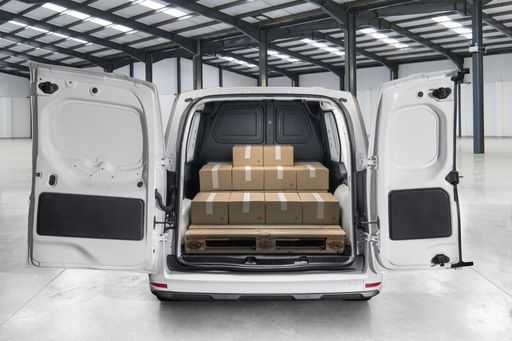
When it comes to payload, the Nissan Townstar Compact Van carries significantly more – 775 kg compared to 274 kg. That’s a difference of about 501 kg.
Who wins the race in the data check?
The Dacia Spring is narrowly ahead in the objective data comparison.
This result only shows which model scores more points on paper – not which of the two cars feels right for you.
from £14,500
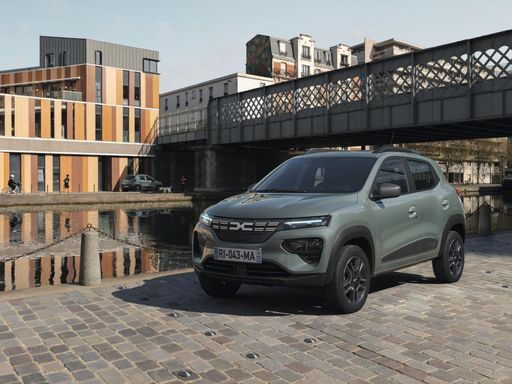
Dacia Spring
Dacia Spring
Nissan Townstar Compact Van
Costs and Consumption
View detailed analysis
View detailed analysis
Engine and Performance
View detailed analysis
View detailed analysis
Dimensions and Body
View detailed analysis
View detailed analysis
Dacia Spring
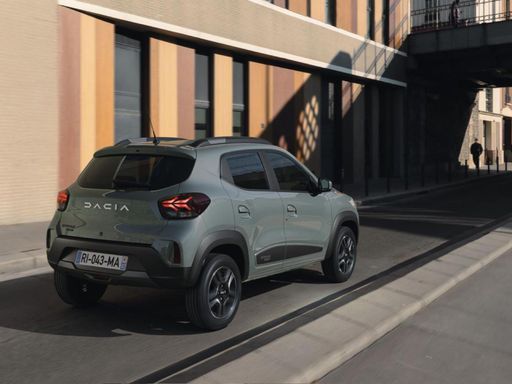
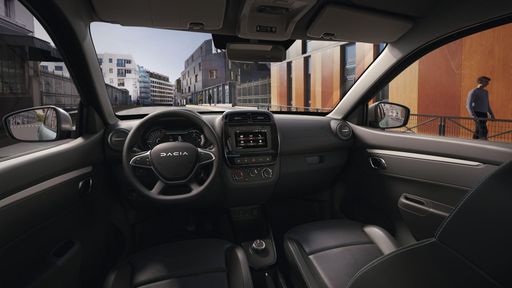
The Dacia Spring is an unpretentious city electric that strips EV ownership down to the essentials, offering clean, fuss-free transport for daily urban life. It won't impress luxury-seekers, but its cheerful practicality and rock-bottom running costs make it a clever, no-nonsense choice for anyone who wants electric mobility without the drama.
details
Nissan Townstar Compact Van
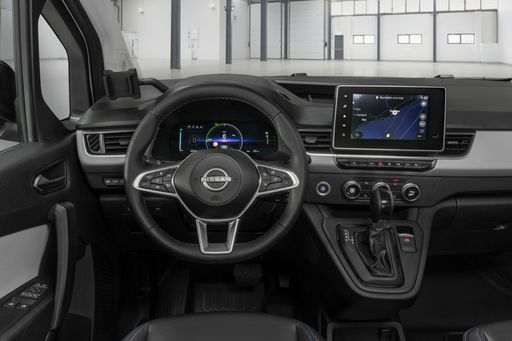
The Nissan Townstar is a smart, no-nonsense compact van that makes city running and tight deliveries feel almost effortless thanks to tidy packaging and clever storage. It keeps things sensible on the wallet and the road, offering a comfortable driving position and useful tech without flashy frills — the kind of workhorse you'll actually enjoy parking at the kerb.
details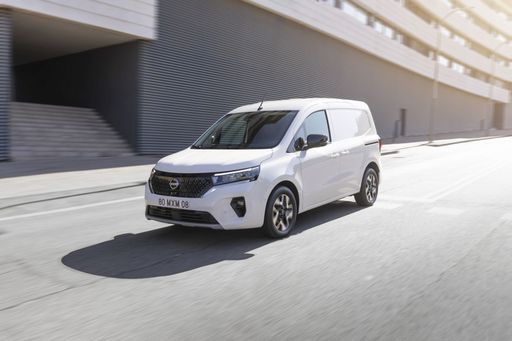
Dacia Spring
Nissan Townstar Compact Van
Costs and Consumption |
|
|---|---|
|
Price
14,500 - 16,900 £
|
Price
29,500 - 37,500 £
|
|
Consumption L/100km
-
|
Consumption L/100km
6.6 - 6.9 L/100km
|
|
Consumption kWh/100km
12.4 - 12.7 kWh/100km
|
Consumption kWh/100km
20.9 kWh/100km
|
|
Electric Range
221 - 225 km
|
Electric Range
263 km
|
|
Battery Capacity
-
|
Battery Capacity
-
|
|
co2
0 g/km
|
co2
0 - 155 g/km
|
|
Fuel tank capacity
-
|
Fuel tank capacity
-
|
Dimensions and Body |
|
|---|---|
|
Body Type
SUV
|
Body Type
Cargo Van
|
|
Seats
4
|
Seats
2 - 5
|
|
Doors
-
|
Doors
-
|
|
Curb weight
1,070 kg
|
Curb weight
1,399 - 1,908 kg
|
|
Trunk capacity
308 L
|
Trunk capacity
-
|
|
Length
-
|
Length
-
|
|
Width
1,583 mm
|
Width
1,860 mm
|
|
Height
-
|
Height
-
|
|
Max trunk capacity
-
|
Max trunk capacity
-
|
|
Payload
274 kg
|
Payload
571 - 775 kg
|
Engine and Performance |
|
|---|---|
|
Engine Type
Electric
|
Engine Type
Electric, Petrol
|
|
Transmission
Automatic
|
Transmission
Automatic, Manual
|
|
Transmission Detail
Reduction Gearbox
|
Transmission Detail
Reduction Gearbox, Manual Gearbox
|
|
Drive Type
Front-Wheel Drive
|
Drive Type
Front-Wheel Drive
|
|
Power HP
70 - 102 HP
|
Power HP
122 - 130 HP
|
|
Acceleration 0-100km/h
9.6 - 12.3 s
|
Acceleration 0-100km/h
-
|
|
Max Speed
-
|
Max Speed
-
|
|
Torque
137 Nm
|
Torque
240 - 245 Nm
|
|
Number of Cylinders
-
|
Number of Cylinders
4
|
|
Power kW
52 - 75 kW
|
Power kW
90 - 96 kW
|
|
Engine capacity
-
|
Engine capacity
1,332 cm3
|
General |
|
|---|---|
|
Model Year
2025
|
Model Year
2,025 - 2,026
|
|
CO2 Efficiency Class
A
|
CO2 Efficiency Class
A, E
|
|
Brand
Dacia
|
Brand
Nissan
|
DriveDuel uses data analysis and artificial intelligence to evaluate vehicle data and create content. Content is regularly reviewed and improved.
The displayed prices are estimates based on German list prices, adjusted to the respective country’s VAT. Country-specific registration taxes are not included. This information is not legally binding.