VS

DS Automobiles DS 7 vs BYD Seal U comparison

Compare performance (130 HP vs 324 HP), boot space and price (41,900 £ vs 34,300 £ ) at a glance. Find out which car is the better choice for you – DS Automobiles DS 7 or BYD Seal U?

DS Automobiles DS 7 vs BYD Seal U: Key differences

DS Automobiles DS 7

4.7 (3 Reviews)
rate
  • slightly lighter
  • barely more trunk space
details

BYD Seal U

4.2 (10 Reviews)
rate
  • clearly cheaper
  • considerably more power
  • clearly quicker 0–100 km/h
details

All details on performance, efficiency, range and trunk space can be found in the technical comparison below – including user reviews for both models.

By Achim Sedelmaier

DS 7

The Battle of Sophistication: BYD Seal U vs. DS 7 Crossback

In the dynamic world of compact SUVs, the BYD Seal U and the DS Automobiles DS 7 Crossback are two contenders offering innovation and style. Both vehicles blend advanced technology with distinctive features, yet they cater to somewhat different consumer needs. Let's delve deeper into their technical specifics and innovative features.
Seal U

Performance & Power

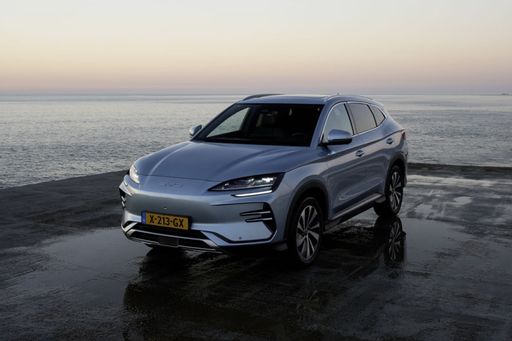
The performance spectrum of the Seal U and the DS 7 Crossback display the two brands' contrasting philosophies. Starting with the Seal U, this SUV embraces hybrid and electric powertrains, offering peak power outputs from 218 HP to 324 HP. It also boasts impressive torque options up to 550 Nm, providing a robust driving experience, especially noticeable in the acceleration times, which can reach 0-100 km/h in a swift 5.9 seconds.

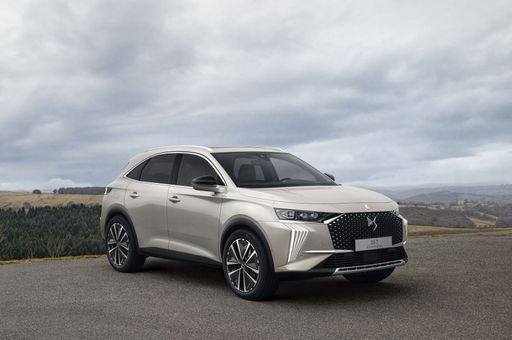
Contrasting this, the DS 7 Crossback offers a mix of diesel and plug-in hybrid engines, with power ranging from 130 HP to 360 HP, and torque peaking at 520 Nm. This versatility is coupled with varied performance profiles, such as a 0-100 km/h time as low as 5.7 seconds, ensuring a dynamic drive whether in urban environments or on open highways.

DS 7

Efficiency & Range

The BYD Seal U shines in the realm of electric efficiency, highlighting an electric range of up to 500 km and superb consumption figures with as low as 19.9 kWh per 100 km. The plug-in hybrid variants also present frugal consumption with figures as lean as 0.9 L/100km, reflecting its commitment to eco-friendliness.

On the other hand, the DS 7 Crossback, with its innovative hybrid models, offers an electric range peaking at 65 km, balancing performance and efficiency. It provides plug-in hybrid consumption figures around 1.3 to 1.9 L/100km, demonstrating a substantial reduction in fuel usage when compared to traditional combustion engines.

Seal U

Design & Comfort

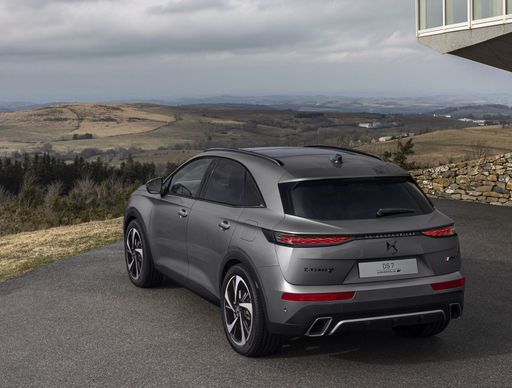
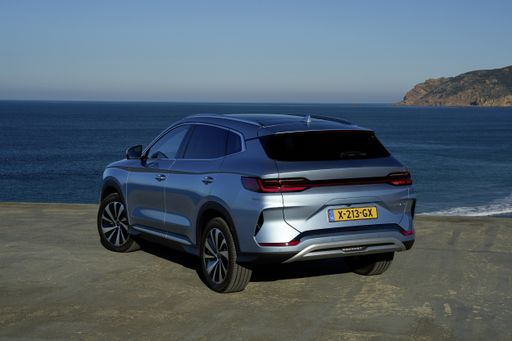
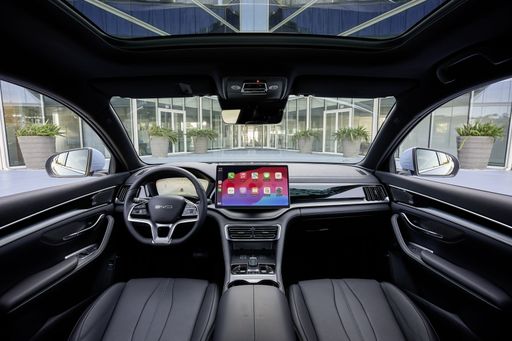
Stepping into the design domain, both SUVs exude elegance and modernity. The Seal U, at nearly 4.8 meters in length, offers an imposing presence with superior aerodynamics evidenced by its sleek silhouette. Interior-wise, the vehicle accommodates five passengers comfortably, with a trunk capacity extending to 552 liters, perfect for families and long trips.

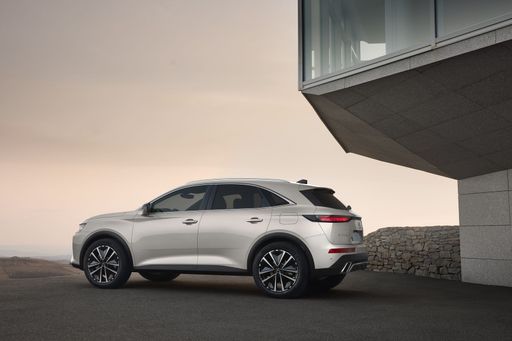
The DS 7 Crossback stands out with its chic French design, shorter in length at 4593 mm, which makes it exceedingly agile for city navigation while maintaining spaciousness. Also offering five seats, it flaunts a slightly larger trunk capacity of 555 liters, perfect for all your cargo needs.

DS 7

Innovation & Technology

Both contenders make substantial strides in embedding cutting-edge technology. The BYD Seal U integrates advanced driver-assistance systems and features a state-of-the-art infotainment suite focused on enhancing driving pleasure and passenger connectivity.

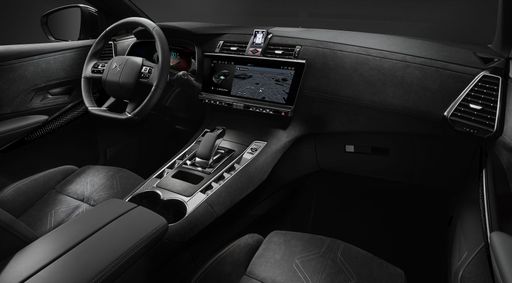
Conversely, the DS 7 Crossback leverages its luxury appeal with sophisticated technology packages, including advanced safety features and a plush interior enriched with high-quality materials and ergonomic design, ensuring every journey is both safe and comfortable.

Seal U

Verdict

Deciding between the BYD Seal U and the DS 7 Crossback comes down to personal preference and lifestyle needs. The Seal U appeals to those who prioritize electric efficiency and cutting-edge technology in a more avant-garde package. Meanwhile, the DS 7 Crossback attracts buyers with a penchant for sophisticated aesthetics and a balanced blend of power and economy.

In the end, both the BYD Seal U and DS 7 Crossback stand tall as formidable choices in the competitive SUV market, marking them as vehicles of choice for those who refuse to compromise on excellence.

Here’s where it gets real: The technical differences in detail

DS 7

Costs and Efficiency:

Price and efficiency are key factors when choosing a car – and this is often where the real differences emerge.

BYD Seal U is clearly cheaper – starting at 34,300 £ , while the DS Automobiles DS 7 costs 41,900 £ . That’s a price difference of around 7,645 £.

Seal U

Engine and Performance:

Power, torque and acceleration are the classic benchmarks for car enthusiasts – and here, some clear differences start to show.

When it comes to engine power, the BYD Seal U offers considerably more power – delivering 324 HP compared to 130 HP. That’s roughly 194 HP more horsepower.

When accelerating from 0 to 100 km/h, the BYD Seal U is clearly quicker – completing the sprint in 5.9 s, while the DS Automobiles DS 7 takes 11.9 s. That’s about 6 s quicker.

There’s also a difference in torque: the BYD Seal U delivers significantly more torque with 550 Nm compared to 300 Nm. That’s about 250 Nm more.

DS 7

Space and Everyday Use:

Cabin size, boot volume and payload all play a role in everyday practicality. Here, comfort and flexibility make the difference.

Both vehicles offer seating for 5 people.

In terms of curb weight, DS Automobiles DS 7 is slightly lighter – 1,651 kg compared to 1,940 kg. The difference is around 289 kg.

Looking at boot space, the DS Automobiles DS 7 offers barely more boot space – 555 L compared to 552 L. That’s a difference of about 3 L.

When it comes to payload, the BYD Seal U carries very slightly more – 410 kg compared to 399 kg. That’s a difference of about 11 kg.

Who wins the race in the data check?

The BYD Seal U holds a decisive overall lead in the objective data comparison.
This result only shows which model scores more points on paper – not which of the two cars feels right for you.

from £34,300
Seal U

BYD Seal U

  • Engine Type Electric, Plugin Hybrid
  • Transmission Automatic
  • Drive Type Front-Wheel Drive, All-Wheel Drive
  • Power HP 218 - 324 HP
  • Consumption kWh/100km 12.1 - 20.5 kWh/100km
  • Electric Range 70 - 500 km
DS Automobiles DS 7
BYD Seal U

Costs and Consumption

View detailed analysis

Engine and Performance

View detailed analysis

Dimensions and Body

View detailed analysis

DS Automobiles DS 7

The DS 7 wraps Parisian elegance into SUV practicality, with sculpted surfaces, a jewel-like grille and an interior that feels more boutique lounge than family transporter. It appeals to buyers who want style and comfort without shouting, delivering a refined ride and clever tech that make daily driving feel a little more special — and yes, it’ll turn heads in the school run.

details

BYD Seal U

The BYD Seal U is a sleek electric fastback that blends sporty styling with a roomy, tech-focused interior, making it an appealing choice for buyers who want electric performance without sacrificing comfort. It delivers a smooth, composed ride and intuitive features, positioning it as a practical yet modern option in the EV market.

details
DS Automobiles DS 7
BYD Seal U

Costs and Consumption

Price
41,900 - 46,100 £
Price
34,300 - 39,800 £
Consumption L/100km
5.5 L/100km
Consumption L/100km
-
Consumption kWh/100km
-
Consumption kWh/100km
12.1 - 20.5 kWh/100km
Electric Range
-
Electric Range
70 - 500 km
Battery Capacity
-
Battery Capacity
-
co2
145 g/km
co2
0 - 71 g/km
Fuel tank capacity
-
Fuel tank capacity
-

Dimensions and Body

Body Type
SUV
Body Type
SUV
Seats
5
Seats
5
Doors
-
Doors
-
Curb weight
1,651 kg
Curb weight
1,940 - 2,147 kg
Trunk capacity
555 L
Trunk capacity
425 - 552 L
Length
-
Length
-
Width
1,891 mm
Width
1,890 mm
Height
-
Height
-
Max trunk capacity
-
Max trunk capacity
-
Payload
399 kg
Payload
410 kg

Engine and Performance

Engine Type
Diesel
Engine Type
Electric, Plugin Hybrid
Transmission
Automatic
Transmission
Automatic
Transmission Detail
Automatic Gearbox
Transmission Detail
Reduction Gearbox, Automatic Gearbox
Drive Type
Front-Wheel Drive
Drive Type
Front-Wheel Drive, All-Wheel Drive
Power HP
130 HP
Power HP
218 - 324 HP
Acceleration 0-100km/h
11.9 s
Acceleration 0-100km/h
5.9 - 9.6 s
Max Speed
-
Max Speed
-
Torque
300 Nm
Torque
300 - 550 Nm
Number of Cylinders
4
Number of Cylinders
4
Power kW
96 kW
Power kW
160 - 238 kW
Engine capacity
1,499 cm3
Engine capacity
1,497 - 1,498 cm3

General

Model Year
2025
Model Year
2,024 - 2,026
CO2 Efficiency Class
E
CO2 Efficiency Class
A, B
Brand
DS Automobiles
Brand
BYD
DriveDuel uses data analysis and artificial intelligence to evaluate vehicle data and create content. Content is regularly reviewed and improved. The displayed prices are estimates based on German list prices, adjusted to the respective country’s VAT. Country-specific registration taxes are not included. This information is not legally binding.