@ Ford Motor Company / Ford Media Center
@ smart Europe GmbH
VS

Ford Explorer EV vs smart #3 – Which one offers the better deal?

Both models have their strengths – but which one suits you more?
Compare performance, efficiency, price and space directly: Ford Explorer EV or smart #3?

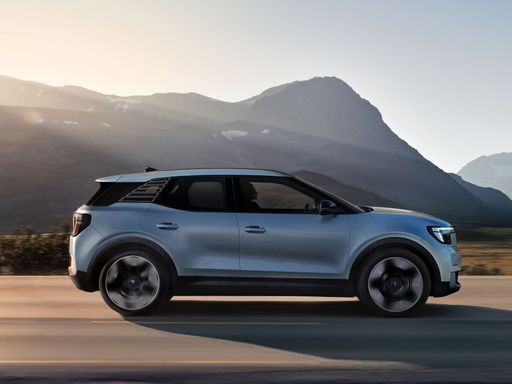
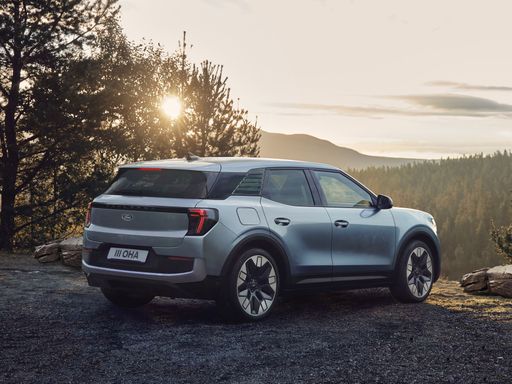
Explorer EV @ Ford Motor Company / Ford Media Center

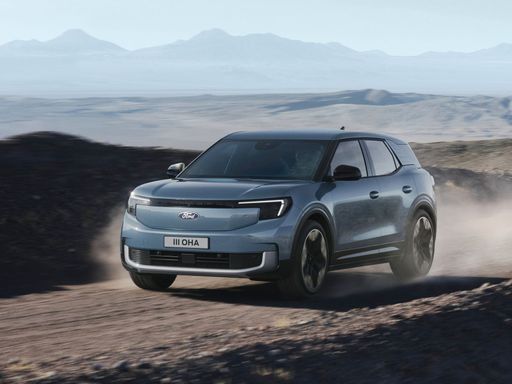
As the automotive industry rapidly shifts towards electrification, two notable contenders have emerged in the SUV segment: the Ford Explorer EV and the smart #3. Both vehicles promise innovation and performance in their own right, but how do they measure up against each other? Let's delve into the technical aspects and unique features of each model.
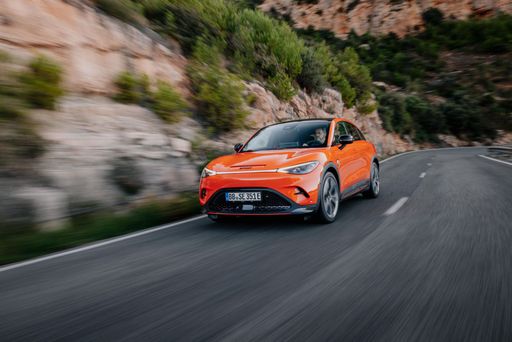
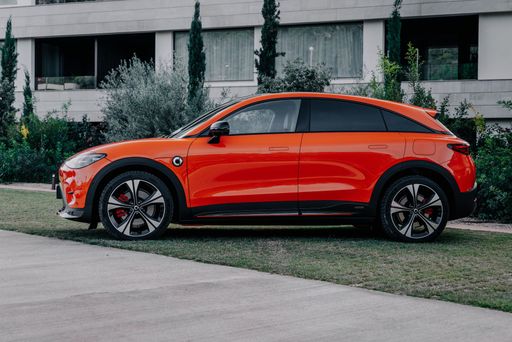
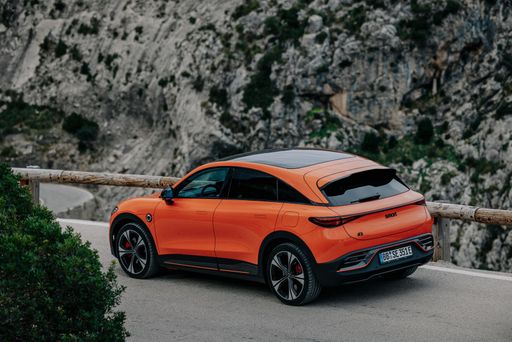
#3 @ smart Europe GmbH

Powertrain and Performance

The Ford Explorer EV is powered by a robust electric setup, offering two variations with power outputs of 286 HP and 340 HP. It features both rear-wheel drive and all-wheel drive configurations, ensuring versatility in driving conditions. With a rapid acceleration time of just 5.3 seconds from 0 to 100 km/h and a maximum speed of 180 km/h, the Explorer EV delivers impressive performance standards expected in modern SUVs.

In contrast, the smart #3 stands out with its high-performance variant producing an impressive 428 HP. This model also offers the option of rear-wheel and all-wheel drive. With a stunning 0 to 100 km/h acceleration in only 3.7 seconds, the #3 undoubtedly appeals to those seeking a sportier drive. Its maximum speed also matches the Explorer EV at 180 km/h, showcasing both models as capable contenders in terms of speed.

Explorer EV @ Ford Motor Company / Ford Media Center

Battery and Electric Range

The Explorer EV offers a range of battery options with capacities up to 79 kWh, allowing for an electric range of up to 602 km. This makes it highly appealing for long-distance travel with fewer charging stops required. Additionally, its consumption varies between 13.9 and 16.6 kWh/100km, showcasing efficient energy use.

In comparison, the smart #3's battery capacities reach up to 62 kWh, translating to an electric range of approximately 455 km at best. While its efficiency is commendable with consumption figures between 16.3 and 17.6 kWh/100km, it does fall short against the high range capabilities of the Explorer EV, making the Ford a more suitable option for those with greater mileage needs.

#3 @ smart Europe GmbH

Interior Space and Comfort

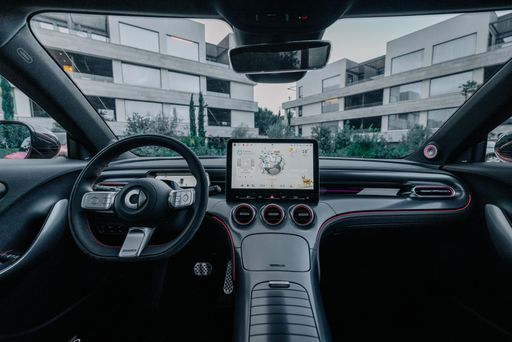
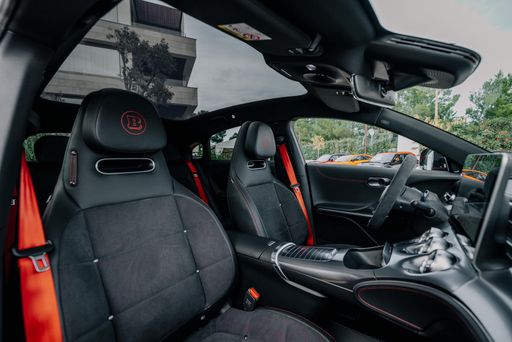
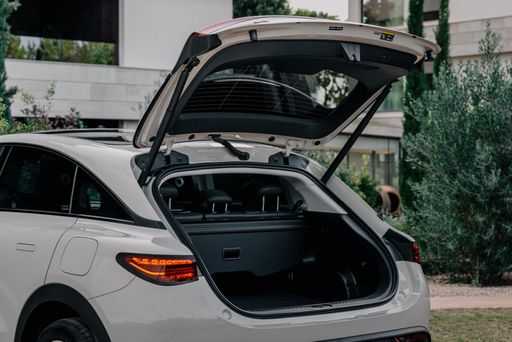
Space is key in the SUV market, and the Ford Explorer EV shines in this department with an accommodating trunk capacity of 450 liters. With five seating arrangements in a generous interior, it caters well to families and adventurers alike.

The smart #3 meanwhile features a trunk capacity of 370 liters, which, while adequate for daily use, may not match the generous storage of its Ford counterpart. Both models comfortably seat five passengers, but the Explorer EV edges ahead with its larger dimensions, providing a more spacious feel overall for occupants.

Explorer EV @ Ford Motor Company / Ford Media Center

Innovative Features and Technologies

When it comes to technology, both vehicles are equipped with the latest electric vehicle innovations. The Ford Explorer EV features advanced safety systems, driver-assistance technologies, and a robust infotainment system designed to enhance the driving experience. Its layout includes cutting-edge digital displays and smart connectivity options.

The smart #3, on the other hand, doesn't fall behind either. With an innovative user interface and a strong emphasis on connectivity features, it lays out a tech-savvy environment for drivers. However, some critics point out that the overall feel may carry more of a compact vehicle ambiance, despite its SUV classification.

#3 @ smart Europe GmbH

Conclusion: Choosing Your Ideal SUV

In conclusion, the Ford Explorer EV and smart #3 each offer compelling propositions in the electric SUV space. If you're prioritizing long-range travel, spacious interiors, and overall performance, the Ford Explorer EV emerges as a clear winner. However, if you are seeking a sportier drive with striking acceleration and a modern urban design, the smart #3 secures its place as a solid alternative.

Ultimately, the choice between these two electric SUVs will depend on your specific needs and preferences, but both vehicles contribute to an exciting era of sustainable driving.

Here’s where it gets real: The technical differences in detail

Costs and Efficiency:

Looking at overall running costs, both models reveal some interesting differences in everyday economy.

Ford Explorer EV has a barely noticeable advantage in terms of price – it starts at 34200 £, while the smart #3 costs 34700 £. That’s a price difference of around 505 £.

In terms of energy consumption, the advantage goes to the Ford Explorer EV: with 14.50 kWh per 100 km, it’s slightly more efficient than the smart #3 with 16.30 kWh. That’s a difference of about 1.80 kWh.

As for range, the Ford Explorer EV performs clearly perceptible better – achieving up to 602 km, about 147 km more than the smart #3.

Engine and Performance:

Power, torque and acceleration are the classic benchmarks for car enthusiasts – and here, some clear differences start to show.

When it comes to engine power, the smart #3 has a clearly perceptible edge – offering 428 HP compared to 340 HP. That’s roughly 88 HP more horsepower.

In acceleration from 0 to 100 km/h, the smart #3 is decisively quicker – completing the sprint in 3.70 s, while the Ford Explorer EV takes 5.30 s. That’s about 1.60 s faster.

There’s no difference in top speed – both reach 180 km/h.

There’s also a difference in torque: Ford Explorer EV pulls a bit stronger with 679 Nm compared to 584 Nm. That’s about 95 Nm difference.

Space and Everyday Use:

Cabin size, boot volume and payload all play a role in everyday practicality. Here, comfort and flexibility make the difference.

Both vehicles offer seating for 5 people.

In curb weight, smart #3 is minimal lighter – 1780 kg compared to 1908 kg. The difference is around 128 kg.

In terms of boot space, the Ford Explorer EV offers somewhat more room – 450 L compared to 370 L. That’s a difference of about 80 L.

In maximum load capacity, the Ford Explorer EV performs to a small extent better – up to 1422 L, which is about 262 L more than the smart #3.

When it comes to payload, Ford Explorer EV distinct takes the win – 585 kg compared to 450 kg. That’s a difference of about 135 kg.

Who comes out on top?

Overall, the Ford Explorer EV shows itself to be performs better in key areas and secures the title of DriveDuel Champion.
It convinces with the more balanced overall package and proves to be the more versatile choice for everyday use.

from about £34,200
Explorer EV @ Ford Motor Company / Ford Media Center

Ford Explorer EV

  • Engine Type : Electric
  • Transmission : Automatic
  • Drive Type : Rear-Wheel Drive, All-Wheel Drive
  • Power HP : 170 - 340 HP
  • Consumption kWh/100km : 14.5 - 17.2 kWh
  • Electric Range : 360 - 602 km

Ford Explorer EV

5 (2)
rate

The Ford Explorer EV translates the familiar big‑American SUV presence into whisper‑quiet electric motoring, offering roomy seating and a tech‑forward cabin that will please families and road‑trippers alike. It drives with more composure than its boxy looks suggest, blending a comfortable ride and eager acceleration while undercutting the guilt of gas stops — a practical, modern alternative for buyers who want Explorer space with electric charm.

details

smart #3

5 (1)
rate

The Smart #3 turns the brand's cheeky city-car attitude into a grown-up compact SUV, pairing sleek styling with a surprisingly roomy, well-made interior. It's a brilliant pick for buyers who want electric ease without dullness — practical enough for daily life, but still lively enough to make parking and grocery runs feel a little fun.

details
Ford Explorer EV
smart #3
Explorer EV @ Ford Motor Company / Ford Media Center
#3 @ smart Europe GmbH

Costs and Consumption

Price
34200 - 48800 £
Price
34700 - 45800 £
Consumption L/100km
-
Consumption L/100km
-
Consumption kWh/100km
14.5 - 17.2 kWh
Consumption kWh/100km
16.3 - 17.6 kWh
Electric Range
360 - 602 km
Electric Range
325 - 455 km
Battery Capacity
52 - 79 kWh
Battery Capacity
47 - 62 kWh
co2
0 g/km
co2
0 g/km
Fuel tank capacity
-
Fuel tank capacity
-

Dimensions and Body

Body Type
SUV
Body Type
SUV
Seats
5
Seats
5
Doors
5
Doors
5
Curb weight
1908 - 2179 kg
Curb weight
1780 - 1910 kg
Trunk capacity
445 - 450 L
Trunk capacity
370 L
Length
4468 mm
Length
4400 mm
Width
1871 mm
Width
1844 mm
Height
1630 - 1639 mm
Height
1556 mm
Max trunk capacity
1417 - 1422 L
Max trunk capacity
1160 L
Payload
561 - 585 kg
Payload
419 - 450 kg

Engine and Performance

Engine Type
Electric
Engine Type
Electric
Transmission
Automatic
Transmission
Automatic
Transmission Detail
Reduction Gearbox
Transmission Detail
Reduction Gearbox
Drive Type
Rear-Wheel Drive, All-Wheel Drive
Drive Type
Rear-Wheel Drive, All-Wheel Drive
Power HP
170 - 340 HP
Power HP
272 - 428 HP
Acceleration 0-100km/h
5.3 - 8.7 s
Acceleration 0-100km/h
3.7 - 5.8 s
Max Speed
160 - 180 km/h
Max Speed
180 km/h
Torque
310 - 679 Nm
Torque
343 - 584 Nm
Number of Cylinders
-
Number of Cylinders
-
Power kW
125 - 250 kW
Power kW
200 - 315 kW
Engine capacity
-
Engine capacity
-

General

Model Year
2024 - 2025
Model Year
2023 - 2025
CO2 Efficiency Class
A
CO2 Efficiency Class
A
Brand
Ford
Brand
smart
What drive types are available for the Ford Explorer EV?

The Ford Explorer EV is available as Rear-Wheel Drive or All-Wheel Drive.

The prices and data displayed are estimates based on German list prices and may vary by country. This information is not legally binding.