
 Deutschland
 France
 Nederland
 Great Britain
 Sverige
 Danmark
 Suomi
Suomi Italia
 Polska
 Česko
Česko España
VS
Ford Ranger vs BYD Seal 6 comparison
Compare performance (281 HP vs 212 HP), boot space and price (48,400 £ vs 36,800 £ ) at a glance. Find out which car is the better choice for you – Ford Ranger or BYD Seal 6?
Ford Ranger vs BYD Seal 6: Key differences
Ranger
Costs and Efficiency:
Price and efficiency are often the first things buyers look at. Here it becomes clear which model has the long-term edge – whether at the pump, the plug, or in purchase price.
BYD Seal 6 is markedly cheaper – starting at 36,800 £ , while the Ford Ranger costs 48,400 £ . That’s a price difference of around 11,591 £.
As for electric range, the BYD Seal 6 offers clearly more range – reaching up to 101 km, about 59 km more than the Ford Ranger.
Seal 6
Engine and Performance:
Power, torque and acceleration are the classic benchmarks for car enthusiasts – and here, some clear differences start to show.
When it comes to engine power, the Ford Ranger offers clearly more power – delivering 281 HP compared to 212 HP. That’s roughly 69 HP more horsepower.
When accelerating from 0 to 100 km/h, the BYD Seal 6 is only slightly quicker – completing the sprint in 8.5 s, while the Ford Ranger takes 8.7 s. That’s about 0.2 s quicker.
Ranger
Space and Everyday Use:
Whether family car or daily driver – which one offers more room, flexibility and comfort?
Both vehicles offer seating for 5 people.
In terms of curb weight, BYD Seal 6 is substantially lighter – 1,710 kg compared to 2,405 kg. The difference is around 695 kg.
When it comes to payload, the Ford Ranger carries clearly more – 989 kg compared to 435 kg. That’s a difference of about 554 kg.
Who wins the race in the data check?
The BYD Seal 6 holds a narrow overall lead in the objective data comparison.
This result only shows which model scores more points on paper – not which of the two cars feels right for you.
from £36,800
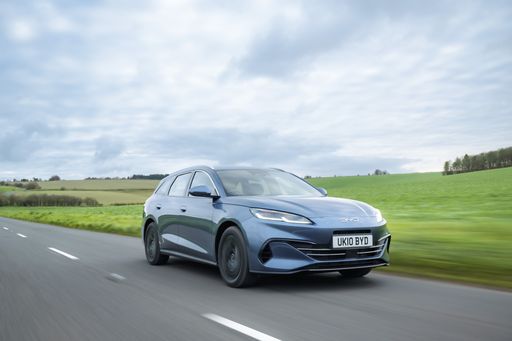
BYD Seal 6
Ford Ranger
BYD Seal 6
Costs and Consumption
View detailed analysis
View detailed analysis
Engine and Performance
View detailed analysis
View detailed analysis
Dimensions and Body
View detailed analysis
View detailed analysis
Ford Ranger
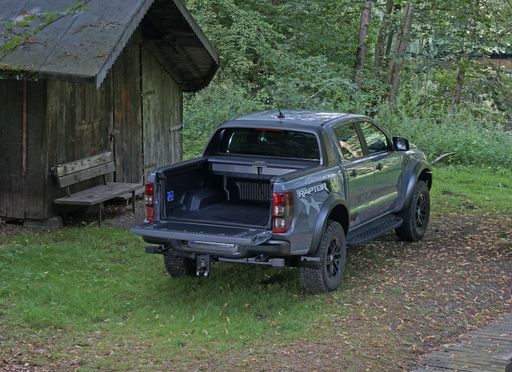
The Ford Ranger is a workhorse with the manners of a grown-up pickup—practical, tough, and surprisingly civilized on the road. It’s the sort of truck that laughs at mud on the weekend and performs like a sensible daily driver during the week, making it an easy sell for buyers who want capability without theatrics.
details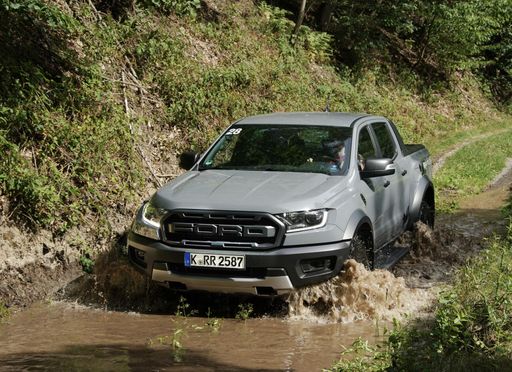
BYD Seal 6
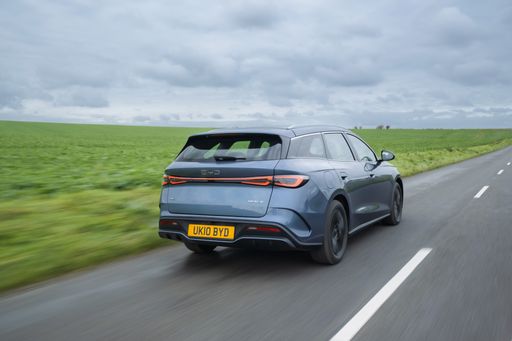
The BYD Seal 6 is a captivating electric sedan that captures attention with its sleek design and modern aerodynamics. With a strong focus on sustainability, it offers an impressive electric driving experience, combining efficiency with cutting-edge technology. The Seal 6 stands out in the EV market for its luxurious interior and innovative features, making it a strong contender for drivers looking to embrace the future of transportation.
details
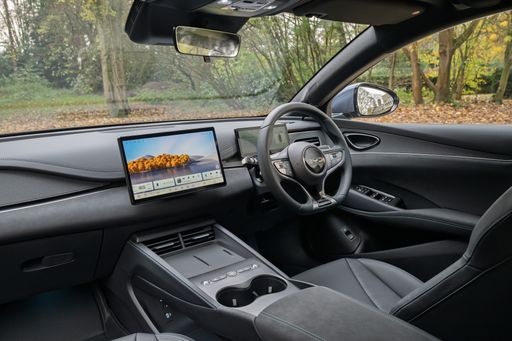
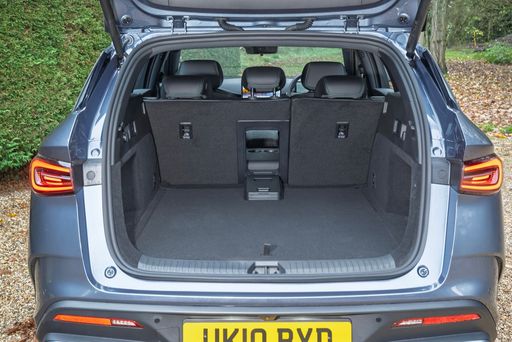
Ford Ranger
BYD Seal 6
Costs and Consumption |
|
|---|---|
|
Price
48,400 - 57,500 £
|
Price
36,800 - 42,800 £
|
|
Consumption L/100km
3.1 - 10.1 L/100km
|
Consumption L/100km
-
|
|
Consumption kWh/100km
-
|
Consumption kWh/100km
7.8 - 11.2 kWh/100km
|
|
Electric Range
42 km
|
Electric Range
54 - 101 km
|
|
Battery Capacity
-
|
Battery Capacity
-
|
|
co2
70 - 265 g/km
|
co2
38 - 60 g/km
|
|
Fuel tank capacity
-
|
Fuel tank capacity
-
|
Dimensions and Body |
|
|---|---|
|
Body Type
Pickup
|
Body Type
Estate
|
|
Seats
4 - 5
|
Seats
5
|
|
Doors
-
|
Doors
-
|
|
Curb weight
2,405 - 2,511 kg
|
Curb weight
1,710 - 1,805 kg
|
|
Trunk capacity
-
|
Trunk capacity
-
|
|
Length
-
|
Length
-
|
|
Width
1,918 mm
|
Width
1,875 mm
|
|
Height
-
|
Height
-
|
|
Max trunk capacity
-
|
Max trunk capacity
-
|
|
Payload
845 - 989 kg
|
Payload
435 kg
|
Engine and Performance |
|
|---|---|
|
Engine Type
Diesel, Plugin Hybrid
|
Engine Type
Plugin Hybrid
|
|
Transmission
Automatic
|
Transmission
Automatic
|
|
Transmission Detail
Automatic Gearbox
|
Transmission Detail
Automatic Gearbox
|
|
Drive Type
All-Wheel Drive
|
Drive Type
Front-Wheel Drive
|
|
Power HP
240 - 281 HP
|
Power HP
184 - 212 HP
|
|
Acceleration 0-100km/h
8.7 - 9.2 s
|
Acceleration 0-100km/h
8.5 - 8.9 s
|
|
Max Speed
-
|
Max Speed
-
|
|
Torque
600 - 697 Nm
|
Torque
-
|
|
Number of Cylinders
4 - 6
|
Number of Cylinders
4
|
|
Power kW
177 - 207 kW
|
Power kW
135 - 156 kW
|
|
Engine capacity
2,261 - 2,993 cm3
|
Engine capacity
1,498 cm3
|
General |
|
|---|---|
|
Model Year
2025
|
Model Year
2025
|
|
CO2 Efficiency Class
G, B
|
CO2 Efficiency Class
B
|
|
Brand
Ford
|
Brand
BYD
|
DriveDuel uses data analysis and artificial intelligence to evaluate vehicle data and create content. Content is regularly reviewed and improved.
The displayed prices are estimates based on German list prices, adjusted to the respective country’s VAT. Country-specific registration taxes are not included. This information is not legally binding.