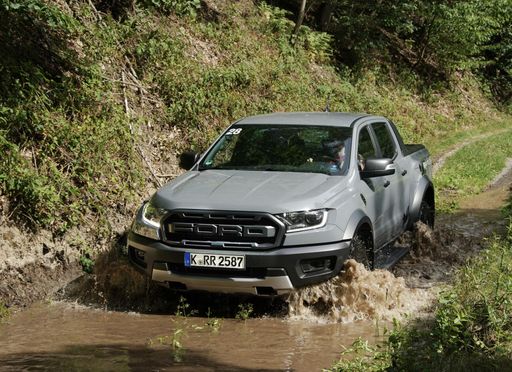
Ford Ranger Pickup, starting at 45,600 £

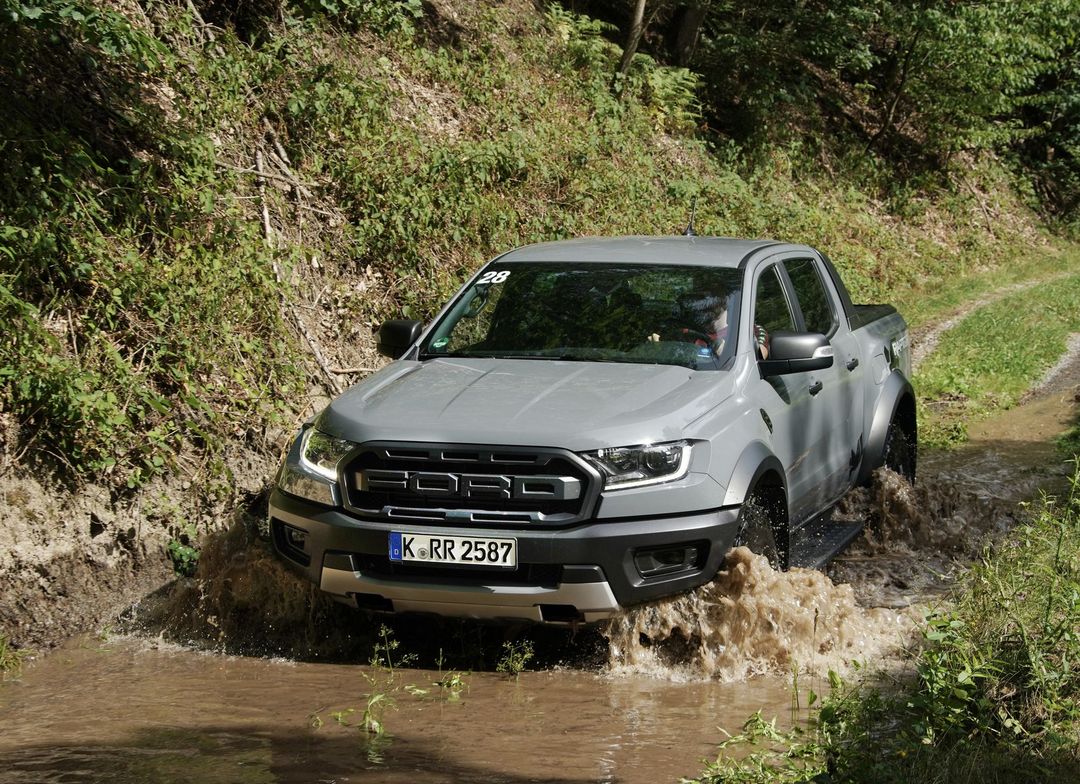
The Ford Ranger is a workhorse with the manners of a grown-up pickup—practical, tough, and surprisingly civilized on the road. It’s the sort of truck that laughs at mud on the weekend and performs like a sensible daily driver during the week, making it an easy sell for buyers who want capability without theatrics.

Reviews & community

All real reviews and experiences about the Ford Ranger in one place.

To community

Technical data, trims & prices

All technical data, dimensions and equipment details of this model at a glance.

To technical data

Alternative car models

Discover similar models and possible alternatives to this vehicle.

To alternatives

from £45,600
Ranger

Ford Ranger

  • Engine Type : Diesel, Petrol, Plugin Hybrid
  • Transmission : Automatic
  • Drive Type : All-Wheel Drive
  • Power HP : 210 - 292 HP
  • Consumption L/100km : 3.1 - 13.8 L/100km
  • Electric Range : 42 km

Design & Presence

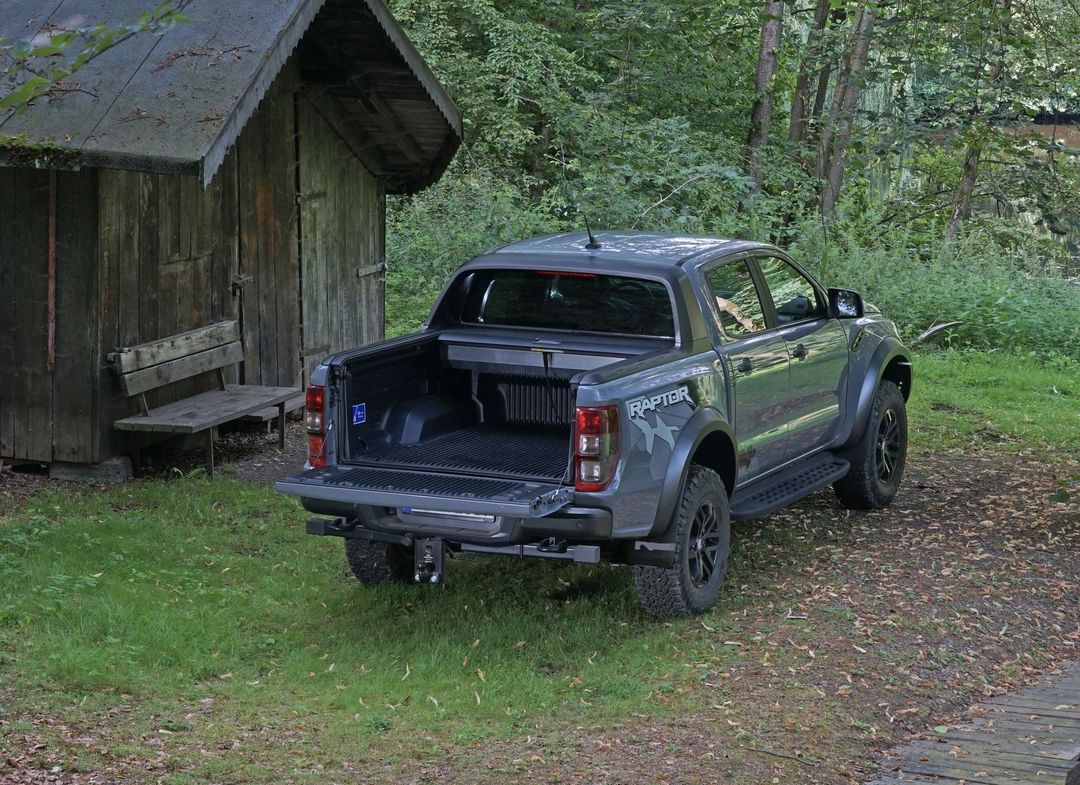
The Ford Ranger cuts an authoritative silhouette that reads "workhorse with style" thanks to a squared-off nose, high ride height and pronounced wheel arches that suit both construction sites and weekend trails. At roughly 5.37 metres long and nearly 1.92 metres wide, it dominates city streets and fits comfortably into country lanes, but tight parking will remind drivers this is a full-size pickup. Visual details such as bold grille options and the Raptor's aggressive bumpers add personality without getting fussy.
Interior & Usability

Inside, the Ranger mixes durable materials with smarter touches where they matter: comfortable seats, logically placed controls and a driver-focused dash that keeps the essentials handy. Most double-cab versions seat five comfortably and offer practical stowage — cupholders, deep door bins and a usable centre console make life easier on long jobs or family runs. Expect a handful of hard plastics in lower areas, chosen for resilience rather than plushness, which is exactly what tradespeople and outdoor users want.

Space & Everyday Practicality

The load bed and payload figures are where the Ranger proves its utility, with payloads ranging up to about 1,100 kg on the most capable setups and a standard 80-litre fuel tank for long distances between refuels. The bed is easy to access with a practical tailgate and flat load floor; securing gear is straightforward and the cabin layout supports toolboxes and family gear alike. Curb weights around 2.3–2.5 tonnes underline the vehicle's robust construction but also explain why the Ranger feels substantial on the road.

Driving & Handling

Driving the Ranger delivers a truck-like but controlled experience: suspension soaks up rutted tracks and motorway seams with composure, while steering is deliberately heavy to match the mass and towing requirements. Powertrains span from efficient 2.0-litre diesels to a throaty 3.0 V6 and a punchy Raptor, so 0–100 km/h times vary from the low eights to around twelve seconds depending on spec, with torque figures climbing into the high hundreds of Nm on the strongest diesels. The result is convincing real-world performance for towing, overtaking and off-road crawling, though corner-carving agility is not the brief.

Efficiency, Consumption & Range

Fuel consumption depends heavily on engine and usage: the 2.0 EcoBlue diesels are quoted around 8.4–8.8 L/100 km in mixed figures, larger 3.0 diesels sit near 10.1 L/100 km, and the Raptor variants are thirstier in the 10–14 L/100 km band under spirited driving. The plug‑in hybrid combines electric assistance with a quoted consumption of about 3.1 L/100 km and a pure-electric range near 42 km, which can cut daily fuel use for short commutes. In practice, heavy loads, towing or off-road use lift consumption noticeably, while the 80‑litre tank ensures long touring ranges between fill-ups.

Assistance, Infotainment & Tech

Equipment levels bring modern safety and convenience tech such as adaptive cruise, lane-keeping assists, parking aids and Ford's SYNC infotainment with touchscreen connectivity that supports Apple CarPlay and Android Auto. The PHEV gains an 11.8 kWh battery pack to enable the 42 km EV capability, useful for short commutes or urban zero‑emission zones. Overall the electronic aids are useful rather than gimmicky, designed to make towing, off-roading and daily driving less taxing.

Who Is It For?

The Ranger is aimed at buyers who need genuine load‑carrying and towing ability without sacrificing modern comforts — tradespeople, fleet operators, outdoor enthusiasts and families needing a rugged, versatile vehicle. Those seeking maximum efficiency should consider the PHEV for short electric trips and lower running costs, while off‑road fans and performance seekers will gravitate to the Raptor and larger diesel options for torque and capability. For anyone needing a dependable, well-rounded pickup that doubles as a sensible family and work vehicle, the Ranger remains a sensible choice.

Costs and Consumption

Price
45,600 - 71,900 £
Consumption L/100km
3.1 - 13.8 L/100km
Consumption kWh/100km
-
Electric Range
42 km
Battery Capacity
11.8 kWh
co2
70 - 315 g/km
Fuel tank capacity
80 L

Dimensions and Body

Body Type
Pickup
Seats
4 - 5
Doors
4
Curb weight
2,405 - 2,511 kg
Trunk capacity
-
Length
5,370 - 5,381 mm
Width
1,918 - 1,968 mm
Height
1,884 - 1,922 mm
Max trunk capacity
-
Payload
676 - 989 kg

Engine and Performance

Engine Type
Diesel, Petrol, Plugin Hybrid
Transmission
Automatic
Transmission Detail
Automatic Gearbox
Drive Type
All-Wheel Drive
Power HP
210 - 292 HP
Acceleration 0-100km/h
7.9 - 9.2 s
Max Speed
180 - 190 km/h
Torque
491 - 697 Nm
Number of Cylinders
4 - 6
Power kW
154 - 215 kW
Engine capacity
1,996 - 2,993 cm3

General

Model Year
2,022 - 2,025
CO2 Efficiency Class
G, B
Brand
Ford
What drivetrain options does the Ford Ranger have?

The Ford Ranger is available as All-Wheel Drive.

DriveDuel uses data analysis and artificial intelligence to evaluate vehicle data and create content. Content is regularly reviewed and improved. The displayed prices are estimates based on German list prices, adjusted to the respective country’s VAT. Country-specific registration taxes are not included. This information is not legally binding.