VS

Honda Jazz vs Dacia Sandero comparison

Compare performance (122 HP vs 122 HP), boot space and price (22,200 £ vs 11,000 £ ) at a glance. Find out which car is the better choice for you – Honda Jazz or Dacia Sandero?

Honda Jazz vs Dacia Sandero: Key differences

Honda Jazz

4.5 (6 Reviews)
rate
  • somewhat more efficient
  • very slightly quicker 0–100 km/h
details

Dacia Sandero

3.6 (8 Reviews)
rate
  • significantly cheaper
  • somewhat lighter
  • somewhat more trunk space
details

All details on performance, efficiency, range and trunk space can be found in the technical comparison below – including user reviews for both models.

By Achim Sedelmaier

Jazz

Quick head-to-head: Dacia Sandero VS Honda Jazz

Dacia Sandero and Honda Jazz arrive at the same buyer question from opposite directions: maximum value versus everyday refinement. The Dacia Sandero slashes purchase and running costs and gives you a straightforward, roomy small car without fuss, while the Honda Jazz asks you to pay more for smarter packaging, better perceived quality and extraordinary interior flexibility. If price per kilometre is your primary filter, the Sandero makes an immediate, hard-to-ignore case; if versatility, visibility and a calmer cabin in urban use matter, the Jazz shows its strengths. This comparison draws out how those choices play out in daily life rather than on a spec sheet. Read on to see which trade-offs matter for your priorities.
Sandero

Comfort and long-distance behaviour

The Dacia Sandero feels like a budget specialist on long drives: it keeps going, but motorway miles bring more wind and tyre noise and a firmer, simpler ride than you’ll get in the Honda Jazz. The Honda Jazz generally settles into highway speeds with a more composed ride and better refinement at cruising pace, though its drivetrain will protest when you ask for brisk acceleration. In practical terms that means weekend motorway trips are less tiring in the Jazz, while the Sandero is perfectly acceptable for shorter commutes and occasional longer runs if you can tolerate more acoustic and suspension reminders. Both cars favour comfort over sportiness, but Sandero’s compromises are louder and more obvious, whereas Jazz’s compromises are quieter and tied to spirited use.

Jazz

City friendliness and everyday usability

In the town the Honda Jazz feels purpose-built: excellent outward visibility, a tight turning circle and very low load sill make parking, loading and manoeuvring a breeze. The Dacia Sandero is equally honest about city life but with a different approach—super-light steering, simple controls and compact dimensions make it easy to live with and cheaper to maintain. If you carry tall or awkward items or often juggle child seats, the Jazz’s flexible seat system and smarter packaging simplify life; if you prioritise straightforward controls, minimal tech to fuss with and the lowest ongoing cost, the Sandero shines. Both are practical around town, but Jazz leans toward clever ergonomics while Sandero leans toward raw usability and economy.

Sandero

Cabin feel, perceived quality and tech

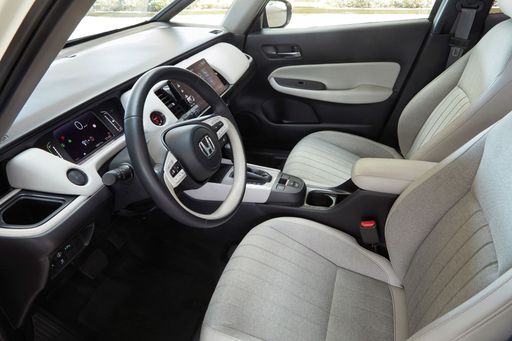
The Honda Jazz presents a more solid, composed cabin where touchpoints feel considered and finishes are less obviously cost-cut—this adds a calm, reassuring character to daily driving. The Dacia Sandero, by contrast, wears its budget clearly: harder plastics and visible saving measures, but a clean, intuitive layout with plenty of physical buttons that many buyers prefer for simple operation. On infotainment both cars support smartphone mirroring, but you’ll find lower-spec Sandero models are intentionally pared back while Jazz tends to offer more kit as standard even if the screen software can feel a bit sluggish. In short, Jazz buys you refinement and perceived quality; Sandero gives you an honest, functional interior that keeps the price down.

Jazz

Practicality, family use and luggage handling

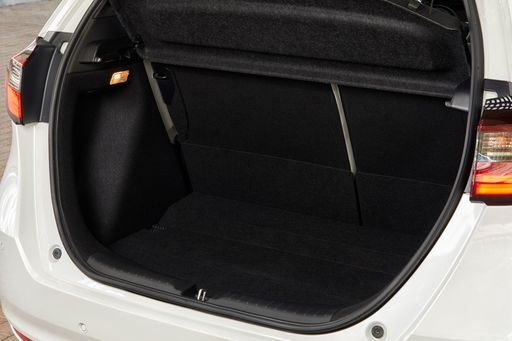
When it comes to pure flexibility the Honda Jazz is exceptional: its seat architecture and flat floor create load configurations that older, larger cars envy, making it easier to carry bulky items or configure the rear for child seats and tall cargo. The Dacia Sandero surprises by offering generous boot space for the money and comfortable forward seating, but its higher loading lip and simpler rear bench mean bulkier items are less easy to load and rear-seat comfort for tall passengers is tighter. For small families the Jazz’s rear room and clever seats reduce daily friction, while the Sandero’s strengths are lower running costs and impressive payload for its class. Safety-conscious family buyers will also note differing safety reputations, which factors into long-term peace of mind as much as cargo space.

Sandero

Who should pick which car — buyer-fit summary

If you are cost-driven, prioritise the lowest purchase and running bills and want a no-nonsense small car, the Dacia Sandero is made for that mindset and delivers maximum utility per pound. If your day-to-day life demands interior flexibility, exceptional visibility in traffic, and a more refined cabin for family or multi-tasking urban use, the Honda Jazz is the more suitable choice despite a higher price. Consider the Sandero when budget and simplicity are decisive, and the Jazz when versatility, perceived quality and ease of living are worth the premium. The technical comparison that follows will make those trade-offs concrete with figures on consumption, luggage capacity and performance so you can match the numbers to your priorities.

Here’s where it gets real: The technical differences in detail

Jazz

Costs and Efficiency:

When it comes to price and running costs, the biggest differences usually appear. This is often where you see which car fits your budget better in the long run.

Dacia Sandero is significantly cheaper – starting at 11,000 £ , while the Honda Jazz costs 22,200 £ . That’s a price difference of around 11,238 £.

Fuel consumption also shows a difference: the Honda Jazz uses 4.5 L/100km and is somewhat more efficient than the Dacia Sandero with 5.3 L/100km. The difference is about 0.8 L/100km.

Sandero

Engine and Performance:

Power, torque and acceleration say a lot about how a car feels on the road. This is where you see which model delivers more driving dynamics.

Both models deliver identical power – 122 HP each.

When accelerating from 0 to 100 km/h, the Honda Jazz is very slightly quicker – completing the sprint in 9.4 s, while the Dacia Sandero takes 9.7 s. That’s about 0.3 s quicker.

There’s also a difference in torque: the Honda Jazz delivers visibly more torque with 253 Nm compared to 200 Nm. That’s about 53 Nm more.

Jazz

Space and Everyday Use:

Whether family car or daily driver – which one offers more room, flexibility and comfort?

Both vehicles offer seating for 5 people.

In terms of curb weight, Dacia Sandero is somewhat lighter – 1,100 kg compared to 1,302 kg. The difference is around 202 kg.

Looking at boot space, the Dacia Sandero offers somewhat more boot space – 372 L compared to 304 L. That’s a difference of about 68 L.

When it comes to payload, the Dacia Sandero carries somewhat more – 436 kg compared to 388 kg. That’s a difference of about 48 kg.

Who wins the race in the data check?

The Dacia Sandero is clearly ahead overall in the objective data comparison.
This result only shows which model scores more points on paper – not which of the two cars feels right for you.

from £11,000
Sandero

Dacia Sandero

  • Engine Type Petrol, LPG
  • Transmission Manuel, Automatic
  • Drive Type Front-Wheel Drive
  • Power HP 67 - 122 HP
  • Consumption L/100km 5.3 - 7.2 L/100km
Honda Jazz
Dacia Sandero

Costs and Consumption

View detailed analysis

Engine and Performance

View detailed analysis

Dimensions and Body

View detailed analysis

Honda Jazz

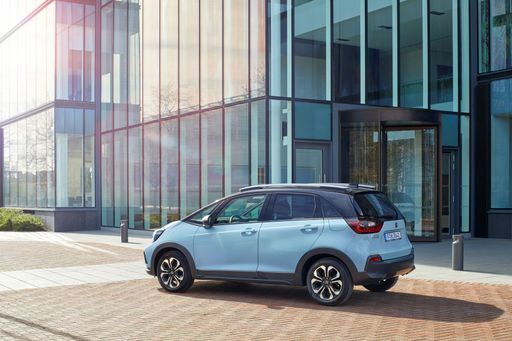
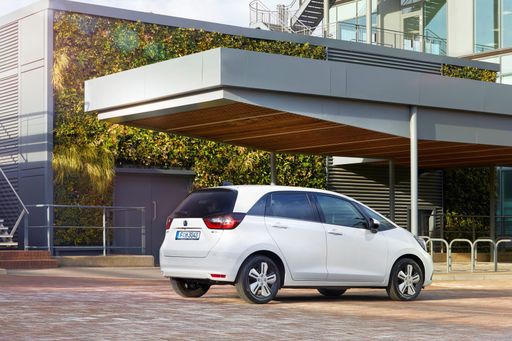
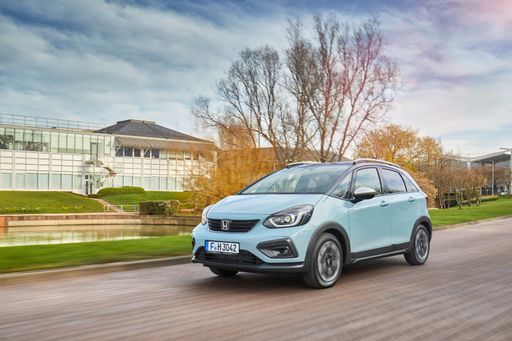
The Honda Jazz is a supremely practical small hatch that hides clever packaging and more usable space than it lets on, with friendly styling and an unfussy charm. It’s economical to run, easy to park and perfect for buyers who want reliable, versatile daily motoring without the hassle.

details

Dacia Sandero

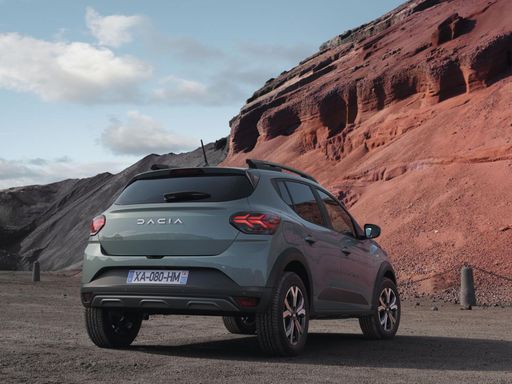
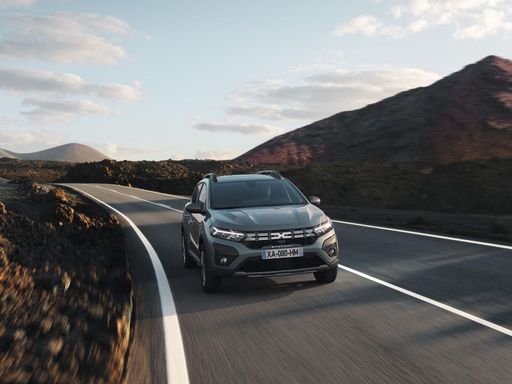
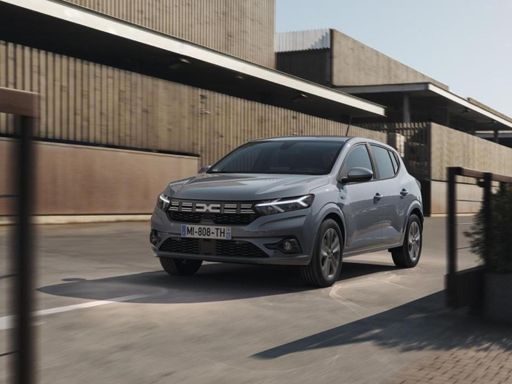
The Sandero is a no-nonsense hatchback that prioritises practicality and low running costs, making it a smart choice for budget-minded buyers. It delivers a surprisingly roomy interior and straightforward, useful equipment so you get everyday usability without paying for unnecessary frills.

details
Honda Jazz
Dacia Sandero

Costs and Consumption

Price
22,200 - 25,900 £
Price
11,000 - 16,300 £
Consumption L/100km
4.5 - 4.8 L/100km
Consumption L/100km
5.3 - 7.2 L/100km
Consumption kWh/100km
-
Consumption kWh/100km
-
Electric Range
-
Electric Range
-
Battery Capacity
-
Battery Capacity
-
co2
102 - 108 g/km
co2
111 - 131 g/km
Fuel tank capacity
-
Fuel tank capacity
-

Dimensions and Body

Body Type
Hatchback
Body Type
Hatchback
Seats
5
Seats
5
Doors
-
Doors
-
Curb weight
1,302 - 1,321 kg
Curb weight
1,100 - 1,297 kg
Trunk capacity
304 L
Trunk capacity
328 - 372 L
Length
-
Length
-
Width
1,694 mm
Width
1,853 mm
Height
-
Height
-
Max trunk capacity
-
Max trunk capacity
-
Payload
369 - 388 kg
Payload
385 - 436 kg

Engine and Performance

Engine Type
Full Hybrid
Engine Type
Petrol, LPG
Transmission
Automatic
Transmission
Manuel, Automatic
Transmission Detail
Automatic Gearbox
Transmission Detail
Manual Gearbox, Dual-Clutch Automatic
Drive Type
Front-Wheel Drive
Drive Type
Front-Wheel Drive
Power HP
122 HP
Power HP
67 - 122 HP
Acceleration 0-100km/h
9.4 - 9.7 s
Acceleration 0-100km/h
9.7 - 16.7 s
Max Speed
-
Max Speed
-
Torque
253 Nm
Torque
95 - 200 Nm
Number of Cylinders
4
Number of Cylinders
3
Power kW
90 kW
Power kW
49 - 90 kW
Engine capacity
1,498 cm3
Engine capacity
999 - 1,199 cm3

General

Model Year
2025
Model Year
2025
CO2 Efficiency Class
C
CO2 Efficiency Class
D, C
Brand
Honda
Brand
Dacia
DriveDuel uses data analysis and artificial intelligence to evaluate vehicle data and create content. Content is regularly reviewed and improved. The displayed prices are estimates based on German list prices, adjusted to the respective country’s VAT. Country-specific registration taxes are not included. This information is not legally binding.