
 Deutschland
 France
 Nederland
 Great Britain
 Sverige
 Danmark
 Suomi
Suomi Italia
 Polska
 Česko
Česko España
VS
Hyundai i10 vs Renault Master Bus comparison
Compare performance (90 HP vs 180 HP), boot space and price (14,600 £ vs 36,600 £ ) at a glance. Find out which car is the better choice for you – Hyundai i10 or Renault Master Bus?
i10
Costs and Efficiency:
Looking at overall running costs, both models reveal some interesting differences in everyday economy.
Hyundai i10 is substantially cheaper – starting at 14,600 £ , while the Renault Master Bus costs 36,600 £ . That’s a price difference of around 22,025 £.
Fuel consumption also shows a difference: the Hyundai i10 uses 4.9 L/100km and is significantly more efficient than the Renault Master Bus with 8.7 L/100km. The difference is about 3.8 L/100km.
Master Bus
Engine and Performance:
Under the bonnet, it becomes clear which model is tuned for sportiness and which one takes the lead when you hit the accelerator.
When it comes to engine power, the Renault Master Bus offers clearly more power – delivering 180 HP compared to 90 HP. That’s roughly 90 HP more horsepower.
Looking at top speed, the Hyundai i10 is marginally faster – reaching 175 km/h, while the Renault Master Bus tops out at 165 km/h. The difference is around 10 km/h.
There’s also a difference in torque: the Renault Master Bus delivers significantly more torque with 400 Nm compared to 172 Nm. That’s about 228 Nm more.
i10
Space and Everyday Use:
Cabin size, boot volume and payload all play a role in everyday practicality. Here, comfort and flexibility make the difference.
Seats: Renault Master Bus offers more seats – 9 vs 5.
In terms of curb weight, Hyundai i10 is considerably lighter – 996 kg compared to 2,189 kg. The difference is around 1,193 kg.
For maximum load capacity, the Renault Master Bus offers clearly more capacity – up to 4,840 L, about 3,790 L more than the Hyundai i10.
When it comes to payload, the Renault Master Bus carries clearly more – 1,254 kg compared to 423 kg. That’s a difference of about 831 kg.
Who wins the race in the data check?
The Hyundai i10 sits just ahead overall in the objective data comparison.
This result only shows which model scores more points on paper – not which of the two cars feels right for you.
from £14,600
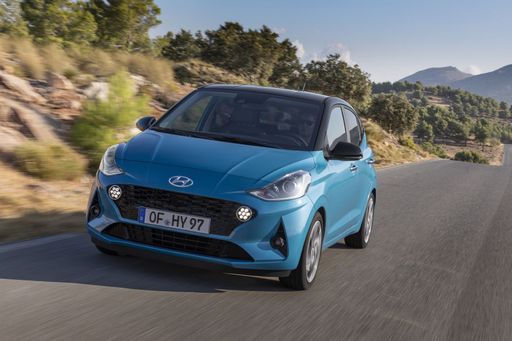
Hyundai i10
Hyundai i10
Renault Master Bus
Costs and Consumption
View detailed analysis
View detailed analysis
Engine and Performance
View detailed analysis
View detailed analysis
Dimensions and Body
View detailed analysis
View detailed analysis
Hyundai i10
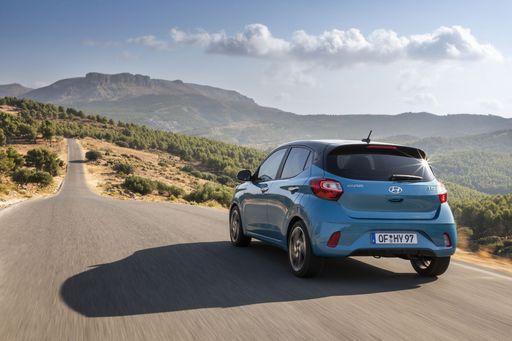
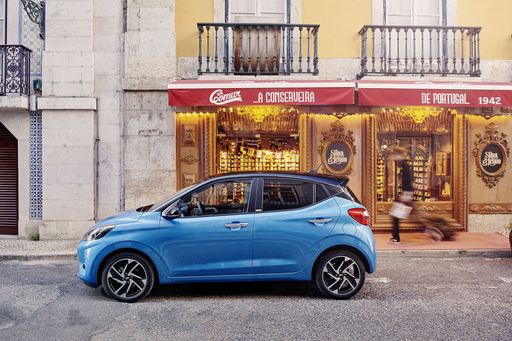
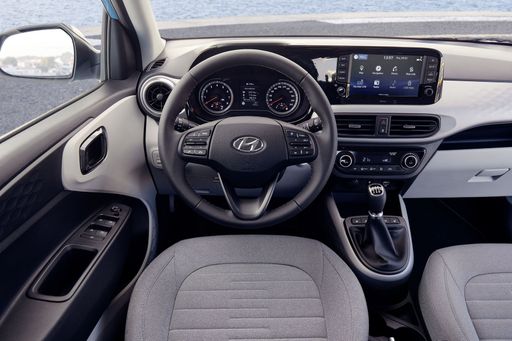
The Hyundai i10 is a cheeky city car that squeezes big-car confidence into a pocket-friendly package, carving through tight streets with surprising composure and sensible practicality. For buyers after low fuss, sensible equipment and wallet-friendly running costs, it's a smart, no-nonsense pick that makes sense whether you're a first-time driver or need a reliable second car.
details
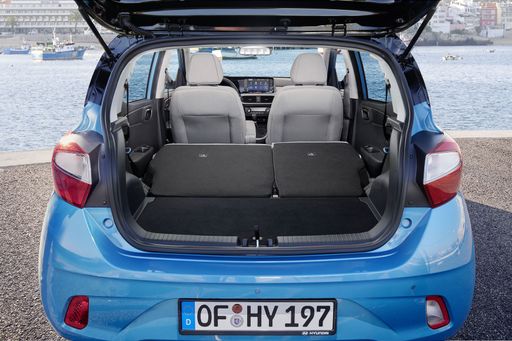
Renault Master Bus
The Renault Master Bus is a no-nonsense people carrier that trades flash for practicality, offering generous space for passengers and luggage with a sensible, robust feel. It’s a smart pick for buyers who want comfort and reliability over glamour — think dependable transport with a dash of French charm and a wry smile.
details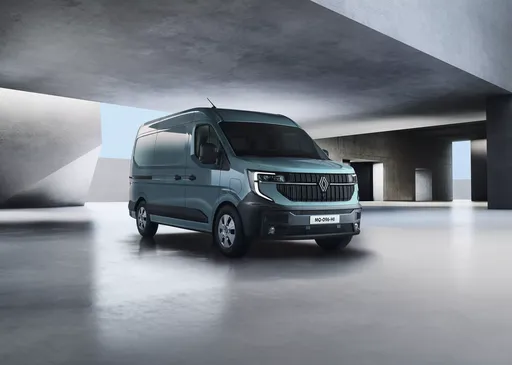
Hyundai i10
Renault Master Bus
Costs and Consumption |
|
|---|---|
|
Price
14,600 - 19,000 £
|
Price
36,600 - 43,200 £
|
|
Consumption L/100km
4.9 - 5.5 L/100km
|
Consumption L/100km
8.7 - 10.7 L/100km
|
|
Consumption kWh/100km
-
|
Consumption kWh/100km
-
|
|
Electric Range
-
|
Electric Range
-
|
|
Battery Capacity
-
|
Battery Capacity
-
|
|
co2
110 - 124 g/km
|
co2
227 - 280 g/km
|
|
Fuel tank capacity
36 L
|
Fuel tank capacity
105 L
|
Dimensions and Body |
|
|---|---|
|
Body Type
Hatchback
|
Body Type
Bus
|
|
Seats
4 - 5
|
Seats
6 - 9
|
|
Doors
5
|
Doors
4
|
|
Curb weight
996 - 1,099 kg
|
Curb weight
2,189 - 2,361 kg
|
|
Trunk capacity
252 L
|
Trunk capacity
-
|
|
Length
3,670 - 3,675 mm
|
Length
5,075 - 5,575 mm
|
|
Width
1,680 mm
|
Width
2,070 mm
|
|
Height
1,480 - 1,483 mm
|
Height
2,290 - 2,486 mm
|
|
Max trunk capacity
1,050 L
|
Max trunk capacity
2,840 - 4,840 L
|
|
Payload
344 - 423 kg
|
Payload
939 - 1,254 kg
|
Engine and Performance |
|
|---|---|
|
Engine Type
Petrol
|
Engine Type
Diesel
|
|
Transmission
Manual, Automatic
|
Transmission
Manual, Automatic
|
|
Transmission Detail
Manual Gearbox, Automated Manual
|
Transmission Detail
Manual Gearbox, Automated Manual
|
|
Drive Type
Front-Wheel Drive
|
Drive Type
Front-Wheel Drive
|
|
Power HP
63 - 90 HP
|
Power HP
135 - 180 HP
|
|
Acceleration 0-100km/h
11.4 - 18.4 s
|
Acceleration 0-100km/h
-
|
|
Max Speed
143 - 175 km/h
|
Max Speed
150 - 165 km/h
|
|
Torque
93 - 172 Nm
|
Torque
360 - 400 Nm
|
|
Number of Cylinders
3 - 4
|
Number of Cylinders
4
|
|
Power kW
46 - 66 kW
|
Power kW
99 - 132 kW
|
|
Engine capacity
998 - 1,197 cm3
|
Engine capacity
2,299 cm3
|
General |
|
|---|---|
|
Model Year
2024
|
Model Year
2023
|
|
CO2 Efficiency Class
C, D
|
CO2 Efficiency Class
G
|
|
Brand
Hyundai
|
Brand
Renault
|
DriveDuel uses data analysis and artificial intelligence to evaluate vehicle data and create content. Content is regularly reviewed and improved.
The displayed prices are estimates based on German list prices, adjusted to the respective country’s VAT. Country-specific registration taxes are not included. This information is not legally binding.