VS

Hyundai Inster vs Tesla Model 3 comparison

Compare performance (115 HP vs 460 HP), boot space and price (20,500 £ vs 31,700 £ ) at a glance. Find out which car is the better choice for you – Hyundai Inster or Tesla Model 3?

Hyundai Inster vs Tesla Model 3: Key differences

Hyundai Inster

5 (1 Reviews)
rate
  • significantly cheaper
  • clearly lighter
details

Tesla Model 3

3.8 (4 Reviews)
rate
  • clearly more power
  • moderately more efficient
  • clearly more electric range
  • considerably quicker 0–100 km/h
  • clearly more trunk space
details

All details on performance, efficiency, range and trunk space can be found in the technical comparison below – including user reviews for both models.

By Achim Sedelmaier

Inster

A Comparative Look at the Tesla Model 3 and the Hyundai Inster

As electric vehicles continue to revolutionize the automotive landscape, two contenders have emerged that cater to different segments of the market: the futuristic and performance-oriented Tesla Model 3 and the more urban-friendly Hyundai Inster. Both vehicles offer unique blends of innovation and practicality, but how do they stack up against each other when we delve into the technical details? Let's explore the strengths and considerations of the Tesla Model 3 and Hyundai Inster.
Model 3

Performance and Power

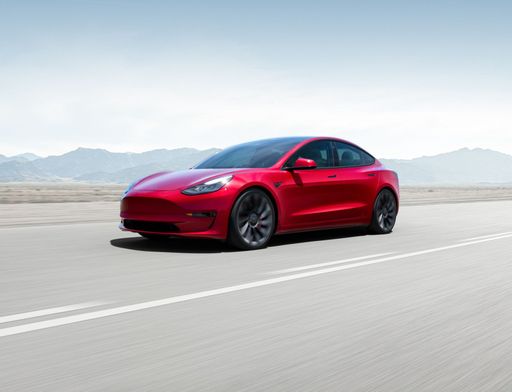
The Tesla Model 3 is known for its high-performance capabilities. With power ratings ranging from 283 to a staggering 460 horsepower, this vehicle caters to those who seek exhilarating acceleration. The Model 3 can reach 0 to 100 km/h in anywhere from a rapid 3.1 seconds to a swift 6.1 seconds, depending on the variant. Additionally, it provides both rear-wheel and all-wheel drive options, enhancing its appeal to thrill-seeking drivers.

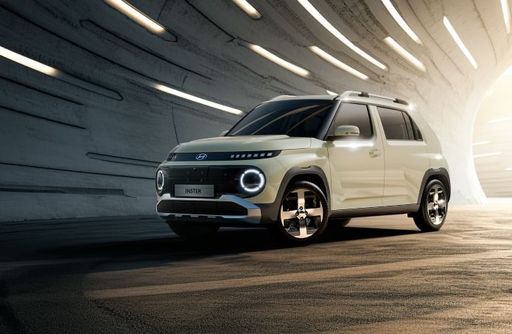
In contrast, the Hyundai Inster is more modest in its power offerings, with 97 to 115 horsepower under the hood. Its acceleration is more subdued, with times from 0 to 100 km/h ranging between 10.6 and 11.7 seconds. Front-wheel drive is standard, aligning with the vehicle's urban-centric design.

Inster

Battery and Range

The capacity of an electric vehicle's battery and its range are vital for potential buyers. The Tesla Model 3 shines in this aspect, offering varying battery capacities between 62 to 79 kWh, resulting in an impressive range of 513 to 702 kilometers on a single charge. This makes it an ideal choice for long-distance travelers.

The Hyundai Inster, while less powerful, provides adequate range for city dwellers and daily commuters. Its battery capacities range from 42 to 49 kWh, accommodating a driving range between 327 to 370 kilometers. This range is suitable for typical urban commutes and errands without frequent charging stops.

Model 3

Dimensions and Practicality

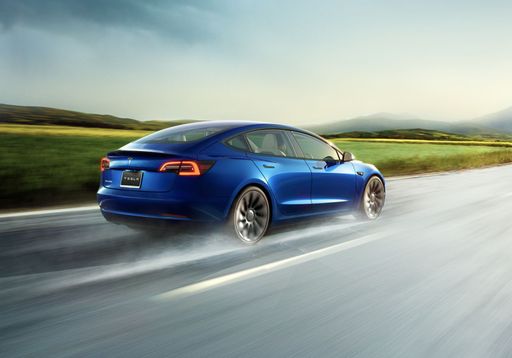
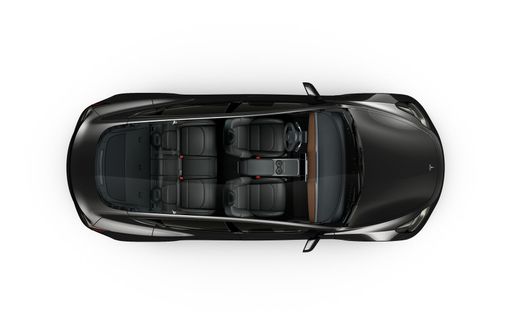
Examining the interior space and dimensions, the Tesla Model 3 serves as a hatchback with ample room, seating up to five passengers comfortably. It also offers a generous trunk capacity of 594 liters, making it practical for both daily use and road trips.

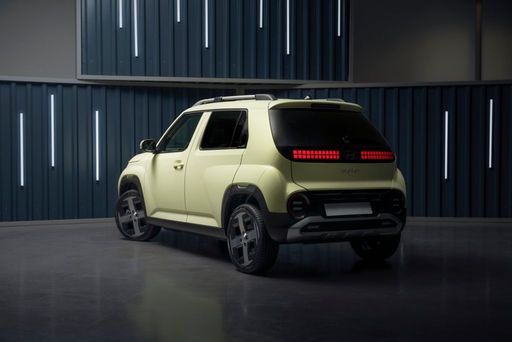
The Hyundai Inster takes on the form of an SUV, yet it is more compact, seating four passengers. Its trunk space is considerably smaller, ranging from 238 to 280 liters, which might be a consideration for families or individuals needing more storage.

Inster

Innovation and Features

Both vehicles boast cutting-edge technology and sustainability, maintaining a CO2 efficiency class of A with zero emissions marveling enthusiasts of eco-friendly driving. From an innovation standpoint, the Tesla Model 3 stands out with its higher top speed, reaching up to 262 km/h, and its powerful torque of up to 723 Nm.

The Hyundai Inster offers a balance between functionality and innovation, with a top speed capped at 150 km/h and a torque of 147 Nm. Its lighter curb weight, ranging from 1380 to 1433 kg, makes it nimble and responsive in urban environments.

Model 3

Conclusion

Deciding between the Tesla Model 3 and the Hyundai Inster ultimately boils down to the driver's needs and lifestyle. For those valuing performance and range, the Tesla Model 3 clearly leads the charge with its superior power and longer driving range. However, if maneuverability and city practicality are higher priorities, the Hyundai Inster stands as a strong contender with a smaller footprint and efficient design. Whether you prefer razzle-dazzle speeds or practical city cruising, both models represent the diverse possibilities in the future of electric vehicles.

Here’s where it gets real: The technical differences in detail

Inster

Costs and Efficiency:

Looking at overall running costs, both models reveal some interesting differences in everyday economy.

Hyundai Inster is significantly cheaper – starting at 20,500 £ , while the Tesla Model 3 costs 31,700 £ . That’s a price difference of around 11,220 £.

In terms of energy consumption, the Tesla Model 3 is moderately more efficient: consuming 13 kWh/100km compared to 14.3 kWh/100km for the Hyundai Inster. That’s a difference of about 1.3 kWh/100km.

As for electric range, the Tesla Model 3 offers clearly more range – reaching up to 750 km, about 380 km more than the Hyundai Inster.

Model 3

Engine and Performance:

Power, torque and acceleration are the classic benchmarks for car enthusiasts – and here, some clear differences start to show.

When it comes to engine power, the Tesla Model 3 offers clearly more power – delivering 460 HP compared to 115 HP. That’s roughly 345 HP more horsepower.

When accelerating from 0 to 100 km/h, the Tesla Model 3 is considerably quicker – completing the sprint in 3.1 s, while the Hyundai Inster takes 10.6 s. That’s about 7.5 s quicker.

There’s also a difference in torque: the Tesla Model 3 delivers substantially more torque with 660 Nm compared to 147 Nm. That’s about 513 Nm more.

Inster

Space and Everyday Use:

Beyond pure performance, interior space and usability matter most in daily life. This is where you see which car is more practical and versatile.

Seats: Tesla Model 3 offers more seats – 5 vs 4.

In terms of curb weight, Hyundai Inster is clearly lighter – 1,380 kg compared to 1,772 kg. The difference is around 392 kg.

Looking at boot space, the Tesla Model 3 offers clearly more boot space – 594 L compared to 280 L. That’s a difference of about 314 L.

When it comes to payload, the Tesla Model 3 carries very slightly more – 377 kg compared to 357 kg. That’s a difference of about 20 kg.

Who wins the race in the data check?

The Tesla Model 3 is far ahead overall in the objective data comparison.
This result only shows which model scores more points on paper – not which of the two cars feels right for you.

from £31,700
Model 3

Tesla Model 3

  • Engine Type : Electric
  • Transmission : Automatic
  • Drive Type : All-Wheel Drive, Rear-Wheel Drive
  • Power HP : 283 - 460 HP
  • Consumption kWh/100km : 13 - 16.7 kWh/100km
  • Electric Range : 534 - 750 km
Hyundai Inster
Tesla Model 3

Costs and Consumption

View detailed analysis

Engine and Performance

View detailed analysis

Dimensions and Body

View detailed analysis

Hyundai Inster

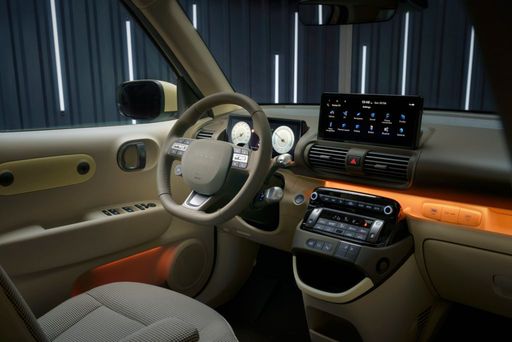
The Inster has quickly captured the attention of automotive enthusiasts with its striking design and dynamic performance. This model seamlessly blends advanced technology with comfort, making it an ideal choice for both daily commutes and adventurous road trips. With its spacious interior and innovative features, the Inster promises an exhilarating driving experience that doesn’t compromise on practicality.

details

Tesla Model 3

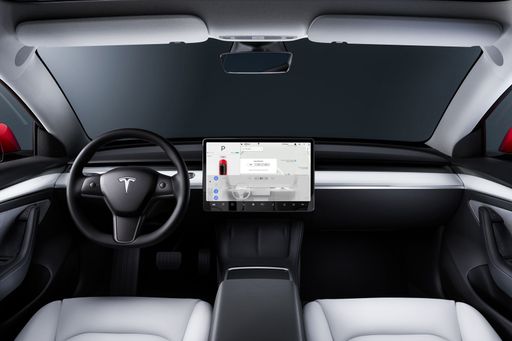
The Tesla Model 3 slices through daily commuting with a silent, confident shove that makes petrolheads reassess their life choices, while its minimalist cabin feels more like a slick gadget gallery than a traditional car interior. For buyers after a fuss-free, tech-forward electric with plenty of grin factor and low running drama, it’s hard to beat—just don't be surprised when the car updates itself overnight.

details
Hyundai Inster
Tesla Model 3

Costs and Consumption

Price
20,500 - 25,800 £
Price
31,700 - 50,100 £
Consumption L/100km
-
Consumption L/100km
-
Consumption kWh/100km
14.3 - 15.1 kWh/100km
Consumption kWh/100km
13 - 16.7 kWh/100km
Electric Range
327 - 370 km
Electric Range
534 - 750 km
Battery Capacity
-
Battery Capacity
83 kWh
co2
0 g/km
co2
0 g/km
Fuel tank capacity
-
Fuel tank capacity
-

Dimensions and Body

Body Type
SUV
Body Type
Sedan
Seats
4
Seats
5
Doors
-
Doors
4
Curb weight
1,380 - 1,433 kg
Curb weight
1,772 - 1,929 kg
Trunk capacity
238 - 280 L
Trunk capacity
594 L
Length
-
Length
4,724 mm
Width
1,610 mm
Width
1,850 mm
Height
-
Height
1,431 mm
Max trunk capacity
-
Max trunk capacity
-
Payload
317 - 357 kg
Payload
303 - 377 kg

Engine and Performance

Engine Type
Electric
Engine Type
Electric
Transmission
Automatic
Transmission
Automatic
Transmission Detail
Reduction Gearbox
Transmission Detail
Reduction Gearbox
Drive Type
Front-Wheel Drive
Drive Type
All-Wheel Drive, Rear-Wheel Drive
Power HP
97 - 115 HP
Power HP
283 - 460 HP
Acceleration 0-100km/h
10.6 - 11.7 s
Acceleration 0-100km/h
3.1 - 6.2 s
Max Speed
-
Max Speed
262 km/h
Torque
147 Nm
Torque
420 - 660 Nm
Number of Cylinders
-
Number of Cylinders
-
Power kW
71 - 85 kW
Power kW
208 - 338 kW
Engine capacity
-
Engine capacity
-

General

Model Year
2025
Model Year
2025
CO2 Efficiency Class
A
CO2 Efficiency Class
A
Brand
Hyundai
Brand
Tesla
DriveDuel uses data analysis and artificial intelligence to evaluate vehicle data and create content. Content is regularly reviewed and improved. The displayed prices are estimates based on German list prices, adjusted to the respective country’s VAT. Country-specific registration taxes are not included. This information is not legally binding.