@ Hyundai Motor Company
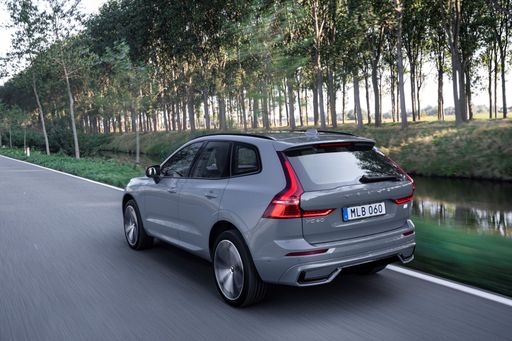
@ Volvo Cars
VS

Hyundai IONIQ 5 vs Volvo XC60 – Which car suits you better?

Two cars, one duel: Hyundai IONIQ 5 meets Volvo XC60.
Which one wins in performance, efficiency and value for money? Find out now!

IONIQ 5 @ Hyundai Motor Company

Redefining the Electric Experience: Hyundai IONIQ 5 vs Volvo XC60

As the world pivots towards sustainable motoring, the automotive landscape is rapidly evolving. In this comparative analysis, we delve into two quintessential representatives of this green revolution: the Hyundai IONIQ 5 and the Volvo XC60. Both vehicles promise a seamless blend of performance, innovation, and eco-friendliness, but how will they fare against each other? Let's explore.
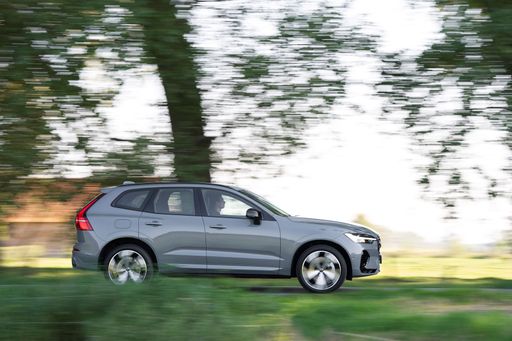
XC60 @ Volvo Cars

Design and Technological Innovation

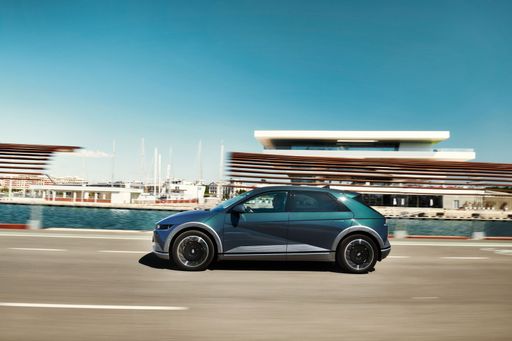
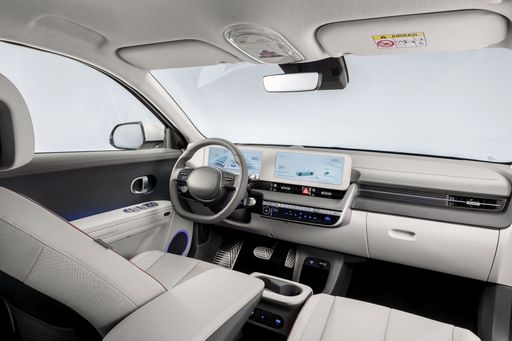
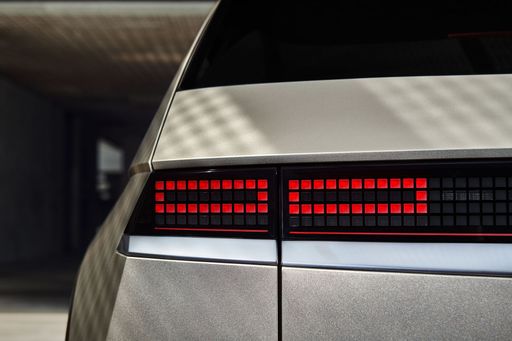
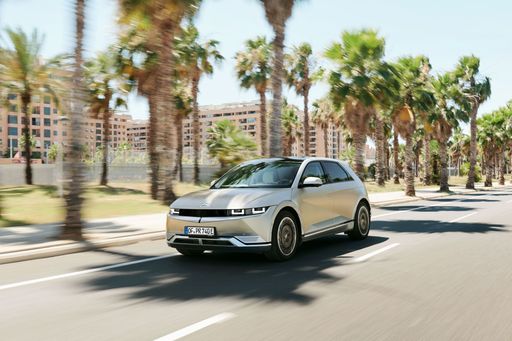
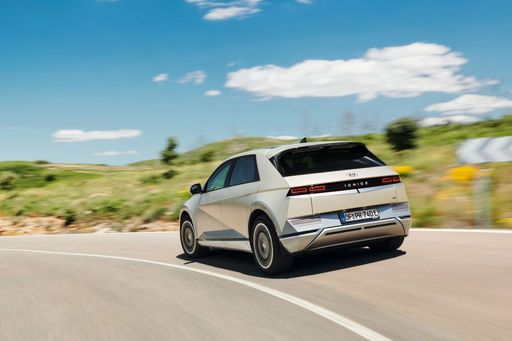
The Hyundai IONIQ 5, with its futuristic aesthetic, is a nod to the electric era. This SUV stands out with its sharp lines and distinctive LED lights that convey a modern yet minimalistic vibe. The IONIQ 5's interior is as innovative as its exterior, featuring a spacious cabin with versatile seating arrangements and advanced tech interfaces that cater to the connected driver.

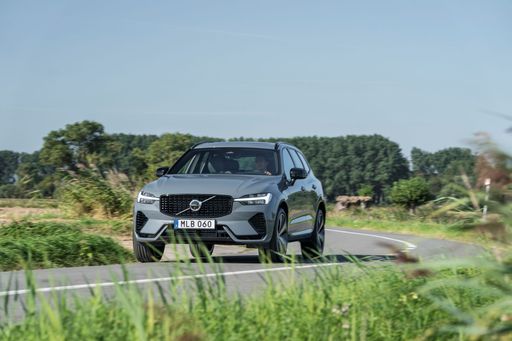
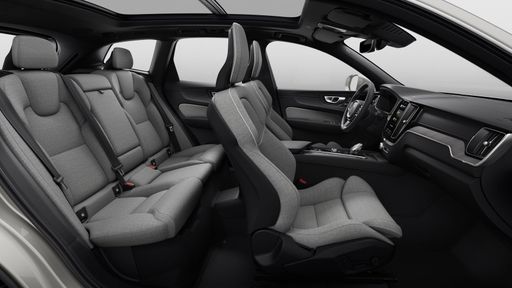
On the other hand, the Volvo XC60 maintains a premium look with Scandinavian minimalism at its core. The vehicle underscores sophistication with its streamlined design and high-quality materials. Volvo's dedication to safety is reflected in its state-of-the-art driver-assistance technologies, which come as standard, ensuring peace of mind for every journey.

IONIQ 5 @ Hyundai Motor Company

Performance and Handling

The IONIQ 5, with its range of powertrain options, offers a choice between rear-wheel drive and all-wheel drive, with output ratings from 170 HP to a robust 609 HP. With an impressive top speed of up to 260 km/h and acceleration from 0 to 100 km/h in as little as 3.5 seconds (for the top model), the IONIQ 5 delivers thrilling driving dynamics. Its electric range varies from 440 km to 570 km, supported by battery capacities of 63 kWh and 84 kWh, respectively.

Conversely, the Volvo XC60 comes equipped with either a mild hybrid or a plug-in hybrid powertrain, offering power outputs between 250 HP and 455 HP. With all-wheel drive capability, the XC60 accelerates from 0 to 100 km/h in as little as 4.9 seconds. The plug-in hybrid variant boasts an electric range of up to 80 km, alongside a modest fuel consumption of 0.9 L/100km—making it a pragmatic choice for eco-conscious drivers.

XC60 @ Volvo Cars

Eco-Friendliness and Efficiency

Zero emissions are the mantra for the Hyundai IONIQ 5, thanks to its fully electric drivetrain. Classified in the top CO2 efficiency class A, this model contributes significantly to reducing environmental impact. In addition, with a consumption range as low as 15.6 kWh/100 km, the IONIQ 5 exemplifies energy efficiency in electric mobility.

The Volvo XC60, while hybrid, maintains a commendable balance of power and sustainability. Its plug-in hybrid variant is classified as CO2 efficiency class B, with CO2 emissions as low as 22 g/km. The combined use of petrol and electricity allows for greater flexibility and reduced carbon footprint, integrating traditional engineering with modern consciousness.

IONIQ 5 @ Hyundai Motor Company

Utility and Practicality

Both SUVs cater to practical utility demands with their spacious interiors and cargo capabilities. The IONIQ 5 provides ample room with seating for five and a trunk capacity of up to 520 liters, ensuring it meets everyday family needs or adventurous getaways.

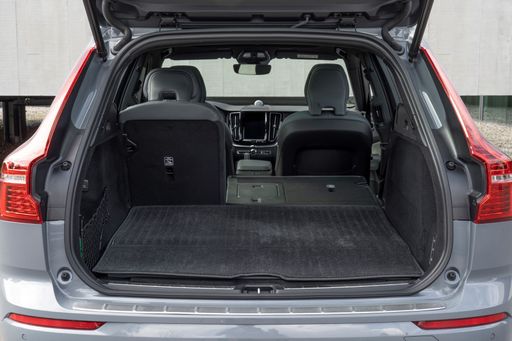
Meanwhile, the Volvo XC60 does not lag either, offering a trunk capacity of 483 liters. Its intelligent cargo solutions and payload capacity of up to 550 kilograms ensure it can handle diverse transportation needs with ease and efficiency.

XC60 @ Volvo Cars

Conclusion: Bridging the Gap between Innovation and Convenience

Both the Hyundai IONIQ 5 and the Volvo XC60 embody the future of automotive design and engineering in distinctive ways. The IONIQ 5 shines with its avant-garde electric performance and long-range capabilities, whereas the XC60 appeals with its seamless hybrid integration and luxurious appeal.

Your choice between these two would depend on whether you seek a pioneering electric drive or the versatile charm of a sophisticated hybrid. Regardless, both vehicles mark significant strides toward a more sustainable automotive future, leaving a clear footprint on the path to green mobility.

Here’s where it gets real: The technical differences in detail

IONIQ 5 @ Hyundai Motor Company

Costs and Efficiency:

Price and efficiency are key factors when choosing a car – and this is often where the real differences emerge.

Hyundai IONIQ 5 has a noticeable advantage in terms of price – it starts at 38500 £, while the Volvo XC60 costs 49200 £. That’s a price difference of around 10706 £.

As for range, the Hyundai IONIQ 5 performs decisively better – achieving up to 570 km, about 488 km more than the Volvo XC60.

XC60 @ Volvo Cars

Engine and Performance:

Under the bonnet, it becomes clear which model is tuned for sportiness and which one takes the lead when you hit the accelerator.

When it comes to engine power, the Hyundai IONIQ 5 has a distinct edge – offering 650 HP compared to 455 HP. That’s roughly 195 HP more horsepower.

In acceleration from 0 to 100 km/h, the Hyundai IONIQ 5 is decisively quicker – completing the sprint in 3.50 s, while the Volvo XC60 takes 4.90 s. That’s about 1.40 s faster.

In terms of top speed, the Hyundai IONIQ 5 performs evident better – reaching 260 km/h, while the Volvo XC60 tops out at 180 km/h. The difference is around 80 km/h.

There’s also a difference in torque: Hyundai IONIQ 5 pulls minimal stronger with 770 Nm compared to 709 Nm. That’s about 61 Nm difference.

IONIQ 5 @ Hyundai Motor Company

Space and Everyday Use:

Cabin size, boot volume and payload all play a role in everyday practicality. Here, comfort and flexibility make the difference.

Both vehicles offer seating for 5 people.

In curb weight, Volvo XC60 is slight lighter – 1900 kg compared to 1955 kg. The difference is around 55 kg.

In terms of boot space, the Hyundai IONIQ 5 offers hardly perceptible more room – 520 L compared to 483 L. That’s a difference of about 37 L.

In maximum load capacity, the Hyundai IONIQ 5 performs barely noticeable better – up to 1580 L, which is about 37 L more than the Volvo XC60.

When it comes to payload, Volvo XC60 hardly perceptible takes the win – 550 kg compared to 530 kg. That’s a difference of about 20 kg.

Who comes out on top?

Overall, the Hyundai IONIQ 5 shows itself to be leaves the rival little chance and secures the title of DriveDuel Champion.
It convinces with the more balanced overall package and proves to be the more versatile choice for everyday use.

from about £38,500
IONIQ 5 @ Hyundai Motor Company

Hyundai IONIQ 5

  • Engine Type : Electric
  • Transmission : Automatic
  • Drive Type : Rear-Wheel Drive, All-Wheel Drive
  • Power HP : 170 - 650 HP
  • Consumption kWh/100km : 15.6 - 21.2 kWh
  • Electric Range : 440 - 570 km

Hyundai IONIQ 5

The Hyundai IONIQ 5 looks like a spaceship that moved into suburbia, pairing bold retro‑futuristic styling with a roomy, cleverly laid-out cabin that makes long trips surprisingly comfortable. Its electric character delivers instant, silky acceleration and low running costs, making it a smart, slightly cheeky pick for buyers who want tech, practicality and personality without the drama.

details

Volvo XC60

5 (1)
rate

The Volvo XC60 blends Scandinavian calm with confident presence, offering a cabin that feels plush without shouting for attention. It’s a smart pick for buyers after a composed ride, clever practicality and thoughtful safety touches — it even makes running the family shuttle feel almost serene, which is a small miracle.

details
Hyundai IONIQ 5
Volvo XC60
IONIQ 5 @ Hyundai Motor Company
XC60 @ Volvo Cars

Costs and Consumption

Price
38500 - 64200 £
Price
49200 - 75100 £
Consumption L/100km
-
Consumption L/100km
2.8 - 7.5 L
Consumption kWh/100km
15.6 - 21.2 kWh
Consumption kWh/100km
-
Electric Range
440 - 570 km
Electric Range
74 - 82 km
Battery Capacity
63 - 84 kWh
Battery Capacity
14.70 kWh
co2
0 g/km
co2
64 - 169 g/km
Fuel tank capacity
-
Fuel tank capacity
71 L

Dimensions and Body

Body Type
SUV
Body Type
SUV
Seats
5
Seats
5
Doors
5
Doors
5
Curb weight
1955 - 2275 kg
Curb weight
1900 - 2150 kg
Trunk capacity
480 - 520 L
Trunk capacity
468 - 483 L
Length
4655 - 4715 mm
Length
4708 mm
Width
1890 - 1940 mm
Width
1902 mm
Height
1585 - 1605 mm
Height
1651 - 1655 mm
Max trunk capacity
1540 - 1580 L
Max trunk capacity
1528 - 1543 L
Payload
385 - 530 kg
Payload
510 - 550 kg

Engine and Performance

Engine Type
Electric
Engine Type
Petrol MHEV, Plugin Hybrid
Transmission
Automatic
Transmission
Automatic
Transmission Detail
Reduction Gearbox
Transmission Detail
Automatic Gearbox
Drive Type
Rear-Wheel Drive, All-Wheel Drive
Drive Type
All-Wheel Drive
Power HP
170 - 650 HP
Power HP
250 - 455 HP
Acceleration 0-100km/h
3.5 - 8.5 s
Acceleration 0-100km/h
4.9 - 6.9 s
Max Speed
185 - 260 km/h
Max Speed
180 km/h
Torque
350 - 770 Nm
Torque
350 - 709 Nm
Number of Cylinders
-
Number of Cylinders
4
Power kW
125 - 478 kW
Power kW
184 - 335 kW
Engine capacity
-
Engine capacity
1969 cm3

General

Model Year
2024 - 2025
Model Year
2025
CO2 Efficiency Class
A
CO2 Efficiency Class
F, B
Brand
Hyundai
Brand
Volvo
What drive types are available for the Hyundai IONIQ 5?

The Hyundai IONIQ 5 is available as Rear-Wheel Drive or All-Wheel Drive.

The prices and data displayed are estimates based on German list prices and may vary by country. This information is not legally binding.