VS

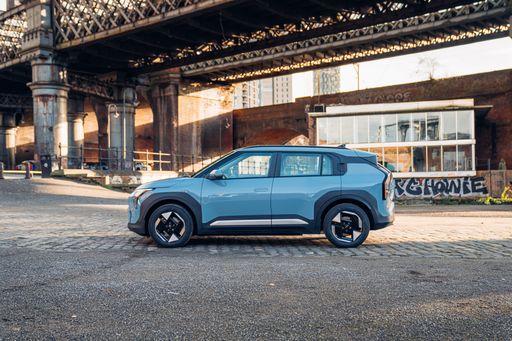
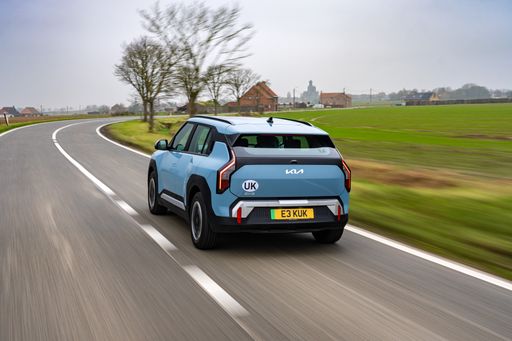
Kia EV3 vs ZEEKR 7X comparison

Compare performance (265 HP vs 646 HP), boot space and price (40,200 £ vs 45,400 £ ) at a glance. Find out which car is the better choice for you – Kia EV3 or ZEEKR 7X?

Kia EV3 vs ZEEKR 7X: Key differences

Kia EV3

4.6 (5 Reviews)
rate
  • slightly cheaper
  • slightly more efficient
  • visibly lighter
details

ZEEKR 7X

4.7 (9 Reviews)
rate
  • clearly more power
  • only slightly more electric range
  • considerably quicker 0–100 km/h
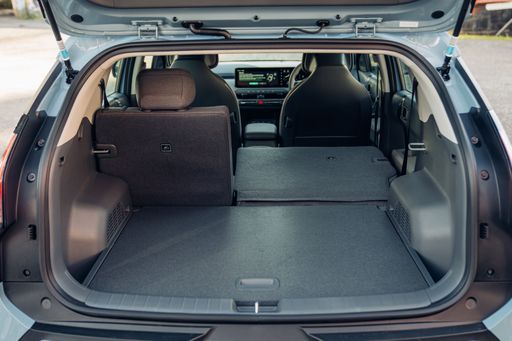
  • visibly more trunk space
details

All details on performance, efficiency, range and trunk space can be found in the technical comparison below – including user reviews for both models.

By Achim Sedelmaier

EV3

Overview: Kia EV3 VS ZEEKR 7X

The Kia EV3 and the ZEEKR 7X sit on different sides of the same electric‑SUV aisle, and this comparison — Kia EV3 VS ZEEKR 7X — lays out what that means for real buyers. The EV3 is the pragmatic, efficiency‑first choice: economical to run, easy to live with in town and generous on luggage space. The ZEEKR 7X trades some of that efficiency for a more premium cabin, much faster charging and a bigger, more motorway‑oriented presence. Read on to see how those core differences translate into everyday usability, long‑distance touring, cabin feel and family suitability.
7X

Driving character and on‑road behavior

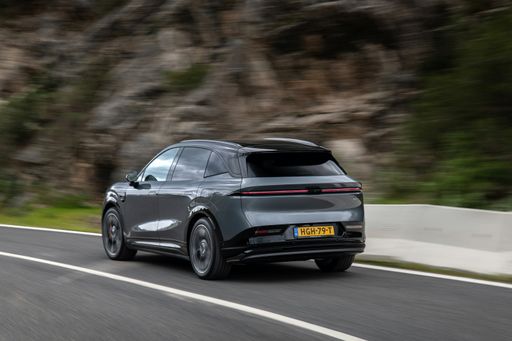
Driving character separates the two: the Kia EV3 feels relaxed and composed, tuned for smoothness rather than edge, while the ZEEKR 7X brings stronger performance and a heavier, more planted demeanour. The Kia EV3’s steering is precise enough for confident city driving but it favors a cushioned ride over feedback, making spirited cornering feel subdued. The ZEEKR 7X accelerates more eagerly and recovers speed with authority, which helps on motorways and fast overtakes but amplifies its bulk in tighter turns. In short, Kia EV3 is tuned for calm everyday progress; ZEEKR 7X is tuned for confident, high‑speed cruising at the cost of nimbleness in the city.

EV3

Comfort, cabin feel and rear‑seat experience

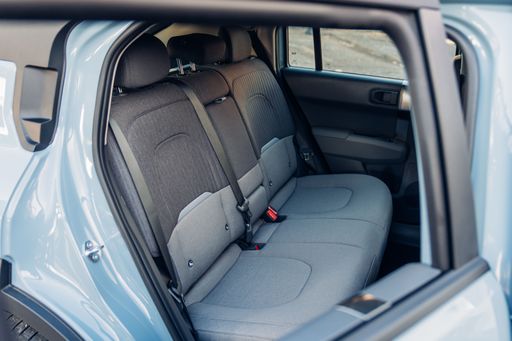
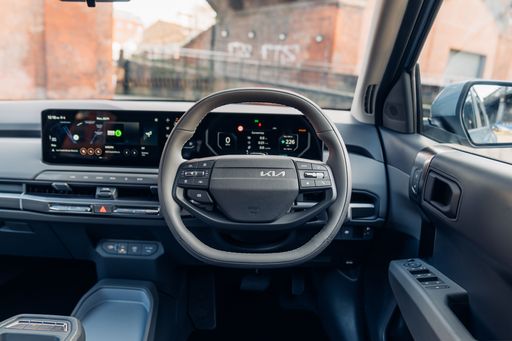
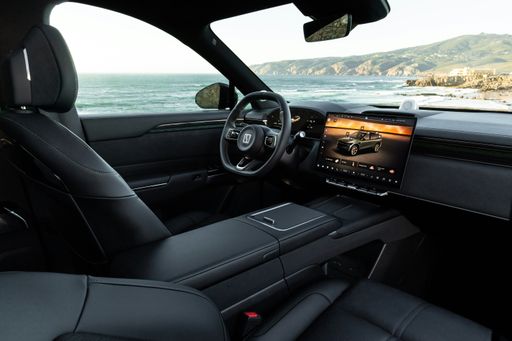
Cabin atmosphere is another clear split: the ZEEKR 7X leans into a premium, quieter interior while the Kia EV3 keeps things functional and ergonomic. ZEEKR’s materials, seating and optional air suspension deliver a smoother, more insulated ride that rewards long distances and taller passengers in the back. Kia EV3’s seats are comfortable and supportive for long days, but its interior shows more pragmatic choices—harder plastics and a higher rear floor affect thigh support for tall occupants. The overall impression is simple: ZEEKR reads like a step up in luxury and serenity, EV3 reads like honest, comfortable practicality.

7X

Practicality and daily usability

Practical differences are tangible: the ZEEKR 7X offers a noticeably larger, more flexible load area and clever storage details, whereas the Kia EV3 focuses on efficient packaging and a small front storage space for everyday items. Kia EV3’s smaller footprint and lighter weight make parking and tight manoeuvres easier, and its lower consumption keeps weekly running costs down. ZEEKR returns value with higher towing capability, more rear legroom and a finish that suits families on longer trips. Both have infotainment and assist systems that demand a moment of learning—Kia’s systems can be over‑chatty with alerts, ZEEKR’s software sometimes shows rough edges—but the practical trade‑offs are clear: compact efficiency versus spacious feature‑richness.

EV3

Long‑distance travel and ownership implications

On long trips the contrast becomes operational: the ZEEKR 7X’s very fast charging windows and battery conditioning make multi‑leg journeys feel less interrupted, while the Kia EV3’s superior efficiency stretches distance between stops but requires longer high‑power sessions. Ownership impressions differ as well—Kia positions the EV3 as a value‑oriented, predictable proposition with sensible running costs and familiar systems, whereas ZEEKR asks buyers to accept a higher initial spend for premium finishes, extra features and the payoff of shorter charging times. Software maturity matters: the Kia’s conservative approach feels stable, ZEEKR’s richer feature set can need updates to reach polish. If you regularly do long hauls and hate long pit stops, ZEEKR eases the travel day; if you prioritise predictable costs and simple daily life, the Kia EV3 keeps things straightforward.

7X

Who should choose which car

Which to choose comes down to how you live with the car: the Kia EV3 suits buyers who prioritise efficiency, city friendliness and the lowest total cost of ownership for family day‑to‑day use. The ZEEKR 7X fits buyers who value premium materials, expansive rear space, fast charging and the ability to pull a trailer or make long hauls with minimal downtime. Both are solid five‑seat safety‑minded SUVs, but the trade‑off is stark — efficiency and compactness versus charging speed and on‑board luxury. The technical comparison that follows will drill into charging behaviour, power delivery, luggage volumes and running costs so you can match these real‑world impressions to the numbers that matter to your life.

Here’s where it gets real: The technical differences in detail

EV3

Costs and Efficiency:

Price and efficiency are often the first things buyers look at. Here it becomes clear which model has the long-term edge – whether at the pump, the plug, or in purchase price.

Kia EV3 is slightly cheaper – starting at 40,200 £ , while the ZEEKR 7X costs 45,400 £ . That’s a price difference of around 5,238 £.

In terms of energy consumption, the Kia EV3 is slightly more efficient: consuming 15.8 kWh/100km compared to 17.7 kWh/100km for the ZEEKR 7X. That’s a difference of about 1.9 kWh/100km.

As for electric range, the ZEEKR 7X offers only slightly more range – reaching up to 615 km, about 43 km more than the Kia EV3.

7X

Engine and Performance:

Power, torque and acceleration are the classic benchmarks for car enthusiasts – and here, some clear differences start to show.

When it comes to engine power, the ZEEKR 7X offers clearly more power – delivering 646 HP compared to 265 HP. That’s roughly 381 HP more horsepower.

When accelerating from 0 to 100 km/h, the ZEEKR 7X is considerably quicker – completing the sprint in 3.8 s, while the Kia EV3 takes 6.6 s. That’s about 2.8 s quicker.

There’s also a difference in torque: the ZEEKR 7X delivers considerably more torque with 710 Nm compared to 385 Nm. That’s about 325 Nm more.

EV3

Space and Everyday Use:

Whether family car or daily driver – which one offers more room, flexibility and comfort?

Both vehicles offer seating for 5 people.

In terms of curb weight, Kia EV3 is visibly lighter – 1,995 kg compared to 2,395 kg. The difference is around 400 kg.

Looking at boot space, the ZEEKR 7X offers visibly more boot space – 539 L compared to 413 L. That’s a difference of about 126 L.

Maximum payload is identical – both can carry up to 485 kg.

Who wins the race in the data check?

The ZEEKR 7X is decisively ahead in the objective data comparison.
This result only shows which model scores more points on paper – not which of the two cars feels right for you.

from £45,400
7X

ZEEKR 7X

  • Engine Type Electric
  • Transmission Automatic
  • Drive Type Rear-Wheel Drive, All-Wheel Drive
  • Power HP 421 - 646 HP
  • Consumption kWh/100km 17.7 - 19.9 kWh/100km
  • Electric Range 480 - 615 km
Kia EV3
ZEEKR 7X

Costs and Consumption

View detailed analysis

Engine and Performance

View detailed analysis

Dimensions and Body

View detailed analysis

Kia EV3

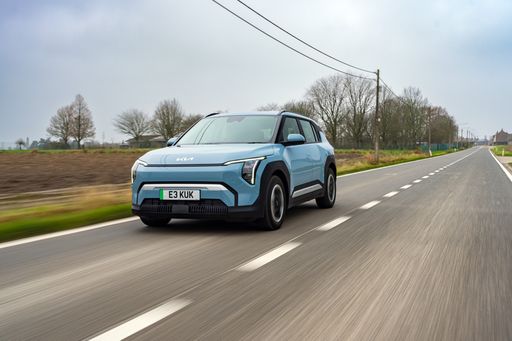
The Kia EV3 is a stylish, user-friendly electric crossover that focuses on practicality and a roomy, well-equipped cabin. It delivers a comfortable ride with intuitive technology and efficient everyday performance, making it a sensible choice for city and family use.

details

ZEEKR 7X

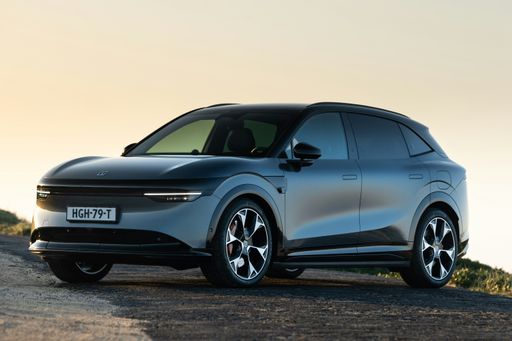
The Zeekr 7X blends sleek, coupe-like styling with a roomy, premium cabin, giving it a confident presence on the road. It pairs refined handling with advanced tech and driver aids, making it an appealing choice for buyers who want electric performance without sacrificing comfort.

details
Kia EV3
ZEEKR 7X

Costs and Consumption

Price
40,200 - 43,900 £
Price
45,400 - 54,000 £
Consumption L/100km
-
Consumption L/100km
-
Consumption kWh/100km
15.8 kWh/100km
Consumption kWh/100km
17.7 - 19.9 kWh/100km
Electric Range
572 km
Electric Range
480 - 615 km
Battery Capacity
-
Battery Capacity
-
co2
0 g/km
co2
0 g/km
Fuel tank capacity
-
Fuel tank capacity
-

Dimensions and Body

Body Type
SUV
Body Type
SUV
Seats
5
Seats
5
Doors
-
Doors
5
Curb weight
1,995 kg
Curb weight
2,395 - 2,535 kg
Trunk capacity
413 L
Trunk capacity
539 L
Length
-
Length
4,787 mm
Width
1,850 mm
Width
1,930 mm
Height
-
Height
1,650 mm
Max trunk capacity
-
Max trunk capacity
-
Payload
485 kg
Payload
455 - 485 kg

Engine and Performance

Engine Type
Electric
Engine Type
Electric
Transmission
Automatic
Transmission
Automatic
Transmission Detail
Reduction Gearbox
Transmission Detail
Reduction Gearbox
Drive Type
All-Wheel Drive
Drive Type
Rear-Wheel Drive, All-Wheel Drive
Power HP
265 HP
Power HP
421 - 646 HP
Acceleration 0-100km/h
6.6 s
Acceleration 0-100km/h
3.8 - 6 s
Max Speed
-
Max Speed
210 km/h
Torque
385 Nm
Torque
440 - 710 Nm
Number of Cylinders
-
Number of Cylinders
-
Power kW
195 kW
Power kW
310 - 475 kW
Engine capacity
-
Engine capacity
-

General

Model Year
2026
Model Year
2025
CO2 Efficiency Class
A
CO2 Efficiency Class
A
Brand
Kia
Brand
ZEEKR
DriveDuel uses data analysis and artificial intelligence to evaluate vehicle data and create content. Content is regularly reviewed and improved. The displayed prices are estimates based on German list prices, adjusted to the respective country’s VAT. Country-specific registration taxes are not included. This information is not legally binding.