VS

Kia Sportage vs Dacia Duster comparison

Compare performance (288 HP vs 158 HP), boot space and price (30,200 £ vs 16,300 £ ) at a glance. Find out which car is the better choice for you – Kia Sportage or Dacia Duster?

Kia Sportage vs Dacia Duster: Key differences

Kia Sportage

4.9 (2 Reviews)
rate
  • significantly more power
  • significantly more efficient
  • markedly quicker 0–100 km/h
  • a bit more trunk space

Dacia Duster

5 (2 Reviews)
rate
  • substantially cheaper
  • slightly lighter

All details on performance, efficiency, range and trunk space can be found in the technical comparison below – including user reviews for both models.

Sportage

Two Roads to SUV Identity

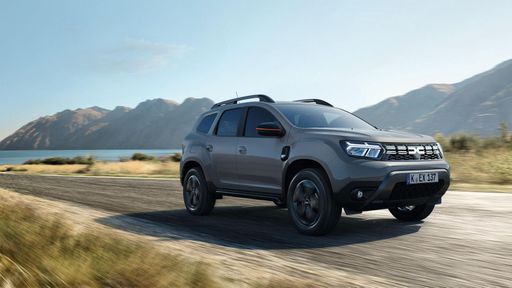
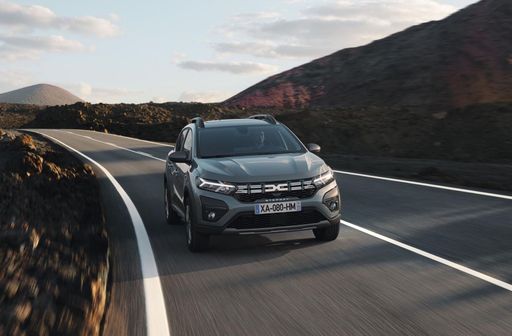
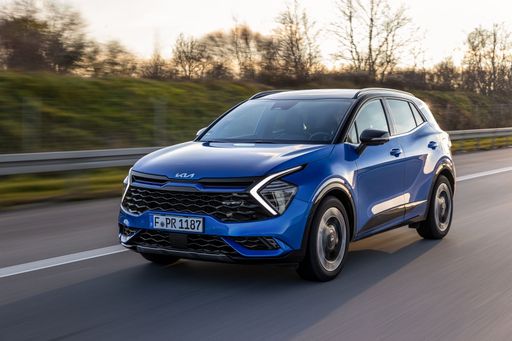
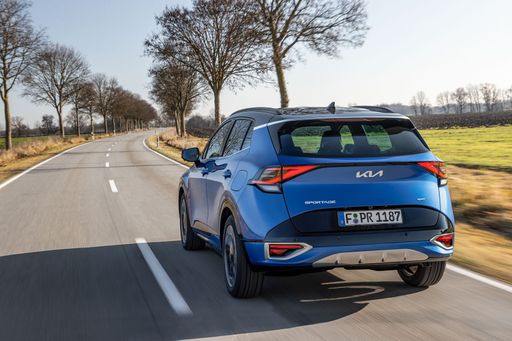
The Dacia Duster wears its rugged, no-nonsense charm with pride, the sort of SUV that looks happiest with mud on its tyres and a dog in the boot. Opposite it stands the Kia Sportage, slick and sophisticated, the fashion-forward family choice with a tech-laden cabin and a polished air. Both promise everyday ease, but they speak very different dialects of the same SUV language.
Duster

On the Move

Out on the road, the Sportage feels grown-up and composed, with a calm, settled gait that makes long stretches fly by quietly. It delivers stronger punch when asked and remains reassuringly tidy through bends, prioritising refinement over thrills. The Duster is lighter on its feet and more straightforward, surprisingly game on rough tracks and happy to shrug off potholes with a hearty bounce, rewarding those who value honesty over hush.

Sportage

Ride and Quiet

The Sportage cushions broken tarmac with an easygoing suppleness, and the cabin remains impressively hushed at speed, adding to its premium impression. Seats are supportive, making extended journeys feel less like endurance tests and more like effortless cruises. The Duster rides with a touch more movement but keeps things comfortable enough, especially around town, where its forgiving setup and upright view come into their own.

Duster

Cabin Tech and Controls

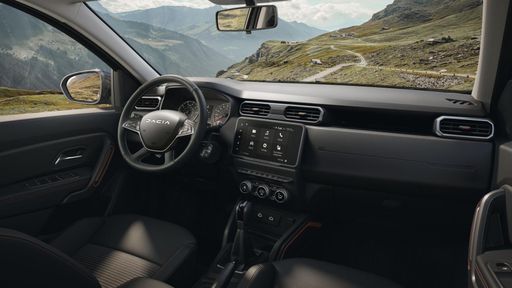
Inside, the Sportage goes big on screens and slick graphics, wrapping a lot of functionality in a glossy, modern interface that looks the business. Some touch-sensitive controls may polarise, yet the overall polish and connectivity will delight gadget lovers. The Duster counters with sheer simplicity: clear dials, proper knobs, and an interface that’s quick to understand even with gloved hands, which is exactly the point.

Sportage

Space and Practical Smarts

Families will appreciate the Sportage for its generous cabin, easy access, and flexible seating, making prams and school bags feel like an easy chapter rather than a saga. The flat load area and thoughtful storage touches make daily life a breeze. The Duster is more back-to-basics but cleverly so, with a square, usable boot and hardy materials that won’t complain about muddy boots, camping kit, or the odd DIY adventure.

Duster

Value and Ownership Calm

The Duster’s headline act is value: it keeps buying and owning refreshingly straightforward, appealing to those who’d rather spend on trips than trim levels. It feels robust and honest, and you’re never terrified of a supermarket car park. The Sportage asks more on day one but gives back in features, refinement, and the security of a well-regarded ownership experience, especially if you’re drawn to electrified options for everyday efficiency.

Sportage

Which Driver Fits Which SUV?

If your life swings between school runs and long motorway treks, the Sportage makes a persuasive case with its calm ride, quiet cabin, and tech that takes the sting out of traffic. It’s the set-and-forget companion for commuters and family chauffeurs alike. The Duster suits adventurers and value-seekers, those who like their SUVs tough, straightforward, and ready for a muddy weekend without a second thought.

Duster

Curb Appeal and Character

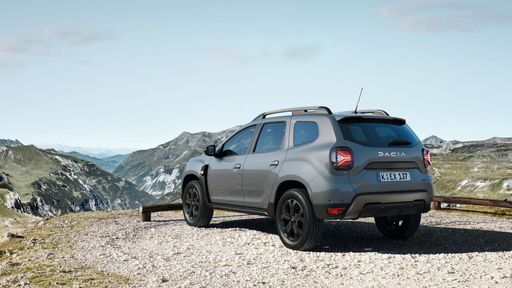
The Duster has that chunky, purposeful stance that says “let’s get out there,” a timeless utilitarian vibe that’s easy to like. The Sportage is all sharp lines and bold confidence, a driveway statement that looks as modern as it feels inside. Style-conscious buyers will gravitate one way, outdoorsy types the other, and both choices are perfectly valid.

The Final Turn of the Wheel

Two SUVs, two strong personalities: one polished and plush, the other rugged and refreshingly honest. Keep reading to discover which one claims the DriveDuel Champion title right after this head-to-head.

Here’s where it gets real: The technical differences in detail

Sportage

Costs and Efficiency:

Looking at overall running costs, both models reveal some interesting differences in everyday economy.

Dacia Duster is substantially cheaper – starting at 16,300 £ , while the Kia Sportage costs 30,200 £ . That’s a price difference of around 13,885 £.

Fuel consumption also shows a difference: the Kia Sportage uses 2.9 L/100km and is significantly more efficient than the Dacia Duster with 4.7 L/100km. The difference is about 1.8 L/100km.

Duster

Engine and Performance:

Power, torque and acceleration say a lot about how a car feels on the road. This is where you see which model delivers more driving dynamics.

When it comes to engine power, the Kia Sportage offers significantly more power – delivering 288 HP compared to 158 HP. That’s roughly 130 HP more horsepower.

When accelerating from 0 to 100 km/h, the Kia Sportage is markedly quicker – completing the sprint in 7.5 s, while the Dacia Duster takes 9.4 s. That’s about 1.9 s quicker.

There’s also a difference in torque: the Kia Sportage delivers clearly more torque with 380 Nm compared to 230 Nm. That’s about 150 Nm more.

Sportage

Space and Everyday Use:

Whether family car or daily driver – which one offers more room, flexibility and comfort?

Both vehicles offer seating for 5 people.

In terms of curb weight, Dacia Duster is slightly lighter – 1,377 kg compared to 1,552 kg. The difference is around 175 kg.

Looking at boot space, the Kia Sportage offers a bit more boot space – 587 L compared to 517 L. That’s a difference of about 70 L.

When it comes to payload, the Kia Sportage carries clearly more – 580 kg compared to 453 kg. That’s a difference of about 127 kg.

Who wins the race in the data check?

The Kia Sportage holds a decisive overall lead in the objective data comparison.
This result only shows which model scores more points on paper – not which of the two cars feels right for you.

from £30,200
Sportage

Kia Sportage

  • Engine Type : Petrol, Full Hybrid, Diesel MHEV, Plugin Hybrid
  • Transmission : Manuel, Automatic
  • Drive Type : Front-Wheel Drive, All-Wheel Drive
  • Power HP : 136 - 288 HP
  • Consumption L/100km : 2.9 - 7.8 L/100km
  • Electric Range : 63 - 66 km
Kia Sportage
Dacia Duster

Costs and Consumption

View detailed analysis

Engine and Performance

View detailed analysis

Dimensions and Body

View detailed analysis

Kia Sportage

The Kia Sportage proves you don't have to choose between style and sensible family motoring, wrapping modern, confident looks around a roomy, well-equipped cabin. It's an easy car to live with — comfortable on daily runs, pleasantly engaging when you want a bit of fun, and kind to your wallet so you can keep smiling at the fuel pump.

details

Dacia Duster

The Dacia Duster is a no-nonsense compact SUV that delivers rugged practicality and surprisingly comfortable everyday driving without fuss. It might not win any beauty contests, but its honest design, easy-to-live-with cabin and tough attitude make it a smart pick for buyers who want reliable transport without luxury frills.

details
Kia Sportage
Dacia Duster

Costs and Consumption

Price
30,200 - 47,100 £
Price
16,300 - 24,900 £
Consumption L/100km
2.9 - 7.8 L/100km
Consumption L/100km
4.7 - 7.6 L/100km
Consumption kWh/100km
-
Consumption kWh/100km
-
Electric Range
63 - 66 km
Electric Range
-
Battery Capacity
-
Battery Capacity
0.6 kWh
co2
67 - 177 g/km
co2
107 - 140 g/km
Fuel tank capacity
-
Fuel tank capacity
50 L

Dimensions and Body

Body Type
SUV
Body Type
SUV
Seats
5
Seats
5
Doors
-
Doors
5
Curb weight
1,552 - 1,896 kg
Curb weight
1,377 - 1,455 kg
Trunk capacity
526 - 587 L
Trunk capacity
348 - 517 L
Length
-
Length
4,343 mm
Width
1,865 mm
Width
1,813 mm
Height
-
Height
1,656 - 1,659 mm
Max trunk capacity
-
Max trunk capacity
1,414 - 1,609 L
Payload
533 - 580 kg
Payload
402 - 453 kg

Engine and Performance

Engine Type
Petrol, Full Hybrid, Diesel MHEV, Plugin Hybrid
Engine Type
Petrol MHEV, Full Hybrid, LPG
Transmission
Manuel, Automatic
Transmission
Manuel, Automatic
Transmission Detail
Manual Gearbox, Dual-Clutch Automatic, Automatic Gearbox
Transmission Detail
Manual Gearbox, Automated Manual, Dual-Clutch Automatic
Drive Type
Front-Wheel Drive, All-Wheel Drive
Drive Type
Front-Wheel Drive, All-Wheel Drive
Power HP
136 - 288 HP
Power HP
115 - 158 HP
Acceleration 0-100km/h
7.5 - 11.6 s
Acceleration 0-100km/h
9.4 - 11.7 s
Max Speed
-
Max Speed
180 km/h
Torque
250 - 380 Nm
Torque
190 - 230 Nm
Number of Cylinders
4
Number of Cylinders
3 - 4
Power kW
100 - 212 kW
Power kW
84 - 116 kW
Engine capacity
1,598 cm3
Engine capacity
1,199 - 1,789 cm3

General

Model Year
2,025 - 2,026
Model Year
2,025 - 2,026
CO2 Efficiency Class
F, D, E, G, B
CO2 Efficiency Class
D, C
Brand
Kia
Brand
Dacia
DriveDuel uses data analysis and artificial intelligence to evaluate vehicle data and create content. Content is regularly reviewed and improved. The displayed prices are estimates based on German list prices, adjusted to the respective country’s VAT. Country-specific registration taxes are not included. This information is not legally binding.