VS

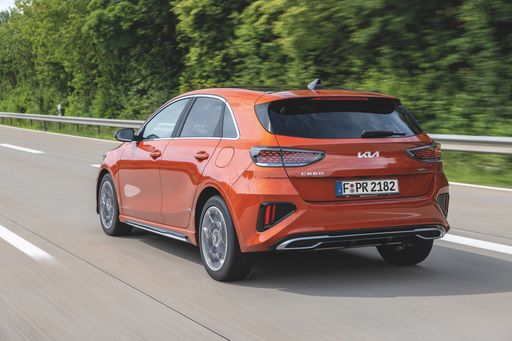
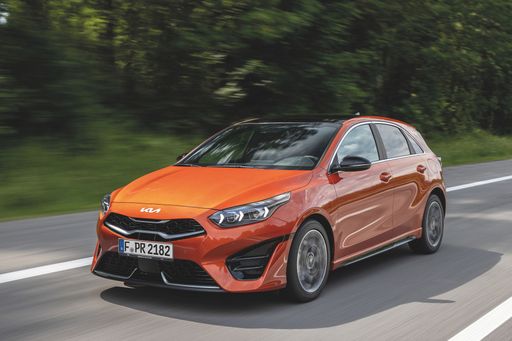
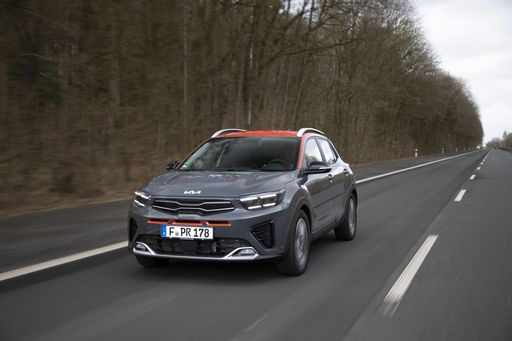
Kia Stonic vs Kia Ceed comparison

Compare performance (115 HP vs 140 HP), boot space and price (20,400 £ vs 23,500 £ ) at a glance. Find out which car is the better choice for you – Kia Stonic or Kia Ceed?

Kia Stonic vs Kia Ceed: Key differences

Kia Stonic

4.6 (2 Reviews)
rate
  • somewhat cheaper
  • very slightly more efficient
  • only slightly lighter
details

Kia Ceed

4.4 (1 Reviews)
rate
  • somewhat more power
  • somewhat quicker 0–100 km/h
details

All details on performance, efficiency, range and trunk space can be found in the technical comparison below – including user reviews for both models.

By Achim Sedelmaier

Stonic

Quick take: Kia Ceed VS Kia Stonic — which Kia suits your day-to-day?

Kia Ceed VS Kia Stonic frames a simple choice: a traditional compact hatchback that leans toward comfort and space or a small crossover tuned for city life and easy parking. The Kia Ceed presents itself as the composed, slightly more substantial car that favors long runs, straightforward practicality and a quietly assured cabin. The Kia Stonic bets on agility, a modernized cockpit and a smaller footprint that makes urban chores painless. Choosing between them is a trade-off between motorway composure and downtown nimbleness rather than one of outright value or reliability.
Ceed

Character and driving feel

The Kia Ceed drives like the sensible compact it is: weighty enough to feel planted, with a stronger shove when you ask for it and steering tuned for stability rather than thrill. The Kia Stonic feels lighter and more eager to change direction, rewarding quick lane changes and tight roundabouts but exposing its firmer ride and engine limits sooner. If you spend most time on open roads and want effortless cruising, the Ceed’s personality will feel more relaxed; if your routes are dense city streets and tight car parks, the Stonic’s liveliness is the everyday win. Both are undemanding to drive, but they give very different feedback — Ceed for calm certainty, Stonic for nimble convenience.

Stonic

Comfort and long-distance behavior

On longer trips the Kia Ceed shows its strengths: a calmer cabin, more forgiving suspension compliance in most trims and a seating position that tires you less over hours. The Kia Stonic can manage a motorway run, but its firmer suspension and louder wind and tyre noise make long stints more wearing, especially on coarse surfaces. If you regularly do longer commutes or weekend highway journeys, the Ceed’s quieter, more settled nature will pay off in reduced fatigue. For short hops and occasional trips, the Stonic’s compromise on long-distance refinement is an acceptable trade for its urban agility.

Ceed

Usability and practicality

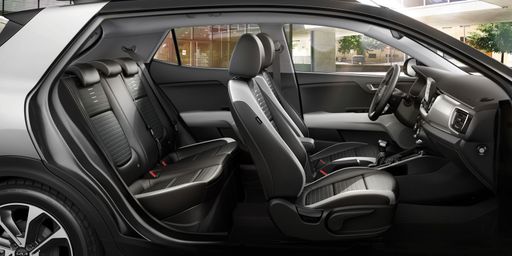
The Kia Ceed is the more practical choice day-to-day: a larger, more useable boot, a lower loading lip and a cabin shape that handles luggage and family kit with less contortion. The Kia Stonic sacrifices some luggage volume and rear-seat room for a smaller exterior, which makes it easier to park and squeeze into tight spaces but means compromises when you need to haul bulkier items. Families or anyone who frequently carries strollers, sports gear or shopping will feel the Ceed’s advantages immediately; solo drivers or couples who prioritize easy urban maneuvering will appreciate the Stonic’s compact footprint. Both keep the same long warranty, so practicality becomes a matter of which compromises you can live with.

Stonic

Cabin feel, tech and perceived quality

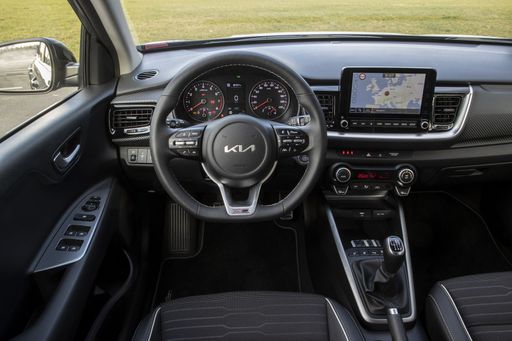
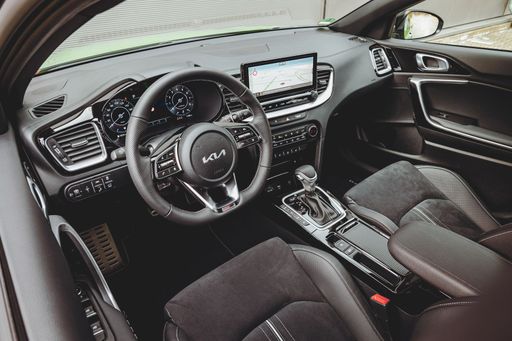
Inside, the Kia Ceed leans on conservative, well-built surfaces and tactile physical controls that age gracefully and are easy to use without fuss. The Kia Stonic’s recent refresh delivers a fresher visual layout and dual displays that lift the perceived tech level, but many surfaces remain simple and hard-plastic in feel. If you value uncluttered ergonomics and more soft-touch materials, the Ceed will feel a touch more upmarket; if you want a visually modern cabin and smartphone-first connectivity, the Stonic’s interface is more immediately appealing. Both offer sensible equipment levels and the same strong warranty, so the choice here is largely about whether you prefer tactile solidity or contemporary styling.

Ceed

Buyer fit and the trade-offs to weigh before the specs

If your life revolves around long distances, regular luggage or carrying rear-seat passengers, the Kia Ceed aligns better with those needs thanks to its comfort, space and motorway composure. If you live in a city, park on narrow streets and value a lively, easy-to-handle car with a modern cockpit at a lower entry price, the Kia Stonic fits that bill. Neither car is a specialist sports car or a luxury cruiser; they serve different daily agendas and the right pick depends on whether you prioritise space and serenity or compact convenience and agility. Scroll on to the technical comparison to see how engines, economy and dimensions back up these practical differences so you can match the numbers to the everyday trade-offs.

Here’s where it gets real: The technical differences in detail

Stonic

Costs and Efficiency:

When it comes to price and running costs, the biggest differences usually appear. This is often where you see which car fits your budget better in the long run.

Kia Stonic is somewhat cheaper – starting at 20,400 £ , while the Kia Ceed costs 23,500 £ . That’s a price difference of around 3,086 £.

Fuel consumption also shows a difference: the Kia Stonic uses 5.6 L/100km and is very slightly more efficient than the Kia Ceed with 6 L/100km. The difference is about 0.4 L/100km.

Ceed

Engine and Performance:

Power, torque and acceleration say a lot about how a car feels on the road. This is where you see which model delivers more driving dynamics.

When it comes to engine power, the Kia Ceed offers somewhat more power – delivering 140 HP compared to 115 HP. That’s roughly 25 HP more horsepower.

When accelerating from 0 to 100 km/h, the Kia Ceed is somewhat quicker – completing the sprint in 9.5 s, while the Kia Stonic takes 10.7 s. That’s about 1.2 s quicker.

There’s also a difference in torque: the Kia Ceed delivers clearly more torque with 253 Nm compared to 200 Nm. That’s about 53 Nm more.

Stonic

Space and Everyday Use:

Beyond pure performance, interior space and usability matter most in daily life. This is where you see which car is more practical and versatile.

Both vehicles offer seating for 5 people.

In terms of curb weight, Kia Stonic is only slightly lighter – 1,205 kg compared to 1,298 kg. The difference is around 93 kg.

When it comes to payload, the Kia Ceed carries marginally more – 490 kg compared to 445 kg. That’s a difference of about 45 kg.

Who wins the race in the data check?

The Kia Ceed is far ahead overall in the objective data comparison.
This result only shows which model scores more points on paper – not which of the two cars feels right for you.

from £23,500
Ceed

Kia Ceed

  • Engine Type Petrol, Petrol MHEV
  • Transmission Manuel, Automatic
  • Drive Type Front-Wheel Drive
  • Power HP 100 - 140 HP
  • Consumption L/100km 6 - 6.4 L/100km
Kia Stonic
Kia Ceed

Costs and Consumption

View detailed analysis

Engine and Performance

View detailed analysis

Dimensions and Body

View detailed analysis

Kia Stonic

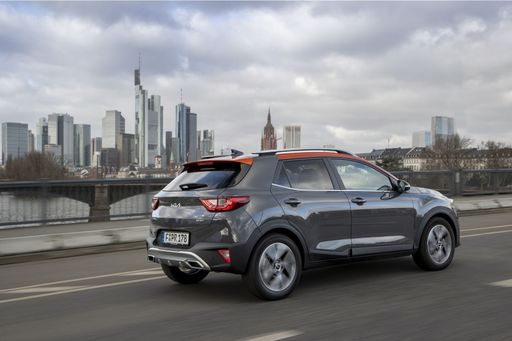
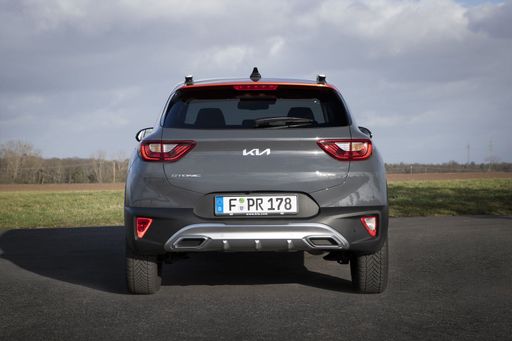
The Kia Stonic is a compact crossover that pairs nimble city manners with a surprisingly spacious and comfortable cabin. It’s a practical, well-equipped choice for buyers who value sensible features, approachable styling and easy everyday usability.

details

Kia Ceed

The Kia Ceed is a sensible, stylish hatchback that gives buyers more than they'd expect for the money, blending practical space with crisp, modern looks. It drives with measured confidence and comes loaded with user-friendly kit, so you can enjoy daily life behind the wheel without breaking into a sweat.

details
Kia Stonic
Kia Ceed

Costs and Consumption

Price
20,400 - 26,800 £
Price
23,500 - 26,300 £
Consumption L/100km
5.6 - 5.7 L/100km
Consumption L/100km
6 - 6.4 L/100km
Consumption kWh/100km
-
Consumption kWh/100km
-
Electric Range
-
Electric Range
-
Battery Capacity
-
Battery Capacity
-
co2
126 - 128 g/km
co2
137 - 146 g/km
Fuel tank capacity
-
Fuel tank capacity
-

Dimensions and Body

Body Type
SUV
Body Type
Hatchback
Seats
5
Seats
5
Doors
-
Doors
-
Curb weight
1,205 - 1,270 kg
Curb weight
1,298 - 1,372 kg
Trunk capacity
352 L
Trunk capacity
-
Length
-
Length
-
Width
1,760 mm
Width
1,800 mm
Height
-
Height
-
Max trunk capacity
-
Max trunk capacity
-
Payload
440 - 445 kg
Payload
478 - 490 kg

Engine and Performance

Engine Type
Petrol, Petrol MHEV
Engine Type
Petrol, Petrol MHEV
Transmission
Manuel, Automatic
Transmission
Manuel, Automatic
Transmission Detail
Manual Gearbox, Dual-Clutch Automatic
Transmission Detail
Manual Gearbox, Dual-Clutch Automatic
Drive Type
Front-Wheel Drive
Drive Type
Front-Wheel Drive
Power HP
100 - 115 HP
Power HP
100 - 140 HP
Acceleration 0-100km/h
10.7 - 12.1 s
Acceleration 0-100km/h
9.5 - 13.2 s
Max Speed
-
Max Speed
-
Torque
172 - 200 Nm
Torque
172 - 253 Nm
Number of Cylinders
3
Number of Cylinders
3 - 4
Power kW
74 - 85 kW
Power kW
74 - 103 kW
Engine capacity
998 cm3
Engine capacity
998 - 1,482 cm3

General

Model Year
2025
Model Year
2024
CO2 Efficiency Class
D
CO2 Efficiency Class
E
Brand
Kia
Brand
Kia
DriveDuel uses data analysis and artificial intelligence to evaluate vehicle data and create content. Content is regularly reviewed and improved. The displayed prices are estimates based on German list prices, adjusted to the respective country’s VAT. Country-specific registration taxes are not included. This information is not legally binding.