
 Deutschland
 France
 Nederland
 Great Britain
 Sverige
 Norge
Norge Danmark
 Suomi
Suomi Italia
 Polska
 España
VS
Mazda CX-30 vs Land Rover Range Rover – Differences & prices compared
Compare performance, boot space, consumption and price in one view.
Find out now: which car is the better choice for you – Mazda CX-30 or Land Rover Range Rover?
The Mazda CX-30 (SUV) comes with a Petrol MHEV engine and Manuel or Automatic transmission. In comparison, the Land Rover Range Rover (Off-Roader) features a Plugin Hybrid, Petrol MHEV or Diesel MHEV engine with Automatic transmission.
When it comes to boot capacity, the Mazda CX-30 offers 430 L, while the Land Rover Range Rover provides 818 L – depending on how much space you need. If you’re looking for more power, decide whether the 186 HP of the Mazda CX-30 or the 615 HP of the Land Rover Range Rover suits your needs better.
In terms of consumption, the values are 5.70 L per 100 km for the Mazda CX-30, and 2.70 L for the Land Rover Range Rover.
Price-wise, the Mazda CX-30 starts at 25200 £, while the Land Rover Range Rover is available from 122700 £. Compare all the details and find out which model fits your lifestyle best!
Mazda CX-30
The Mazda CX-30 effortlessly combines sleek design with a sense of adventure, making it an appealing choice for urban explorers and countryside enthusiasts alike. Inside, the cabin is thoughtfully designed, offering both comfort and cutting-edge technology to enhance the driving experience. Its performance on the road is agile, providing a smooth and engaging journey for drivers and passengers.
details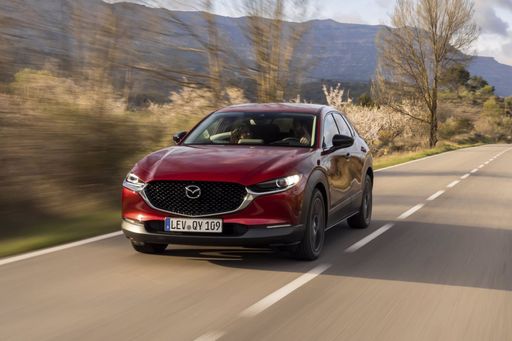 @ de.mazda-press.com
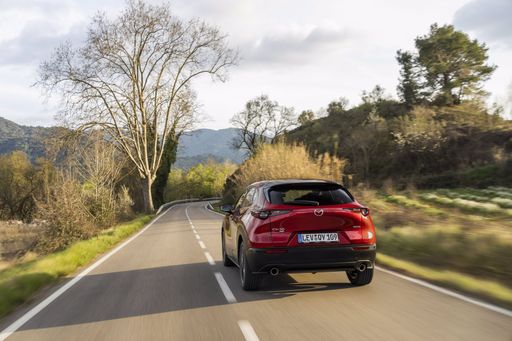 @ de.mazda-press.com
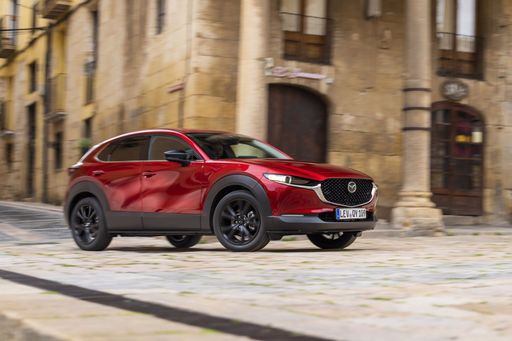 @ de.mazda-press.com
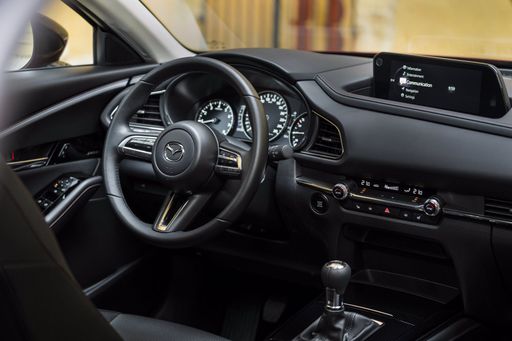 @ de.mazda-press.com
Land Rover Range Rover
The Land Rover Range Rover epitomises luxury and capability in the realms of off-road vehicles. Its elegant design seamlessly marries sophistication with ruggedness, making it equally suitable for urban environments and challenging terrains. Inside, passengers are treated to a plush interior with premium materials and cutting-edge technology that ensure a comfortable and connected driving experience.
details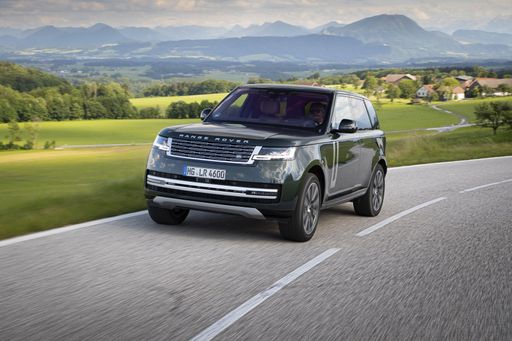 @ media.landrover.com
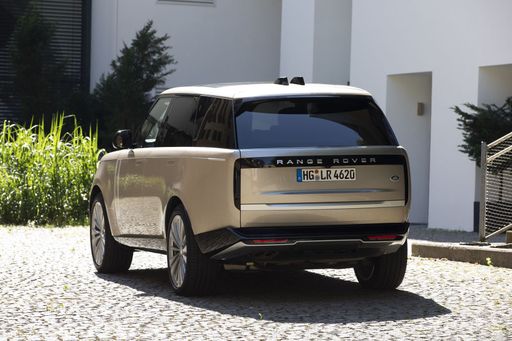 @ media.landrover.com
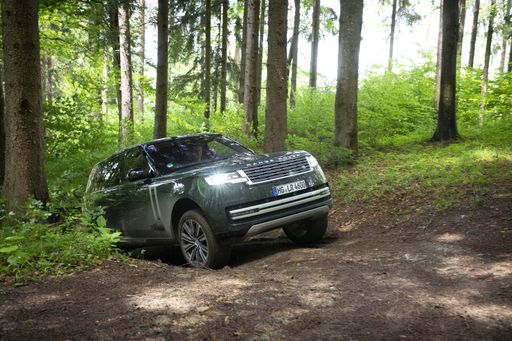 @ media.landrover.com
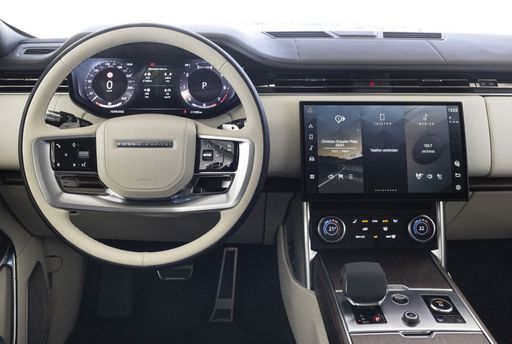 @ media.landrover.com
Mazda CX-30
Land Rover Range Rover
|
|
|
|
|
|
Costs and Consumption |
|
|---|---|
|
Price
25200 - 36800 £
|
Price
122700 - 244700 £
|
|
Consumption L/100km
5.7 - 6.6 L
|
Consumption L/100km
2.7 - 11.7 L
|
|
Consumption kWh/100km
-
|
Consumption kWh/100km
-
|
|
Electric Range
-
|
Electric Range
116 - 117 km
|
|
Battery Capacity
-
|
Battery Capacity
31.80 kWh
|
|
co2
129 - 148 g/km
|
co2
62 - 265 g/km
|
|
Fuel tank capacity
48 - 51 L
|
Fuel tank capacity
71 - 90 L
|
Dimensions and Body |
|
|---|---|
|
Body Type
SUV
|
Body Type
Off-Roader
|
|
Seats
5
|
Seats
5 - 7
|
|
Doors
5
|
Doors
5
|
|
Curb weight
1455 - 1587 kg
|
Curb weight
2504 - 2810 kg
|
|
Trunk capacity
422 - 430 L
|
Trunk capacity
212 - 818 L
|
|
Length
4395 mm
|
Length
5052 - 5258 mm
|
|
Width
1795 mm
|
Width
2047 mm
|
|
Height
1540 mm
|
Height
1870 mm
|
|
Payload
458 - 496 kg
|
Payload
589 - 846 kg
|
Engine and Performance |
|
|---|---|
|
Engine Type
Petrol MHEV
|
Engine Type
Plugin Hybrid, Petrol MHEV, Diesel MHEV
|
|
Transmission
Manuel, Automatic
|
Transmission
Automatic
|
|
Transmission Detail
Manual Gearbox, Automatic Gearbox
|
Transmission Detail
Automatic Gearbox
|
|
Drive Type
Front-Wheel Drive, All-Wheel Drive
|
Drive Type
All-Wheel Drive
|
|
Power HP
140 - 186 HP
|
Power HP
300 - 615 HP
|
|
Acceleration 0-100km/h
8.3 - 10.3 s
|
Acceleration 0-100km/h
4.5 - 6.6 s
|
|
Max Speed
191 - 204 km/h
|
Max Speed
218 - 261 km/h
|
|
Torque
238 - 240 Nm
|
Torque
650 - 800 Nm
|
|
Number of Cylinders
4
|
Number of Cylinders
6 - 8
|
|
Power kW
103 - 137 kW
|
Power kW
221 - 452 kW
|
|
Engine capacity
1998 - 2488 cm3
|
Engine capacity
2997 - 4395 cm3
|
General |
|
|---|---|
|
Model Year
2025
|
Model Year
2025
|
|
CO2 Efficiency Class
D, E
|
CO2 Efficiency Class
B, G
|
|
Brand
Mazda
|
Brand
Land Rover
|
Mazda CX-30
The Mazda CX-30: Where Innovation Meets Efficiency
The Mazda CX-30 stands as a testament to Mazda's commitment to blending the best of technology and design. Positioned as a subcompact SUV, the CX-30 delivers the practicality of an SUV with the agile driving dynamics of a smaller vehicle. As we delve into its technical and innovative aspects, the CX-30 showcases why it's a formidable choice in today's competitive automotive market.
Engine and Performance: Power Meets Efficiency
The heart of the Mazda CX-30 lies in its sophisticated engine offerings. At its core, the e-SKYACTIV-X engines provide a unique balance of performance and fuel efficiency. With 186 PS at your disposal, these engines optimise the combustion process, reducing both fuel consumption and emissions. The engine's mild-hybrid system further enhances its efficiency by capturing energy during braking, making it one of the more environmentally conscious choices on the market.
Transmission and Drivetrain Options
Buyers have the flexibility to choose between a manual or an automatic transmission, catering to diverse driving preferences. The available all-wheel drive (AWD) system provides enhanced stability and control, particularly useful in variable weather conditions or challenging terrains. Those preferring a classic driving experience can opt for the front-wheel drive (FWD) variants, which still deliver impressive traction and handling.
Design and Dimensions
The Mazda CX-30's dimensions—4395 mm in length and 1795 mm in width—offer a spacious and comfortable interior while maintaining a sleek and modern exterior design. Its aerodynamic form not only enhances its aesthetic appeal but also contributes to improved performance and fuel efficiency. The interior, adorned with high-quality materials, reflects Mazda’s dedication to creating a premium driving experience.
Interior Comfort and Technology
Inside, the CX-30 does not disappoint. With a cabin that seats five comfortably, it strikes an excellent balance between style and practicality. The infotainment system, replete with intuitive controls and connectivity options, ensures that drivers remain connected and entertained on the go. Additionally, advanced safety features bolster the confidence of any journey, safeguarding occupants and pedestrians alike.
Pricing and Model Variants
The Mazda CX-30 is offered in a variety of model configurations, each catering to different budgetary and feature preferences. The entry-level models provide excellent value, while higher trims, such as the Exclusive-Line and Takumi, offer luxurious enhancements and additional technology features. With pricing from €28,940 to €42,390, the CX-30 positions itself as an attractive option in its segment.
Conclusion: The Ideal Mix of Performance and Practicality
In summary, the Mazda CX-30 emerges as a versatile and appealing option for those seeking a compact SUV that does not compromise on performance or sophisticated engineering. Its combination of innovative technology, efficient powertrains, and driver-centric features make it a worthy contender in its class. Whether navigating urban landscapes or exploring rural roads, the CX-30 delivers an engaging and reassuring drive.
Land Rover Range Rover
An Icon of British Engineering
The Land Rover Range Rover remains a distinguished symbol of luxury and performance in the world of four-wheel drives. As one of the icons of British automotive engineering, the Range Rover continually pushes the boundaries of what an SUV can achieve, offering unparalleled off-road capability. Let's delve into some of the technical details and innovations that make this vehicle stand out.
Powertrains and Performance
The latest Range Rover models offer a striking range of powertrains, including diesel mild-hybrid, plug-in hybrid, and petrol mild-hybrid options. Power output ranges from a robust 300 PS for the diesel variant to a staggering 615 PS for the top-end petrol model. Additionally, the hybrid models offer impressive fuel efficiency with consumption figures as low as 0.8 L/100 km, coupled with an electric range of over 100 km, thanks to a battery capacity of 31.8 kWh.
Innovative Hybrid Technology
Embracing the future of sustainable mobility, the plug-in hybrid models of the Range Rover are engineered to deliver seamless power distribution and enhanced efficiency. The hybrid system intelligently combines a traditional combustion engine with electric technology to reduce emissions, achieving CO2 figures as low as 20 g/km. This innovation positions the Range Rover at the forefront of eco-friendly luxury SUVs.
Impressive Off-Road Capability
Despite its luxury status, the Range Rover remains a rugged off-road performer. Its all-wheel-drive system is enhanced by the latest Terrain Response technology, which adapts the vehicle’s settings to the driving environment, ensuring optimal performance on various terrains. Whether you're navigating city streets or embarking on a countryside adventure, the Range Rover excels in providing a smooth and controlled drive.
Luxurious Interior and Comfort
If class and comfort are what you seek, the Range Rover's interior will not disappoint. With options ranging from 5 to 7 seats, premium materials, and a plethora of customisation options, the cabin exudes sophistication. Every detail is designed to enhance the driving experience, from advanced infotainment systems to highly customisable seating arrangements.
Advanced Safety Features
Modern safety technologies are embedded throughout the Range Rover, providing peace of mind on every journey. Equipped with adaptive cruise control, lane-keeping assist, and a comprehensive suite of airbags, this vehicle prioritises the safety of its occupants without compromising on luxury or performance.
Conclusion
With its perfect blend of power, efficiency, and luxury, the Land Rover Range Rover stands as a testament to continuous innovation in automotive design. Whether for urban commuting or off-road excursions, its technical prowess ensures an unparalleled driving experience that truly sets it apart in the premium SUV segment.
Which drive types are available for the Mazda CX-30?
Available as Front-Wheel Drive or All-Wheel Drive.
The prices and data displayed are estimates based on German list prices and may vary by country. This information is not legally binding.